
What Is AI Memory for Education Teams
AI memory refers to the technology that allows artificial intelligence systems to retain information from past interactions. For education teams, this means creating a persistent knowledge layer.
- Context Retention: It saves critical context from previous conversations, ensuring the AI does not lose track of an ongoing project or a student's learning history.
- Personalized Adaptation: The AI remembers individual user preferences, learning paces, and teaching styles, adapting its future responses accordingly.
- Knowledge Structuring: It transforms chaotic chat histories into organized, retrievable knowledge bases that can be queried instantly.
- Cross-Session Continuity: Instead of starting from scratch every time you open a window, the AI picks up exactly where the last tutoring or planning session left off.
Why Education Teams Need AI Memory
Education professionals deal with vast amounts of information and repetitive tasks. Implementing AI memory brings several distinct advantages:
- Eliminates Redundant Prompting: Teachers no longer need to upload the syllabus or explain their grading rubric every time they want the AI to help design a lesson plan.
- Hyper-Personalized Learning: When an AI tutor remembers a student's past struggles with a specific math concept, it can tailor future explanations to avoid confusion and boost confidence.
- Streamlined Administrative Work: Staff can rely on AI to instantly recall past emails, meeting notes, or specific institutional policies without digging through archives.
- Seamless Team Handovers: Multiple educators or administrators can interact with the same AI agent, maintaining a shared memory pool for collaborative curriculum development.
10 Best AI Memory Tools Comparison Table
To give you a comprehensive overview, here is a comparison of 12 notable AI memory tools (including our top 10 detailed below and 2 honorable mentions).
| Tool | Best For | Key Feature | Starting Price |
|---|---|---|---|
| MemoryLake | Persistent Context Infrastructure | Multi-agent persistent memory | $16/month |
| Mem0 | Developers & Tech Teams | User and session-level memory | $19/month |
| Supermemory | Personal Knowledge Management | AI-powered bookmarking | $19/month |
| Glean | Enterprise Universities | Cross-app semantic search | Custom pricing |
| CognitiveX | Advanced Academic Research | Logical reasoning memory | $20/month |
| XTrace | Compliance & Student Tracking | Real-time interaction logs | $25/month |
| MongoDB | Large-scale Data Infrastructure | Atlas Vector Search | Up to $30/month |
| Personal AI | Automated Communication | Personal AI twin | Custom pricing |
| Mnemoverse | Multimedia Course Design | Visual memory mapping | $29/month |
| Letta | Long-running Agents | OS-like memory management | Free (Open-source) |
10 Best AI Memory Tools for Education Teams in 2026
1. MemoryLake
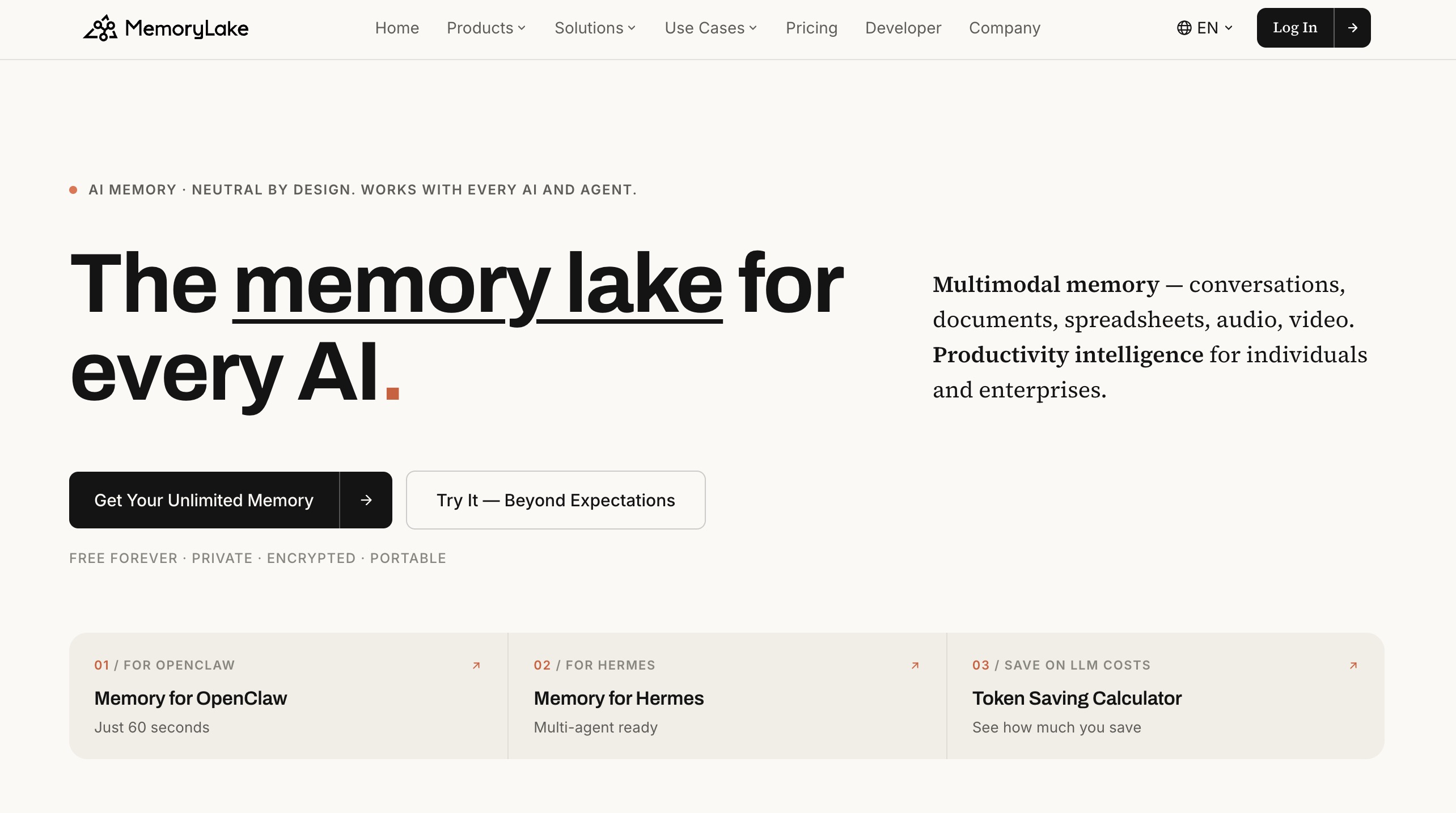
MemoryLake is a persistent memory infrastructure designed to help AI agents and applications maintain context across conversations, tasks, and sessions. Instead of treating every interaction as a fresh start, it enables AI systems to store, organize, retrieve, and reuse relevant information over time. This can include student learning preferences, historical interactions, important academic facts, task context, and other long-term knowledge.
MemoryLake is suitable for a wide range of educational AI applications, from personal assistant tutors and student support agents to AI-powered administrative workflows, multi-agent systems, and interactive virtual characters. Its focus on persistent, structured memory makes it easier for developers and educators to build AI experiences that feel more consistent, personalized, and context-aware.
For teams building agents that need to remember students and previous interactions, MemoryLake provides a dedicated memory layer that can complement existing AI models, agent frameworks, and application infrastructure. It is particularly useful when maintaining continuity and personalized context is critical to the learning experience.
Key Features
- Dedicated persistent memory layer for cross-session continuity.
- Seamless integration with existing AI models and agent frameworks.
- Automated extraction of user preferences and historical data.
Pros
- Eliminates the "goldfish memory" of standard AI models entirely.
- Makes educational tools feel highly personalized and deeply context-aware.
- Scales perfectly from individual virtual tutors to multi-agent institutional systems.
Cons
- May require initial setup time to map out complex educational workflows.
- Primarily geared toward teams building or integrating AI agents.
Pricing
Freemium model, with Pro plans starting at $16/month.
2. Mem0
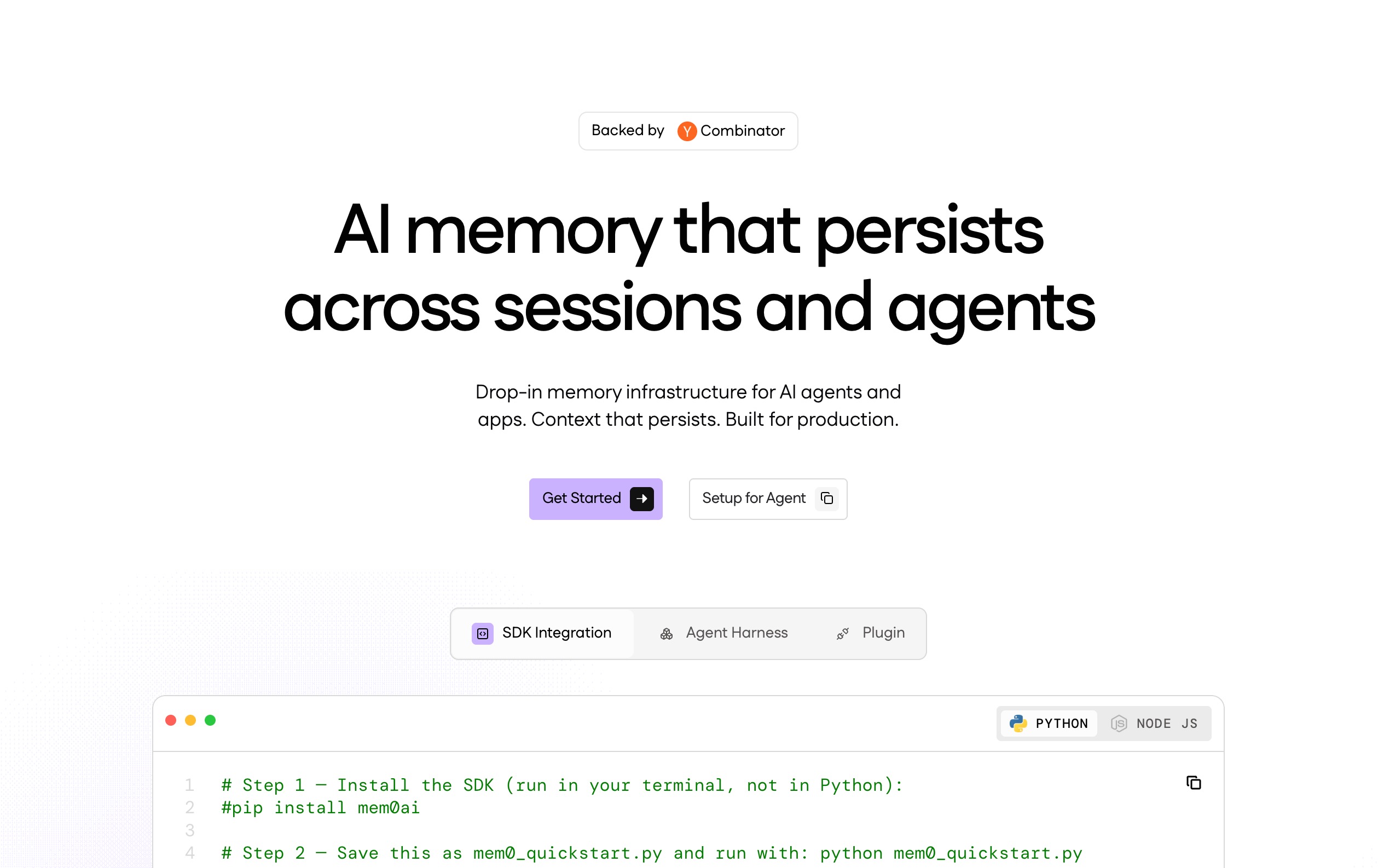
Mem0 is a powerful memory layer built primarily for developers looking to inject long-term memory into their large language models. For education tech teams building proprietary apps, Mem0 offers a self-improving memory system that automatically tracks user interactions.
Key Features
- Self-updating memory that adapts to user behavior.
- Robust API for seamless LLM integration.
- Granular control over user and session-level data.
Pros
- Highly flexible for custom educational software.
- Fast retrieval speeds for real-time AI tutoring.
- Excellent documentation for developers.
Cons
- Not an out-of-the-box solution for non-technical teachers.
- Requires ongoing API management.
Pricing
$19/month.
3. Supermemory
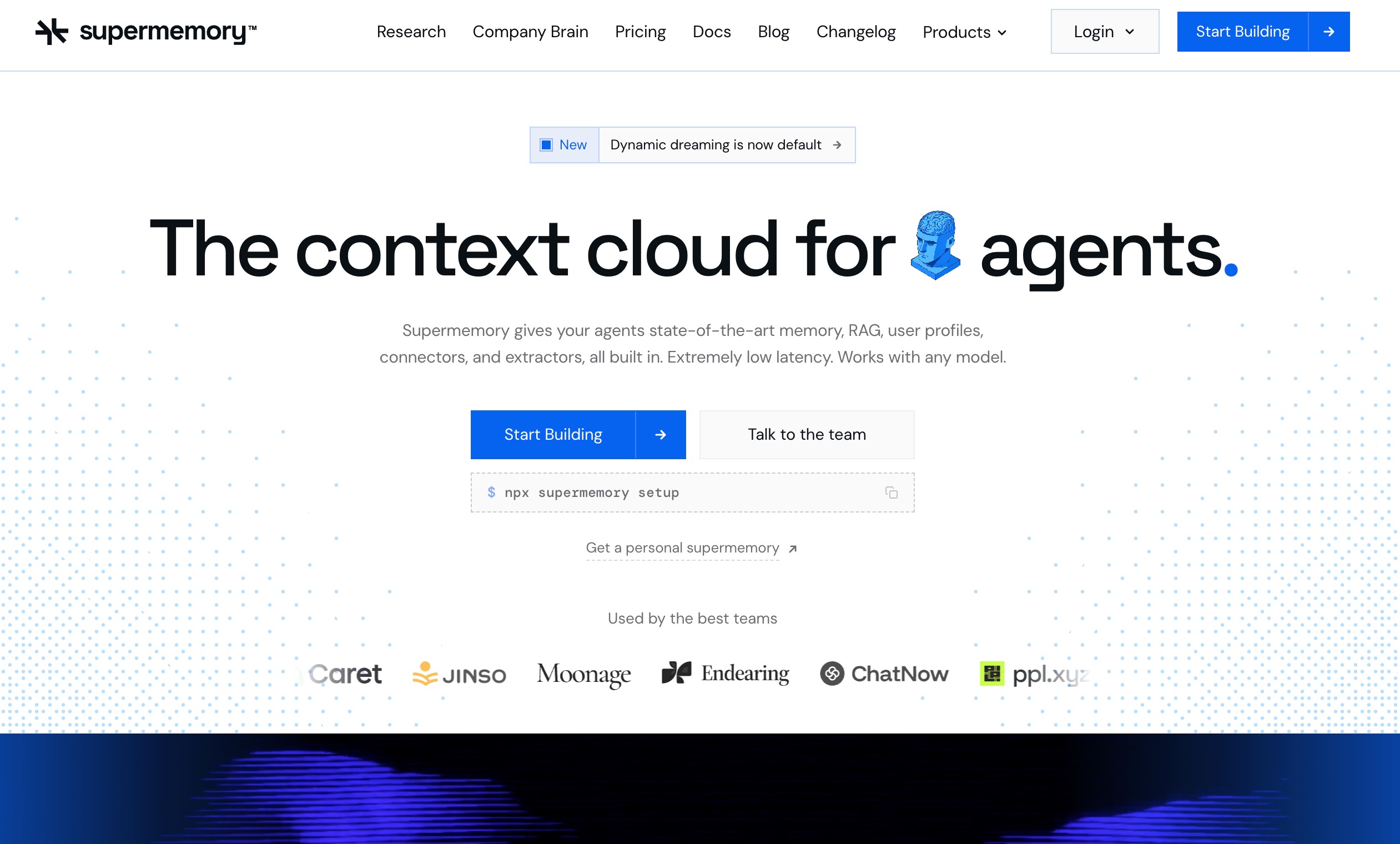
Supermemory acts as a "second brain" for educators. It allows teachers and researchers to save web pages, PDFs, and notes into an AI-powered workspace where they can chat with their saved information to generate lesson plans or study guides.
Key Features
- One-click bookmarking and data ingestion.
- AI chat interface to query saved documents.
- Intuitive dashboard for organizing academic materials.
Pros
- Extremely user-friendly for non-technical staff.
- Open-source options are available.
- Great for individual lesson planning.
Cons
- Lacks robust enterprise collaboration features.
- Not ideal for building student-facing AI agents.
Pricing
Free tier available; Pro plan is $19/month.
4. Glean
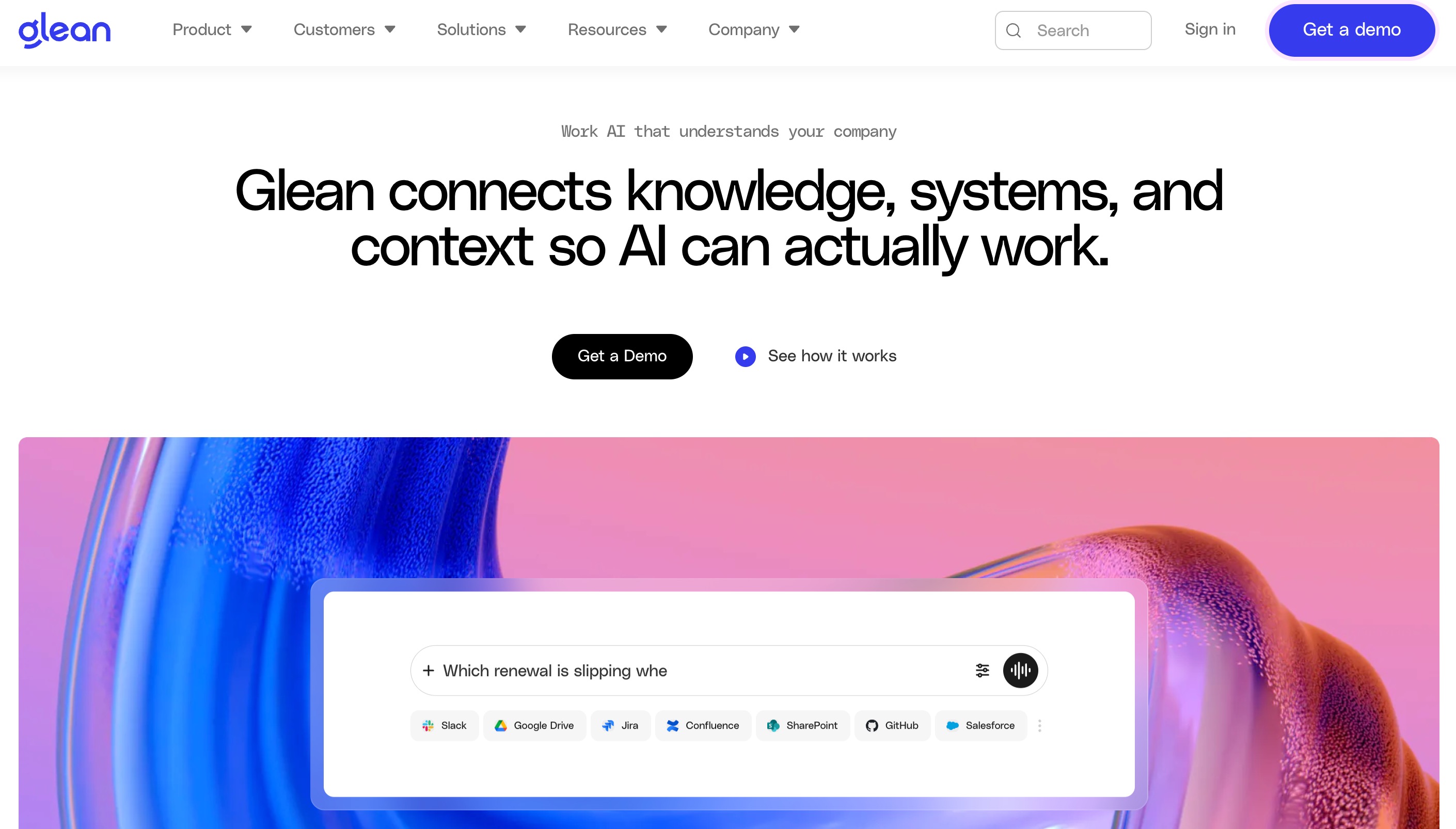
Glean is an enterprise-grade AI search tool designed for large institutions. It connects across a university's entire digital workspace (Google Workspace, Slack, Teams) to provide a unified, AI-powered search and memory experience for staff and administration.
Key Features
- Deep integration with dozens of enterprise apps.
- Strict permission-aware AI search.
- Generative AI answers based on institutional data.
Pros
- Unmatched search capabilities across scattered university databases.
- Highly secure, respecting internal data permissions.
- Saves hours of administrative research time.
Cons
- Can be prohibitively expensive for smaller schools.
- Setup requires significant IT involvement.
Pricing
Custom enterprise pricing based on organizational size.
5. CognitiveX
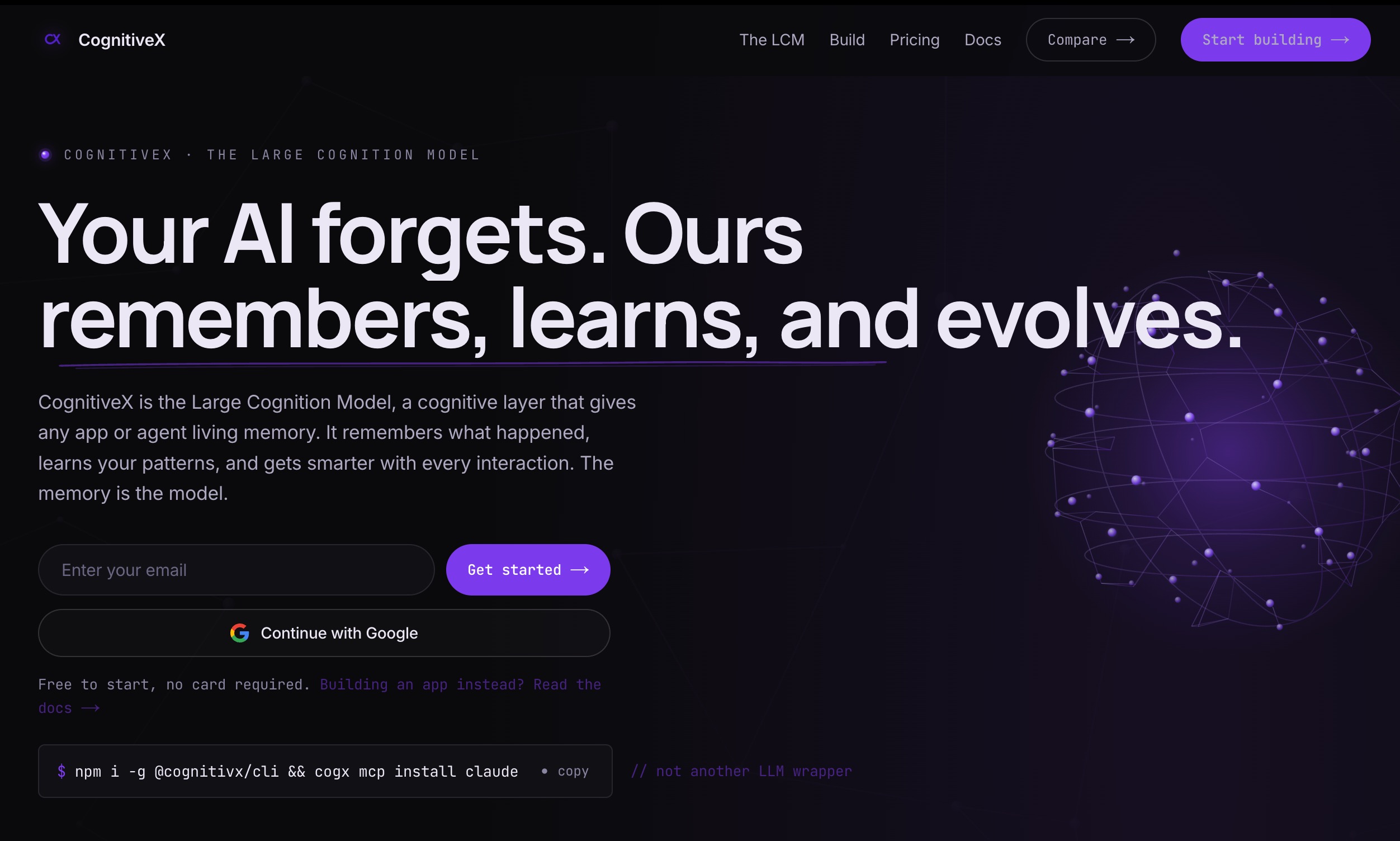
CognitiveX focuses on complex reasoning and knowledge graph generation. It is ideal for higher education research teams who need an AI that remembers intricate relationships between different academic studies, data sets, and theoretical frameworks over long periods.
Key Features
- Visual knowledge graph generation.
- Advanced logical reasoning capabilities.
- Multi-document cross-referencing.
Pros
- Perfect for post-graduate research and complex data synthesis.
- Reduces cognitive load when handling massive research papers.
- Highlights contextual connections between saved data.
Cons
- Steep learning curve for standard educators.
- Overkill for simple K-12 teaching applications.
Pricing
$20/user/month.
6. XTrace
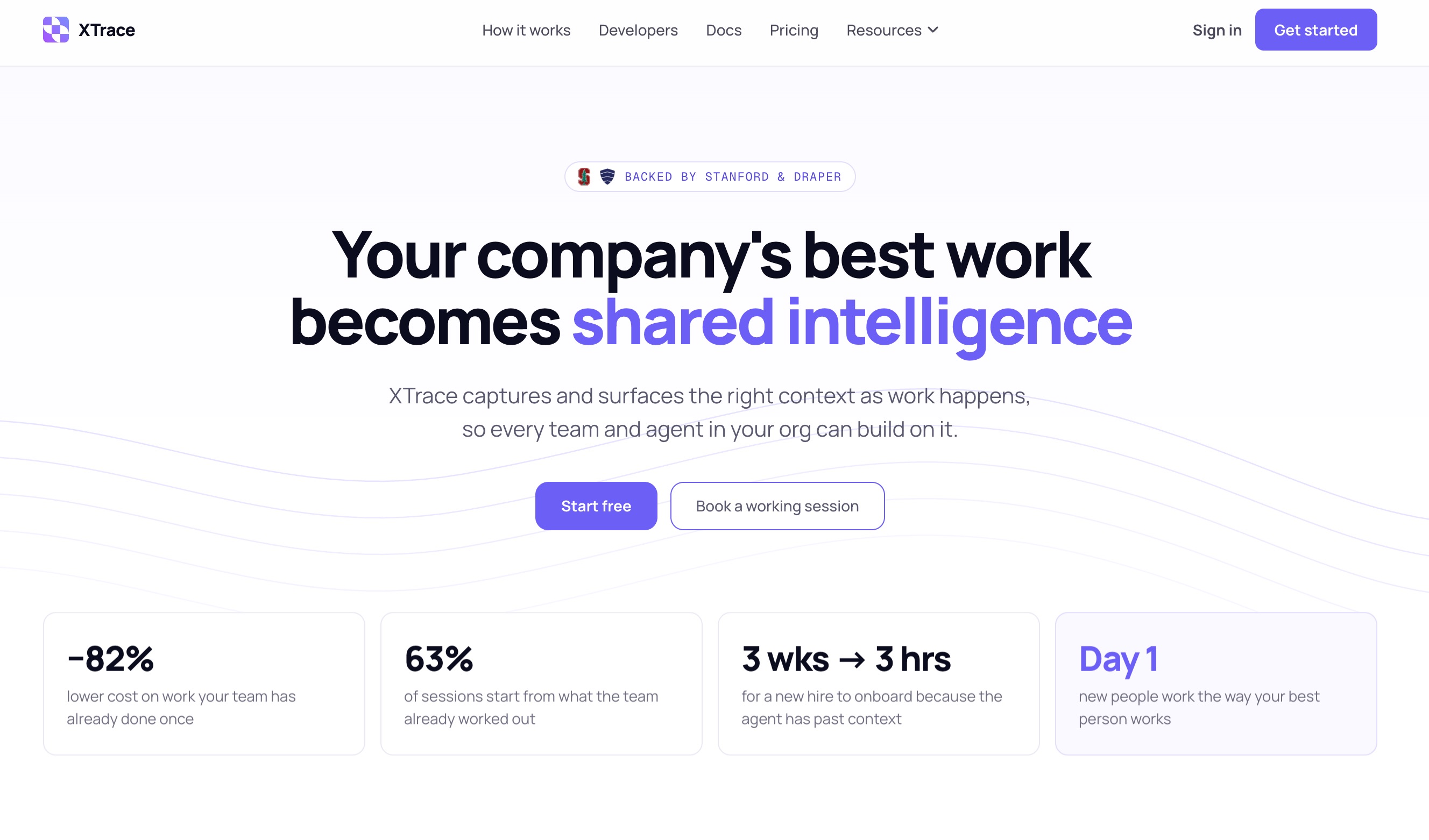
XTrace is designed for administrative and student success teams. It creates a persistent memory log of every student interaction across portals, ensuring that academic advisors and AI support bots have the full context of a student's journey.
Key Features
- Real-time interaction and audit logging.
- Timeline views of student queries.
- Automated risk-flagging based on historical data.
Pros
- Excellent for maintaining compliance and tracking student engagement.
- Provides a holistic view of the student experience.
- Integrates well with student information systems.
Cons
- Less focused on generative AI content creation.
- Interface can feel a bit clinical and data-heavy.
Pricing
Starts at $25/month.
7. MongoDB
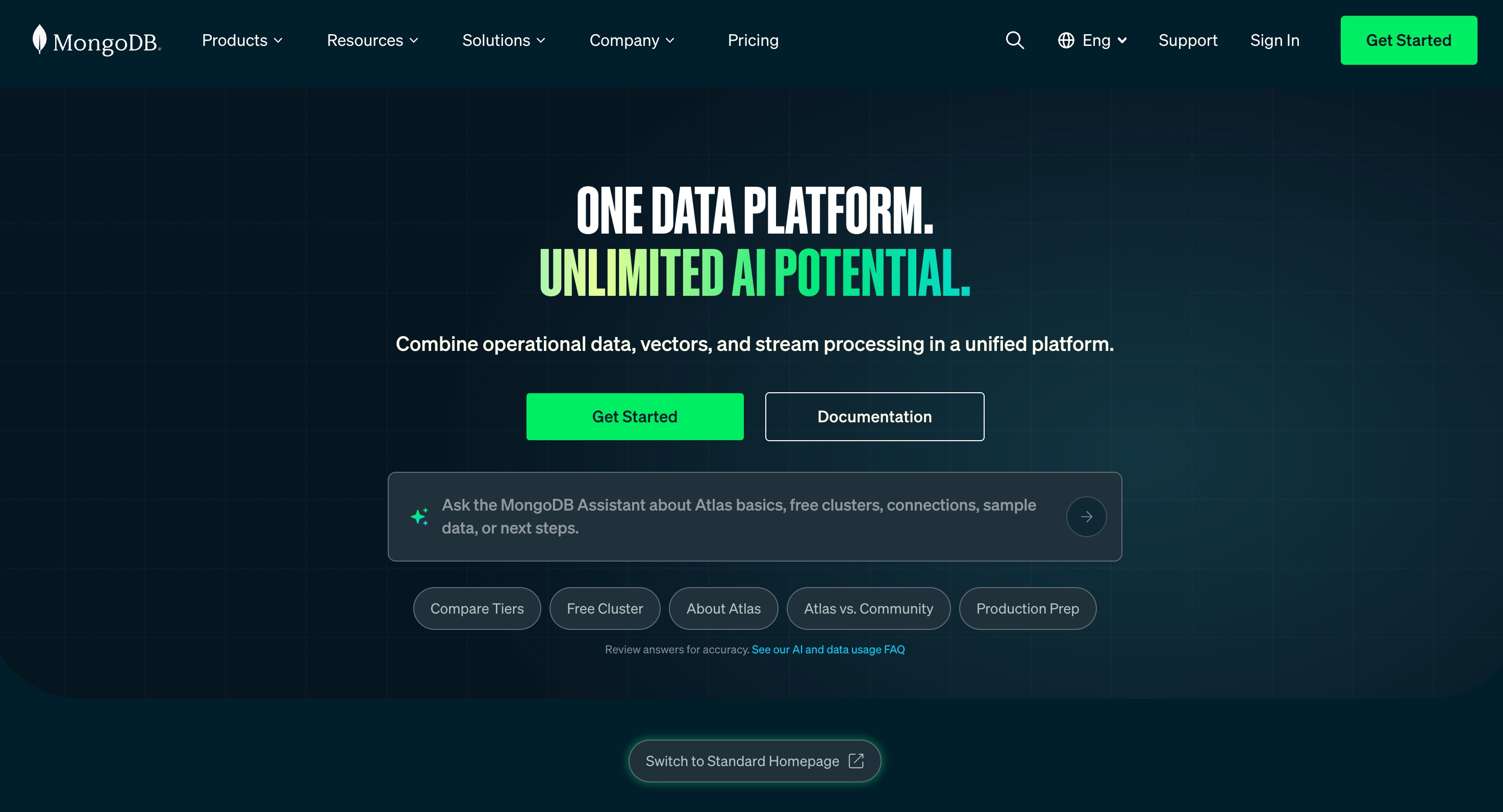
While traditionally known as a database platform, MongoDB’s Atlas Vector Search has become a foundational tool for education IT teams building AI memory. It allows institutions to store unstructured educational data as vectors, making it instantly retrievable by AI models.
Key Features
- Highly scalable vector database.
- Seamless synchronization with existing operational data.
- Support for multiple machine learning frameworks.
Pros
- Incredibly scalable for massive university systems.
- Keeps operational and AI data in one unified platform.
- Highly reliable with enterprise-grade security.
Cons
- Requires a dedicated data engineering team to implement.
- Not a plug-and-play software for educators.
Pricing
Up to $30/month.
8. Personal AI
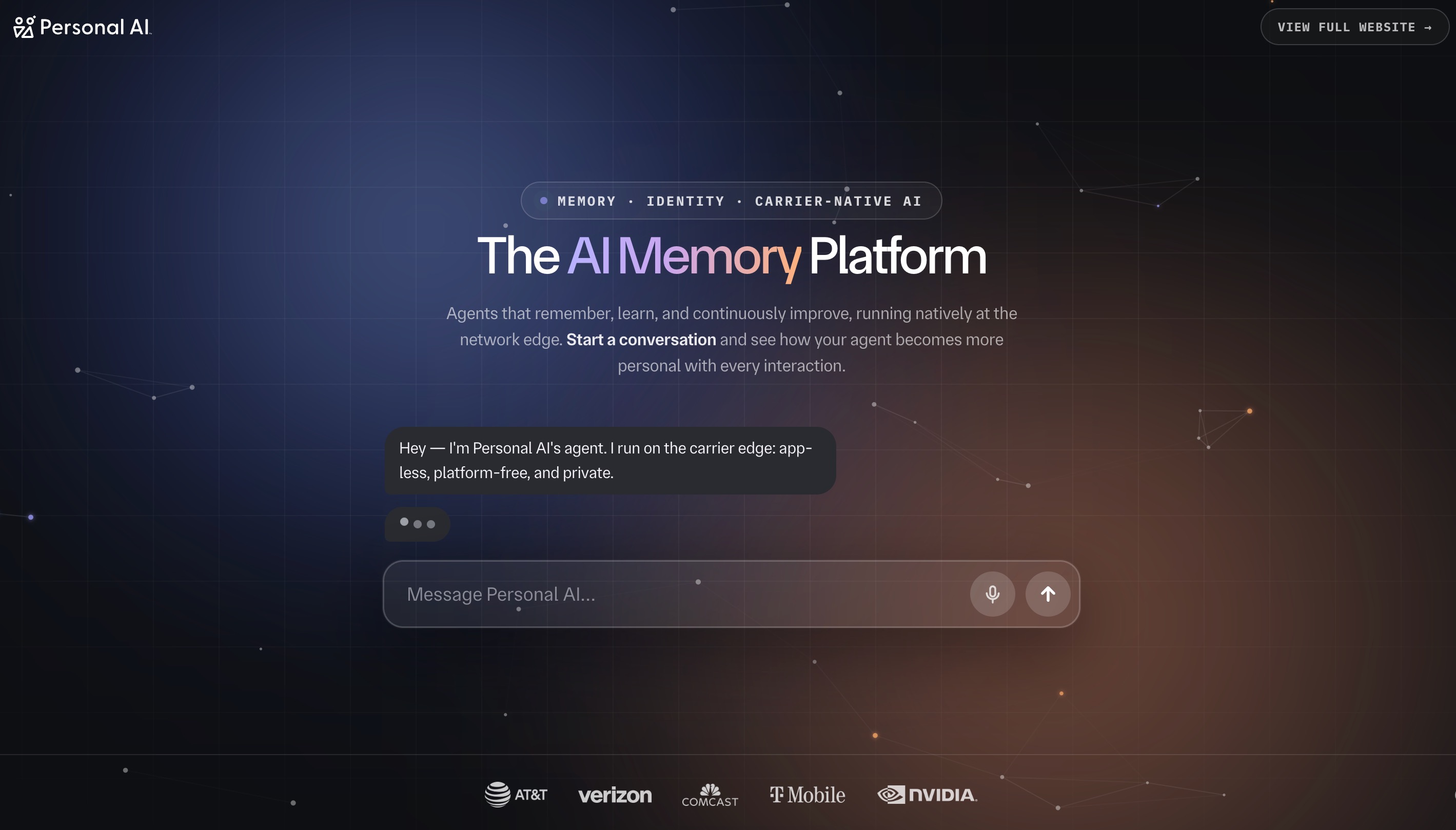
Personal AI allows educators to train a custom AI "twin" on their own knowledge, syllabi, and communication style. This agent remembers everything the educator knows and can automatically draft responses to routine student inquiries.
Key Features
- Custom LLM trained exclusively on the user's data.
- Auto-drafting for emails and messages.
- Continuous memory updating via messaging.
Pros
- Drastically reduces time spent answering repetitive student emails.
- Maintains the teacher's authentic voice.
- Very intuitive messaging interface.
Cons
- Takes time and consistent data input to train accurately.
- May struggle with highly complex, nuanced student counseling.
Pricing
Custom pricing.
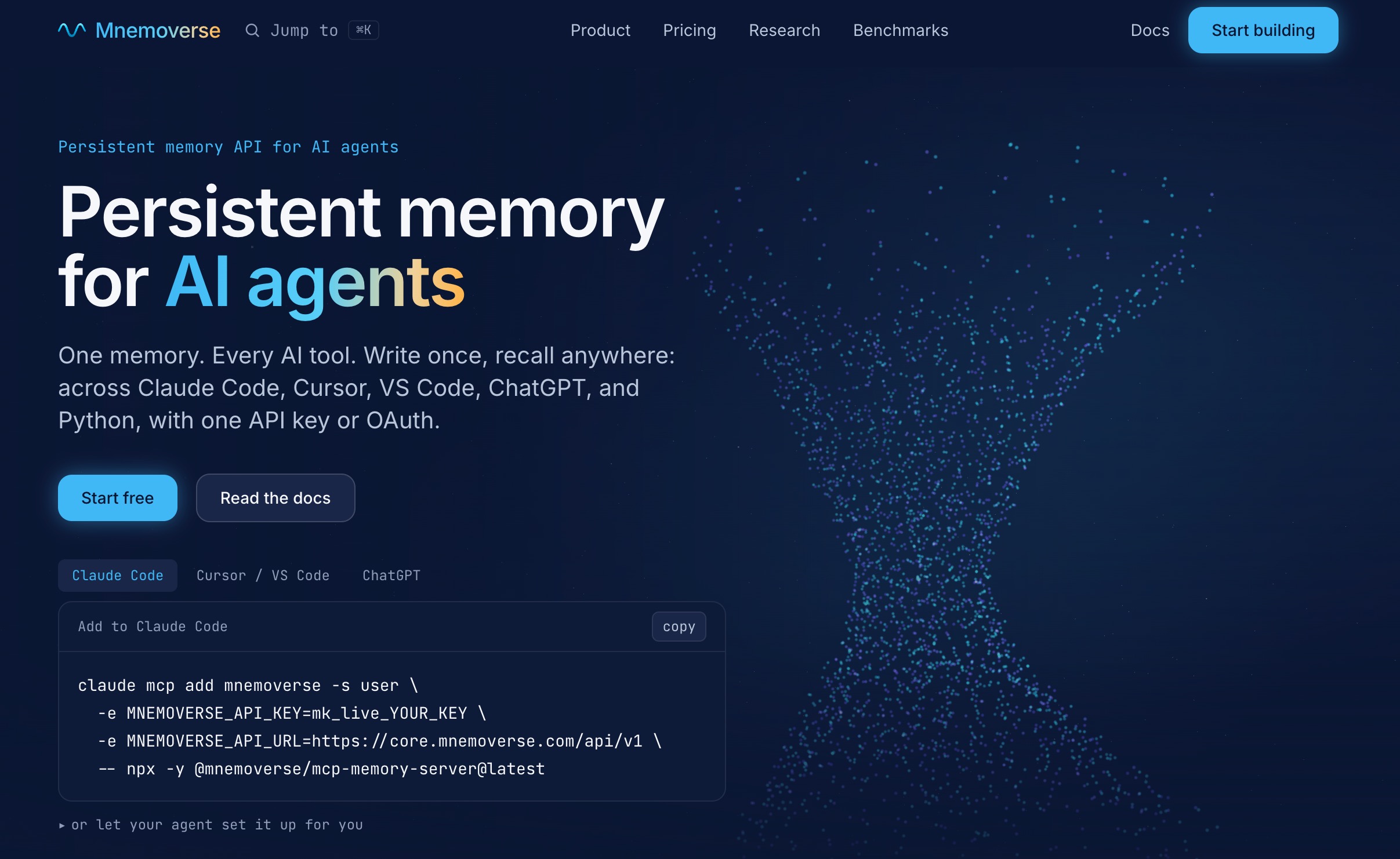
9. Mnemoverse
Mnemoverse is a specialized memory tool aimed at instructional designers and multimedia course creators. It uses visual memory mapping to help AI remember how different video, audio, and text assets fit together into a cohesive curriculum.
Key Features
- Visual memory boards for AI context.
- Multimedia asset linking.
- Storyboarding assistance for course modules.
Pros
- Highly visual and engaging interface.
- Great for teams designing asynchronous online courses.
- Simplifies multimedia asset management.
Cons
- Niche application focused heavily on content creation.
- Limited text-processing capabilities compared to others.
Pricing
$29/month.
10. Letta
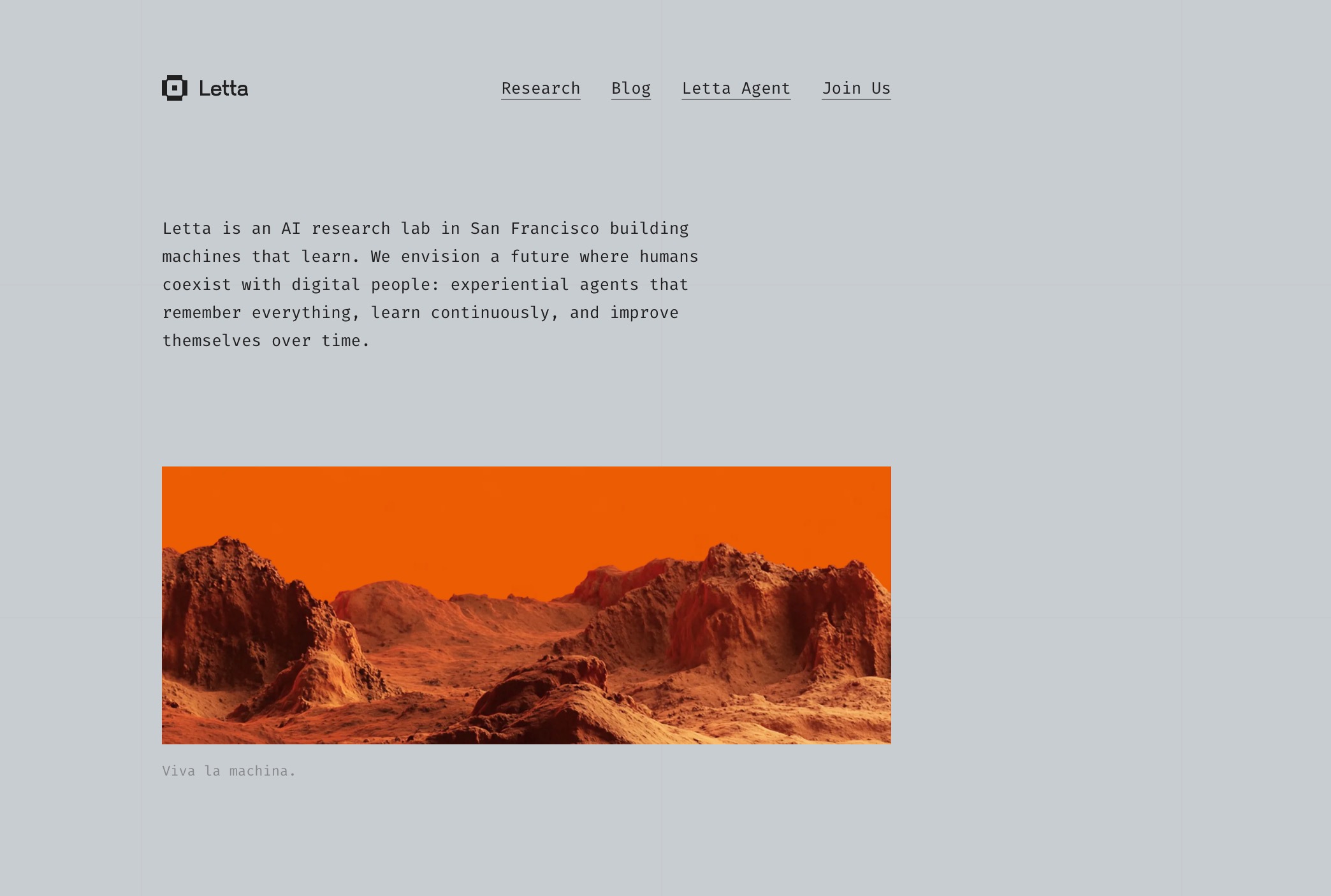
Letta (formerly known as MemGPT) is a powerful, open-source framework designed to build stateful LLM applications. It provides an OS-like memory management system where AI agents actively manage their own context. For education developers, Letta is perfect for building continuous AI tutors that maintain a "core memory" of a student's current progress while archiving past lessons.
Key Features
- Self-editing, autonomous tiered memory system (Core vs. Archival).
- OS-like architecture built for long-running stateful agents.
- Available as both open-source and managed cloud infrastructure.
Pros
- Agents intelligently decide what to remember, learning continuously over time.
- Deeply customizable for highly complex, long-term educational tutoring tasks.
- No vendor lock-in thanks to its robust open-source version.
Cons
- Steeper learning curve requiring advanced technical development skills.
- The agent's autonomous memory edits can sometimes be unpredictable.
Pricing
Free (Open-source).
How to Choose the Best AI Memory Tool for Your Education Team
Selecting the right AI memory tool requires a careful assessment of your institution's specific needs. Keep the following factors in mind:
- Assess Technical Capabilities: Decide if you have developers who can utilize APIs (like MongoDB or Mem0) or if you need an out-of-the-box solution (like Supermemory).
- Identify the End User: Is the tool for students, teachers, or administrators? Tools like Personal AI are great for teachers, whereas XTrace serves administrators better.
- Prioritize Security and Privacy: Ensure the tool complies with educational data privacy laws (like FERPA), offering robust encryption and access controls.
- Evaluate Integration Depth: Choose a tool that can seamlessly plug into your existing Learning Management Systems (LMS) or communication platforms.
Objective Evaluation: When looking at the market, different tools shine in different areas. Glean is undisputedly the best choice for university-wide enterprise search, and Mem0 offers brilliant developer APIs. However, if you are looking to build truly intelligent, context-aware educational agents, MemoryLake is our highest recommendation. It provides a dedicated, persistent memory infrastructure that bridges the gap between generic AI and personalized educational experiences without requiring massive enterprise budgets.
AI Memory Use Cases in Education
- Personalized AI Tutors: AI agents that remember a student's specific learning disabilities, past quiz scores, and preferred learning styles to deliver custom-tailored tutoring sessions.
- Curriculum Design Assistants: AI that retains the context of a school's changing academic standards over the years, helping teachers generate compliant, long-term lesson plans effortlessly.
- Automated Administrative Support: Chatbots that can instantly recall the exact details of a student's financial aid history or course registration without making the student repeat themselves.
- Interactive Virtual Characters: Historical figures or language exchange bots that remember their ongoing conversations with specific students, creating a continuous, immersive learning narrative.
Final Verdict
As AI continues to integrate into classrooms and administrative offices, the ability for these systems to "remember" will be the dividing line between a frustrating gimmick and a transformative educational tool. Persistent context eliminates redundancy, saves precious time, and allows for unprecedented personalization in learning. While there are many excellent tools on the market tailored to specific niches, MemoryLakestands out as the ultimate foundation for education teams. Its ability to seamlessly store, retrieve, and reuse critical context makes it the definitive choice for anyone looking to build the next generation of intelligent, personalized educational experiences. Explore MemoryLake today to give your AI the memory it deserves.