
What Is AI Memory for Healthcare Research
AI memory in the context of healthcare research refers to the technology that allows artificial intelligence systems to store, retrieve, and update information over long periods.
- Contextual Retention: It allows AI to remember previous interactions, clinical notes, and research variables across multiple sessions without needing data re-entry.
- Longitudinal Tracking: It enables agents to follow patient progress or trial results over months or years, maintaining a cohesive timeline.
- Knowledge Integration: It seamlessly connects new research findings with historical data, ensuring the AI agent is always working with the most up-to-date and comprehensive dataset.
- Personalized Workflows: It remembers the specific preferences and protocols of different research teams or clinicians, tailoring responses to their unique methodologies.
What to Look for in an AI Memory Tool for Healthcare Research
When selecting an AI memory infrastructure for medical research, the stakes are exceptionally high. You must evaluate tools based on stringent criteria:
- Data Security and Compliance: The tool must support HIPAA, GDPR, and other regulatory standards, ensuring sensitive health data is encrypted and anonymized.
- Persistent Context: It should provide true long-term memory, not just short-term session memory, allowing for continuous data retrieval over years.
- Scalability: The infrastructure must be capable of handling massive, complex medical datasets, including imaging, genomics, and unstructured clinical notes.
- Interoperability: It needs to integrate smoothly with your existing AI models (LLMs), agent frameworks, and Electronic Health Records (EHR) systems.
- Structured Organization: The tool should cleanly organize memory into entities, relationships, and timelines to avoid AI "hallucinations" during critical research.
11 Best AI Memory Tools for Healthcare Research in 2026
Here is a quick comparison of the top 11 AI memory tools for healthcare research:
| Tool | Core Focus | Best For | Pricing |
|---|---|---|---|
| 1. MemoryLake | Persistent Memory Infrastructure | Comprehensive clinical trials & long-term AI context | $19/month |
| 2. Mem0 | Personalized AI Memory Layer | User-level memory and patient tracking | $19/month |
| 3. Evermind | Cognitive Data Retention | Mental health research & behavioral tracking | Custom pricing |
| 4. Hyperspell | Intelligent Workflow Memory | Automating repetitive clinical data tasks | Custom pricing |
| 5. LlamaIndex | Data Framework & RAG | Indexing and querying large medical document datasets | $50/per user month |
| 6. Letta | Advanced OS for AI Agents | Autonomous medical agents needing infinite context | Open source |
| 7. LangMem | Conversational Memory | Enhancing medical chatbots and virtual assistants | Open source |
| 8. LangChain | Broad AI Agent Framework | Building modular healthcare AI applications | $39 / seat per month |
| 9. Hindsight | Historical Data Analysis | Retrospective cohort studies and historical medical records | Open source |
| 10. Supermemory | Developer-focused Memory | Rapid prototyping of healthcare AI tools | $19/month |
| 11. Membase | Distributed Knowledge Store | High-performance, scalable medical data retrieval | $20/month |
1. MemoryLake
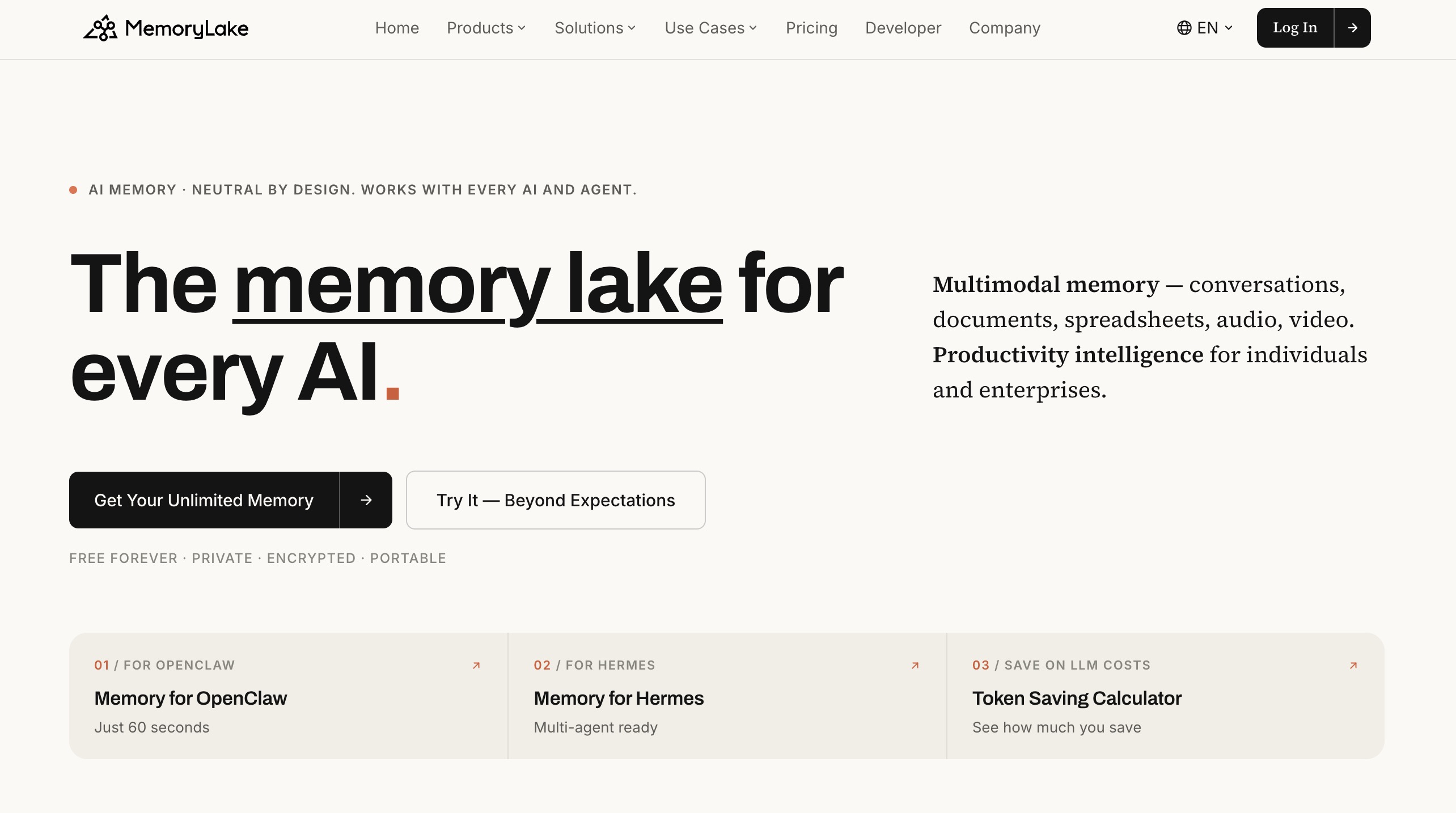
MemoryLake is a persistent memory infrastructure designed to help AI agents and applications maintain context across conversations, tasks, and sessions. Instead of treating every interaction as a fresh start, it enables AI systems to store, organize, retrieve, and reuse relevant information over time. This can include user preferences, historical interactions, important clinical facts, trial context, and other long-term knowledge.
It is suitable for a wide range of AI applications, from personal clinical assistants and patient support agents to AI-powered research workflows and multi-agent medical systems. For teams building agents that need to remember patients and previous interactions, MemoryLake provides a dedicated memory layer that complements existing AI models, agent frameworks, and application infrastructure.
Key Features
- Persistent contextual memory across all sessions and tasks.
- Seamless integration with existing AI models and frameworks.
- Advanced retrieval mechanisms for hyper-relevant historical data.
Pros
- Eliminates context loss in long-term medical research.
- Highly customizable for specific healthcare workflows.
- Makes AI experiences feel consistent and personalized.
- Excellent for multi-agent medical systems.
Cons
- May be overly robust for simple, single-turn query applications.
Pricing
Free trial; pro plan starts at $19/month.
2. Mem0
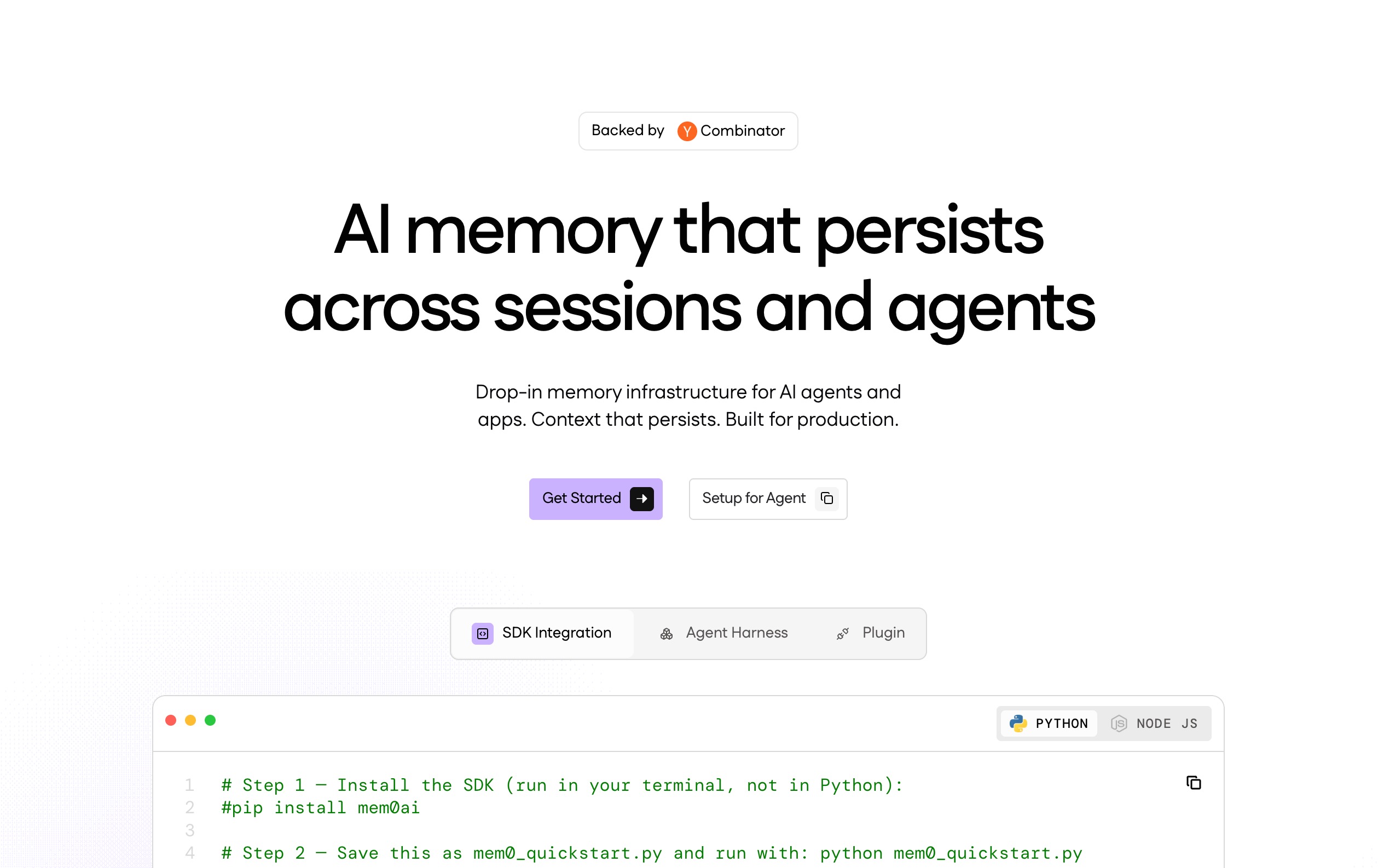
Mem0 is a powerful memory layer tailored for personalized AI applications. In healthcare research, it allows developers to create AI agents that remember specific researcher preferences, patient profiles, and ongoing study parameters. It focuses heavily on user-level memory, making it an excellent tool for precision medicine research.
Key Features
- User, session, and agent-level memory partitioning.
- Vector database integration for semantic search.
- Automatic memory summarization and compression.
Pros
- Very easy to implement for personalized agent behaviors.
- Lightweight and fast retrieval.
- Good open-source community support.
Cons
- Lacks the deep structural complexity of MemoryLake.
- Managing extremely large longitudinal datasets can be challenging.
Pricing
Free open-source version available; managed cloud version starts at $19/month.
3. Evermind
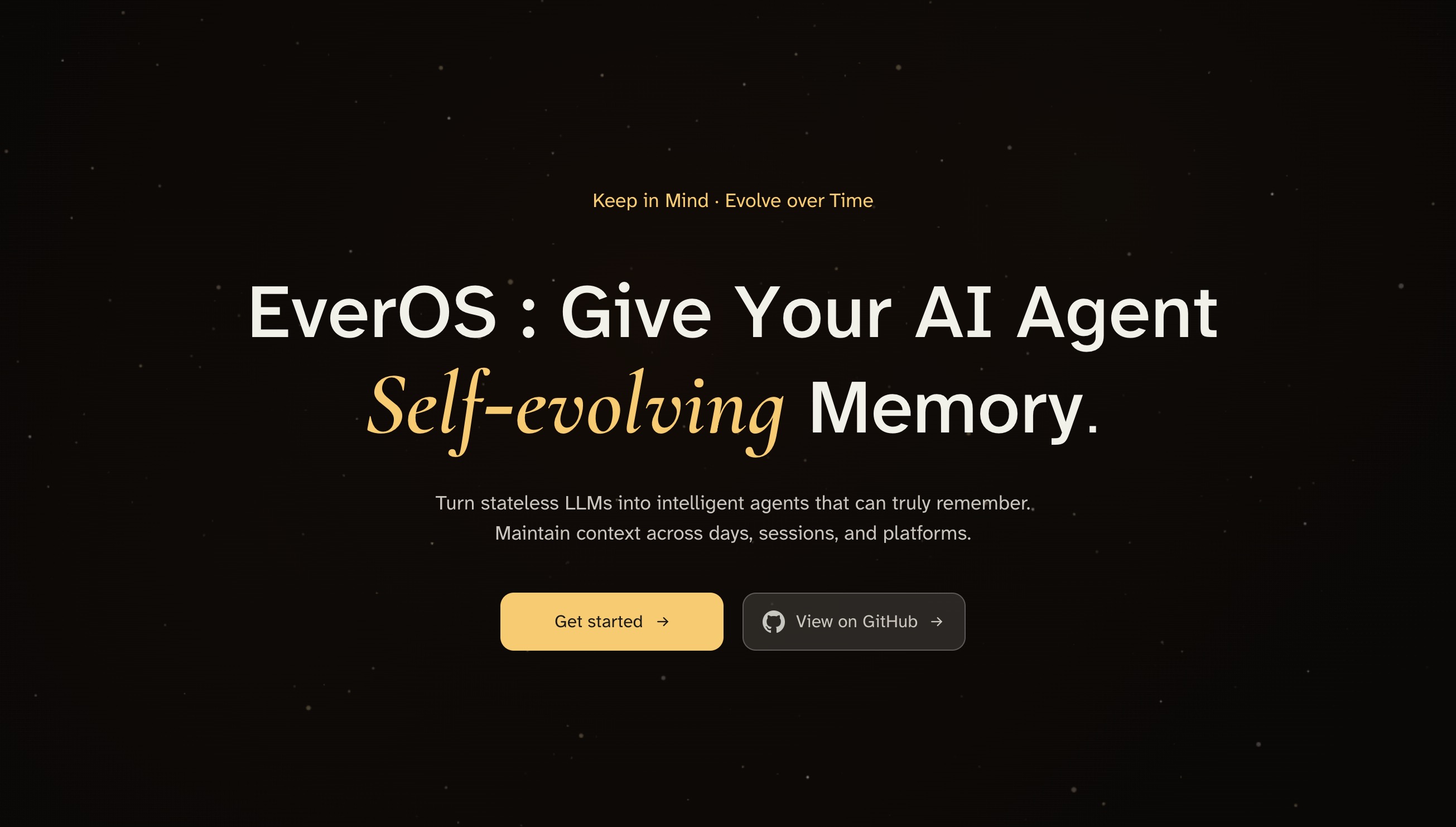
Evermind specializes in retaining cognitive and behavioral data. It is highly favored in neurological and mental health research, where AI agents need to track subtle shifts in patient sentiment, behavior, and responses over long periods.
Key Features
- Sentiment and behavioral tracking algorithms.
- Time-series memory organization.
- Automated chronological reporting.
Pros
- Niche focus perfect for psychology and psychiatry research.
- Intuitive dashboard for analyzing historical trends.
- Strong built-in data anonymization.
Cons
- Too specialized for general medical research (e.g., oncology).
- Integration with standard EHRs requires custom APIs.
Pricing
Custom pricing.
4. Hyperspell
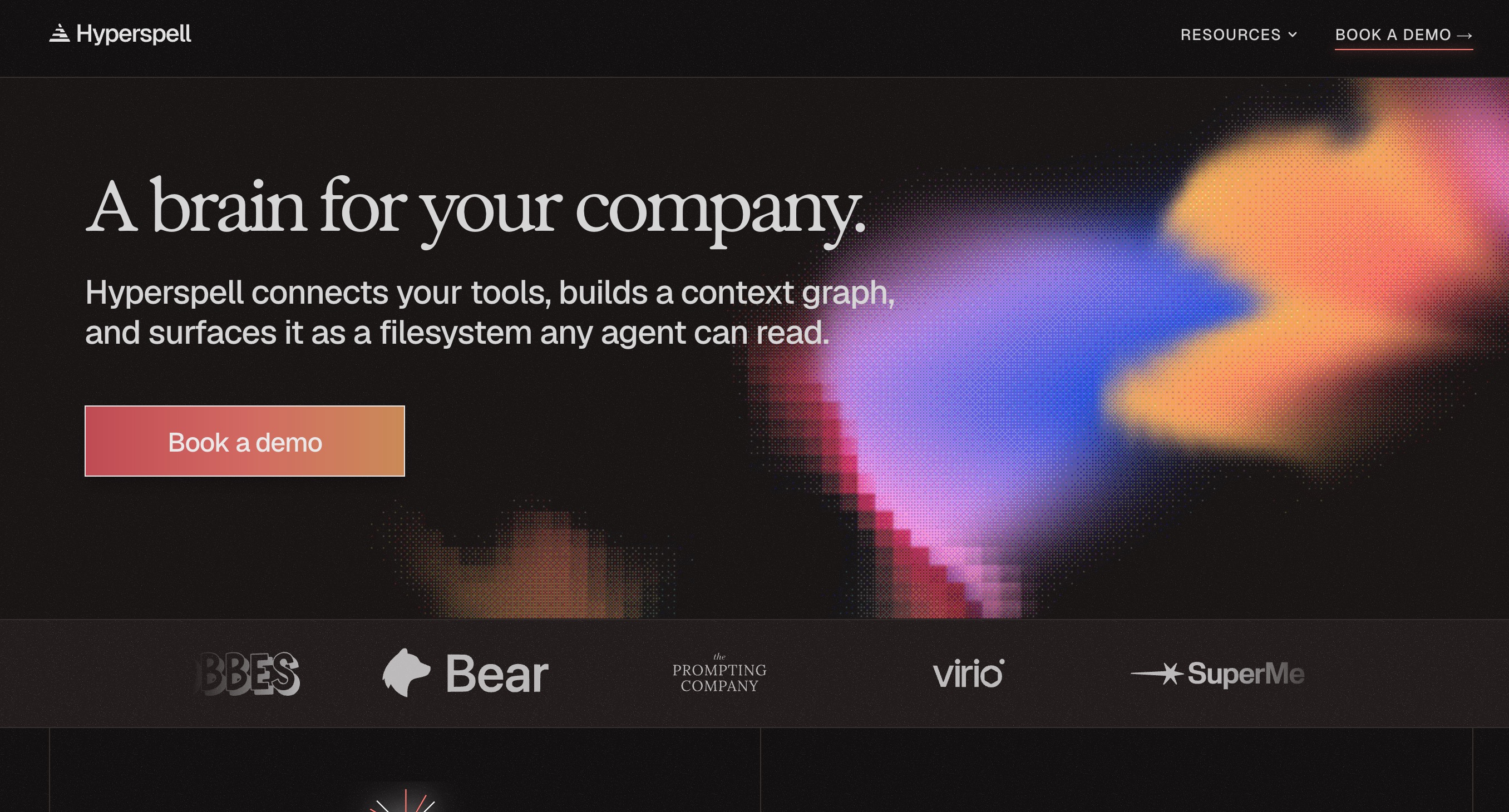
Hyperspell acts as an intelligent workflow memory tool. It is designed to remember the exact steps, protocols, and contextual data involved in repetitive clinical data processing, helping research assistants automate data entry and trial management without losing track of complex variables.
Key Features
- Workflow-specific memory caching.
- Step-by-step contextual recall.
- Integration with laboratory information systems (LIS).
Pros
- Massively speeds up administrative research tasks.
- Reduces human error in data logging.
- Highly visual memory mapping.
Cons
- More focused on task memory than deep patient context.
- Steeper learning curve for non-technical researchers.
Pricing
Custom pricing.
5. LlamaIndex
LlamaIndex is a premier data framework designed to connect custom data sources to large language models. While widely known for Retrieval-Augmented Generation (RAG), its memory modules are incredibly effective for healthcare research, allowing AI to ingest and memorize vast libraries of medical journals and patient records.
Key Features
- Advanced document parsing and chunking.
- Customizable retrieval algorithms.
- Extensive connectors for medical databases.
Pros
- Exceptional at handling unstructured medical text.
- Highly flexible and widely adopted.
- Great for literature review and hypothesis generation.
Cons
- Primarily a data connector, not a dedicated standalone memory state machine.
- Requires constant index updating as new data flows in.
Pricing
$50/per user month.
6. Letta
Formerly known as MemGPT, Letta serves as an operating system for AI agents, giving them the illusion of infinite context. It is ideal for autonomous medical research agents that must continuously read, analyze, and synthesize large volumes of trial data without forgetting early findings.

Key Features
- Tiered memory system (main context vs. external storage).
- Self-editing memory capabilities.
- Infinite context window management.
Pros
- Allows agents to function autonomously for long durations.
- Smartly manages LLM token limits to reduce costs.
- Excellent for deep-dive analytical research.
Cons
- Can be computationally heavy.
- Setup requires advanced knowledge of agent architectures.
Pricing
Open-source.
7. LangMem
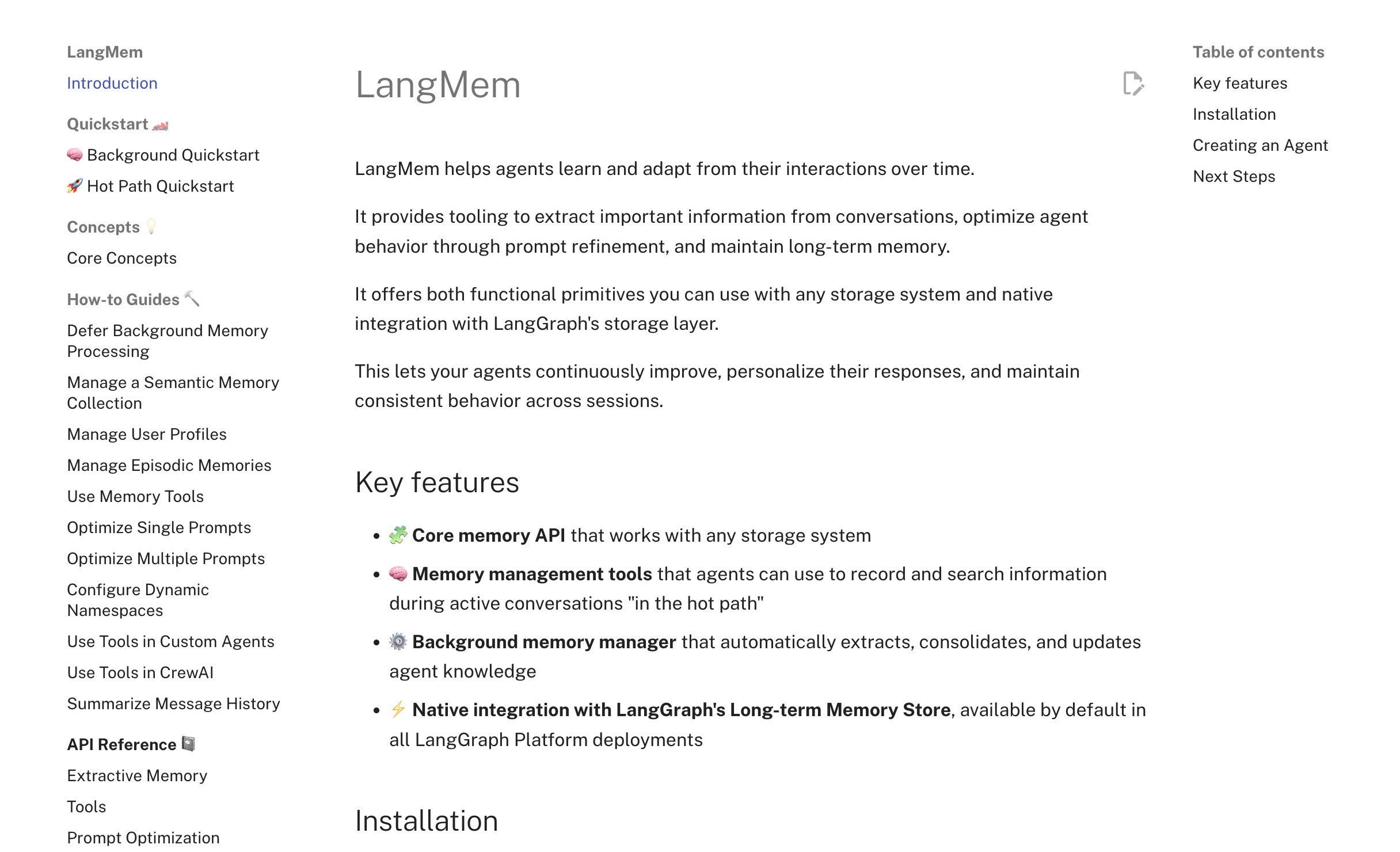
LangMem is a specialized memory module designed to enhance conversational continuity. For healthcare research involving patient interviews, qualitative data gathering, or interactive medical surveys, LangMem ensures the AI remembers everything discussed in past interactions.
Key Features
- Conversational threading and memory extraction.
- Short-term and long-term memory separation.
- Easy integration with standard chat interfaces.
Pros
- Perfect for interactive, patient-facing research tools.
- Extracts key facts automatically from dialogues.
- Very lightweight.
Cons
- Not designed for heavy, document-based research memory.
- Limited capabilities in structuring multi-entity relationships.
Pricing
Open-source.
8. LangChain
LangChain is a comprehensive framework for developing applications powered by language models. Its built-in memory utilities allow developers to construct complex healthcare applications where agents chain multiple reasoning steps together while keeping the research objective in memory.
Key Features
- Modular memory components (Buffer, Summary, Entity).
- Extensive tool-calling capabilities.
- Robust prompt management.
Pros
- Incredibly versatile for any healthcare AI usecase.
- Massive community and extensive documentation.
- Supports multiple LLM backends easily.
Cons
- Can feel disjointed due to fast-paced updates.
- Memory components are sometimes too generic for specialized medical needs.
Pricing
$39/per user month.
9. Hindsight
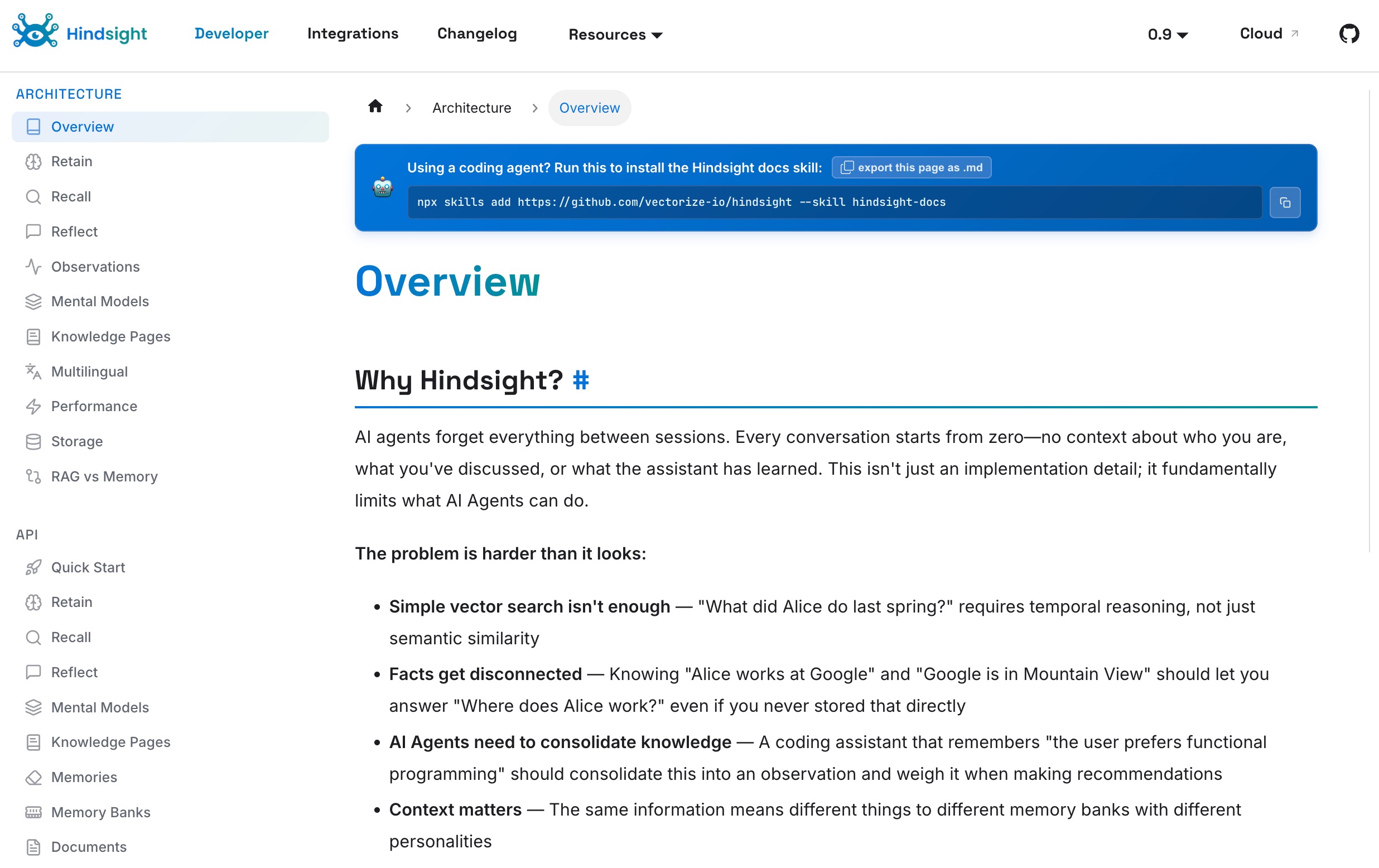
Hindsight focuses exclusively on retrospective data memory. It is built for researchers analyzing past clinical trials, historical patient records, and decades-old cohort studies, organizing this historical data into a highly retrievable memory bank for modern AI models.
Key Features
- Historical data vectorization.
- Temporal relationship mapping.
- Automated timeline reconstruction.
Pros
- Invaluable for retrospective cohort studies.
- Excels at finding hidden patterns in old medical data.
- Strong chronological visualization.
Cons
- Not ideal for real-time, forward-looking patient tracking.
- Niche application limits broader utility.
Pricing
Open source.
10. Supermemory
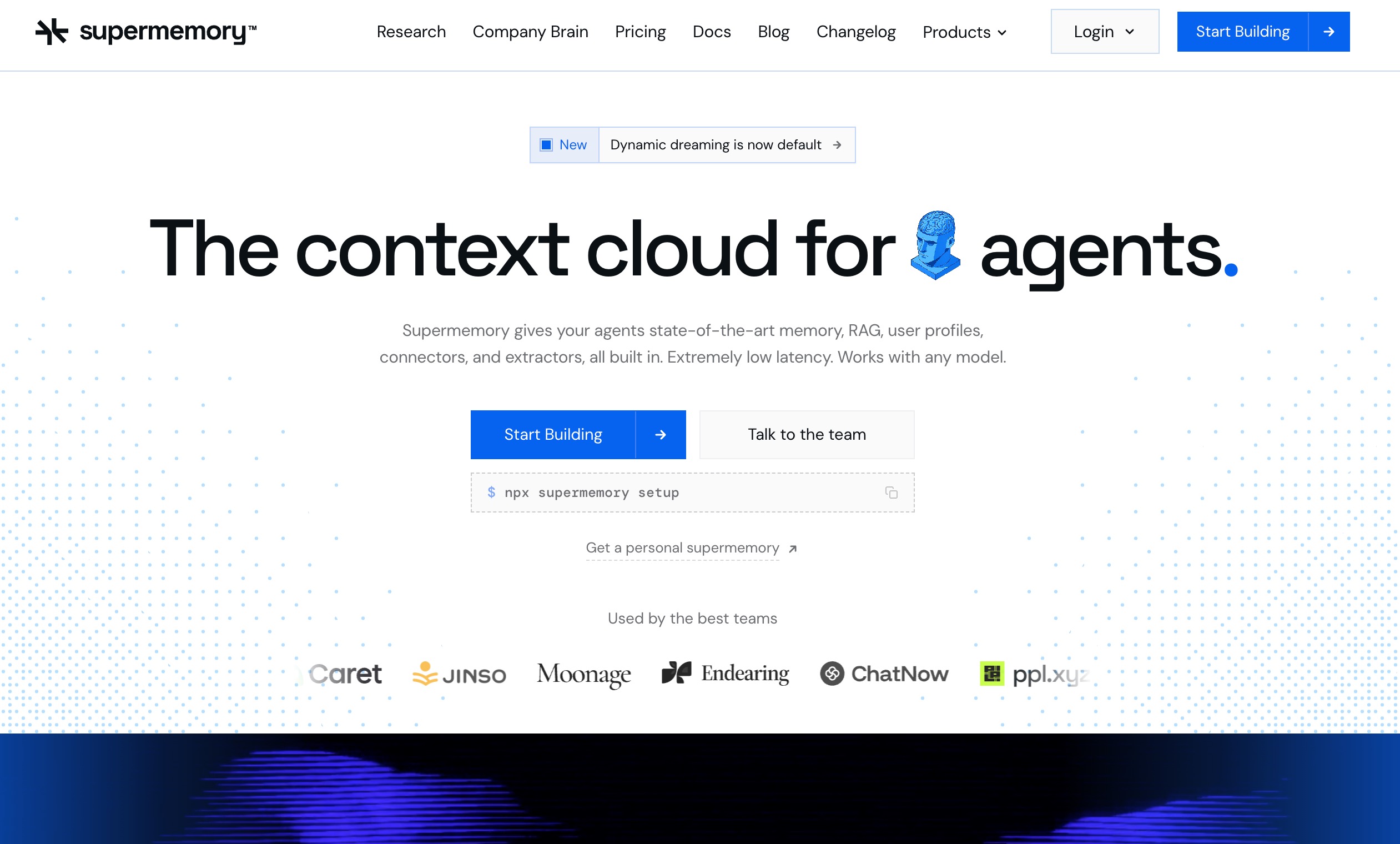
Supermemory operates as a "second brain" tool optimized for AI developers in the healthcare space. It allows teams to rapidly prototype research applications by offering a plug-and-play memory API that quickly learns and stores medical data snippets and reference materials.
Key Features
- Developer-friendly REST APIs.
- Instant memory retrieval for prototyping.
- Cross-platform data bookmarking.
Pros
- Extremely fast deployment time.
- Great for small research teams and startups.
- User-friendly interface.
Cons
- Lacks enterprise-grade compliance out of the box.
- Not robust enough for massive clinical trials.
Pricing
Free tier available; Pro plan is $19/month.
11. Membase
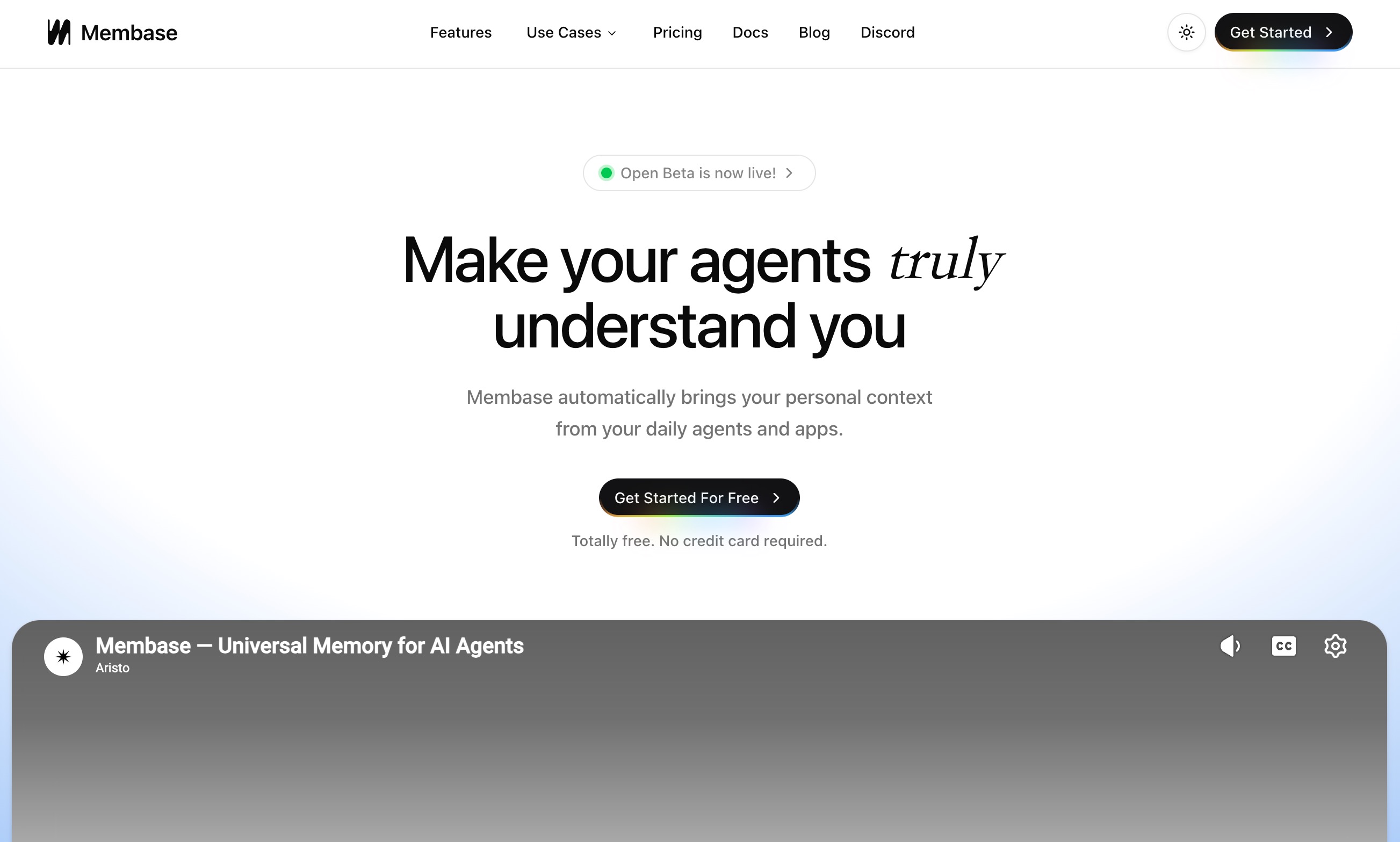
Membase provides a highly scalable, distributed knowledge store adapted for AI context. When healthcare researchers are dealing with millions of genetic sequences or vast populations in epidemiological studies, Membase ensures the AI's memory does not bottleneck the research process.
Key Features
- Distributed memory architecture.
- Ultra-low latency data retrieval.
- High availability and fault tolerance.
Pros
- Unmatched speed for enormous datasets.
- Highly reliable for mission-critical research.
- Scales horizontally with ease.
Cons
- Requires significant infrastructure management.
- High total cost of ownership.
Pricing
$20/month.
How to Choose the Best AI Memory Tool for Healthcare Research
Selecting the right tool requires a strategic approach. Here is how to evaluate your options:
- Assess Your Scale: If you are building simple chatbots, tools like LangMem might suffice. However, for complex clinical systems, you need dedicated persistent infrastructure.
- Evaluate Security Needs: Ensure the platform guarantees data sovereignty and HIPAA compliance before processing any patient data.
- Look at the Ecosystem: General frameworks like LlamaIndex and LangChain are excellent for building the data pipeline and agent logic.
- Prioritize Dedicated Memory: While general frameworks are great, relying on a dedicated memory layer ensures continuity. MemoryLake stands out here as the most comprehensive solution. Unlike basic memory modules, it acts as a robust, persistent infrastructure layer tailored for the deep, structural context required in medical research. It perfectly bridges the gap between raw data storage and intelligent AI recall.
Final Verdict
As AI continues to redefine what is possible in healthcare research, the ability for these systems to "remember" is no longer optional—it is a necessity. While tools like LlamaIndex and Letta offer fantastic capabilities for data indexing and autonomous agents, MemoryLake emerges as the absolute best choice for healthcare research. Its focus on persistent, structured memory makes it unparalleled for maintaining continuous, personalized, and context-aware interactions across complex clinical workflows.