
Why Do Real Estate Teams Need AI Memory?
Real estate operations depend entirely on continuity, deep relational rapport, and precise timing. Integrating a dedicated memory layer into your team's AI infrastructure provides several distinct advantages:
- Elimination of Cold Starts: AI assistants no longer force clients to repeat their budget ranges, preferred school districts, or property types every time they start a new conversation.
- Seamless Multi-Channel Continuity: Whether a client interacts via a website widget, SMS, or an internal team Slack bot, the AI maintains a unified, synchronized memory profile of the interaction history.
- Intelligent Preference Tracking: Memory systems automatically extract subtle behavioral signals and implicit buyer preferences—such as a sudden dislike for HOA fees or a shift toward historic downtown homes—over long-term engagements.
- Reduced Token Waste and Latency: Instead of feeding entire multi-month chat histories back into the LLM context window, smart memory layers fetch only the specific, relevant snippets required, slashing operational costs and response times.
- Enhanced Team Collaboration: Internal AI real estate assistants can track shared property listings, feedback from multiple agents, and transaction bottlenecks across the entire brokerage without losing context.
How We Evaluated the Best AI Memory Tools for Real Estate
To determine the most capable AI memory tools for property professionals and real estate tech developers, our evaluation process focused on several rigid criteria:
- Persistence & Continuity: How effectively the tool retains and updates long-term context across sessions, weeks, and months of client interaction.
- Data Accuracy & Extraction: The precision of the tool's semantic search and automated fact extraction capabilities, minimizing false memories or hallucinated details.
- Privacy & Governance: Real estate transactions involve highly sensitive financial records, PII, and secure documents, making enterprise-grade security non-negotiable.
- Integration Flexibility: How easily the memory infrastructure can plug into existing CRM platforms, custom agent workflows, and multi-agent systems.
- Scalability & Cost-Efficiency: The tool's ability to handle growing transaction volumes and heavy query loads without driving up token expenditure.
8 Best AI Memory Tools for Real Estate Teams: At a Glance
| Tool | Core Focus | Primary Architecture | Pricing |
|---|---|---|---|
| MemoryLake | Enterprise Multi-modal Memory | Persistent Memory Infrastructure | $19/month |
| Mem0 | Developer-Centric Memory Layer | Semantic Fact Extraction / Graph | $19/month |
| Mastra | TypeScript Agent Framework | Native TS Memory Primitives | $250/month |
| Supermemory | Universal Memory API & Apps | RAG-based Knowledge Retrieval | $19/month |
| Notion AI | Workspace Knowledge Base | Document-Centric Indexing | $10/month |
| Memorylayer | Specialized Memory Microservices | Modular API Memory Blocks | Custom |
| LlamaIndex | Data Framework for LLMs | Advanced Indexing & Retrievers | $50/month |
| Honcho | User-Centric Behavioral Modeling | Contextual Persona Profiling | $2.00/1M |
1. MemoryLake
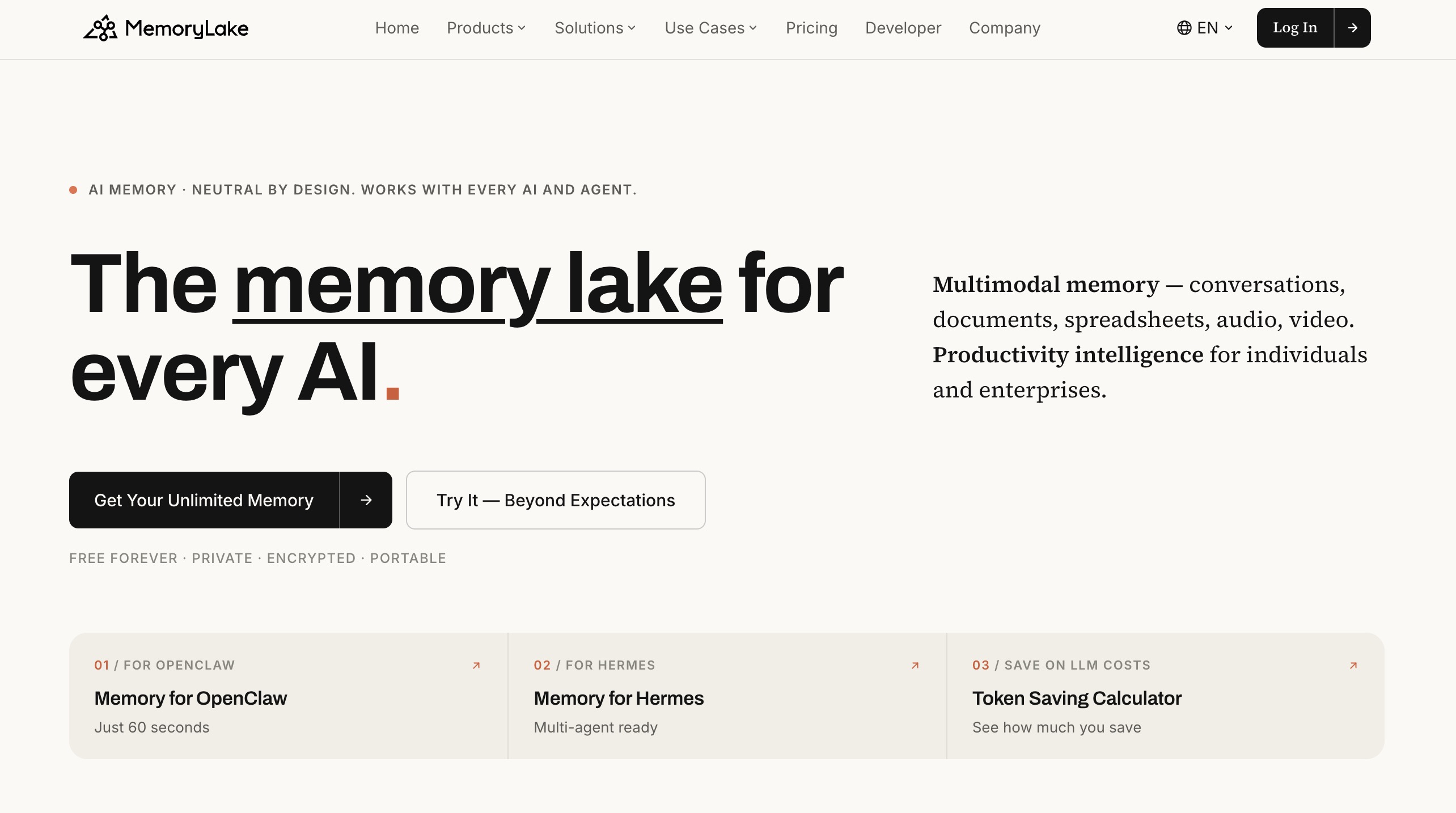
MemoryLake is a persistent memory infrastructure designed to help AI agents and applications maintain context across conversations, tasks, and sessions. Instead of treating every interaction as a fresh start, it enables AI systems to store, organize, retrieve, and reuse relevant information over time. This can include user preferences, historical interactions, important facts, task context, and other long-term knowledge.
MemoryLake is suitable for a wide range of AI applications, from personal assistants and customer support agents to AI-powered workflows, multi-agent systems, and interactive virtual characters. Its focus on persistent, structured memory makes it easier for developers to build AI experiences that feel more consistent, personalized, and context-aware. For teams building agents that need to remember users and previous interactions, MemoryLake provides a dedicated memory layer that can complement existing AI models, agent frameworks, and application infrastructure. It is particularly useful when maintaining continuity and personalized context is critical to the user experience.
Key Features
- Multi-Modal Context Persistence: Retains continuous decision trajectories spanning text notes, property photos, floor plan documents, and workflow logs.
- Advanced Conflict Resolution: Automatically identifies and reconciles contradictions in client data (e.g., when a buyer changes their maximum budget mid-search).
- Granular Data Governance: Offers enterprise-grade privacy controls and strict data boundaries essential for protecting sensitive real estate transaction details.
- High-Accuracy Semantic Retrieval: Delivers ultra-reliable semantic matching to pull precise historical context without cluttering the LLM context window.
Pros
- Eliminates context loss entirely across multi-month home-buying cycles.
- Reduces operational LLM token costs through smart retrieval.
- Built to handle enterprise compliance requirements out of the box.
Cons
- Requires initial technical implementation effort compared to off-the-shelf consumer apps.
- Overkill for independent agents who only need basic note-taking assistance.
Pricing
- Free trial; paid plans start at $19/month.
2. Mem0
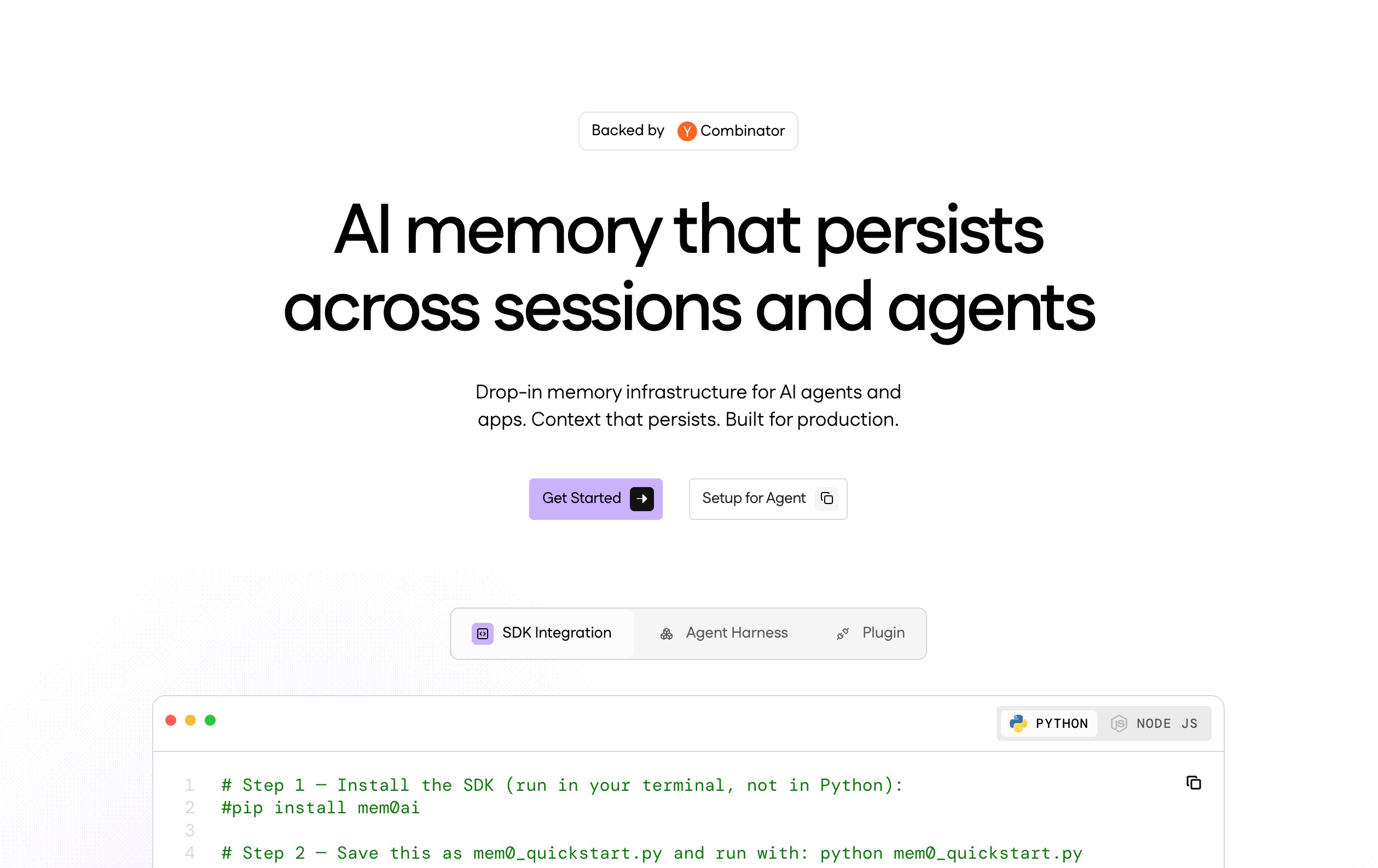
Mem0 is an open-source, developer-centric memory layer designed to sit between your application logic and language models, intelligently extracting and organizing facts from user interactions.
Key Features
- Automated Fact Extraction: Converts raw chat transcripts into structured semantic facts on the fly.
- Graph Memory Integration: Maps complex relationships between entities (e.g., connecting a buyer to their spouse, lender, and preferred neighborhoods).
- Cross-Platform Scoping: Manages user, session, and agent-level memory parameters seamlessly.
Pros
- Highly active open-source community with quick developer adoption curves.
- Outperforms native LLM memory benchmarks significantly in speed and accuracy.
- Flexible model-agnostic architecture.
Cons
- Can require fine-tuning of prompts to avoid capturing noisy conversational data.
- Self-hosting requires maintaining underlying vector and graph databases.
Pricing
- Open-source core available free; managed cloud platform tiers start at $19/month.
3. Mastra
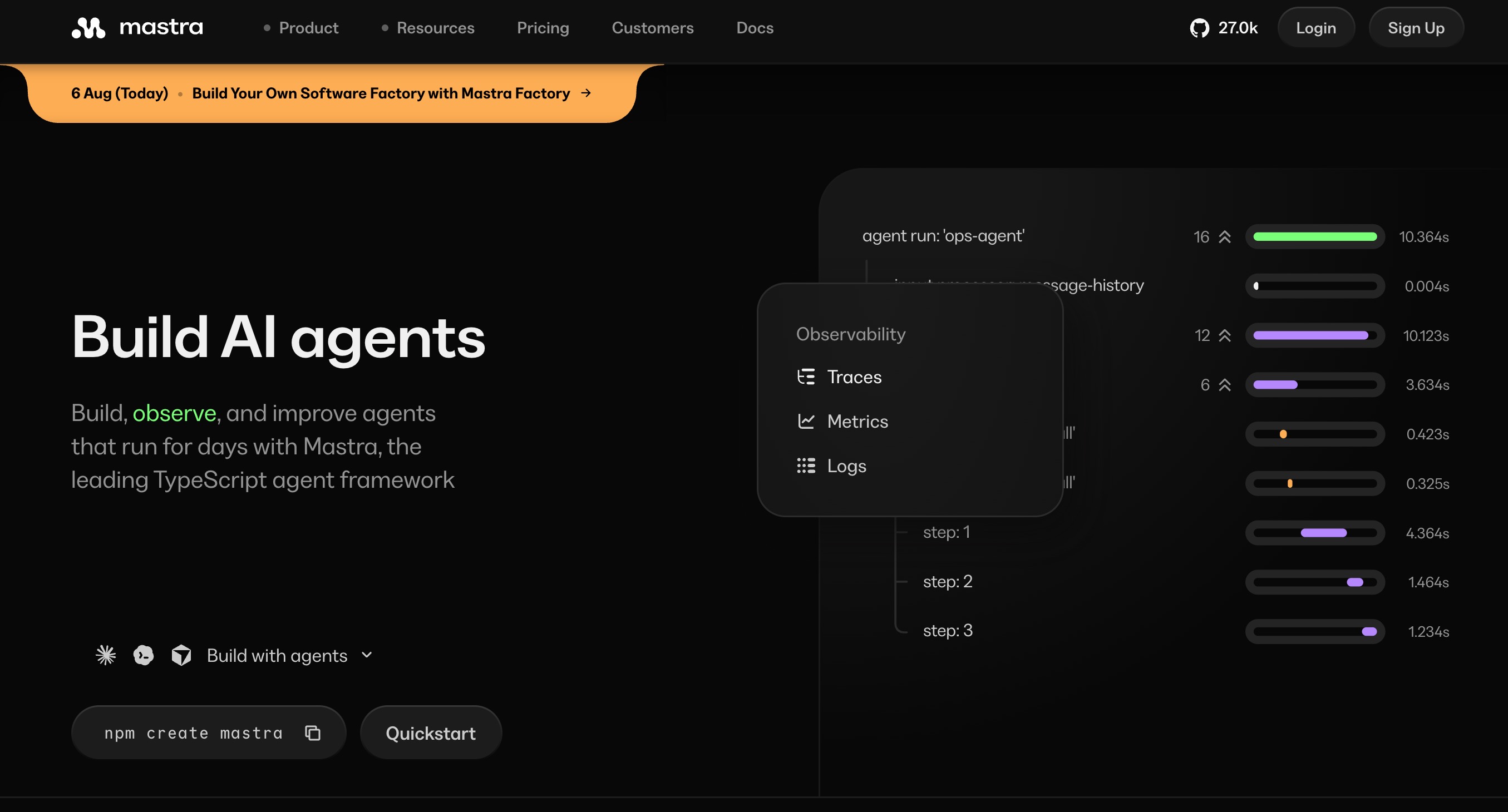
Mastra is a modern, TypeScript-native framework built for product developers who want to construct modular AI agents, tools, and multi-step workflows.
Key Features
- TypeScript-First Primitives: Allows seamless type-safe memory management using Zod schemas.
- Observability & Tracing: Built-in tools to trace how an agent recalls and utilizes historical memory during execution.
- Unified Agent Workflows: Combines deterministic execution steps with fluid conversational memory.
Pros
- An absolute game-changer for web development teams fluent in TypeScript rather than Python.
- Extremely clean, modular developer experience.
Cons
- Less suited for non-technical real estate staff looking for turnkey software.
- Ecosystem is newer compared to legacy Python agent frameworks.
Pricing
- Open-source framework is free; team plan starts at $250/month.
4. Supermemory
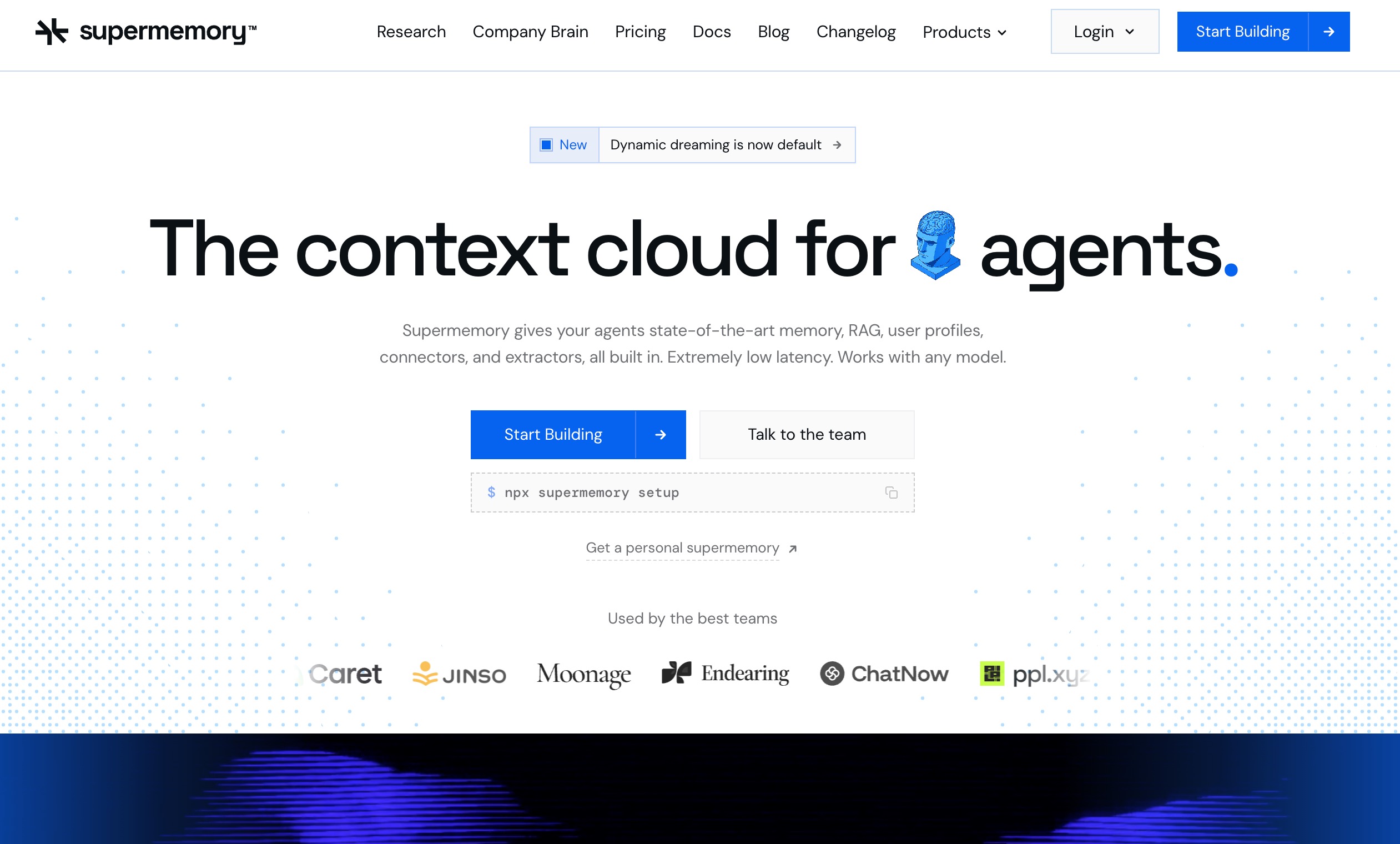
Supermemory is a fast, scalable memory and context engine that turns unstructured knowledge feeds into an accessible, real-time memory API for AI agents.
Key Features
- Universal Memory Router: Instantly routes context between disparate AI apps and models.
- Browser Extensions & Plugins: Enables seamless ingestion of web data and property listings straight into the memory bank.
- In-Place Qualitative Analysis: Clusters and summarizes user signals without exporting underlying datasets.
Pros
- Incredibly fast setup with lightweight API wrappers.
- Great out-of-the-box UI integrations and browser companion tools.
Cons
- Less granular control over raw data schema adjustments compared to heavy infrastructure solutions.
- Can feel abstracted for complex enterprise workflows.
Pricing
- Free developer tiers available, with pro and enterprise plans start at $19/month.
5. Notion AI
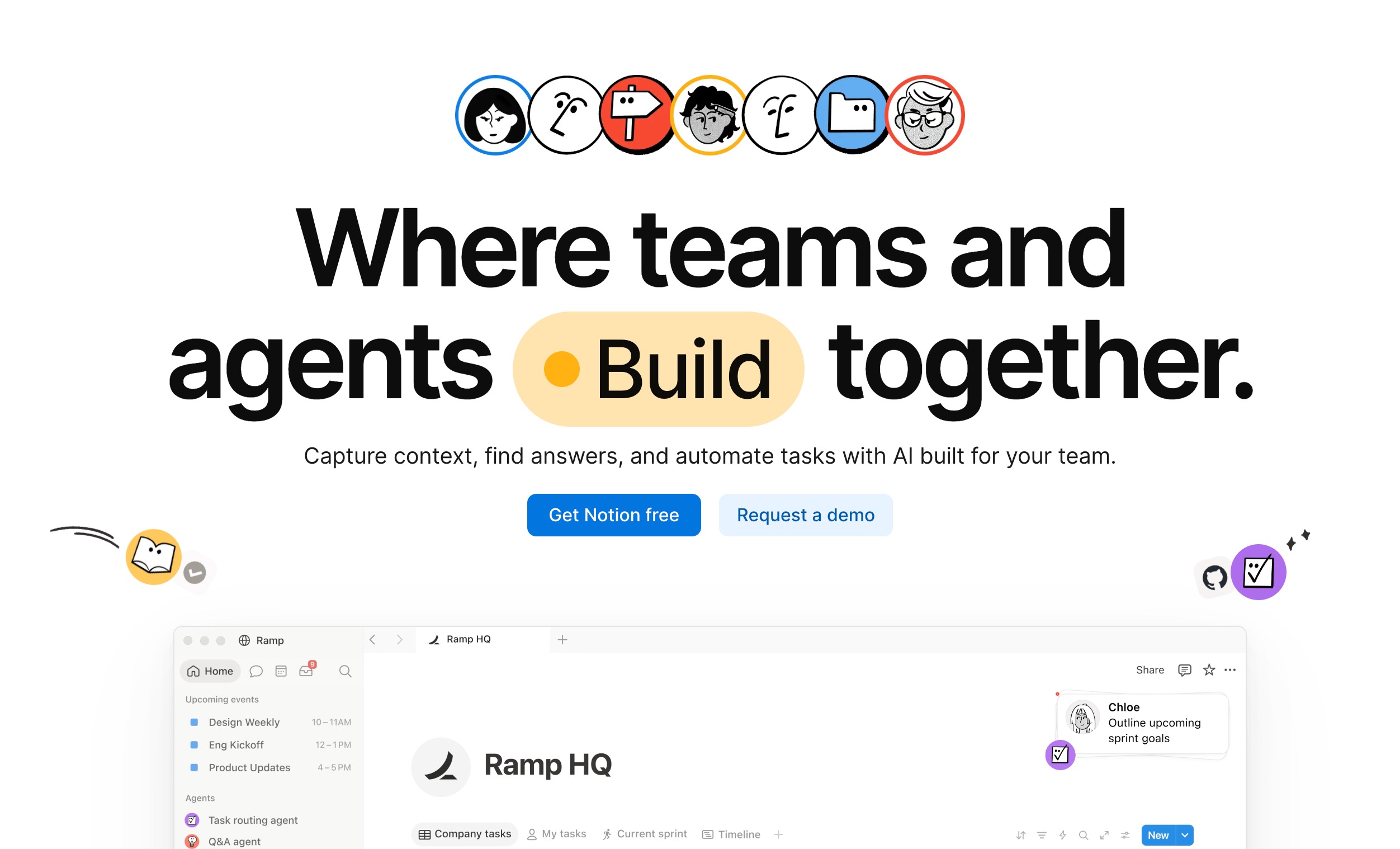
Notion AI transforms a team's existing workspace workspace into an interconnected knowledge base, indexing internal wikis, property manuals, and transaction logs.
Key Features
- Workspace-Wide Context Indexing: Searches across all internal documents, project trackers, and client databases instantly.
- Collaborative Summarization: Condenses lengthy meeting notes or contract revisions into actionable bullet points.
- Embedded Assistant: Operates directly inside your everyday writing and document management environment.
Pros
- Zero setup required if your team already lives inside the Notion ecosystem.
- Exceptional for internal team knowledge sharing and operating procedures.
Cons
- Not designed to serve as an API memory layer for customer-facing external AI agents.
- Struggles with real-time, dynamic multi-session client fact extraction.
Pricing
- Paid plan starts at $10/month.
6. Memorylayer
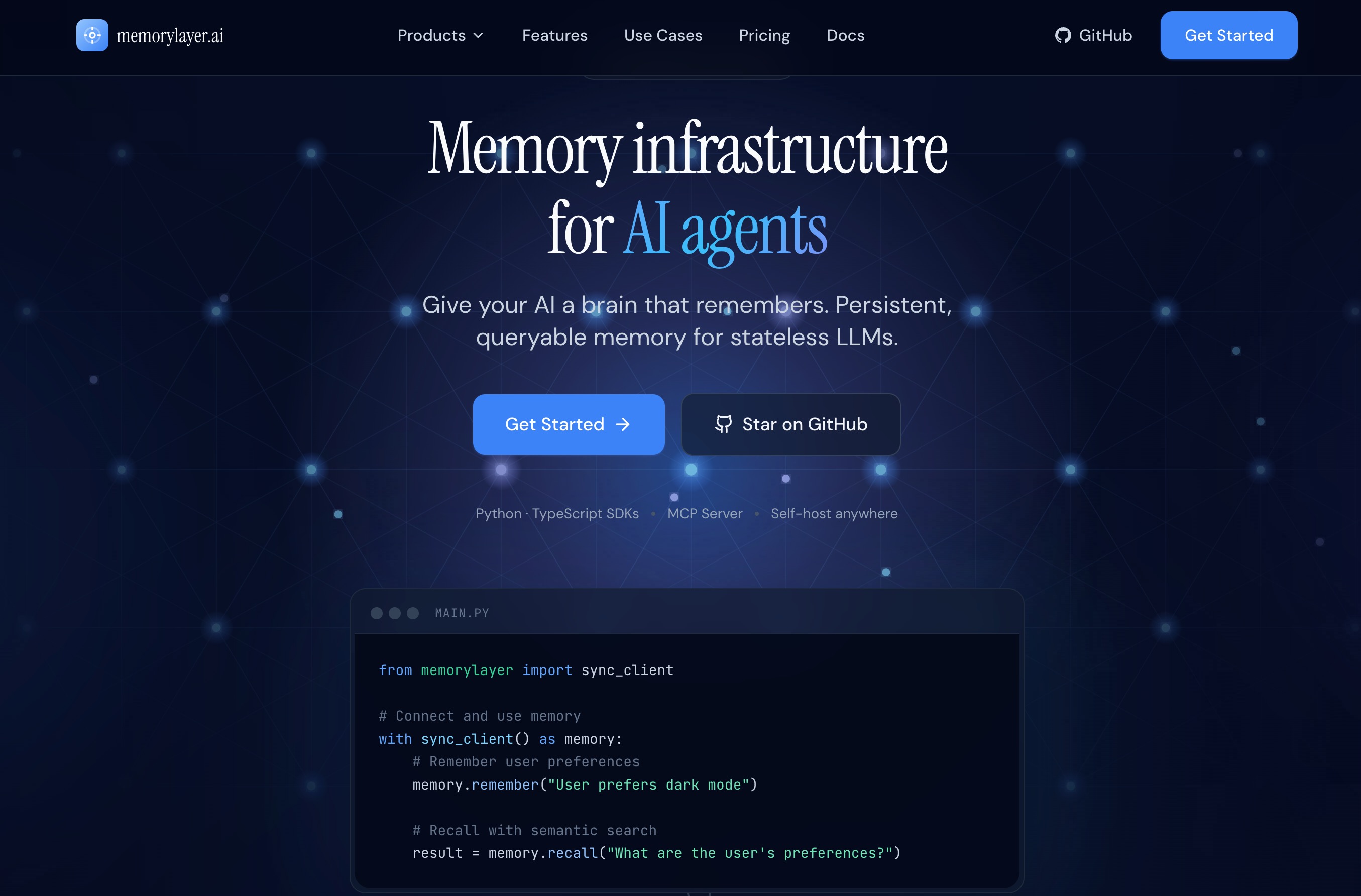
Memorylayer provides specialized, modular memory microservices tailored to give conversational AI tools lightweight, plug-and-play persistence.
Key Features
- Modular API Blocks: Simple endpoints designed to append and query episodic memory instantly.
- Lightweight Footprint: Optimized for speed over complex graph processing.
- Session Isolation: Keeps distinct client interactions strictly separated for security.
Pros
- Very straightforward integration for basic property chatbot widgets.
- Low latency response times.
Cons
- Lacks advanced multi-modal processing for floor plans, audio calls, or video walkthroughs.
- Limited built-in compliance governance features for large brokerages.
Pricing
- Custom pricing.
7. LlamaIndex
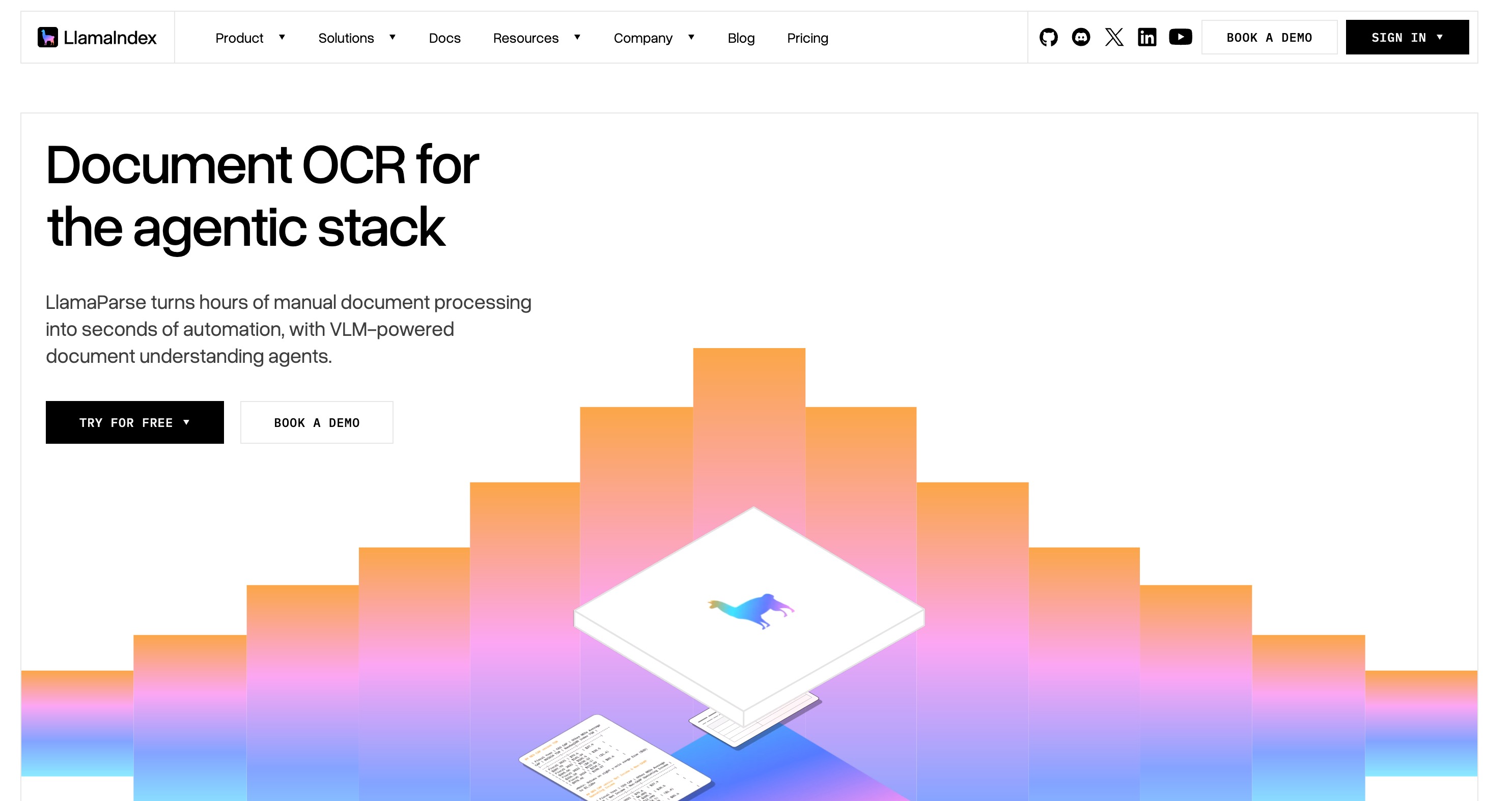
LlamaIndex is a comprehensive data framework designed to connect custom data sources—such as MLS databases, PDFs, and client files—with large language models via advanced RAG architecture.
Key Features
- Advanced Data Connectors: Ingests thousands of real estate document formats seamlessly.
- Hierarchical Indexing: Structures large volumes of text for efficient context retrieval.
- Customizable Query Engines: Allows developers to tailor how agents search through archival property data.
Pros
- Industry standard for heavy document retrieval and search pipelines.
- Extensive documentation and enterprise-grade flexibility.
Cons
- Steep learning curve; primarily built for data engineers.
- Focuses more on document retrieval than dynamic, self-updating conversational user memory.
Pricing
- Free trial; starter at $50/month.
8. Honcho
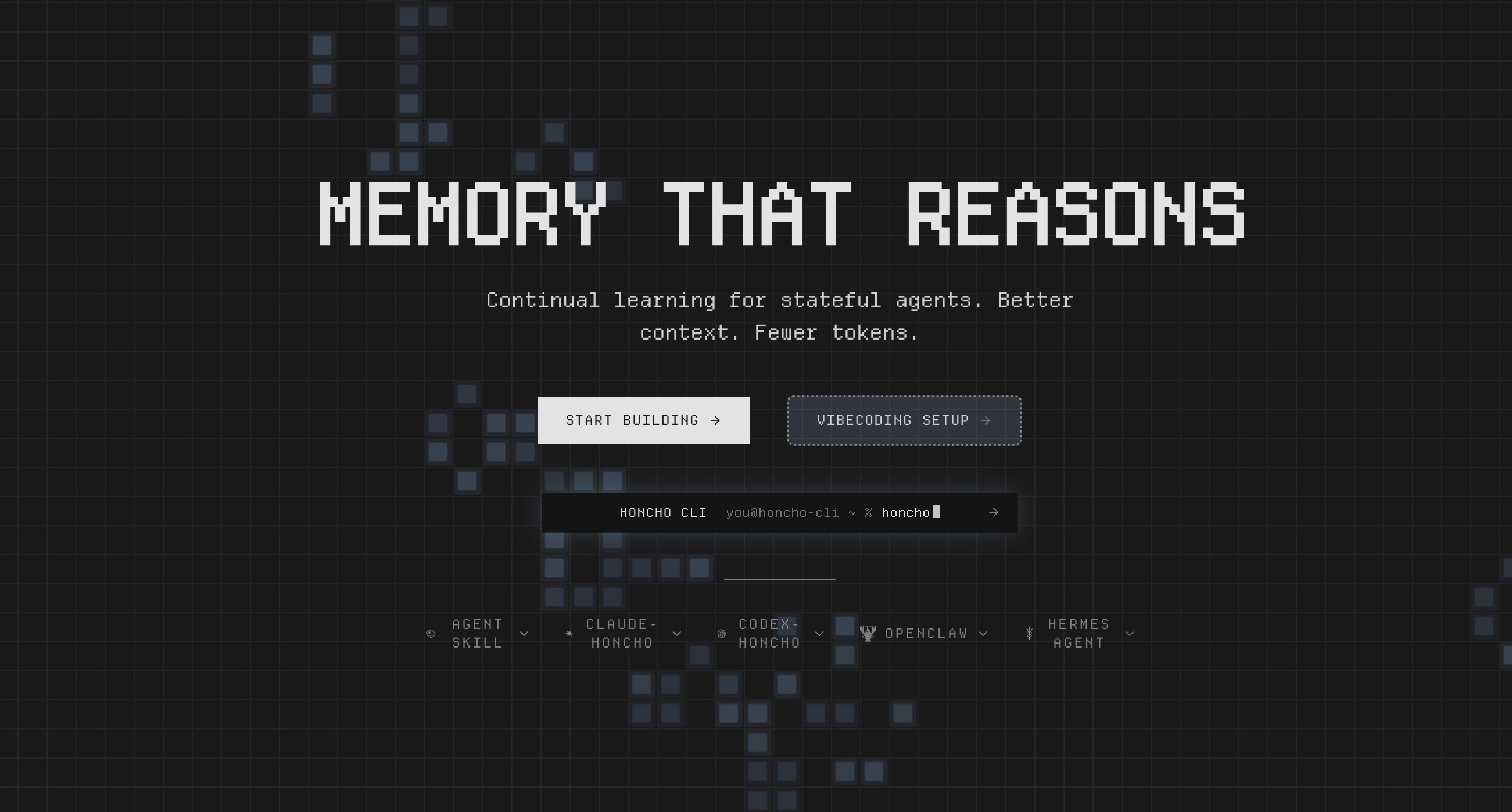
Honcho is a specialized user-centric memory tool focused on building deep behavioral models and contextual persona profiles from ongoing dialogs.
Key Features
- User Modeling Engine: Generates dynamic psychological and preference profiles of users over time.
- Contextual Awareness: Helps agents understand who they are talking to and adapt their tone accordingly.
- Transparent Representation: Makes stored user personas readable and inspectable.
Pros
- Delivers exceptional hyper-personalization in client-facing interactions.
- Novel approach to behavioral agent memory.
Cons
- Niche focus may not align well with transaction-heavy or data-heavy document workflows.
- Smaller community ecosystem.
Pricing
- Honcho memory price starts at $2/M ingestion, unlimited context, query tiers $0.001–$0.50.
How to Choose the Right AI Memory Tool for Your Real Estate Team
Selecting the ideal memory architecture for your real estate business depends on your team's technical capabilities and specific operational bottlenecks:
- Assess Your Technical Depth: If your team consists of non-technical agents using pre-built software, workspace solutions like Notion AI or turnkey apps are best. If you have development resources building custom applications, dedicated infrastructure is required.
- Evaluate Data Complexity: If your AI needs to process multi-modal files—such as property photos, legal disclosures, and voice memos—opt for robust, enterprise-grade multi-modal infrastructure.
- Prioritize Security and Compliance: Real estate handling demands strict data governance. Ensure the tool you choose safeguards client PII and financial records securely.
- Why We Recommend MemoryLake: While tools like Mem0 and Supermemory offer great developer entry points, MemoryLake stands out as the premier choice for scaling real estate teams. It delivers unmatched multi-modal persistence, sophisticated conflict handling for shifting client preferences, and enterprise-grade data governance. MemoryLake bridges the gap between raw conversational data and actionable long-term context, making it the definitive memory backbone for modern real estate AI agents.
Best AI Memory Tool by Real Estate Use Case
- Best for High-Volume Brokerage AI Agents: MemoryLake — Excels at maintaining continuous multi-session context across complex buyer journeys and diverse client interactions.
- Best for Custom Developer Apps: Mem0 or Mastra — Ideal for engineering teams building proprietary proptech tools from scratch.
- Best for Internal Team Knowledge Bases: Notion AI — Perfect for organizing internal office procedures, training manuals, and transaction checklists.
- Best for Document-Heavy MLS Research: LlamaIndex — Unmatched when agents need an AI to search thousands of property deeds, zoning laws, and contract PDFs.
- Best for Quick Client Personalization: Supermemory — Offers rapid deployment for web-based property hunting assistants and browser integrations.
Final Verdict
The era of stateless, forgetful real estate chatbots is officially over. To truly deliver white-glove service, modern brokerages must integrate long-term memory infrastructure into their AI workflows.
While various developer layers and document search utilities exist, teams looking for robust, secure, and multi-modal continuity should look no further than MemoryLake. Ready to stop letting your AI forget important client details? Explore MemoryLake today to build consistent, context-aware real estate agents that remember every client preference, property requirement, and deal milestone.