
What Is Cognee
Cognee is a specialized AI memory framework designed to enhance the accuracy and reliability of Large Language Models (LLMs) by utilizing graph-based architectures.
- Graph and Vector Fusion: It combines traditional vector search with graph databases to understand both semantic meaning and exact relationships between data points.
- Deterministic Retrieval: By mapping out clear entity relationships, Cognee forces the AI to follow factual paths, heavily reducing the chances of hallucinations.
- Data Lineage Tracking: It offers a clear trace of where the AI retrieved its information, which is crucial for compliance, legal, and medical applications.
- Complex Knowledge Structuring: It excels at digesting highly complex, interconnected documents and turning them into structured, queryable networks.
Why Look for Cognee Alternatives
Despite its powerful capabilities in structured knowledge management, Cognee isn't always the perfect fit for every development team or project.
- Steep Learning Curve: Managing and querying graph databases requires specialized knowledge that many standard development teams may not possess.
- Complex Setup and Maintenance: Deploying a hybrid graph-vector system involves significant overhead, making it difficult to scale quickly.
- Overkill for Conversational AI: If you are building a simple customer support bot or personal assistant, deterministic graph memory is often unnecessarily complex and resource-heavy.
- Slower Ingestion Times: Building relationships for knowledge graphs takes more computational time compared to simply embedding and storing text in a standard memory layer.
- Need for Agile Personalization: Teams focusing on user-level preferences and agent state management often need a more flexible, plug-and-play persistent memory tool rather than a rigid graph database.
11 AI Memory Tools Comparison Table
Here is a quick overview of Cognee and the 11 best alternatives for managing AI memory.
| Product | Best For | Core Architecture | Starting Pricing |
|---|---|---|---|
| 1. MemoryLake | Persistent, multi-agent context | Dedicated Memory Infrastructure | $19/month |
| 2. Mem0 | Personalized user profiles | LLM Memory Layer | $19/month |
| 3. Zep | Long-term conversational state | Agentic Memory Service | $125/month |
| 4. Hindsight | Interaction logging & analytics | Temporal Tracing Memory | Open Source / Custom |
| 5. LlamaIndex | Connecting custom data to LLMs | Data Framework & Orchestration | $50/month |
| 6. Memos | OS-level agent management | Unified State Architecture | Open Source / Custom |
| 7. Mnemoverse | Spatial & multidimensional graphs | 3D Knowledge Graph DB | $29/month |
| 8. Weaviate | Highly scalable enterprise search | AI-Native Vector Database | $45/month |
| 9. MemoryPlugin | Quick integrations for chatbots | Lightweight API Plugin | $15/month |
| 10. Supermemory | End-user academic & web research | AI Second Brain App | $19/month |
| 11. MemU | User-centric AI persona memory | Behavioral Profile DB | Open Source / Custom |
1. MemoryLake
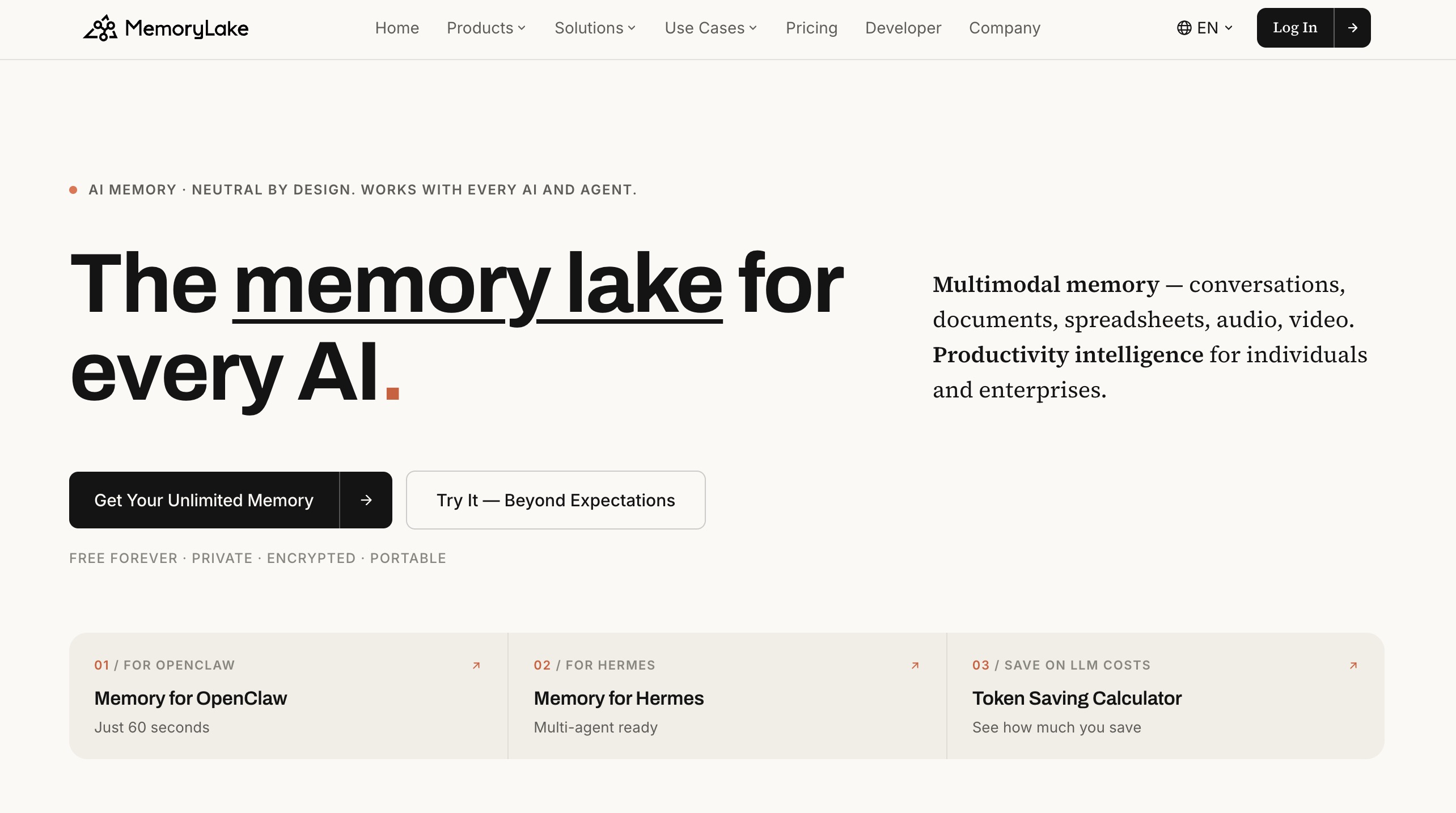
MemoryLake is a persistent memory infrastructure designed to help AI agents and applications maintain context across conversations, tasks, and sessions. Instead of treating every interaction as a fresh start, it enables AI systems to store, organize, retrieve, and reuse relevant information over time. This can include user preferences, historical interactions, important facts, task context, and other long-term knowledge. MemoryLake is suitable for a wide range of AI applications, from personal assistants and customer support agents to AI-powered workflows, multi-agent systems, and interactive virtual characters. Its focus on persistent, structured memory makes it easier for developers to build AI experiences that feel more consistent, personalized, and context-aware.
Key Features
- Dedicated memory layer that complements existing AI models and agent frameworks.
- Dynamic organization of historical interactions, task context, and user preferences.
- Optimized specifically for complex multi-agent systems and virtual character continuity.
- Intelligent retrieval system that injects only the most relevant context into prompts.
Pros
- Seamlessly maintains continuity, making user experiences deeply personalized.
- Incredibly flexible for developers building advanced, long-term AI workflows.
- Bridges the gap between raw databases and high-level agentic frameworks effortlessly.
Cons
- Might be over-engineered for basic, single-turn query scripts.
- Requires thoughtful planning of your agent architecture to maximize its potential.
Pricing
Freemium model for developers; pro plan starts at $19/month.
2. Mem0
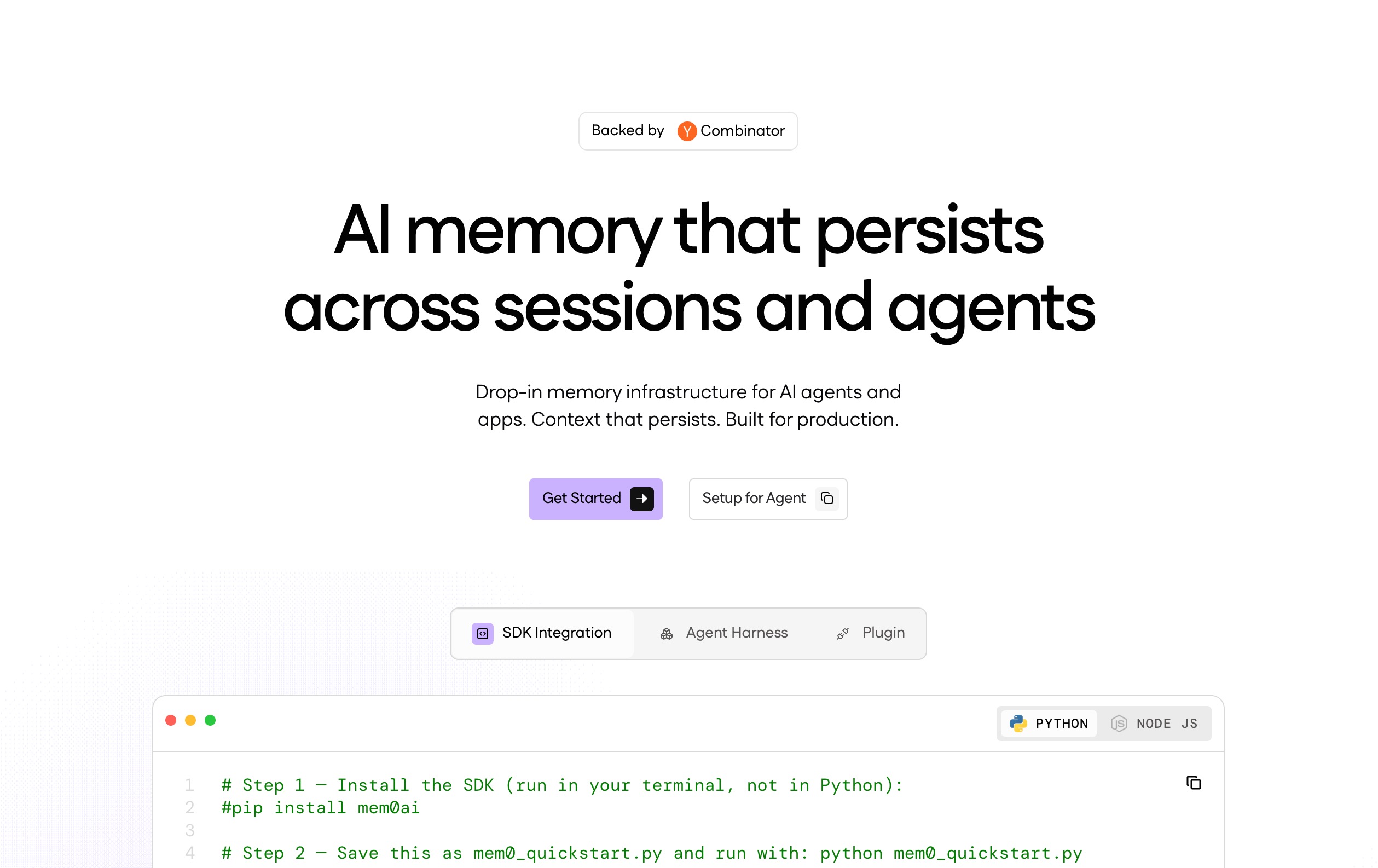
Mem0 (formerly Embedchain) is a highly specialized memory layer built specifically for Large Language Models. It focuses on extracting and retaining user-specific details from ongoing dialogues, making it a fantastic alternative to Cognee for developers who want to prioritize user personalization over rigid knowledge graphs.
Key Features
- Automated extraction of user preferences from natural chat logs.
- Cross-platform memory synchronization for users across multiple devices.
- Strict user-level isolation for robust data privacy.
Pros
- Incredibly straightforward API for fast developer onboarding.
- Excellent at building highly personalized AI assistants.
- Reduces prompt bloat and saves API token costs.
Cons
- Lacks the deterministic factual rigor of a graph database.
- Rapid update cycles can occasionally require code refactoring.
- Limited advanced visualization of memory structures.
Pricing
Free open-source core; managed cloud hosting begins around $19/month.
3. Zep
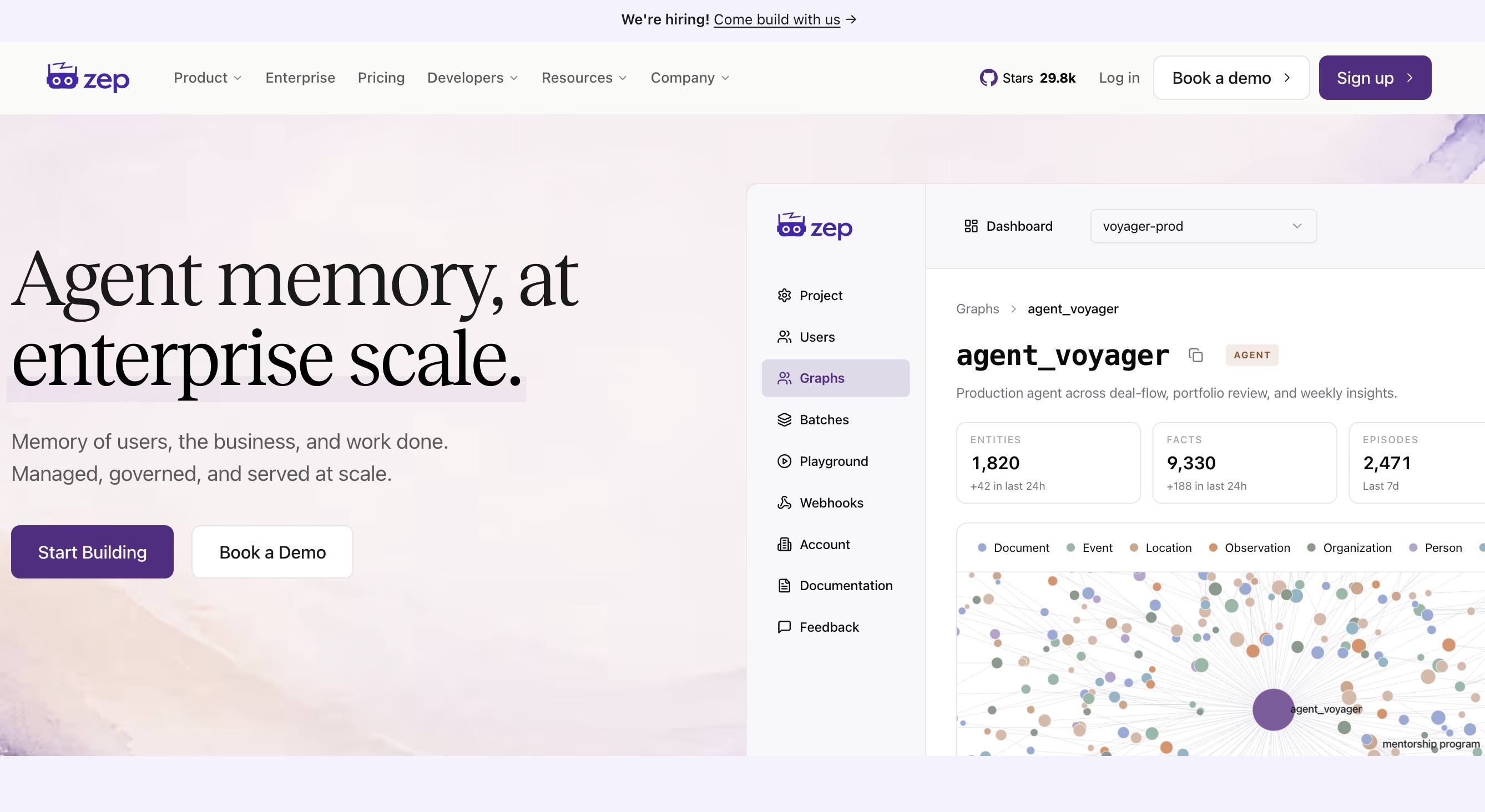
Zep is a fast, scalable long-term memory service explicitly engineered for AI conversational agents. While Cognee focuses on complex data mapping, Zep is designed to gracefully handle continuous conversational states, summarizing chat histories, and extracting relevant entities on the fly to keep agents contextually aware.
Key Features
- Automatic chat summarization and entity extraction.
- Temporal knowledge mapping to track state changes over time.
- Low-latency edge deployment for real-time applications.
Pros
- Handles the heavy lifting of prompt window management automatically.
- Highly optimized for continuous conversational AI use cases.
- Reduces latency significantly compared to heavy graph queries.
Cons
- Requires robust backend integration by technical teams.
- Can require fine-tuning for highly specialized, non-conversational workflows.
- Analytics dashboards are still in active development.
Pricing
Open-source version available; managed cloud starts at approximately $125/month.
4. Hindsight
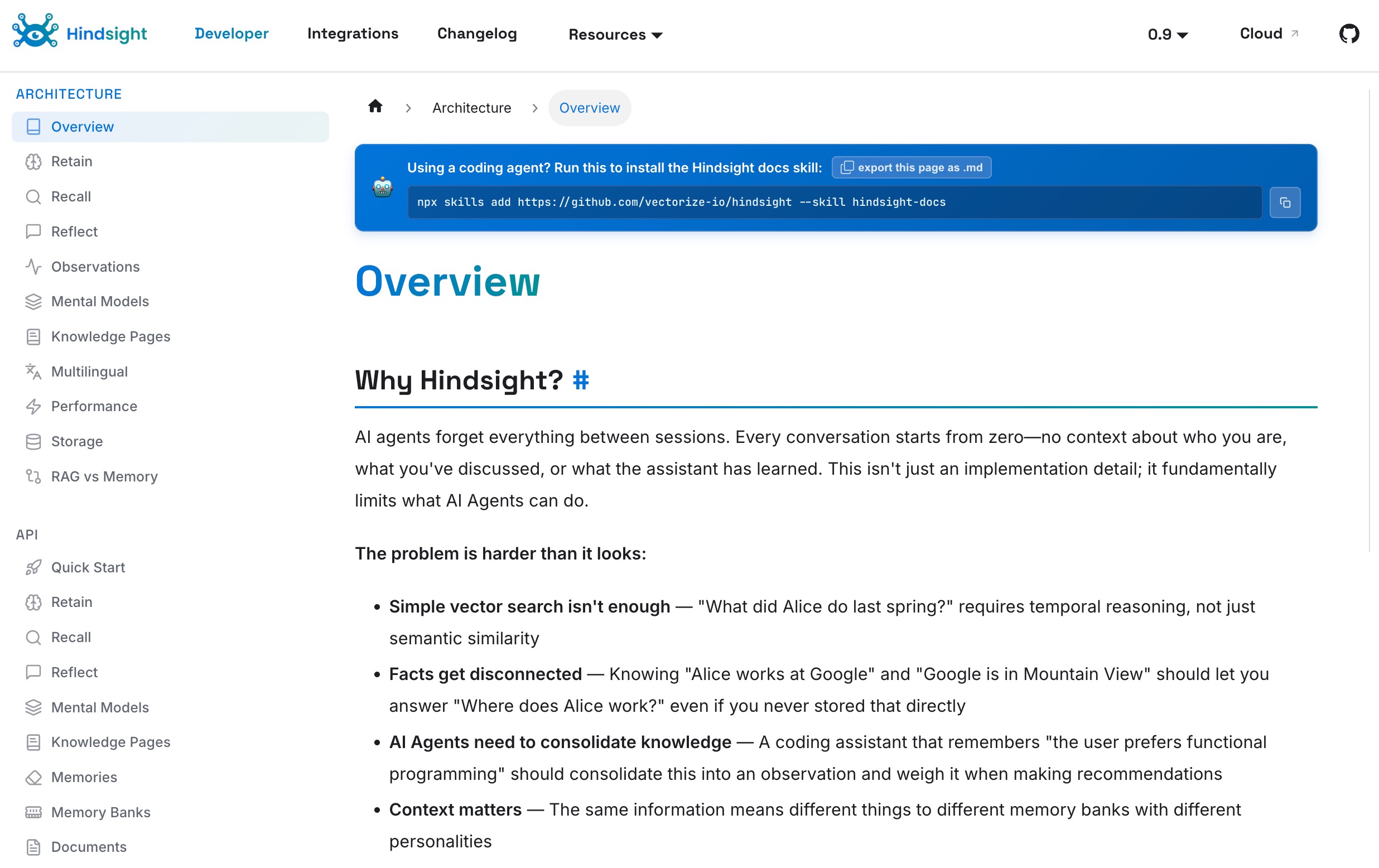
Hindsight serves as a temporal memory and logging framework for AI. It focuses heavily on tracing how an AI made decisions based on historical context. It is an excellent alternative for enterprise teams who need compliance and audit trails without the structural rigidity of a full graph database.
Key Features
- Detailed interaction logging and step-by-step decision tracing.
- Temporal querying to roll back AI memory to specific dates.
- Automated compliance reporting and data lineage tracking.
Pros
- Outstanding for highly regulated industries requiring audit trails.
- Provides deep analytics into how AI uses its memory.
- Easier to set up than traditional graph databases.
Cons
- Focuses more on analytics than on dynamic agent personalization.
- Can accumulate large amounts of log data, increasing storage costs.
- Niche use-case makes it less ideal for general consumer bots.
Pricing
Open source.
5. LlamaIndex
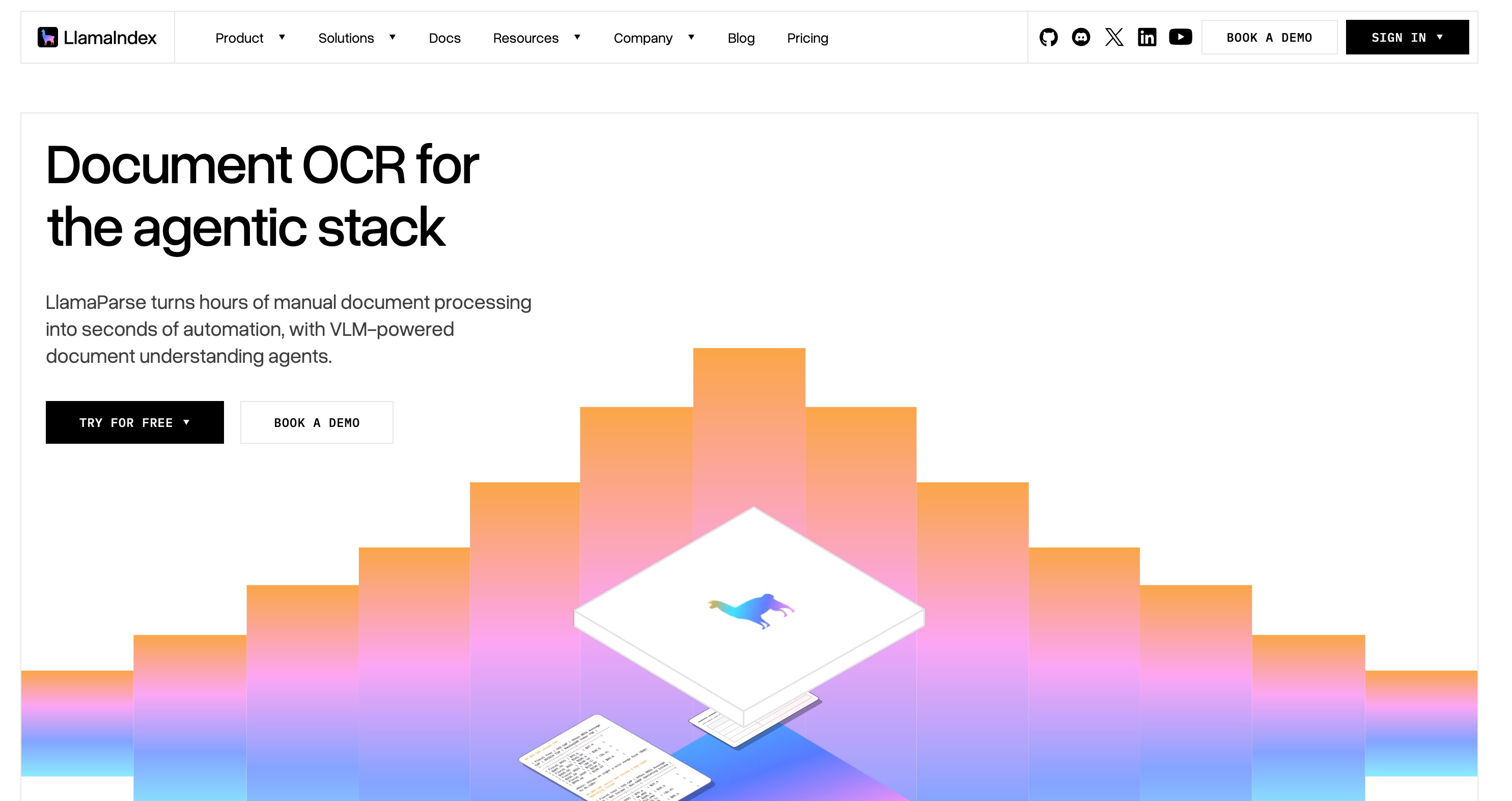
LlamaIndex is a massive data framework designed to connect custom data sources to large language models. While not exclusively a "memory store," its ability to orchestrate complex RAG (Retrieval-Augmented Generation) pipelines makes it a dominant alternative to Cognee for structuring and retrieving vast amounts of enterprise data.
Key Features
- Extensive data connectors for APIs, PDFs, SQL, and more.
- Advanced query engines that route and synthesize multi-document data.
- Built-in capabilities for graph-based and vector-based retrieval.
Pros
- Unparalleled flexibility in connecting disparate data sources to LLMs.
- Massive, highly active open-source community.
- Supports building both simple RAG and complex agentic architectures.
Cons
- Can be overwhelmingly complex for beginners.
- Acts as a framework, requiring you to bring your own database.
- Frequent breaking changes due to rapid development cycles.
Pricing
$50/month.
6. Memos
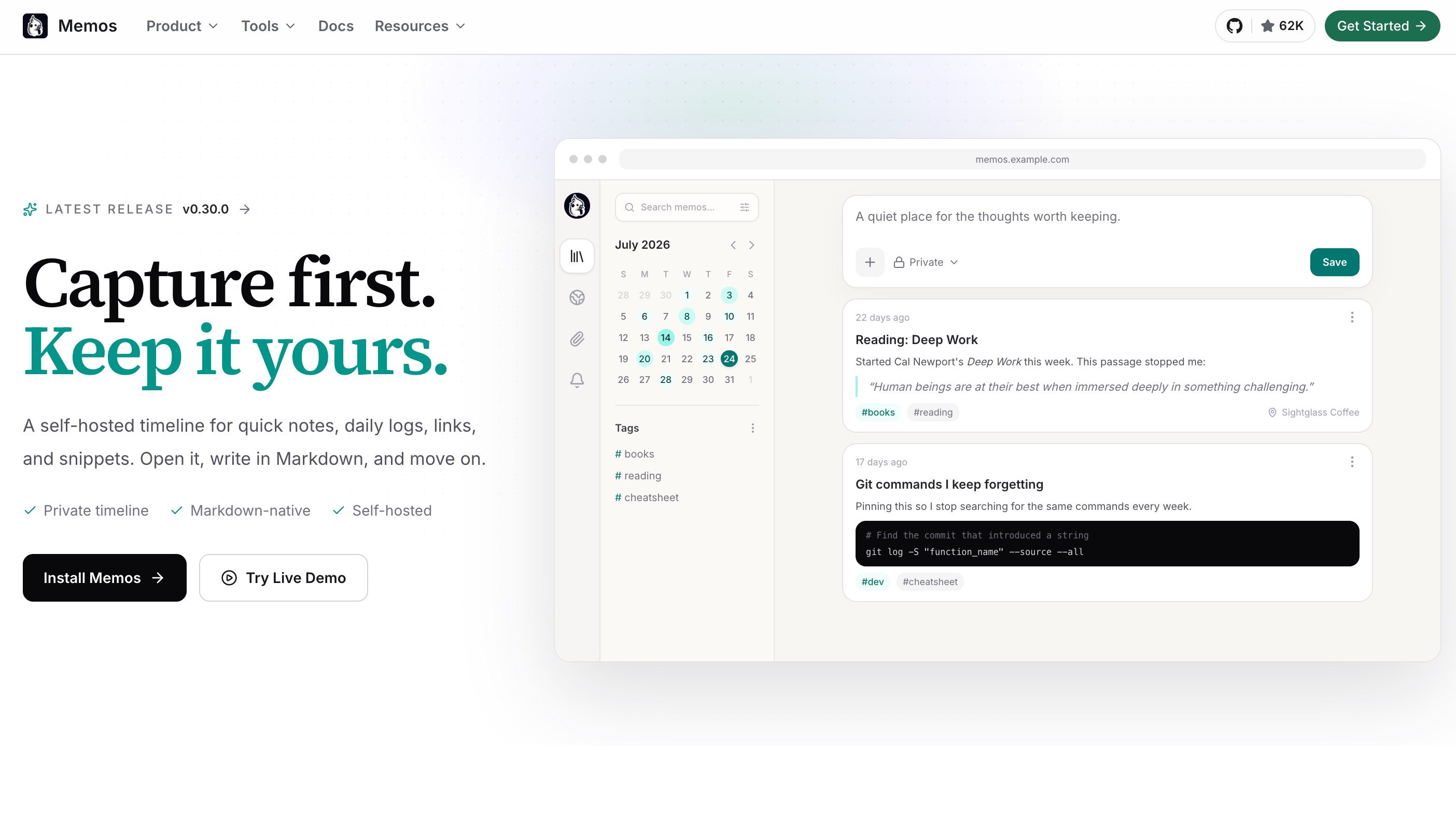
Memos treats AI memory like a computer operating system. It provides a unified architecture where short-term working memory, long-term storage, and skill retrieval are handled cohesively. It is ideal for teams building autonomous multi-agent swarms that need a central "brain" to share context.
Key Features
- Hierarchical memory management (short, medium, and long-term).
- Shared context pooling for multi-agent collaboration.
- Built-in tools for garbage collection of outdated AI context.
Pros
- Provides a highly organized, systematic approach to state management.
- Excellent for autonomous agents executing multi-step complex tasks.
- Reduces redundant data processing among interacting agents.
Cons
- Requires adopting a specific architectural mindset.
- Relatively new to the market with a smaller community footprint.
- Integration can be invasive to existing codebases.
Pricing
Generous free tier; custom pricing for scalable production use.
7. Mnemoverse
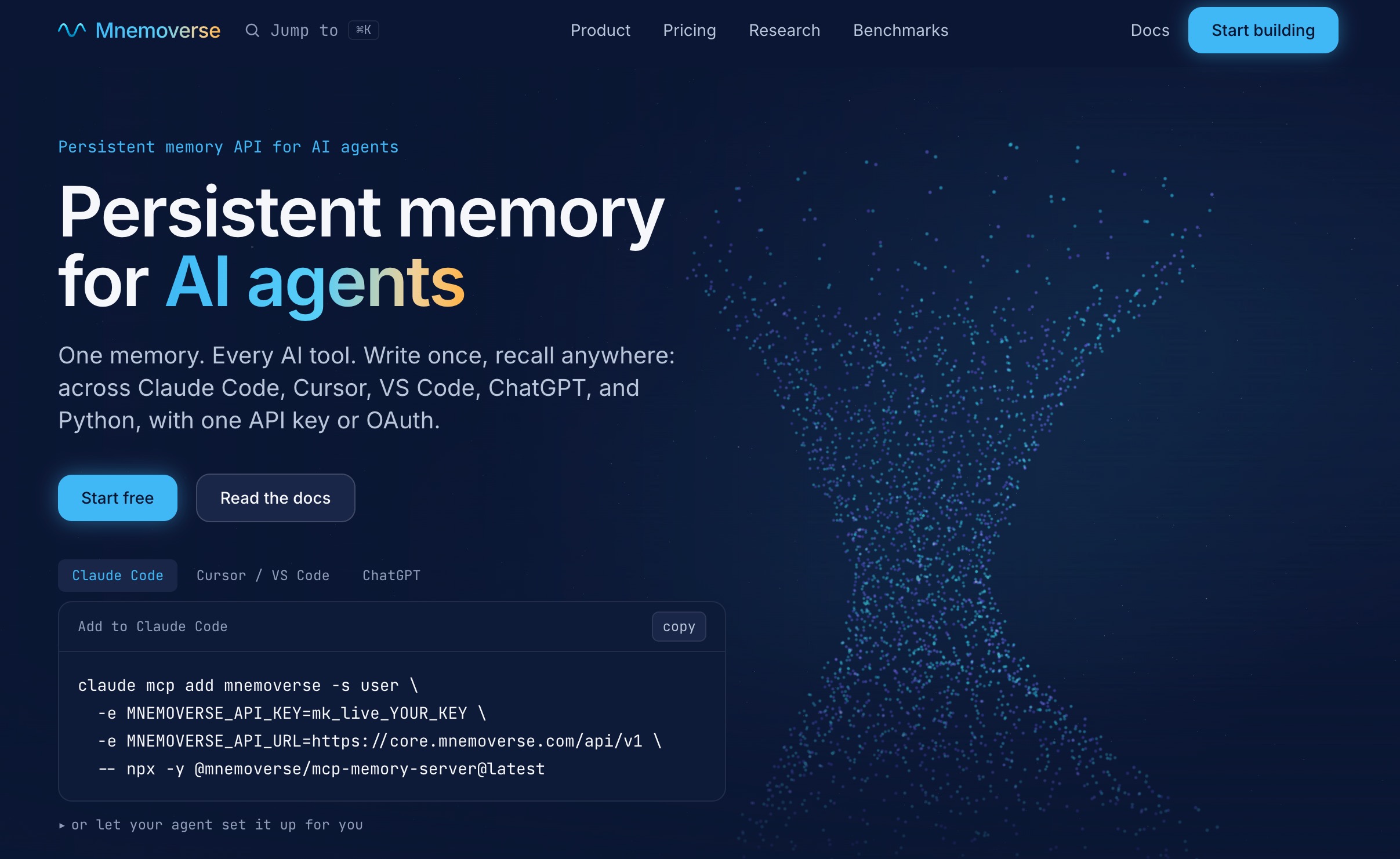
Mnemoverse is an experimental spatial memory tool that maps data in multidimensional structures. It serves as a futuristic alternative to Cognee, replacing standard 2D knowledge graphs with spatial representations of data, useful for gaming AI, embodied agents, and robotics.
Key Features
- Spatial memory mapping for 3D environments.
- Dynamic relationship updating based on virtual proximity.
- Optimized for Unity, Unreal Engine, and robotics frameworks.
Pros
- Groundbreaking for interactive virtual characters and embodied AI.
- Allows agents to understand physical or virtual context.
- Highly visual and intuitive node management.
Cons
- Extremely niche; not suitable for standard text-based chatbots.
- High computational overhead for spatial rendering.
- Currently in early-access stages with limited enterprise support.
Pricing
$29/month.
8. Weaviate
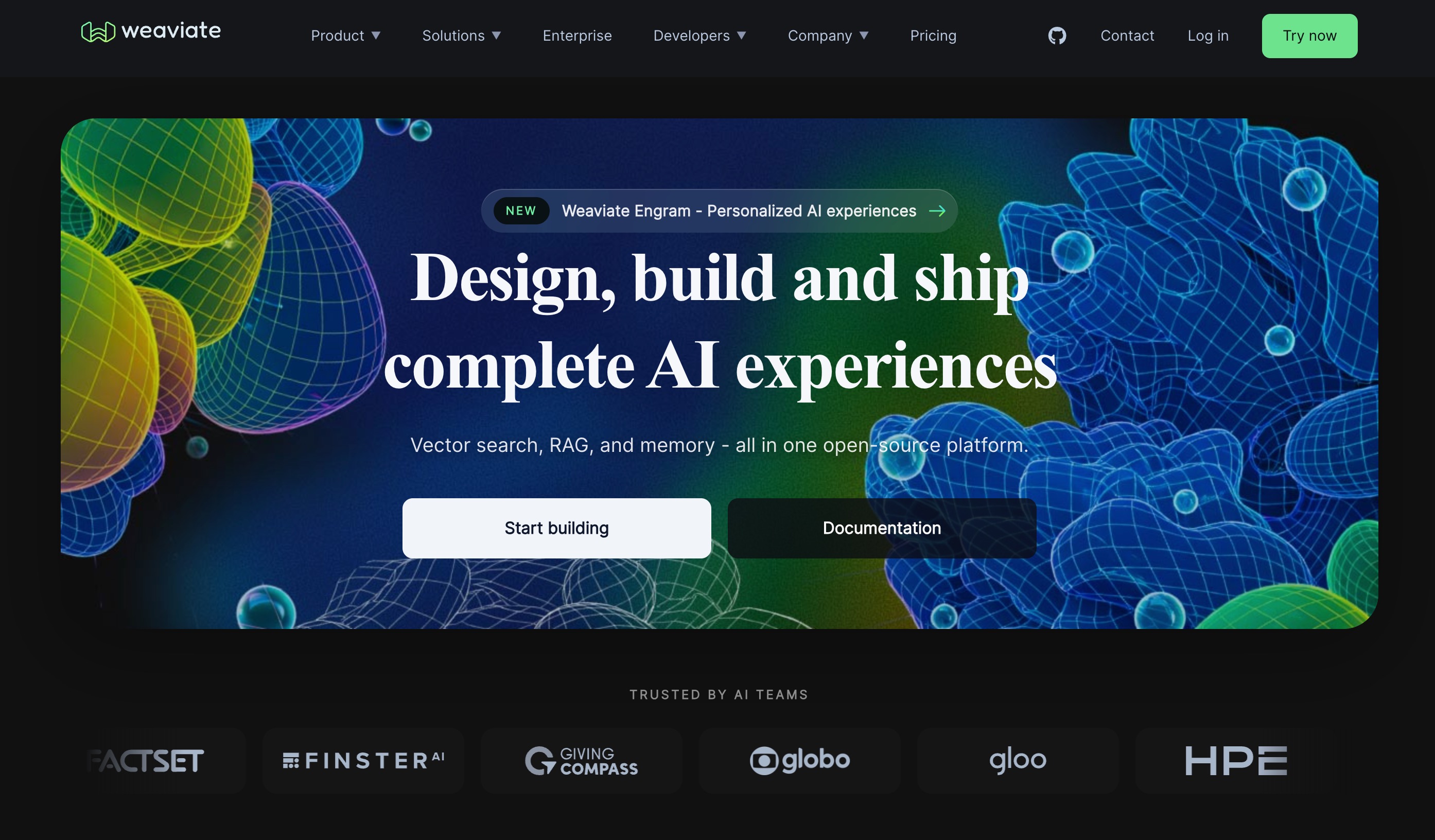
Weaviate is an open-source, AI-native vector database that natively supports connecting objects in a graph-like manner. For developers who want the speed of vector search combined with the relationship mapping of Cognee, Weaviate offers an incredibly powerful, scalable middle ground.
Key Features
- Hybrid search capabilities combining semantic and keyword searches.
- Cross-reference properties allowing for graph-like data relationships.
- Extensive built-in modules for seamless LLM integration.
Pros
- Blistering fast performance even at enterprise-level scale.
- Offers relationship mapping without the full complexity of a pure graph DB.
- Exceptional documentation and developer tooling.
Cons
- Can be resource-intensive and costly to host at scale.
- Requires developer expertise to properly configure schemas.
- Not an out-of-the-box agent framework; requires custom business logic.
Pricing
$45/month.
9. MemoryPlugin
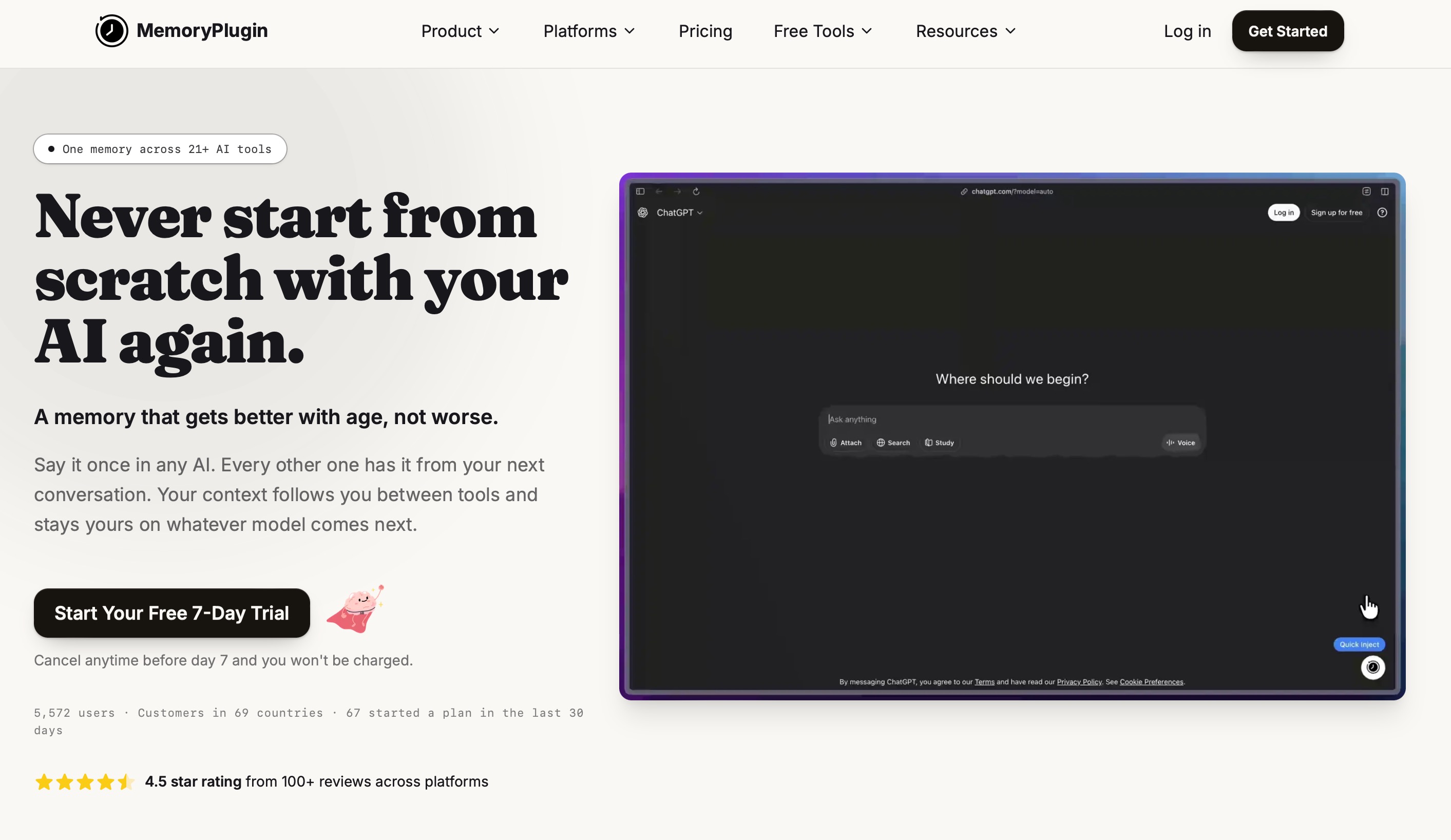
MemoryPlugin is a lightweight API solution designed to bolt long-term memory onto existing applications almost instantly. If Cognee’s graph architecture feels like trying to crack a nut with a sledgehammer, MemoryPlugin offers a simple, plug-and-play alternative for basic web bots.
Key Features
- RESTful API designed for immediate integration.
- Automated key-value pair extraction from standard conversations.
- Dashboard for manual editing and moderation of AI memories.
Pros
- Incredibly fast deployment time.
- Very low barrier to entry for junior developers.
- Cost-effective for small-scale applications.
Cons
- Lacks the depth needed for complex, interconnected knowledge.
- Not suitable for massive enterprise data ingestion.
- Limited customization of the underlying retrieval algorithms.
Pricing
Freemium tier available; pro plans start at approximately $15/month.
10. Supermemory
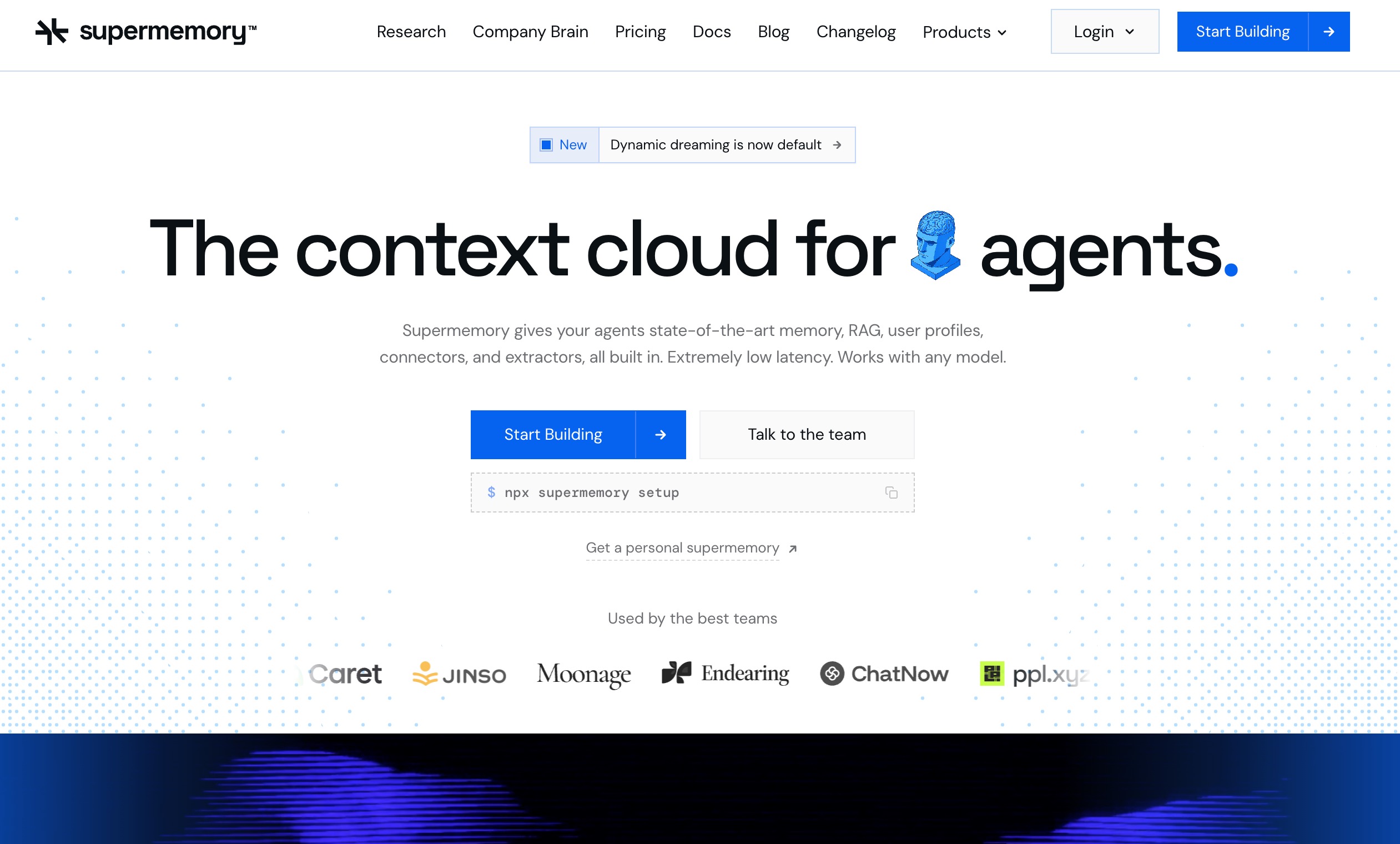
Supermemory shifts the focus from backend infrastructure to the end-user. It functions as an AI "second brain," allowing researchers, students, and professionals to ingest bookmarks, PDFs, and notes. The AI automatically categorizes and remembers the data, making it searchable via chat.
Key Features
- Browser extension for instant data clipping and ingestion.
- Conversational interface for querying personal knowledge bases.
- Auto-tagging and contextual clustering of information.
Pros
- Zero coding required; ready for immediate consumer use.
- Brilliant UI/UX for managing personal or team research.
- Saves hours of manual folder organization.
Cons
- It is a standalone app, not a backend tool for developers building new software.
- Lacks API flexibility for enterprise-scale integration.
- Cannot manage multi-agent architectures.
Pricing
Basic version is free; premium features cost around $19/month.
11. MemU
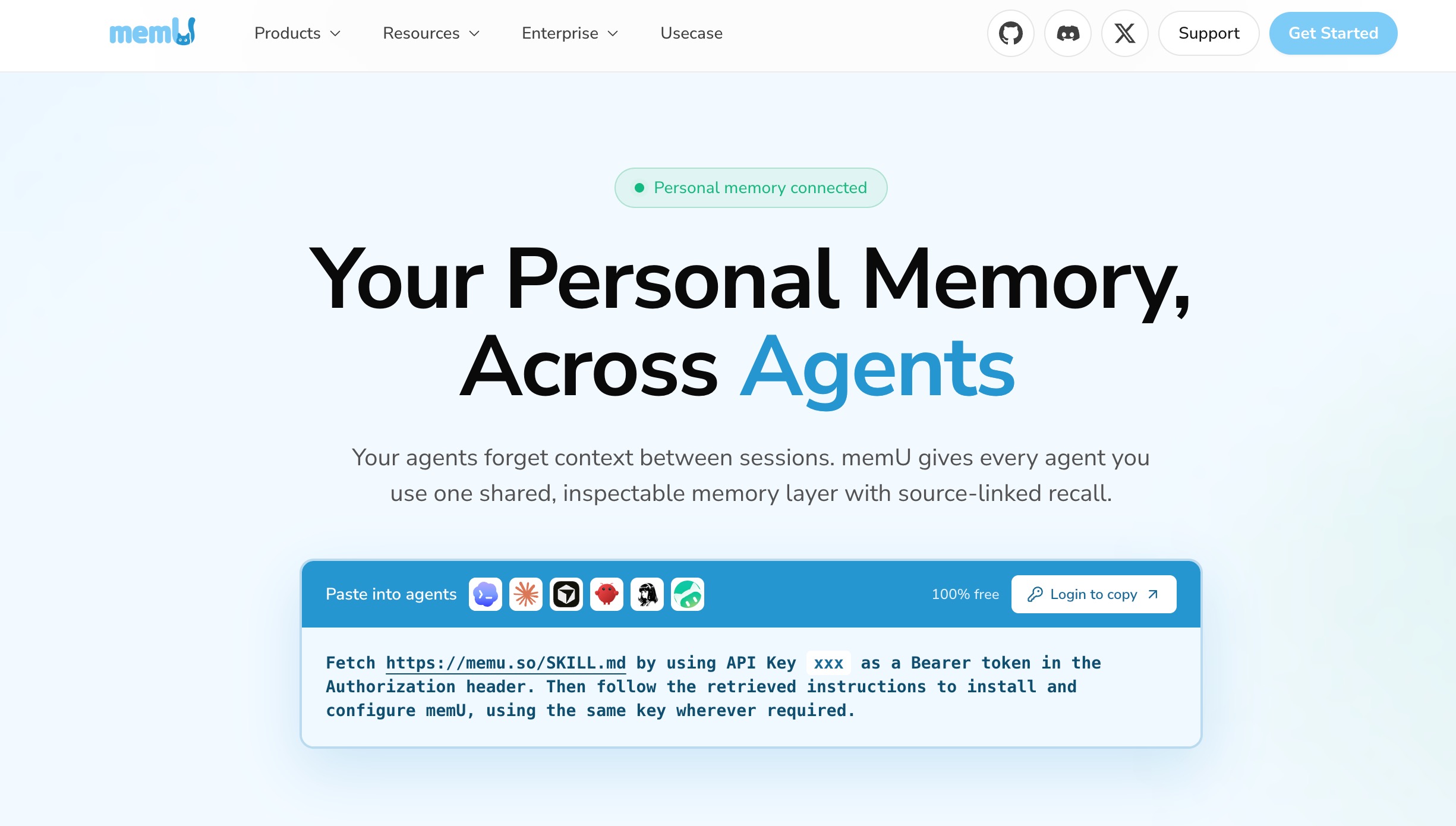
MemU (Memory for Users) focuses exclusively on mapping human behavioral patterns into queryable memory. Instead of storing general facts like Cognee, MemU builds deep psychological and behavioral profiles of users over time, allowing AI companions to mimic high emotional intelligence.
Key Features
- Behavioral tracking and sentiment analysis memory.
- Dynamic persona updating based on user interaction frequency.
- Privacy-first architecture ensuring sensitive emotional data is encrypted.
Pros
- Ideal for mental health bots, AI companions, and gaming NPCs.
- Creates highly empathetic and context-aware responses.
- Abstracts the complexity of sentiment tracking.
Cons
- Not suited for factual, document-heavy retrieval (like RAG).
- Requires strict ethical handling and privacy compliance.
- Highly specific use-case limits general applicability.
Pricing
Open-source core is free; enterprise privacy compliance plans are custom.
Which Alternative is the Best for Your Workflow
Selecting the ideal memory framework requires aligning the tool's architecture with your specific project goals.
- For Enterprise Data Orchestration: If you need to connect massive arrays of PDFs and SQL databases to your LLMs, LlamaIndex provides the most comprehensive data orchestration framework.
- For High-Speed Vector Retrieval: If you want relationship mapping but need blistering speed and scalability, Weaviate offers the perfect blend of vector search with graph-like properties.
- For Simple Personalization: If you are building a straightforward chatbot and just want it to remember a user's name and preferences, Mem0 or MemoryPlugin offer rapid, lightweight integration.
- For Persistent, Multi-Agent Context (Highly Recommended): If you are building sophisticated AI systems where maintaining continuous, structured memory across sessions and tasks is vital, MemoryLake is unmatched. For teams building agents that need to remember users and previous interactions, MemoryLake provides a dedicated memory layer that perfectly complements your application infrastructure. It offers a balanced, structured approach that outpaces simple vector DBs while avoiding the suffocating complexity of graph databases.
Final Verdict
While Cognee provides a powerful deterministic approach to knowledge mapping, its steep learning curve and graph database complexity make it unsuitable for many modern AI projects. From lightweight user-profile managers like Mem0 to enterprise-grade vector stores like Weaviate, the market is full of viable alternatives. However, if your goal is to build truly intelligent, context-aware applications, MemoryLake stands out as the premier choice. By offering a dedicated, persistent memory layer that elegantly handles long-term context, user preferences, and multi-agent coordination, MemoryLake ensures your AI systems feel remarkably consistent and personalized. Ditch the amnesia and complex graph overhead—build your next AI agent with MemoryLake.