
Why Does Perplexity Forget Previous Context
Understanding why Perplexity and similar Large Language Models (LLMs) forget your instructions requires a quick look under the hood. AI memory is not like human memory; it is bound by rigid technical and structural constraints.
- **Context Window Limitations**: Every LLM has a finite "context window" measured in tokens. Once a conversation exceeds this limit, the system employs a sliding window technique, discarding the oldest information to make room for the newest inputs, leading to forgotten early instructions.
- Stateless Architecture: By default, AI chat sessions are stateless. When you open a new thread, the AI starts with a blank slate to ensure maximum processing speed and to prevent cross-contamination of unrelated topics.
- **Computational Overheads**): Storing and constantly retrieving every piece of a user’s historical interaction requires massive computational power. Continuously processing gigabytes of past conversations for a simple query is economically and computationally unviable for native platforms.
- Data Privacy and Security Regulations: In an era of strict privacy laws, platforms actively avoid permanently storing unencrypted, identifiable user contexts across sessions to minimize the risk of data breaches and maintain compliance with global standards.
- Lack of Native Knowledge Graphs: Until the recent introduction of Spaces, Perplexity lacked a native, structured way to map out entities and relationships specific to individual users, relying solely on short-term semantic search.
How We Evaluate Perplexity Memory Solutions
With the explosion of memory-as-a-service tools in 2026, separating the hype from genuinely useful products is critical. We rigorously tested over thirty platforms to narrow down this list. Here are the exact criteria we used to evaluate them:
- Integration Seamlessness: We looked at how easily the tool connects with Perplexity. Does it offer a plug-and-play browser extension, native Spaces integration, or does it require complex API routing?
- Retrieval Accuracy: We tested whether the tool retrieves the _right_ memory at the _right_ time. Hybrid systems that combine vector databases (for semantic meaning) with knowledge graphs (for factual relationships) scored the highest.
- Data Structure and Scalability: We evaluated how well the tool handles scaling from a few personal notes to thousands of complex research documents without suffering from severe latency or hallucination.
- Privacy and Local Options: Memory tools hold your most personal thoughts and proprietary data. We prioritized solutions offering end-to-end encryption, local hosting capabilities, or strict zero-retention policies.
- Cost-to-Value Ratio: We compared the pricing models—ranging from open-source free tiers to enterprise subscriptions—against the actual utility and time saved for the end user.
Quick Comparison Table
| Product | Best For | Core Technology | Starting Price |
|---|---|---|---|
| **MemoryLake** | Ultimate All-in-One Solution | Multimodal AI Memory Infrastructure | Free / $19/mo |
| **Memos** | Privacy-Conscious Individuals | Open-Source SQL | Free |
| **MemPalace** | Visual Thinkers | Spatial Knowledge Graphs | Free |
| **Honcho** | Application Developers | Personalization Engine | $2.00/M tokens |
| **Mem0** | Adaptive AI Frameworks | Multi-tier Memory | Free / $19/mo |
| **Pinecone** | Enterprise Scale | Serverless Vector DB | Free / $20/mo |
| **Cognee** | Eliminating Hallucinations | Deterministic Graphs | $2.50/M tokens |
| **Hyperspell** | Real-time Injections | Dynamic Embeddings | Custom Pricing |
| **Supermemory** | Researchers & Students | Bookmarking & RAG | Free / $19/mo |
1. MemoryLake
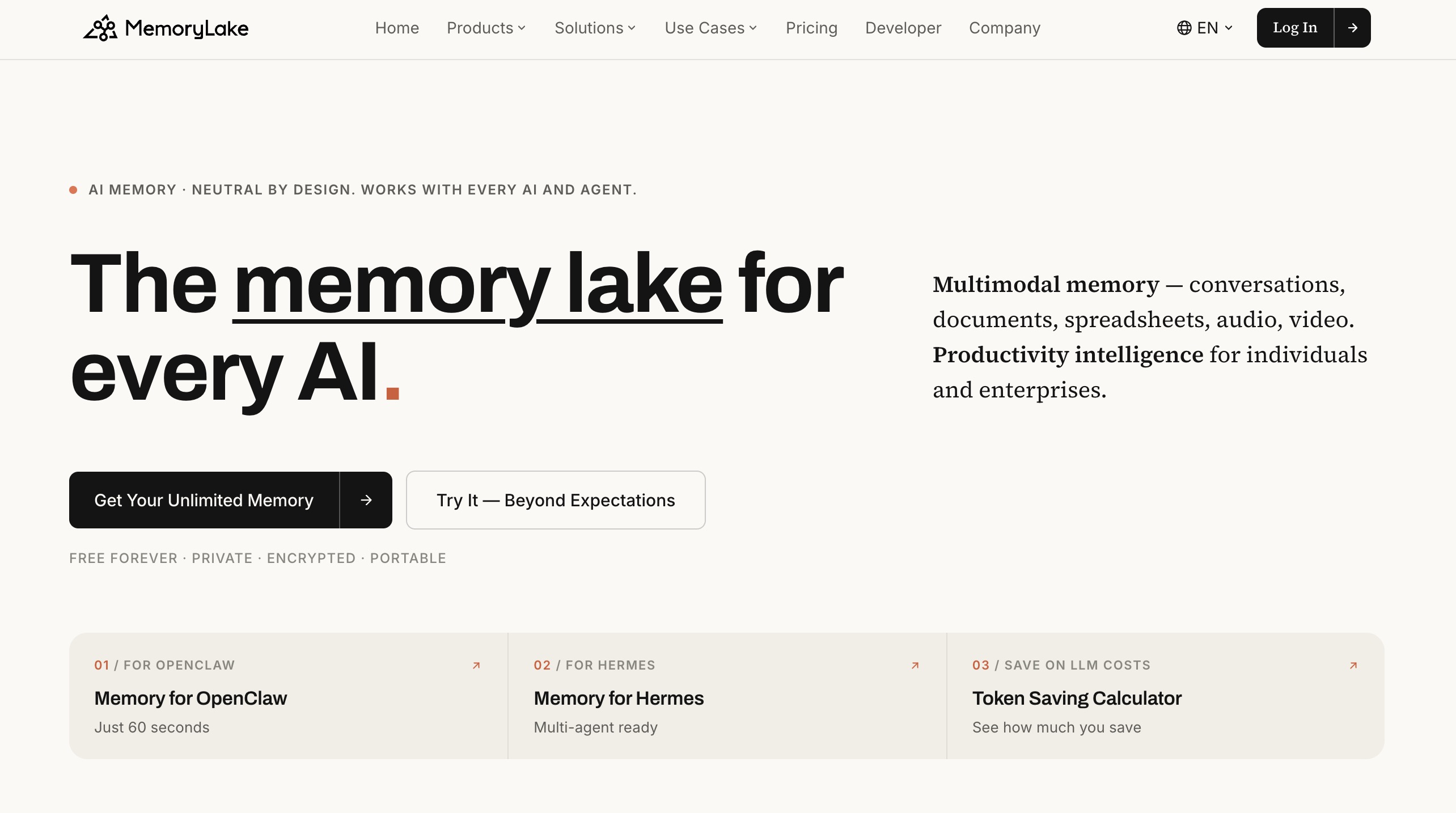
MemoryLake is an AI memory infrastructure designed to give AI assistants persistent, portable, and multimodal memory across different models and applications. Instead of relying on the limited memory features inside a single AI platform, MemoryLake creates a separate memory layer that can store, organize, and retrieve information from conversations, documents, spreadsheets, images, audio, and video. It allows users and AI agents to maintain long-term context across different AI systems, including tools such as ChatGPT, Claude, Gemini, Perplexity, and agent frameworks.
For users looking for alternatives to Perplexity’s memory limitations, MemoryLake works as an external memory layer that helps preserve project knowledge, user preferences, and accumulated information beyond individual chat sessions.
Key Features
- Cross-AI Memory Layer
MemoryLake is designed to work independently from a specific AI provider, allowing stored memories to be used across different AI assistants and agent systems.
- Multimodal Memory Support
It can process and store different types of information, including conversations, documents, spreadsheets, images, audio, and video, rather than only text-based chat history.
- Long-Term Memory Infrastructure
MemoryLake focuses on persistent memory for AI applications, helping agents maintain context across sessions instead of repeatedly starting from zero.
- Document and Knowledge Understanding
Users can build a reusable knowledge base from files and information sources, enabling AI systems to retrieve relevant context when needed.
- Developer-Friendly Memory Infrastructure
MemoryLake provides memory infrastructure for AI applications and SaaS products that need scalable user memory capabilities without building the entire system internally.
Pros
- Unlike built-in memories that are usually locked inside one ecosystem, MemoryLake is designed as a portable memory layer.
- It focuses on structured AI memory, including documents, files, and multimodal information, rather than simply saving previous conversations.
- Users working on research, business projects, coding tasks, or knowledge management can maintain continuity over extended periods.
- Companies building AI assistants can use MemoryLake as an external memory component instead of creating their own memory architecture.
Cons
- Users who only need simple chat history recall may find a dedicated memory layer unnecessary.
Pricing
Freemium model available. The Pro tier is $19/month, with a substantially larger monthly token allowance.
2. Memos
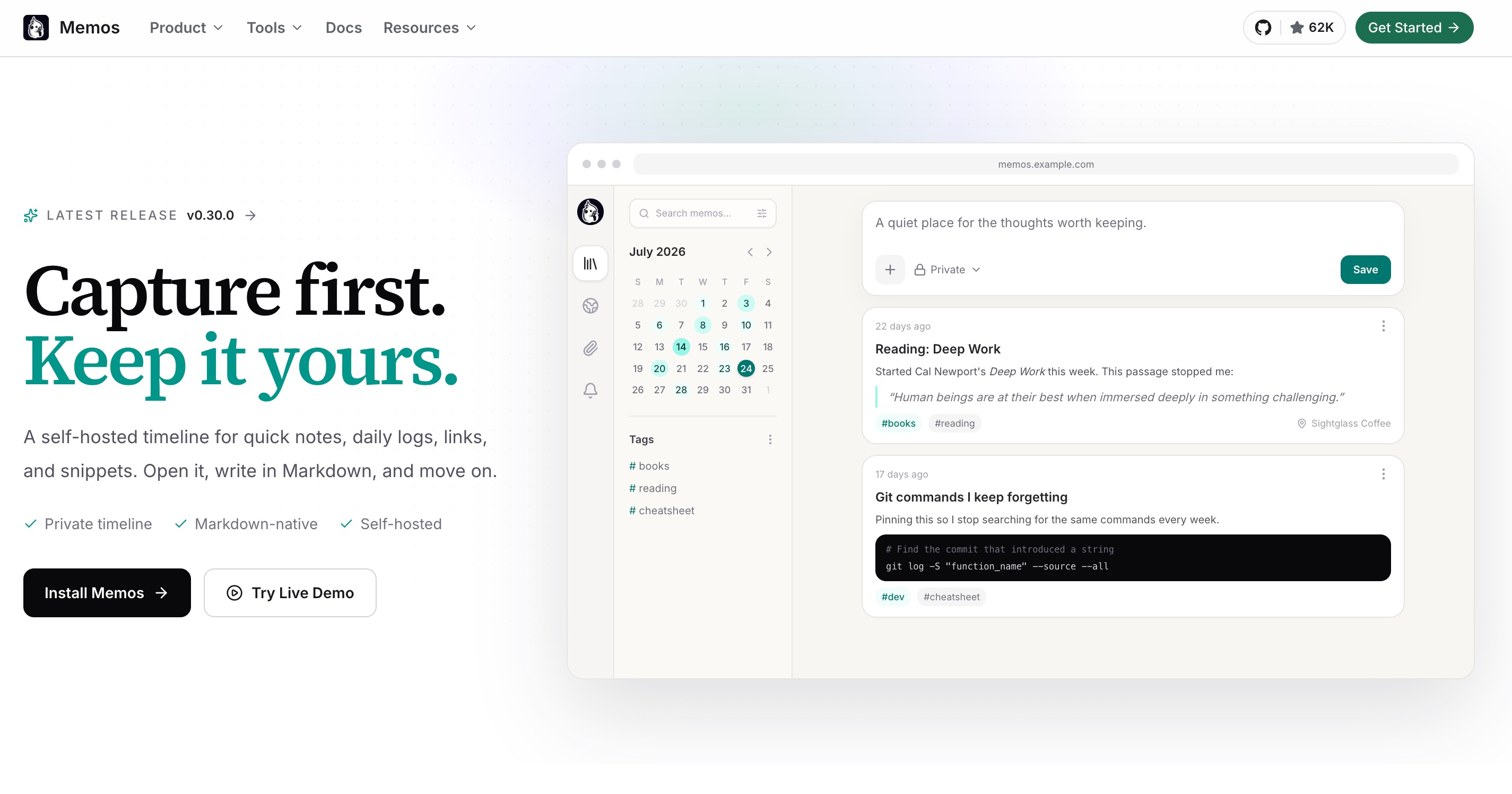
Memos started as a humble open-source project and has evolved into a powerhouse for privacy-centric users in 2026. It is essentially a lightweight, self-hosted memo hub that captures your thoughts, snippets, and research data. By acting as a local database, Memos allows you to feed curated, markdown-formatted text directly into your Perplexity prompts, ensuring that your core context is always preserved securely on your own hardware.
Key Features
- 100% Self-Hosted: Run it entirely locally on your own server or desktop.
- Markdown Support: Full compatibility with standard markdown, making text easily readable for LLMs.
- Lightweight RESTful API: Easily connect custom scripts to push and pull data to Perplexity.
- Tagging and Filtering: Robust manual organization system for quick context retrieval.
Pros
- Completely free and open-source with no hidden fees.
- Maximum privacy and security since data never leaves your local environment.
- Extremely lightweight, running efficiently on minimal hardware.
Cons
- Lacks automatic context injection; requires manual copy-pasting or custom API scripts.
- No built-in semantic search; relies heavily on manual tags.
Pricing
100% Free (Open Source).
3. MemPalace
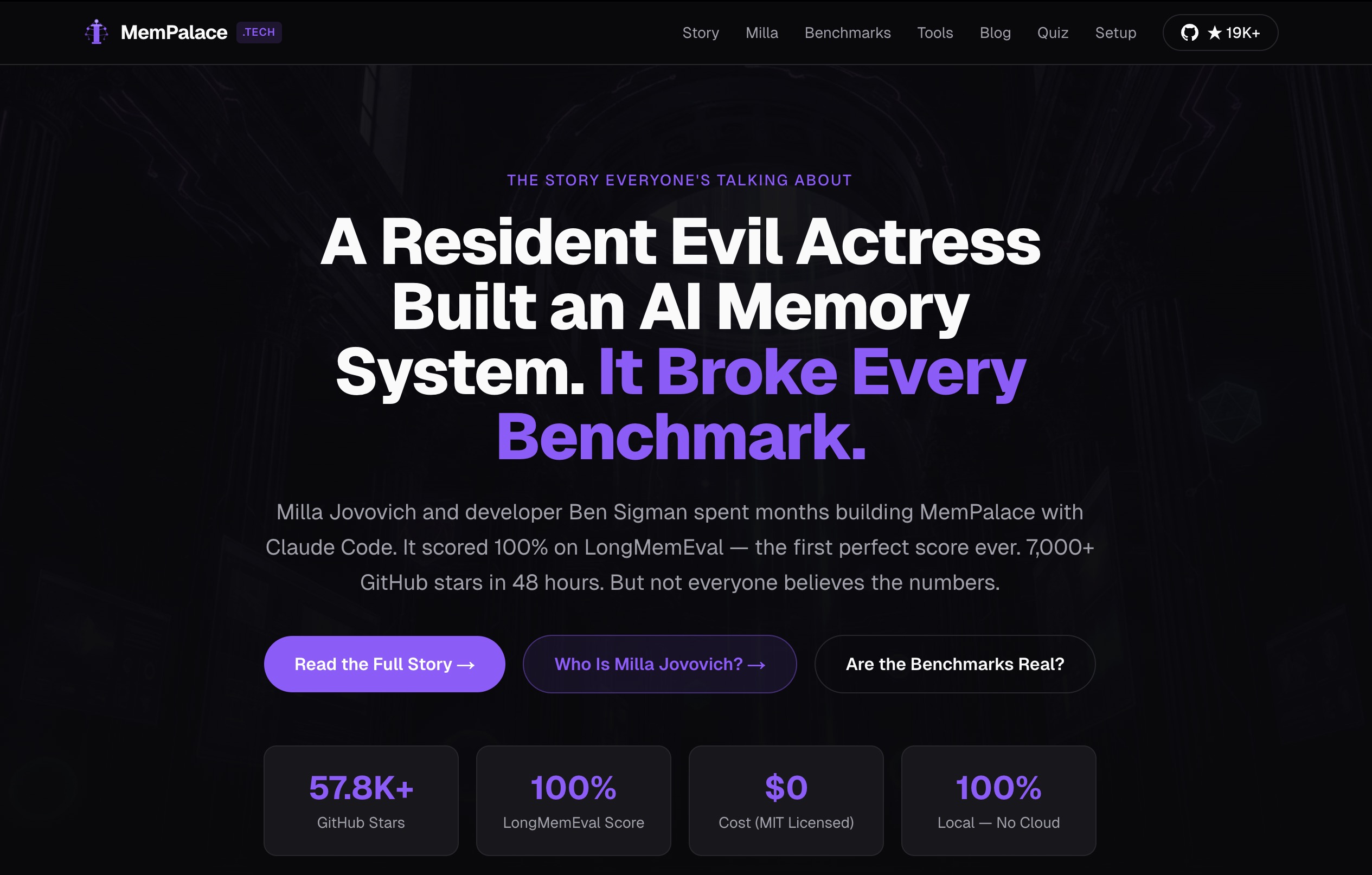
MemPalace takes a radically different, highly visual approach to data storage. Borrowing from the ancient "Method of Loci" (mind palace) technique, it allows users to spatially map out their research, data, and context in a visual 3D node environment. When using Perplexity, you can select specific "rooms" or "clusters" of your palace to generate an instant, highly targeted context brief that Perplexity can process to give you nuanced, hyper-specific answers.
Key Features
- Spatial Context Mapping: Visualize relationships between your data points in a graphical interface.
- Drag-and-Drop Context Generation: Easily combine different visual nodes to generate a comprehensive prompt.
- Perplexity API Integration: Send your selected context tree directly to Perplexity with one click.
- Multimedia Support: Store images, PDFs, and links within specific visual nodes.
Pros
- Perfect for visual learners and complex, non-linear research projects.
- Makes understanding the connections in your data highly intuitive.
- Prevents context bloat by letting you easily exclude irrelevant data branches.
Cons
- Building the initial visual palace is time-consuming and requires manual effort.
- Can be graphically intensive on older machines.
Pricing
Free.
4. Honcho
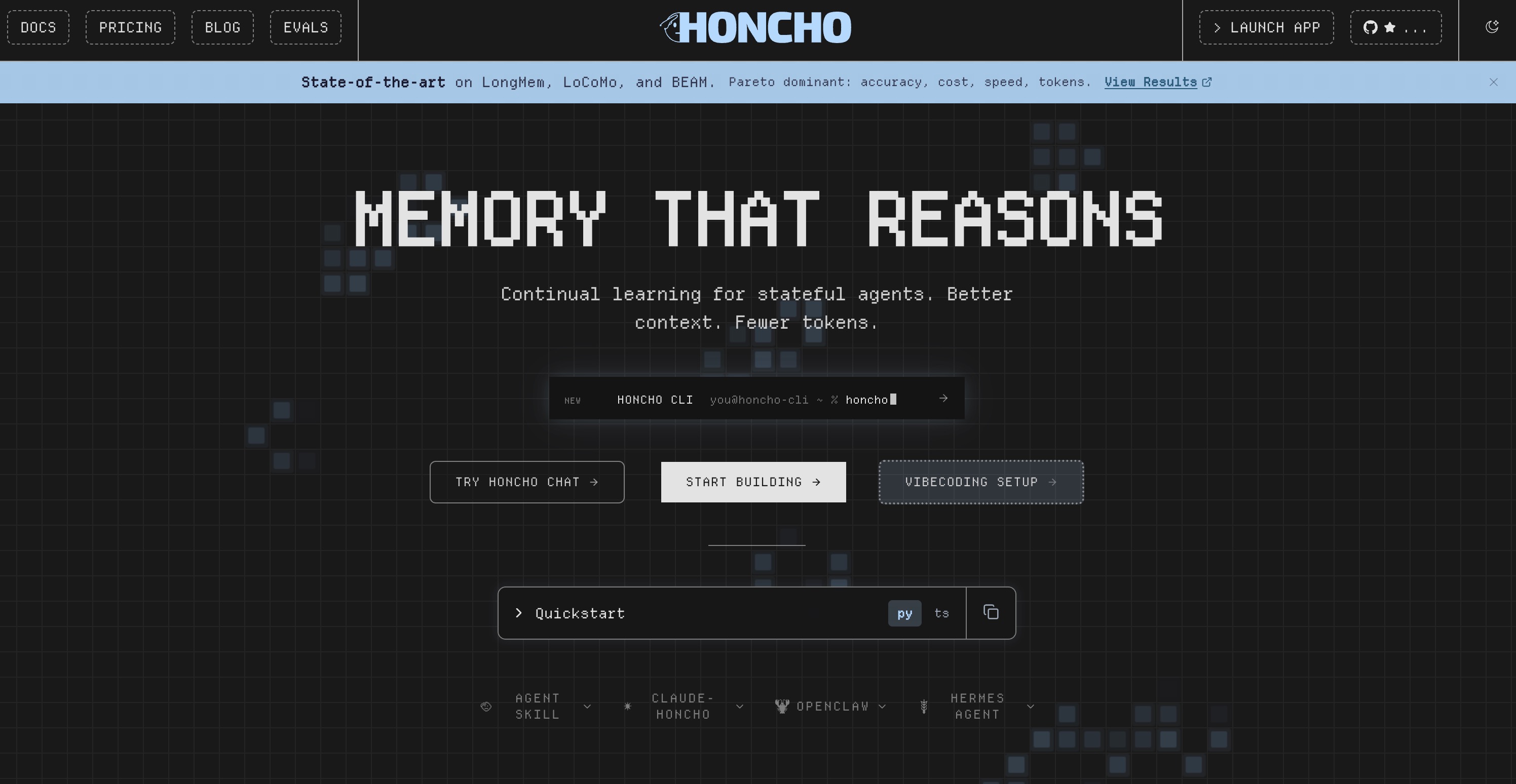
Honcho is a developer-centric memory platform designed to solve the personalization problem in AI applications. If you are building wrappers, custom agents, or automated workflows on top of the Perplexity API in 2026, Honcho acts as the ultimate user-profiling engine. It focuses heavily on "dialectic memory," meaning it continuously learns about the user through ongoing conversational interactions and automatically updates their profile behind the scenes.
Key Features
- Dialectic Memory Engine: Learns and updates user preferences, facts, and tone continuously from conversation streams.
- Automated User Profiling: Extracts hidden insights (e.g., "user prefers Python over Java") without explicit instruction.
- Developer-First API: Clean, modern SDKs for Python, TypeScript, and Go.
- Multi-Tenancy Support: Easily manage distinct memory profiles for thousands of different end-users.
Pros
- Provides an unparalleled level of AI personalization.
- Removes the heavy lifting of database management for application developers.
- Highly scalable and reliable for production environments.
Cons
- Strictly aimed at developers; no consumer-facing interface for everyday Perplexity users.
- Requires coding knowledge to integrate properly.
Pricing
Pay-as-you-go model based on read/write API operations, usually costing fractions of a cent per call.
5. Mem0
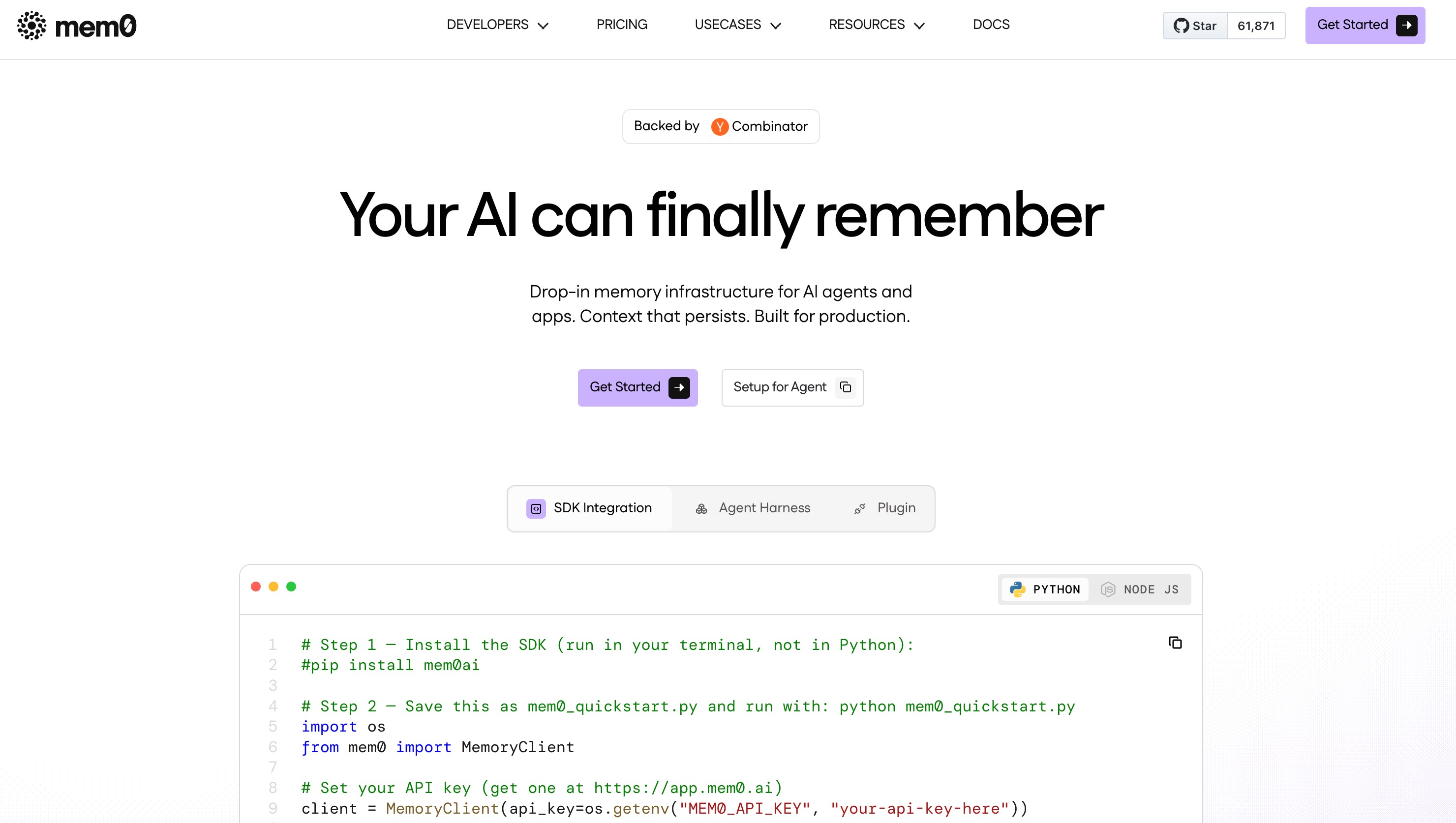
Evolving from the popular open-source project Embedchain, Mem0 has become a staple in 2026 for those who want an adaptable, multi-tier memory framework. Mem0 provides a smart memory layer that seamlessly connects to Perplexity. It distinguishes itself by categorizing memory into short-term (session-specific), long-term (user facts), and semantic (knowledge bases), ensuring that the AI knows exactly _when_ to reference a specific piece of information.
Key Features
- Multi-Tier Memory Architecture: Separates ephemeral context from permanent user traits.
- Framework Agnostic: Works beautifully with Perplexity, OpenAI, Anthropic, and open-source models.
- Self-Healing Memory: Automatically resolves contradictory information (e.g., updating a user's current job title).
- Vector and Relational Storage: Combines structured and unstructured data seamlessly.
Pros
- Highly adaptable to complex workflows and different AI ecosystems.
- Strong community support with frequent open-source updates.
- Excellent automatic curation of conflicting facts.
Cons
- Setup can be highly technical and requires command-line experience.
- Managed cloud version can get pricey for solo users.
Pricing
Free for the open-source version. Managed cloud services start at $19/month.
6. Pinecone
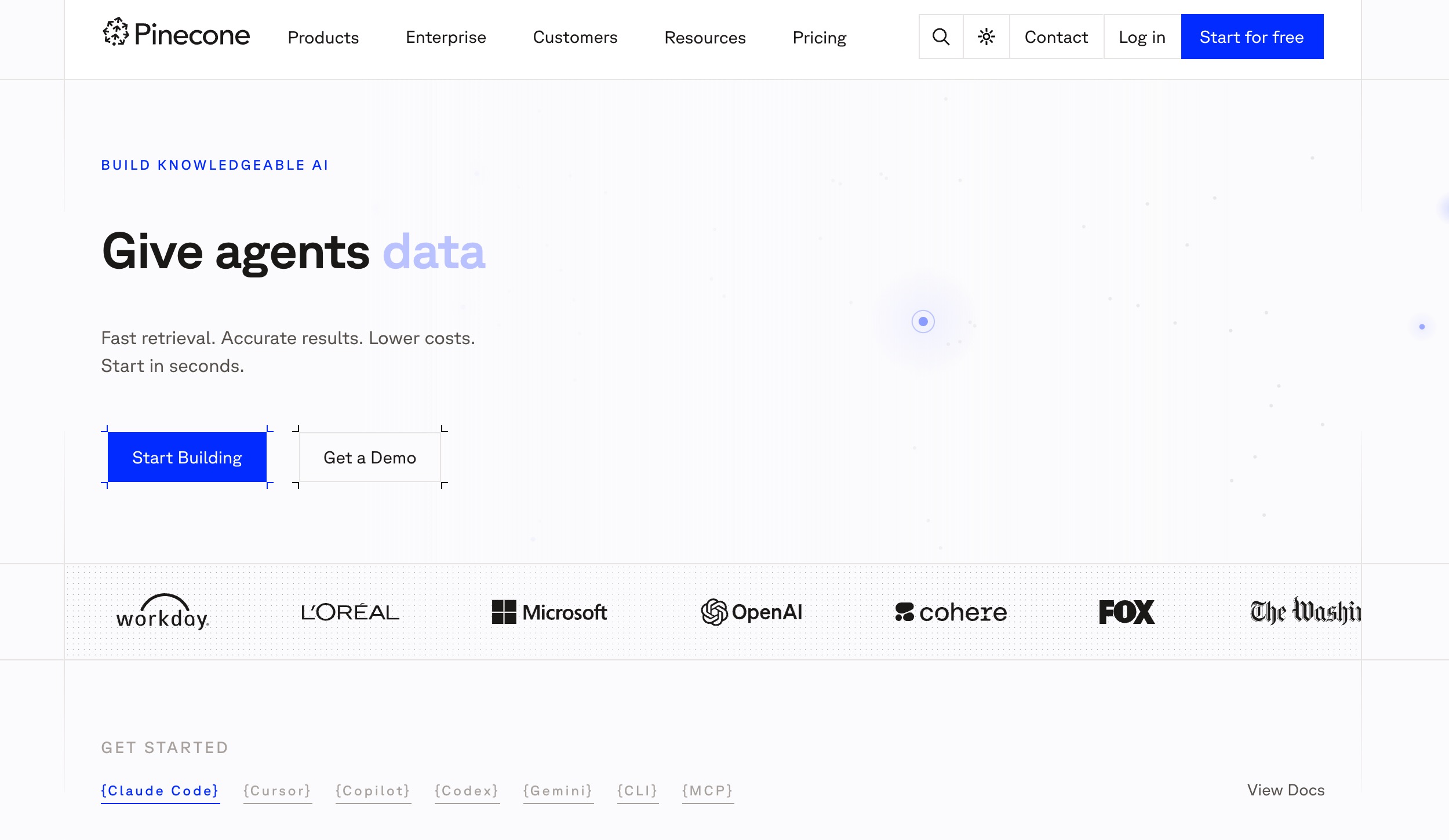
Pinecone is the undisputed heavyweight champion of vector databases. While not exclusively built for Perplexity, it is the underlying infrastructure that power users and enterprises use to grant infinite memory to their AI tools. By converting massive libraries of text into mathematical vectors, Pinecone allows Perplexity to search through billions of documents in milliseconds, making it the premier choice for enterprise-scale RAG (Retrieval-Augmented Generation) setups.
Key Features
- Serverless Architecture: Automatically scales compute and storage without manual provisioning.
- Ultra-Low Latency: Returns semantic search results across billions of vectors in under 50 milliseconds.
- Live Index Updates: Add or delete data in real-time without needing to rebuild the database.
- Enterprise-Grade Security: SOC 2 Type II, GDPR, and HIPAA compliant.
Pros
- Unmatched scale; can handle massive corporate databases effortlessly.
- Incredibly fast and reliable uptime.
- Industry standard, meaning documentation and community support are flawless.
Cons
- It is just a database; you must build the conversational logic and Perplexity integration yourself.
- Overkill for individual researchers or casual users.
Pricing
Serverless model starts with a generous Free Tier; paid usage starts at $20/month flat.
7. Cognee
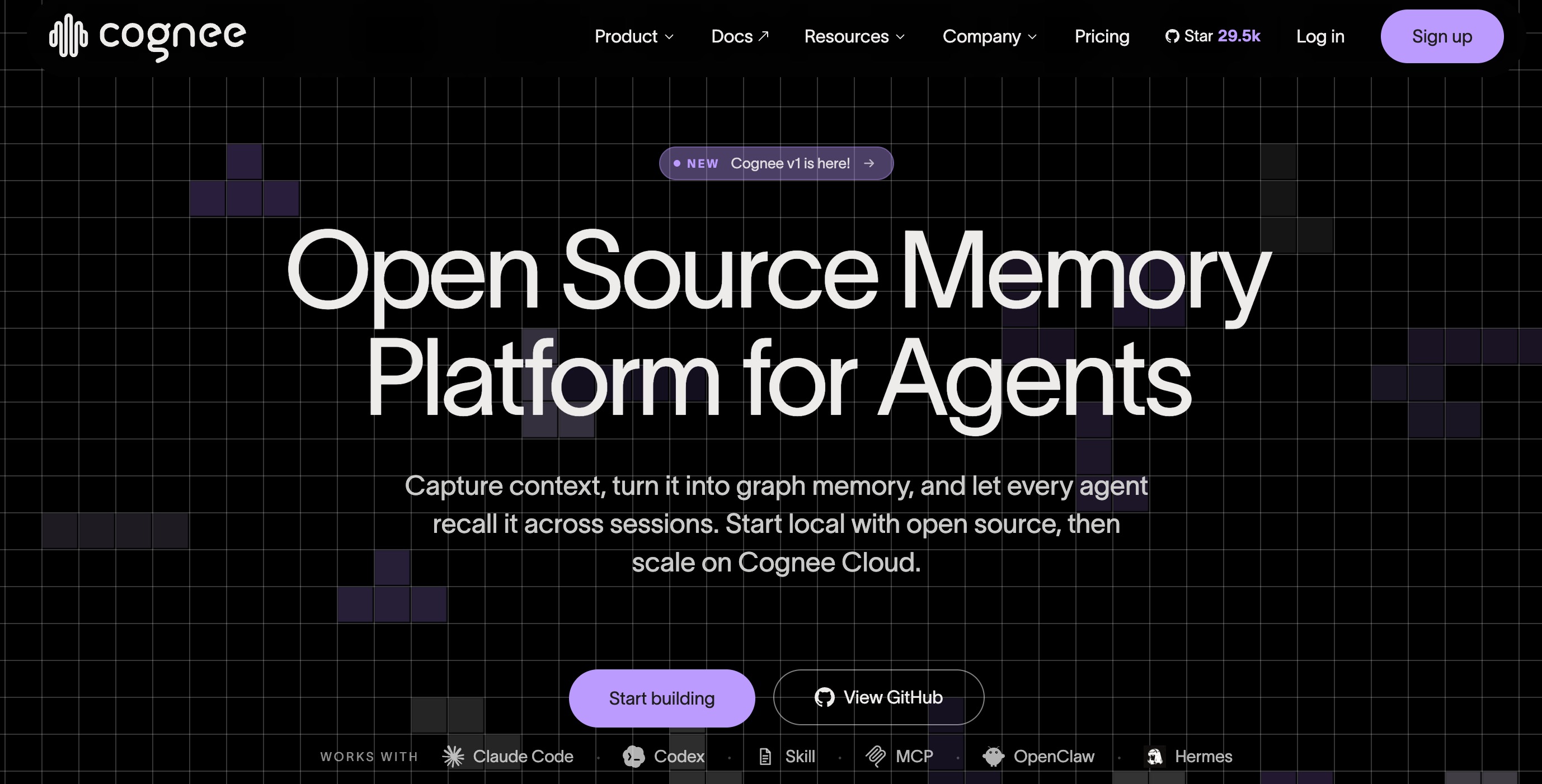
When traditional vector search falls short and results in AI hallucinations, Cognee steps in. Cognee is a cognitive architecture tool that focuses heavily on deterministic, graph-based memory. Instead of just guessing what information is related based on semantic similarity, Cognee builds explicit, traceable pathways between data points. When connected to Perplexity, it ensures that the AI only uses fact-checked, directly linked data, making it a favorite for legal and medical researchers.
Key Features
- Deterministic Knowledge Graphs: Maps exact relationships (e.g., "A causes B") rather than proximity scores.
- Data Lineage Tracing: Shows exactly which document and line a piece of memory came from.
- Advanced RAG Enhancement: Pre-filters data before sending it to the Perplexity context window.
- Modularity: Plugs into various data pipelines smoothly.
Pros
- Virtually eliminates AI hallucinations by forcing strict data retrieval.
- Perfect for highly regulated industries requiring audit trails.
- Provides clear visibility into how the AI is connecting concepts.
Cons
- Steep learning curve to understand graph architectures.
- Slower deployment time compared to simple vector databases.
Pricing
Open-core model for basic use. Enterprise deployments require custom pricing (usually starting around $500/month).
8. Hyperspell
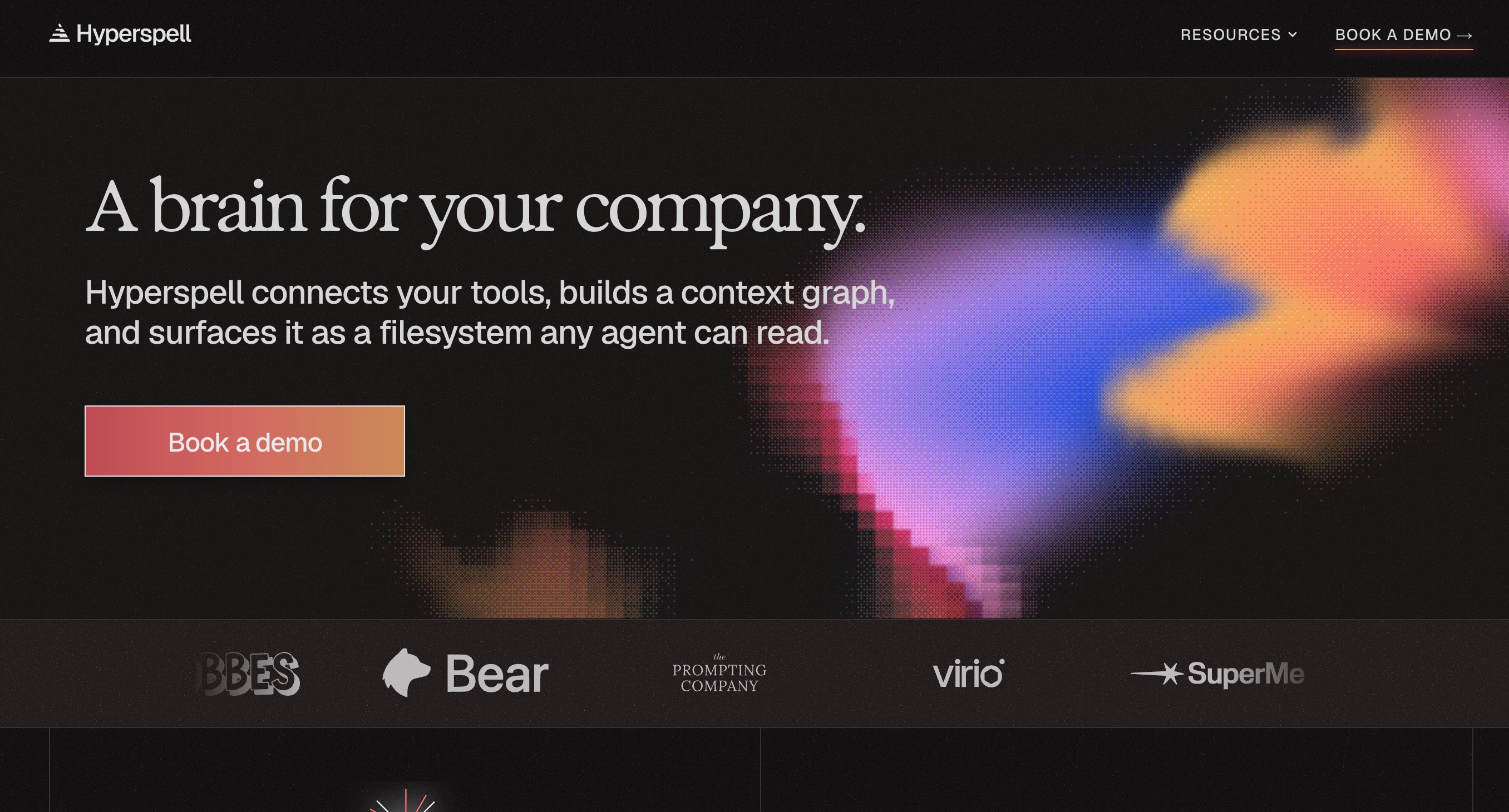
Hyperspell is a niche but incredibly powerful tool for users who prioritize speed and real-time data ingestion. Think of it as a dynamic embedding tool that lives in your system tray. As you highlight text, save links, or take notes, Hyperspell instantly vectorizes the content in RAM. When you ask Perplexity a question, Hyperspell acts as a middleman, injecting the exact context of what you were just working on milliseconds before the query is sent.
Key Features
- In-Memory Vectorization: Uses RAM instead of disk storage for blazing-fast retrieval speeds.
- Global Hotkeys: Highlight any text anywhere on your OS and instantly send it to the context pool.
- Lightweight Agent: Consumes almost zero CPU when idle.
- Ephemeral Context Mode: Auto-deletes memory after a session to keep the workspace clean.
Pros
- Unbeatable speed; the fastest way to inject current context into Perplexity.
- Extremely lightweight and non-intrusive.
- Great for rapid, fluid workflows across multiple desktop applications.
Cons
- Not designed for long-term, persistent storage spanning years.
- Relies heavily on available system RAM.
Pricing
Custom Pricing.
9. Supermemory
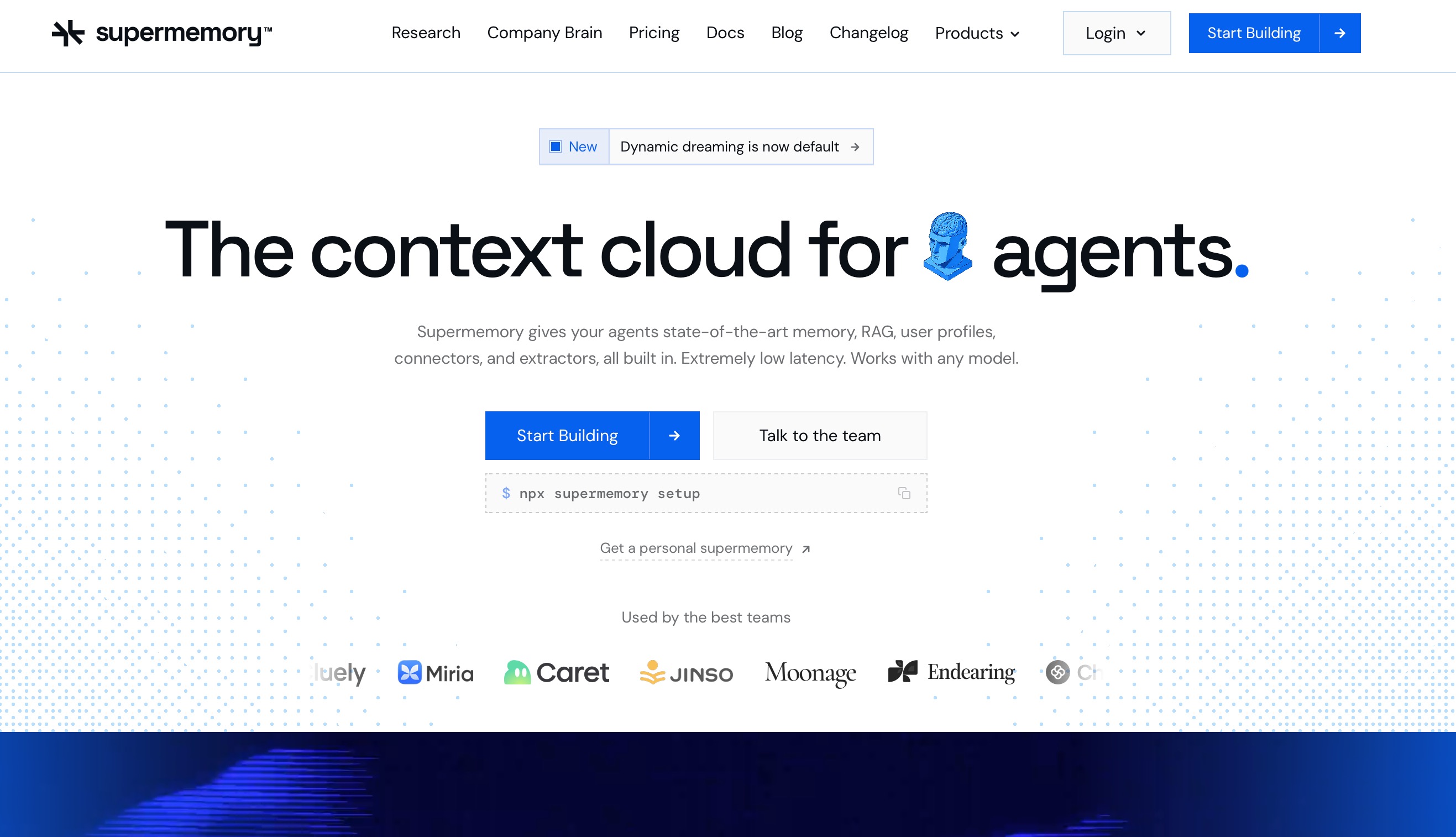
Supermemory effectively bridges the gap between a modern bookmark manager and a personal AI brain. Tailored toward researchers, students, and content creators, it allows users to clip web pages, PDFs, and tweets directly into an organized dashboard. With its dedicated Perplexity browser extension, it enables Perplexity to "read" your saved bookmarks during a chat, ensuring the AI references the exact articles you've curated rather than random web search results.
Key Features
- One-Click Web Clipper: Instantly save full-text content from any webpage.
- Automatic Categorization: Uses AI to sort your saved data into logical folders.
- Perplexity Extension Integration: A seamless Chrome/Edge extension that bridges the database to your AI chats.
- Canvas View: A built-in whiteboard to arrange saved snippets visually.
Pros
- Incredibly user-friendly; zero technical knowledge required.
- Excellent UI/UX that feels like a modern productivity app.
- Great for managing research sources for academic or content writing.
Cons
- Can quickly become cluttered if you save too many pages without manual curation.
- Search can sometimes struggle with extremely large PDFs.
Pricing
Free basic tier available. Premium tier starts at $19/month.
How to Choose the Right Perplexity Memory Solution
Selecting the optimal memory fix for your workflow in 2026 doesn't have to be overwhelming if you assess your specific needs carefully.
- Assess Your Technical Skills: If you don't know how to code, avoid tools like Pinecone, Cognee, or Honcho. Stick to user-friendly, out-of-the-box solutions like MemoryLake, Supermemory, or MemPalace.
- Determine Your Scale: Are you saving a few weekly articles, or are you indexing an entire corporate wiki? Memos and Hyperspell are great for individuals, while Pinecone and Mem0 are built to handle massive data sets.
- Evaluate Budget Constraints: If you want zero costs and value privacy, open-source tools like Memos are your best bet. If you are willing to spend a bit for automation, a paid subscription is worth the time saved.
- Check Native Compatibility: If you heavily use Perplexity Spaces, look for tools that offer direct API integration or native syncing features to ensure you aren't stuck copy-pasting text manually.
Conclusion
Overcoming Perplexity's context window and session limits is no longer an insurmountable challenge in 2026. Whether you need a local markdown hub, a visual memory palace, or an enterprise vector database, there is a solution tailored for you. However, if you want the absolute best balance of powerful hybrid technology, ease of use, and cross-AI portability, you must look into MemoryLake. By automating context injection and perfectly blending graph and vector searches, MemoryLake stands out as the ultimate fix. Stop repeating yourself to your AI—let MemoryLake remember so you can focus on creating.