
What Is Honcho?
Honcho is a developer-focused platform designed to manage application state and conversational memory for Large Language Models (LLMs).
- Context Management: It acts as an external memory drive for LLMs, storing user interactions across sessions.
- Session Persistence: Honcho helps developers maintain continuous dialogues without losing the thread of the conversation.
- API-Driven: It provides easy-to-use APIs to inject past conversational data into new AI prompts.
- Cost Efficiency: By intelligently managing what context to send to the model, it helps reduce token usage.
What to Look for in a Honcho Alternative
When evaluating an AI memory layer to replace or upgrade from Honcho, you should prioritize the following criteria:
- Retrieval Accuracy: The ability to fetch the exact relevant piece of past information without hallucination.
- Scalability: The infrastructure must support thousands of concurrent users and massive interaction logs.
- Developer Experience (DX): Clean documentation, native SDKs (Python, Node.js), and easy API integration.
- Data Security: Enterprise-grade compliance, encryption in transit, and robust access controls.
- Multi-Agent Support: The capability to share contextual memory across different AI agents seamlessly.
Comparison Table: Top 11 Alternatives
Here is a quick overview of the 12 products (Honcho + 11 Alternatives) we evaluated for AI memory infrastructure:
| Product | Best For | Key Feature | Starting Price |
|---|---|---|---|
| MemoryLake | Persistent multi-agent memory | Universal context reuse | $19/month |
| Mem0 | Open-source personalization | Self-hosted memory graphs | $19/mo |
| Supermemory | Individual developers & startups | Visual memory management | $19/mo |
| Glean | Enterprise workplaces | Internal knowledge search | Custom Enterprise |
| Vectorize | RAG pipelines | Automated vector updates | Pay-as-you-go |
| Recall.ai | Meeting & voice AI | Audio/Video context API | Pay-as-you-go |
| Second Brain | Personal knowledge bases | Markdown-based AI memory | Open source |
| Squish | Context window compression | Token optimization | $9/mo |
| XTrace | AI memory debugging | Traceable logic logs | $25/mo |
| Noumi | Consumer app personalization | Dynamic user personas | $100/mo |
| Memdex | Graph-based AI indexing | Semantic knowledge graphs | $10/mo |
1. MemoryLake
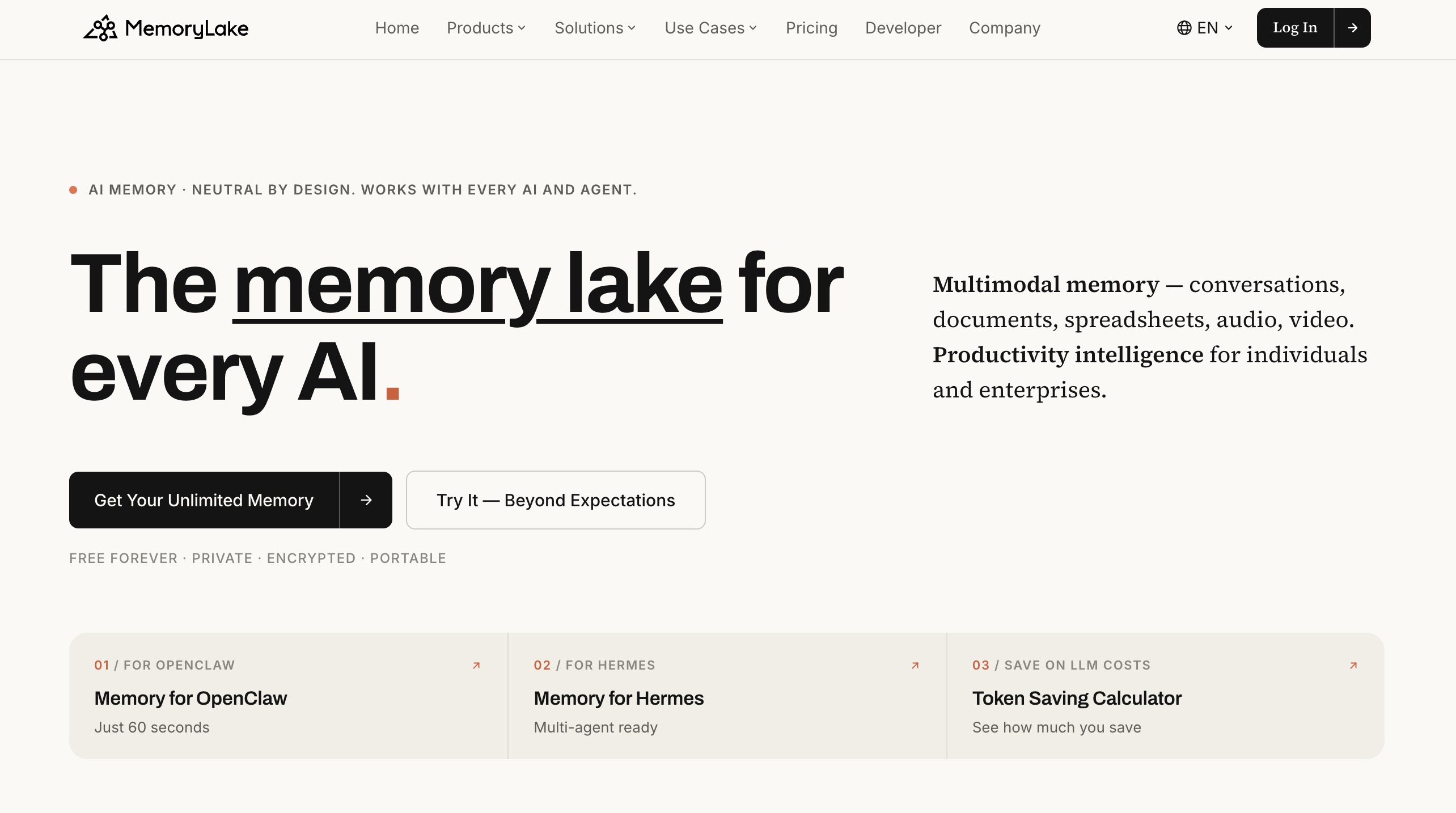
MemoryLake is a persistent memory infrastructure designed to help AI agents and applications maintain context across conversations, tasks, and sessions. Instead of treating every interaction as a fresh start, it enables AI systems to store, organize, retrieve, and reuse relevant information over time. This can include user preferences, historical interactions, important facts, task context, and other long-term knowledge.
MemoryLake is suitable for a wide range of AI applications, from personal assistants and customer support agents to AI-powered workflows, multi-agent systems, and interactive virtual characters. Its focus on persistent, structured memory makes it easier for developers to build AI experiences that feel more consistent, personalized, and context-aware.
For teams building agents that need to remember users and previous interactions, MemoryLake provides a dedicated memory layer that can complement existing AI models, agent frameworks, and application infrastructure. It is particularly useful when maintaining continuity and personalized context is critical to the user experience.
Key Features
- Universal persistent storage for interactions and user preferences.
- Native integration with popular AI agent frameworks.
- Automated organization and retrieval of long-term knowledge.
- Cross-session continuity for multi-agent systems.
Pros
- Incredibly easy to integrate with existing AI infrastructures.
- Highly scalable for both consumer apps and enterprise workflows.
- Eliminates the "blank slate" problem effortlessly.
- Provides granular control over what the AI remembers and forgets.
Cons
- May be overpowered for very simple, single-turn chatbots.
- Requires a slight learning curve to optimize memory structures.
Pricing
Generous Free Tier available; Pro plans start at $19/month based on usage.
2. Mem0
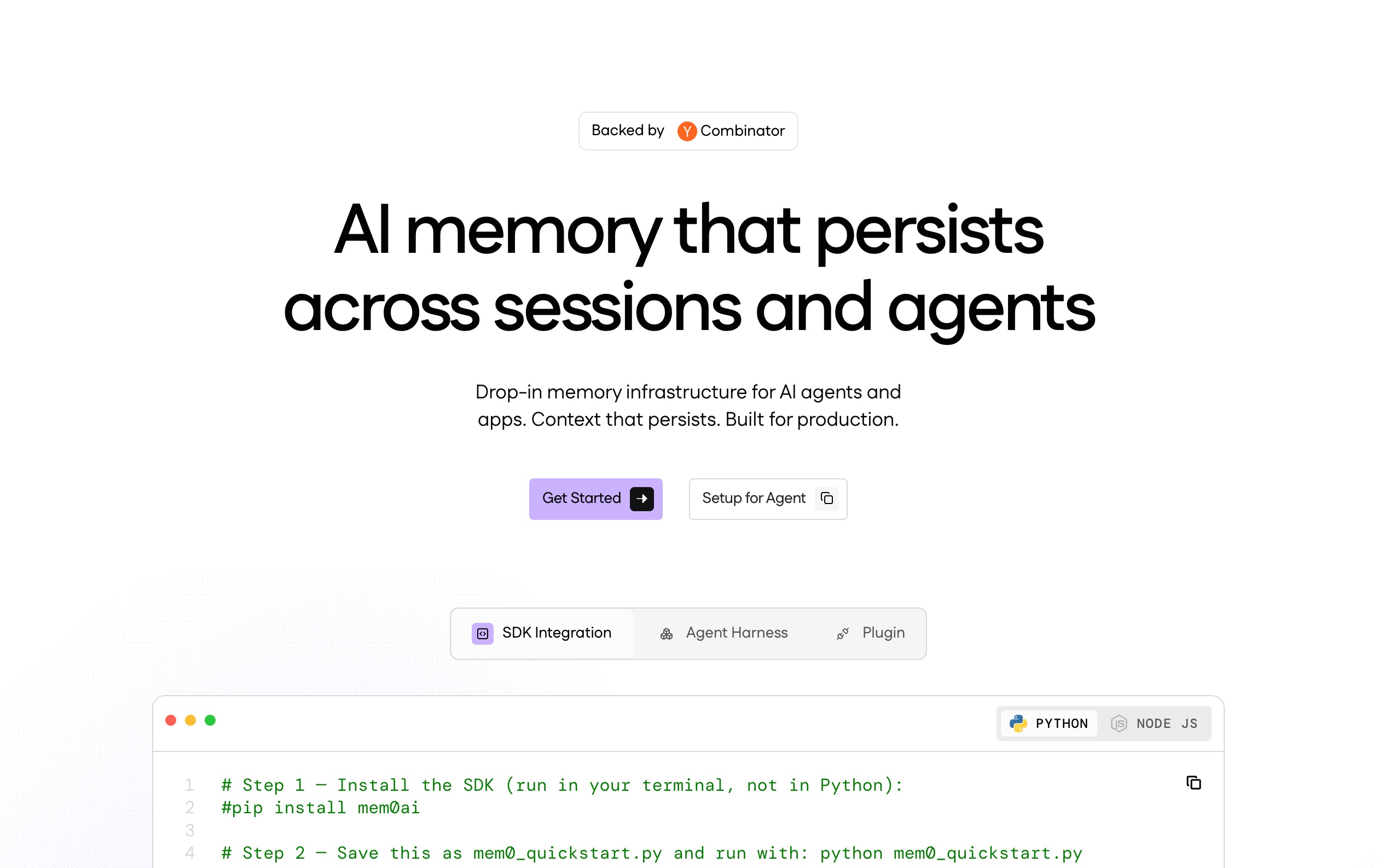
Mem0 (formerly Embedchain) is an open-source memory layer tailored for LLMs. It focuses on helping developers build personalized AI applications by managing user-specific memory automatically.
Key Features
- Vector database abstraction.
- User-level memory isolation.
- Open-source core architecture.
Pros
- Great community support and active GitHub repository.
- Highly customizable for unique personalization workflows.
- Cost-effective for self-hosters.
Cons
- Cloud version can become expensive at scale.
- Self-hosting requires infrastructure maintenance.
Pricing
Free (Open Source); Managed Cloud pricing starts at $19/month.
3. Supermemory
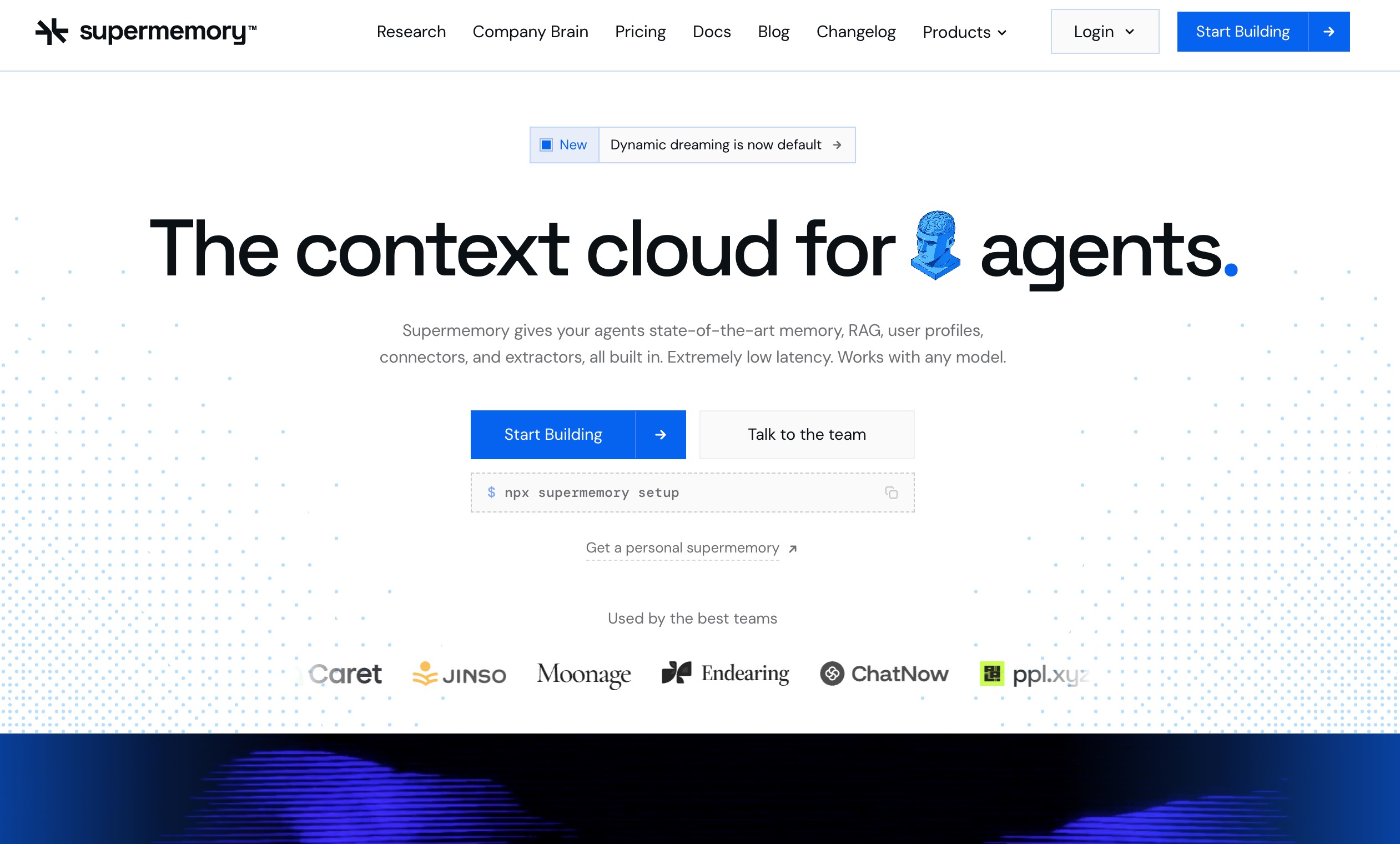
Supermemory acts as a second brain for AI tools. It is geared towards developers who want a ready-to-use, visual dashboard to manage exactly what their AI models are absorbing and recalling.
Key Features
- Visual dashboard for memory management.
- Chrome extension for saving context.
- API for querying saved data.
Pros
- Excellent user interface and developer experience.
- Very fast setup time for prototyping.
- Great for personal AI assistants.
Cons
- Lacks complex multi-agent synchronization features.
- Not strictly designed for massive enterprise data lakes.
Pricing
Free basic tier; Pro tier at $19/month.
4. Glean
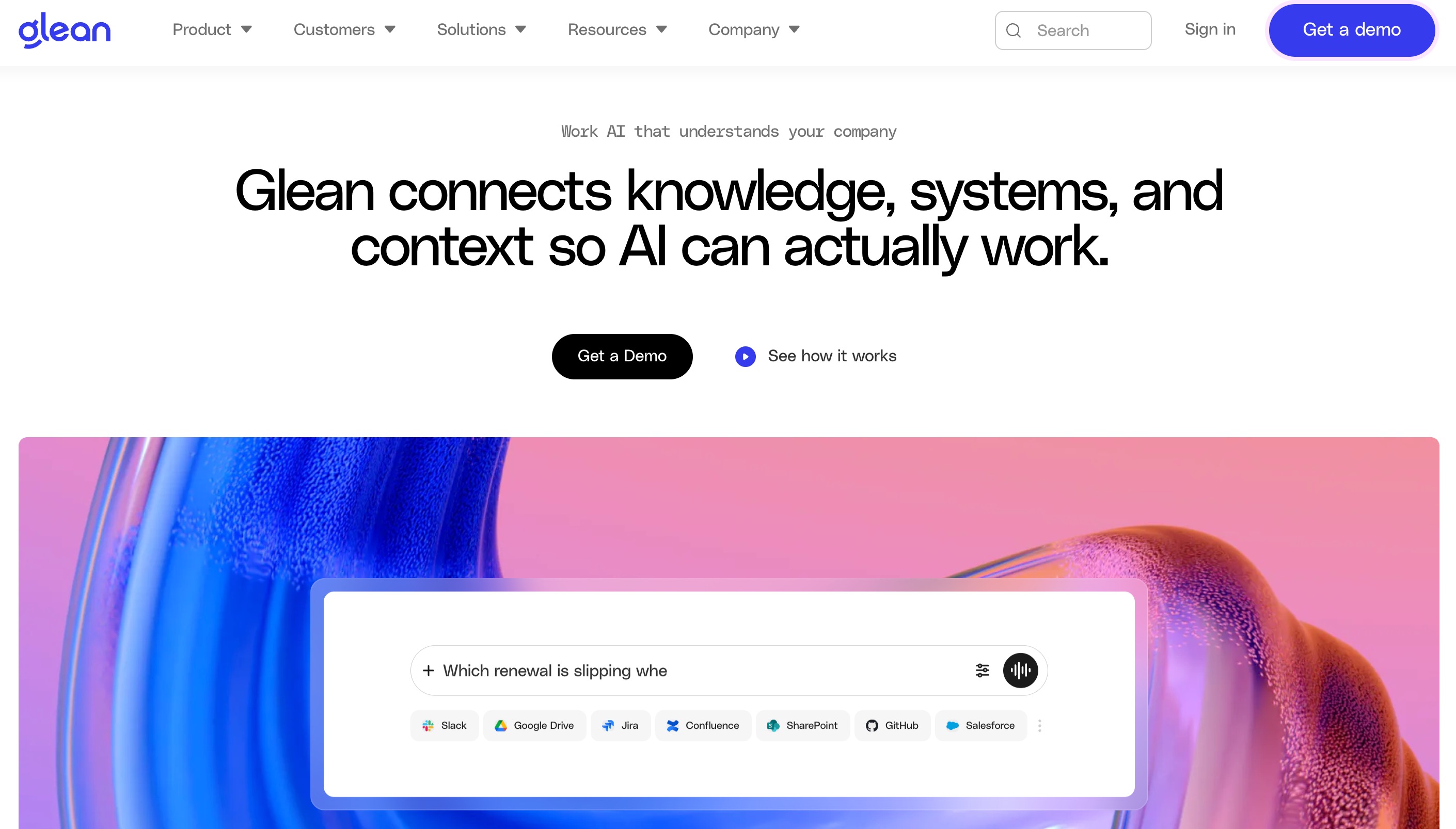
Glean is an enterprise-grade AI search and memory platform. It connects with a company's internal apps to give AI models context about organizational knowledge.
Key Features
- Pre-built connectors to SaaS apps (Slack, Jira, Drive).
- Strict permission and access control boundaries.
- Enterprise conversational AI interface.
Pros
- Unmatched enterprise security and compliance.
- Eliminates manual context feeding for corporate workflows.
- Highly accurate RAG (Retrieval-Augmented Generation).
Cons
- Very expensive for startups or solo developers.
- Implementation can take time for large organizations.
Pricing
Custom enterprise pricing only.
5. Vectorize
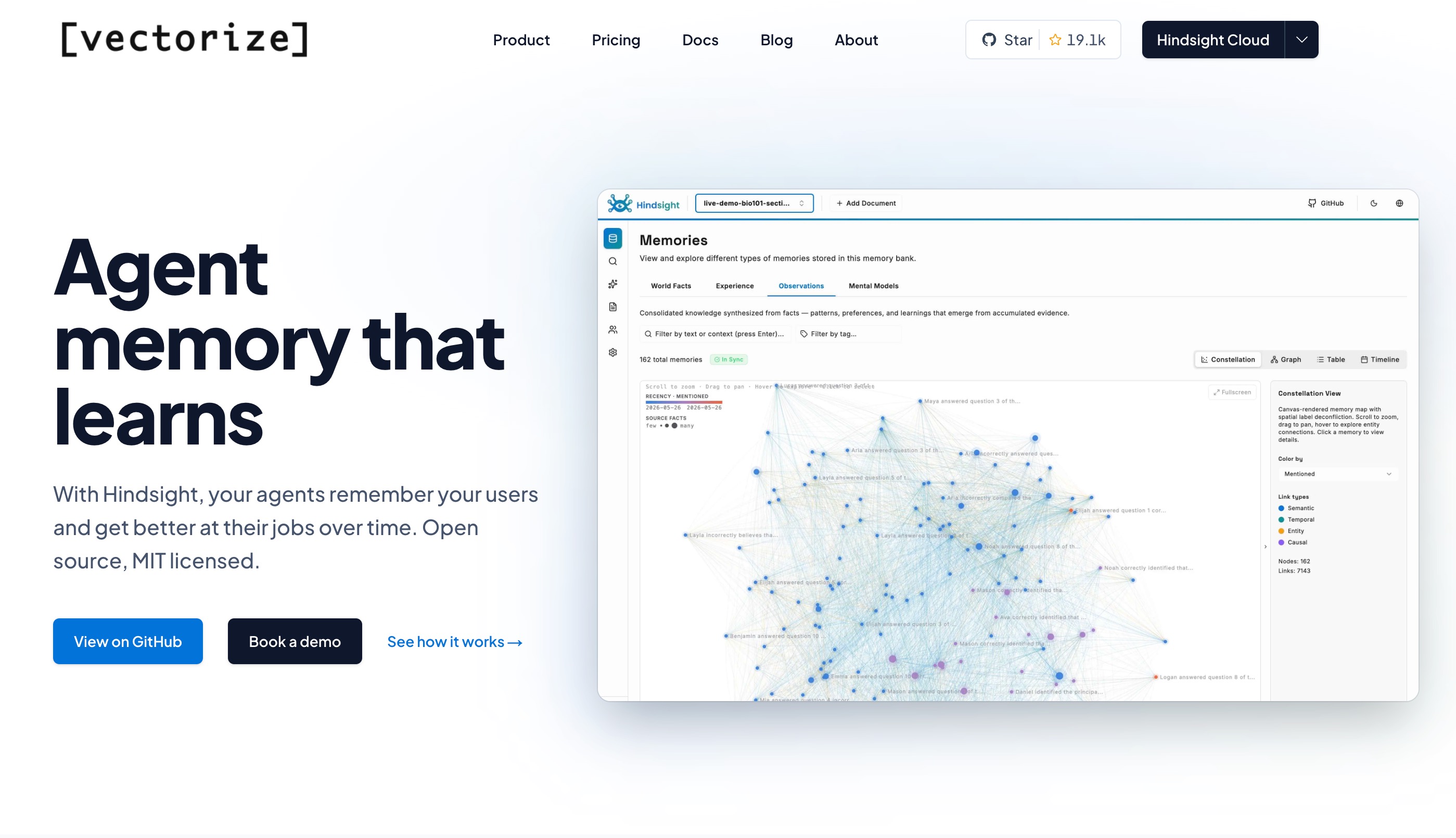
Vectorize is a data pipeline platform designed to feed vector databases, ensuring AI memory is always up-to-date with the latest unstructured data.
Key Features
- Automated chunking and embedding pipelines.
- Real-time data synchronization.
- Support for multiple LLMs and vector stores.
Pros
- Drastically reduces boilerplate code for RAG setups.
- Keeps AI memory fresh without manual updates.
- High data throughput capabilities.
Cons
- More of a data pipeline tool than a pure session memory manager.
- Requires an existing vector database to function fully.
Pricing
Free Developer Tier; Pay-as-you-go thereafter.
6. Recall.ai
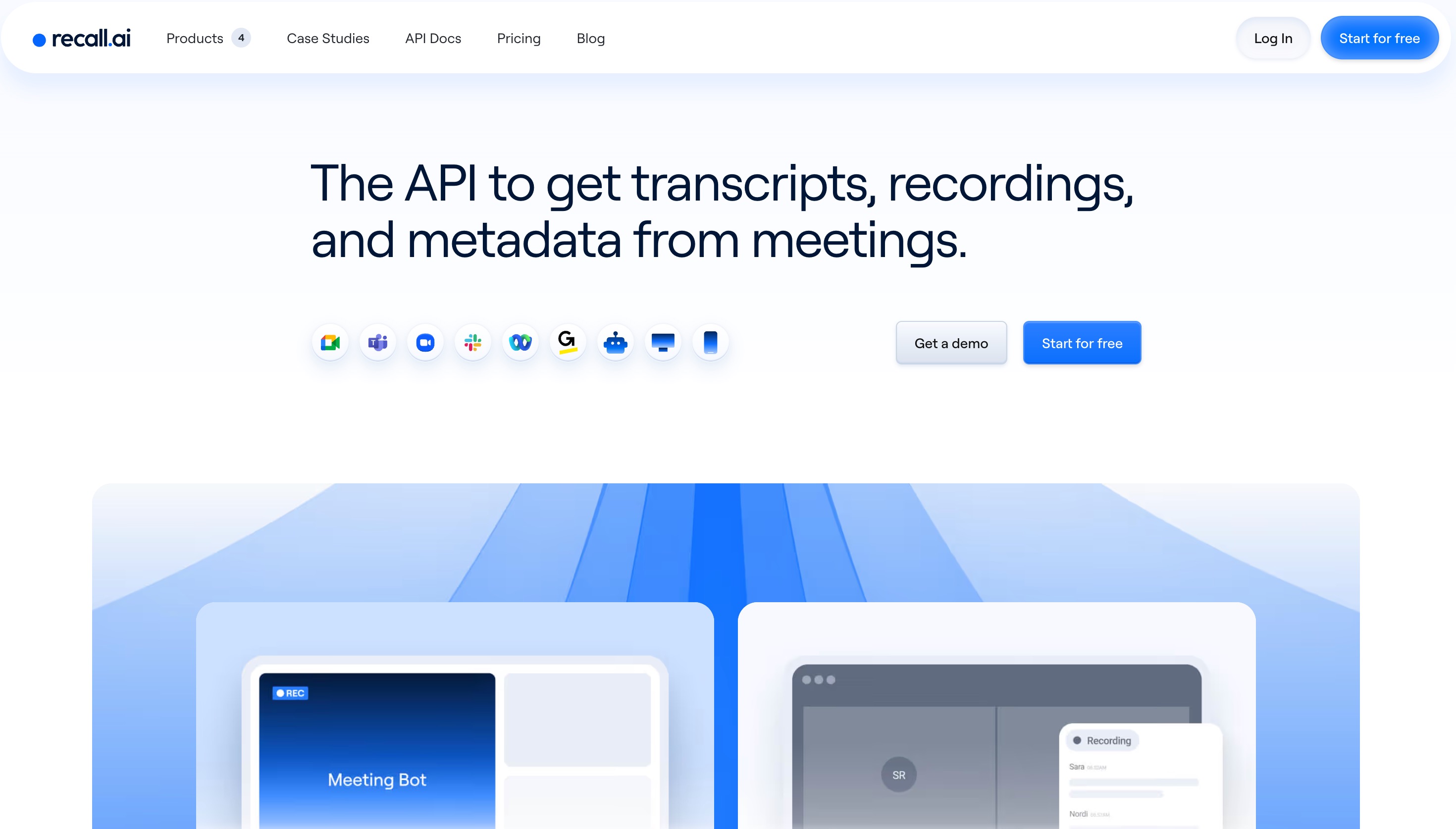
Recall.ai provides a unified API for capturing video and audio meeting data, turning conversational history into searchable AI memory.
Key Features
- Meeting bot integration (Zoom, Teams, Meet).
- Real-time transcription and context extraction.
- Automated summarization pipelines.
Pros
- The best solution for audio/video-based AI memory.
- Highly reliable bot infrastructure.
- Extracts actionable context from unstructured meetings.
Cons
- Niche focus on meetings rather than general application state.
- Pricing scales quickly with video minutes.
Pricing
Pay-as-you-go based on processed minutes.
7. Second Brain
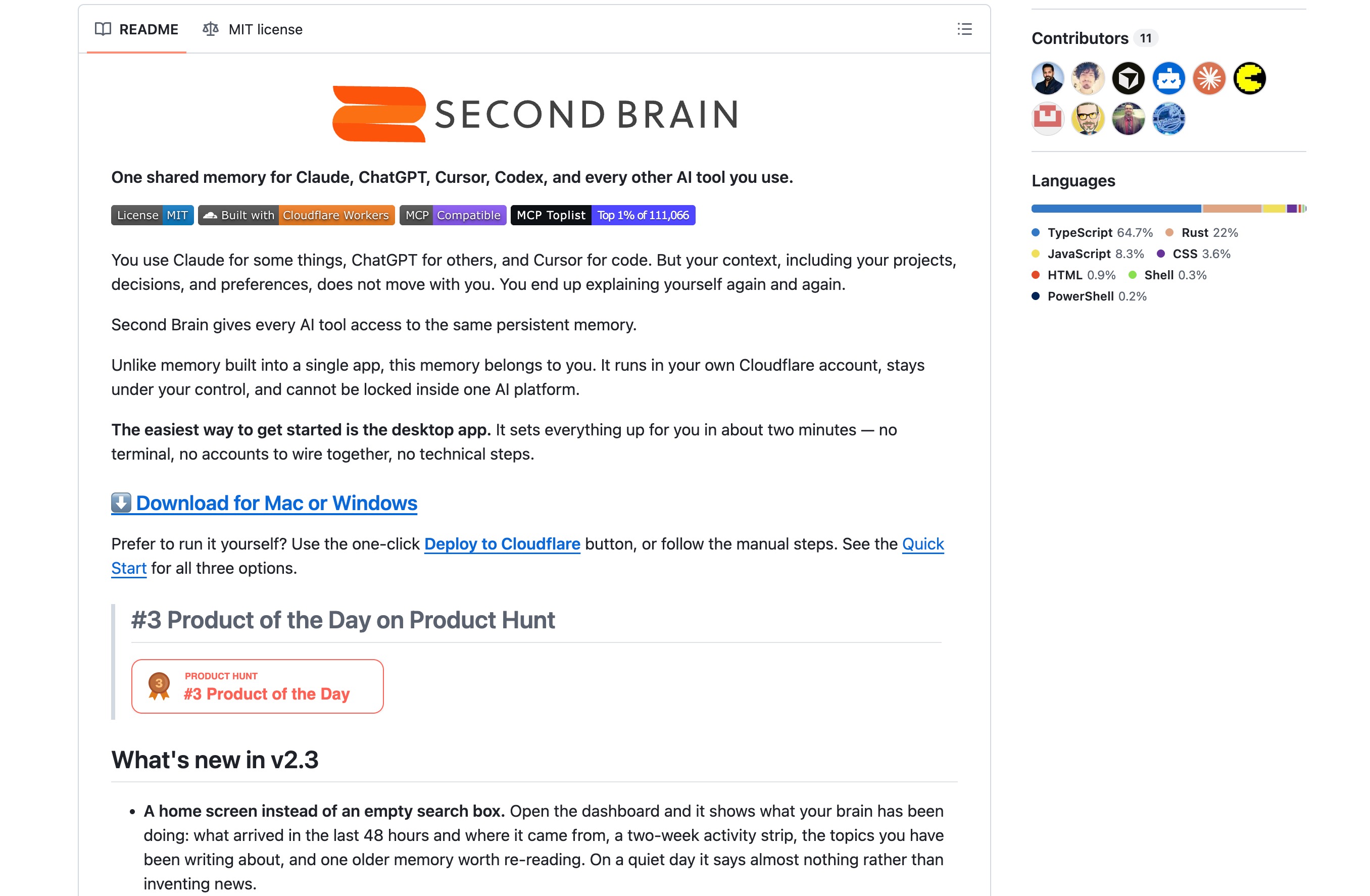
Second Brain is an open-source, self-hosted AI memory layer that provides shared persistent memory across Claude, ChatGPT, Cursor, Codex, and other AI tools. It runs in the user’s own Cloudflare account and uses MCP for cross-AI access.
Key Features
- Cross-AI persistent memory
- MCP-compatible integrations
- Semantic memory retrieval
- Memory capture via desktop, CLI, browser, and Obsidian
- Self-hosted Cloudflare architecture
- Memory import/export and management
Pros
- Free and MIT-licensed
- Works across multiple AI platforms
- Strong data ownership and privacy
- Low vendor lock-in
- Easy desktop setup
Cons
- Requires Cloudflare for self-hosting
- More technical than managed solutions
Pricing
Open source.
8. Squish
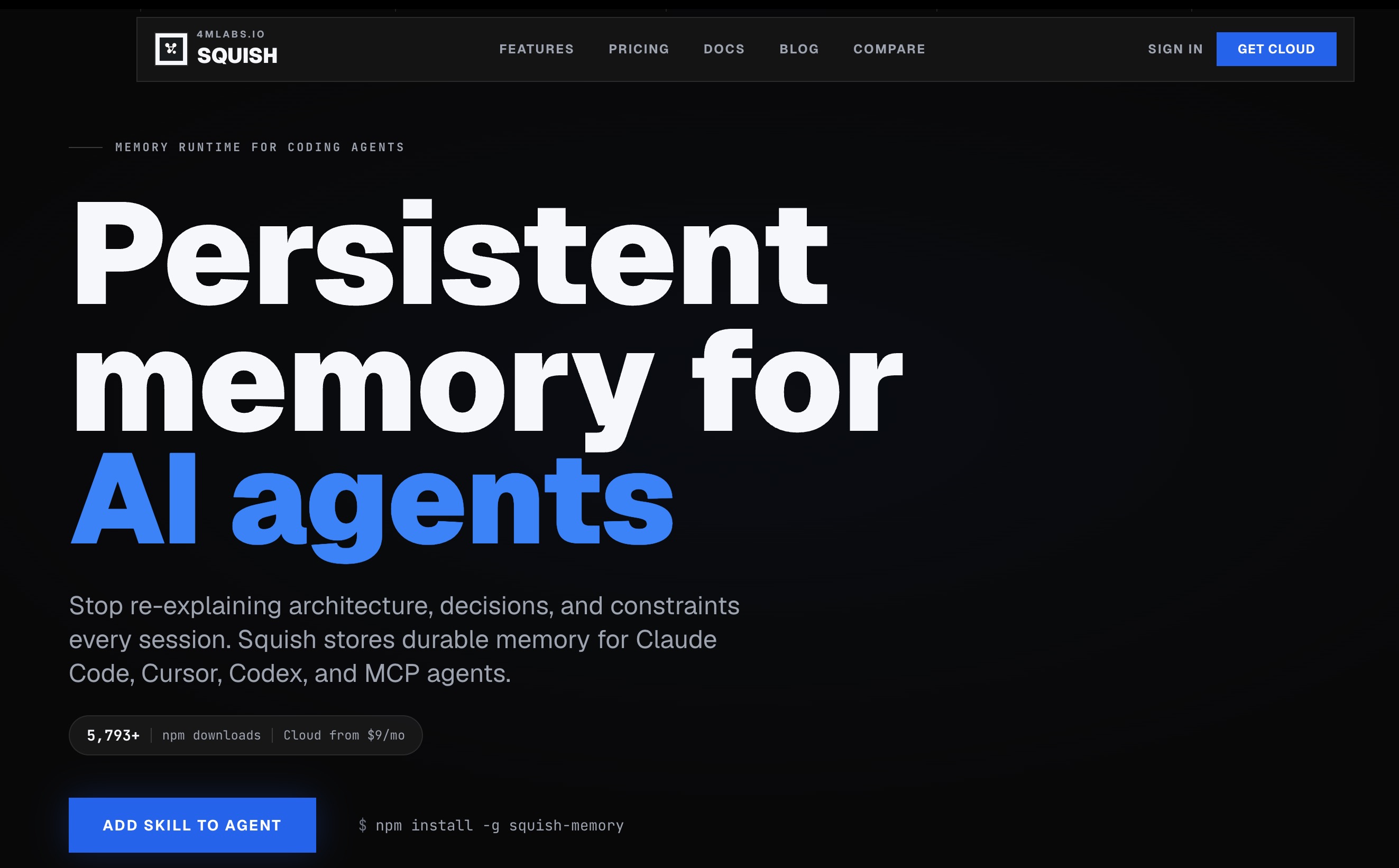
Squish focuses on context compression. Instead of just storing vast amounts of memory, it compresses historical conversational data into dense, token-efficient summaries for AI to read.
Key Features
- Intelligent token compression algorithms.
- Dynamic summary generation.
- Latency optimization tools.
Pros
- Drastically cuts down on LLM API costs.
- Speeds up response times for memory-heavy prompts.
- Easily layers on top of existing memory systems.
Cons
- Compression can sometimes lose highly granular details.
- Newer tool with a smaller community.
Pricing
$9/month.
9. XTrace
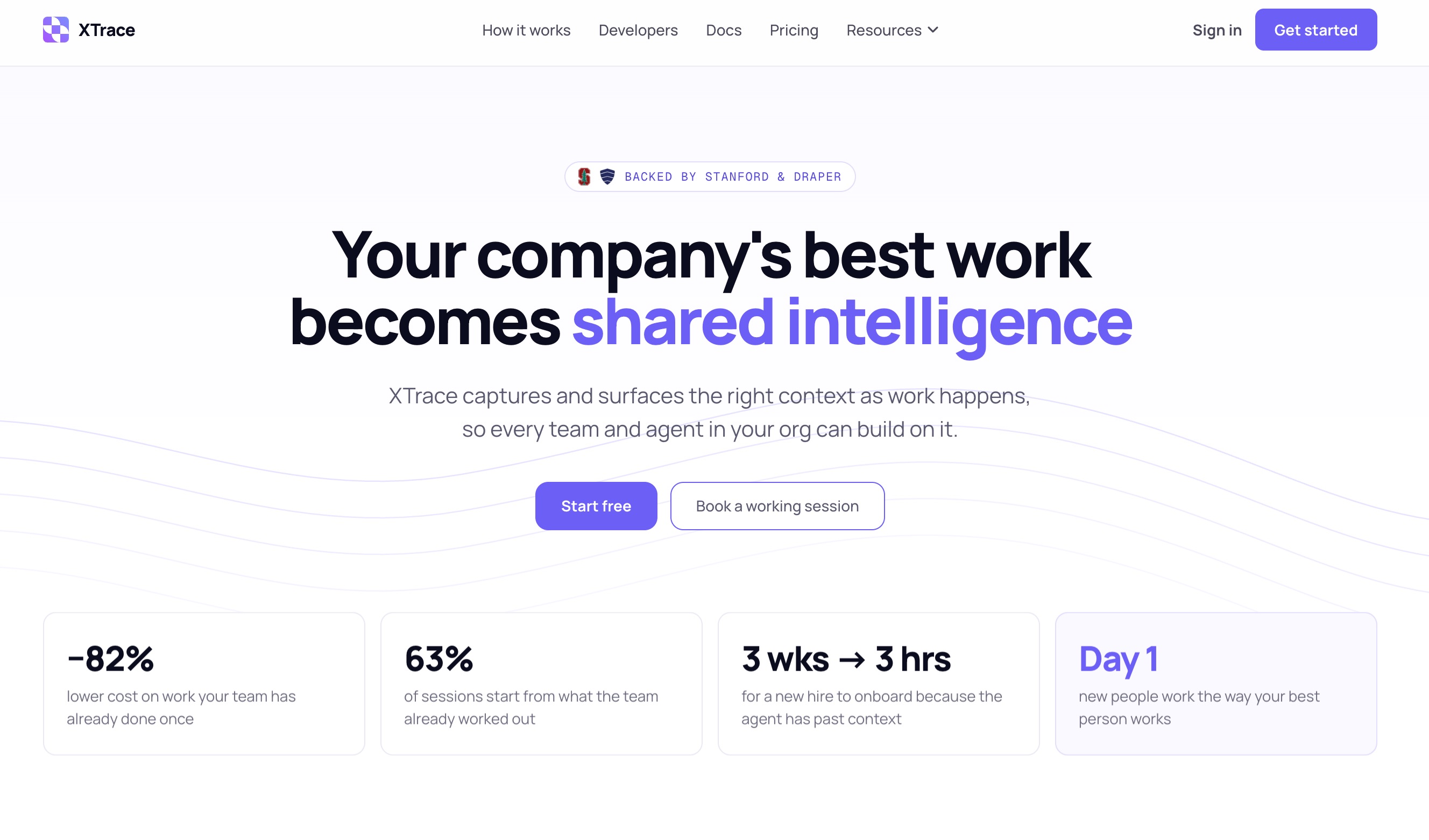
XTrace is a debugging and memory logging tool for AI agents. It allows developers to see exactly what memory the AI retrieved and why it made specific decisions.
Key Features
- Visual memory retrieval tracing.
- Detailed API logs and analytics.
- Agent reasoning evaluation metrics.
Pros
- Invaluable for troubleshooting hallucinating AI.
- Clear visualization of the RAG pipeline.
- Improves overall AI reliability.
Cons
- Strictly an observability tool; doesn't store the memory itself.
- Requires integration with existing vector stores.
Pricing
$25/month per seat.
10. Noumi
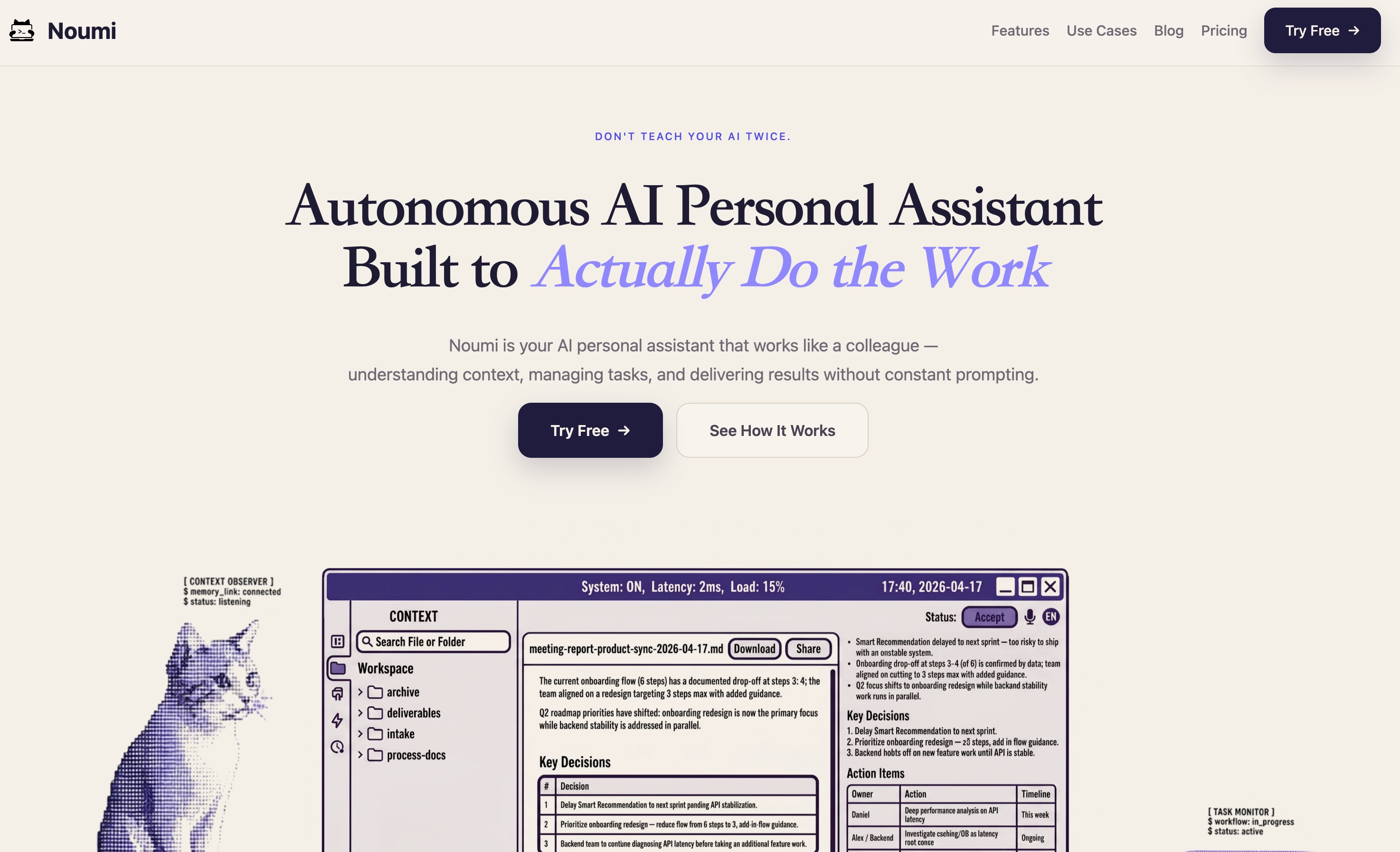
Noumi is an API designed for consumer applications that builds dynamic user personas. As users interact with your app, Noumi updates their persona memory in real-time.
Key Features
- Dynamic persona generation.
- Cross-platform profile syncing.
- Automated preference extraction.
Pros
- Perfect for B2C apps requiring deep personalization.
- Automatically updates user likes/dislikes.
- Very lightweight API.
Cons
- Not suited for factual enterprise knowledge retrieval.
- Limited to user-behavior contexts.
Pricing
$100/month.
11. Memdex
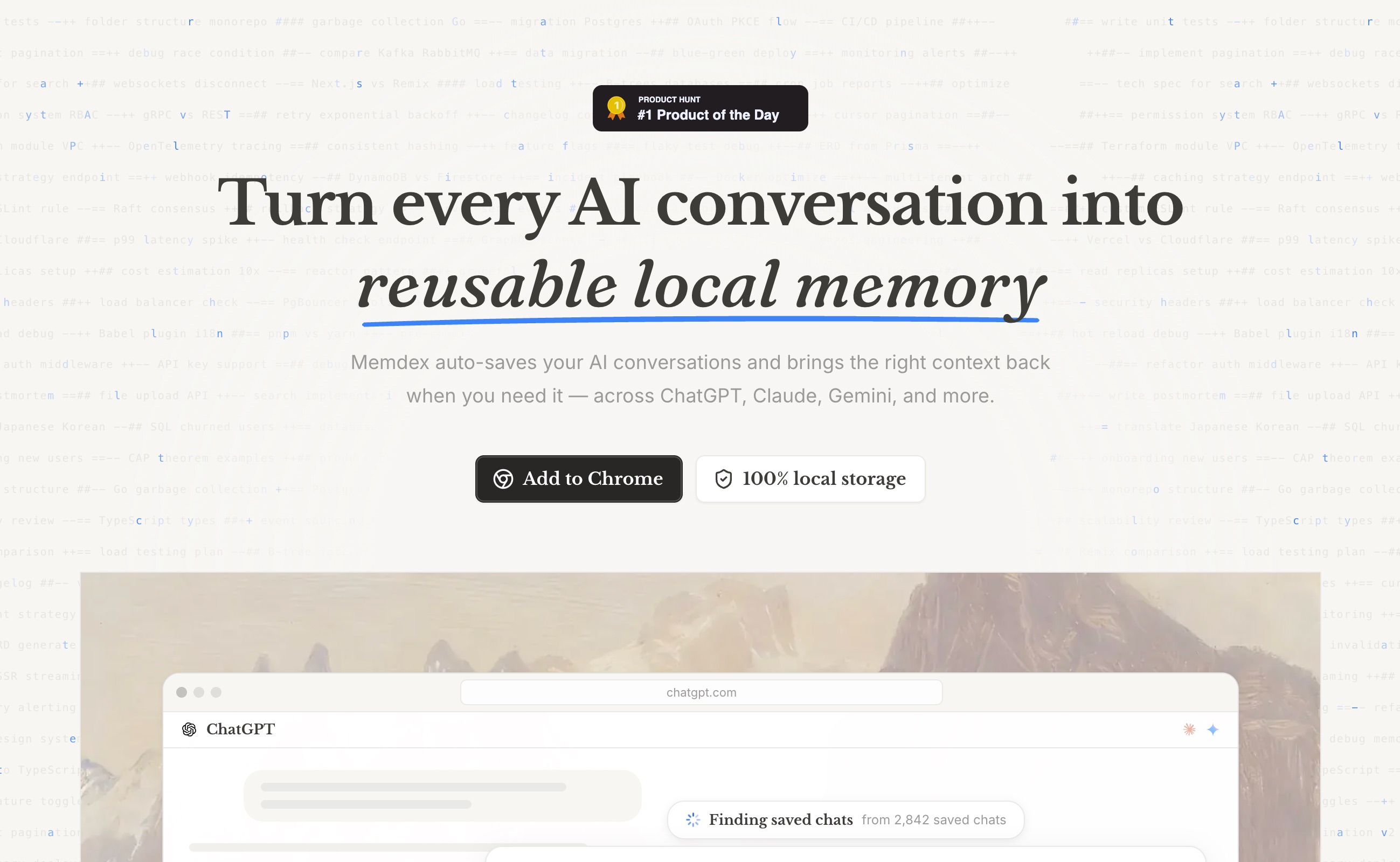
Memdex leverages knowledge graphs to map out AI memory. Instead of simple vector search, it creates relationship maps between different pieces of context.
Key Features
- Graph-based relationship mapping.
- Semantic entity extraction.
- Complex multi-hop reasoning support.
Pros
- Incredible accuracy for complex queries.
- Understands the relationship between different memory points.
- Reduces hallucinations in multi-step AI tasks.
Cons
- Steep learning curve compared to standard vector DBs.
- Custom enterprise pricing makes it inaccessible for hobbyists.
Pricing
$10/month.
How We Tested These Honcho Alternatives
To ensure these platforms deliver on their promises, we ran them through a rigorous testing framework:
- Integration Speed: We measured how long it took to set up the API and integrate it with a standard LangChain/LlamaIndex application.
- Retrieval Latency: We stress-tested the memory retrieval speeds to ensure the AI's response time wouldn't be bottlenecked.
- Context Accuracy: We evaluated whether the tools could recall specific, niche details from a long conversation history without hallucinating.
- Token Efficiency: We monitored how well the tools compressed or optimized the context before feeding it into the LLM prompt.
Which Honcho Alternative Should You Choose?
Selecting the right tool depends heavily on your specific use case, team size, and application requirements:
- For Enterprise Knowledge: Glean is the undisputed choice for massive corporate knowledge bases requiring strict access controls.
- For Open-Source Enthusiasts: Mem0 is an excellent choice if you want to self-host and have complete control over the memory architecture.
- For Meeting Context: Recall.ai is the clear winner for extracting memory from audio and video streams.
- For the Best Overall Performance: MemoryLake stands out as the absolute best alternative. Its dedicated persistent memory infrastructure perfectly balances ease of integration with deep, multi-agent context capabilities. While other tools focus on narrow niches like compression or enterprise search, MemoryLake gives developers a universal, highly scalable foundation that truly makes AI feel consistent, intelligent, and highly personalized.
Final Verdict
Adding a memory layer to your AI application is no longer optional if you want to provide a modern, seamless user experience. While Honcho laid good groundwork, the alternatives available today offer far more power and flexibility. If you want to future-proof your AI agents and ensure they maintain flawless, long-term context across tasks and sessions, you should integrate MemoryLake. Its persistent memory infrastructure is unmatched in helping developers build AI experiences that are truly context-aware and personalized