
Why Do LLM Applications Need Long-Term Memory
Building stateful AI applications requires moving beyond the constraints of standard API calls. Here is a detailed breakdown of why implementing a dedicated long-term memory solution is no longer optional, but essential:
- Hyper-Personalized User Experiences: Long-term memory allows your application to remember specific user preferences, past conversations, and behavioral patterns. Instead of asking the user for their preferences during every single interaction, the AI instantly adapts its tone, recommendations, and output to align with the individual’s historical data.
- Bypassing Context Window Limitations: While modern LLMs boast massive context windows—sometimes accommodating millions of tokens—shoving your entire database into a prompt is neither efficient nor practical. Long-term memory solutions use intelligent retrieval to fetch only the exact snippets of information needed, preventing "needle in a haystack" hallucination issues.
- Significant Cost Optimization: LLM API providers charge by the token. By maintaining a persistent memory layer and dynamically injecting only the most relevant historical context into your prompts, you drastically reduce input token bloat. This continuous saving makes scaling AI applications financially viable.
- Continuous Learning and Adaptation: Memory solutions allow your application to learn from user corrections and feedback continuously. If a user corrects an AI’s assumption on Monday, the memory layer updates its knowledge graph, ensuring the AI never makes the same mistake again on Friday, all without requiring expensive model fine-tuning.
- Multi-Agent Collaboration: In modern agentic workflows, multiple AI agents often need to work together to solve complex problems. A centralized long-term memory acts as a shared brain, allowing different agents to read, write, and share states, ensuring seamless handoffs and coordinated task execution.
How We Reviewed These Memory Solutions
To compile this authoritative list for 2026, we rigorously tested dozens of platforms against strict enterprise and developer criteria. Our evaluation focused on the following key metrics:
- Data Structure Flexibility (Graph vs. Vector): Pure vector databases are great for semantic search, but struggle with complex relationships. We looked for solutions that integrate Knowledge Graphs and relational mapping to provide true "episodic" and "semantic" memory.
- Integration Simplicity & Developer Experience: A good memory layer should abstract complexity, not add to it. We evaluated the quality of SDKs (Python, TypeScript), API documentation, and how quickly a developer could implement the solution into an existing LangChain, Mastra, or custom pipeline.
- Retrieval Speed and Latency: When a user sends a message, the memory retrieval must happen in milliseconds before the LLM generates a response. We measured real-time latency under high-throughput production loads.
- Scalability & Multi-Tenancy: It’s one thing to remember conversations for a hundred users; it’s another to securely isolate and manage continuous memory states for millions of users simultaneously.
- Security and Data Compliance: Given that memory layers store sensitive user data and proprietary enterprise knowledge, we strictly reviewed encryption protocols, role-based access control (RBAC), and compliance with global data privacy standards.
Quick Comparison Table
| Solution | Core Architecture | Best Use Case | Starting Price |
|---|---|---|---|
| MemoryLake | Structured Multimodal Memory Layers | Enterprise agents & deep personalization | Starts free, paid from $19/mo. |
| Mem0 | Multi-tier Vector Storage | Open-source agent memory scaling | Open-source free, cloud from $19/mo. |
| Cognee | Knowledge Graph | Structured relationship mapping | $2.50/1M tokens |
| Evermind.ai | Episodic Memory Engine | Conversational AI and companion bots | Open-source / Custom |
| Supermemory | Semantic Bookmarking | Personal AI assistants & workspaces | Free tier, premium from $19/mo. |
| Maximem | High-throughput Caching | High-traffic real-time AI apps | Starts at $19 per month. |
| Vectorize | Automated Vector Pipeline | RAG data ingestion pipelines | Pay as you go |
| Honcho | State Management Layer | Secure multi-tenant user isolation | $2.00/1M tokens |
| Mastra | Agentic Framework | End-to-end stateful AI development | $250/mo |
| LlamaIndex | Data Framework | Custom index querying and routing | $50/month |
1. MemoryLake
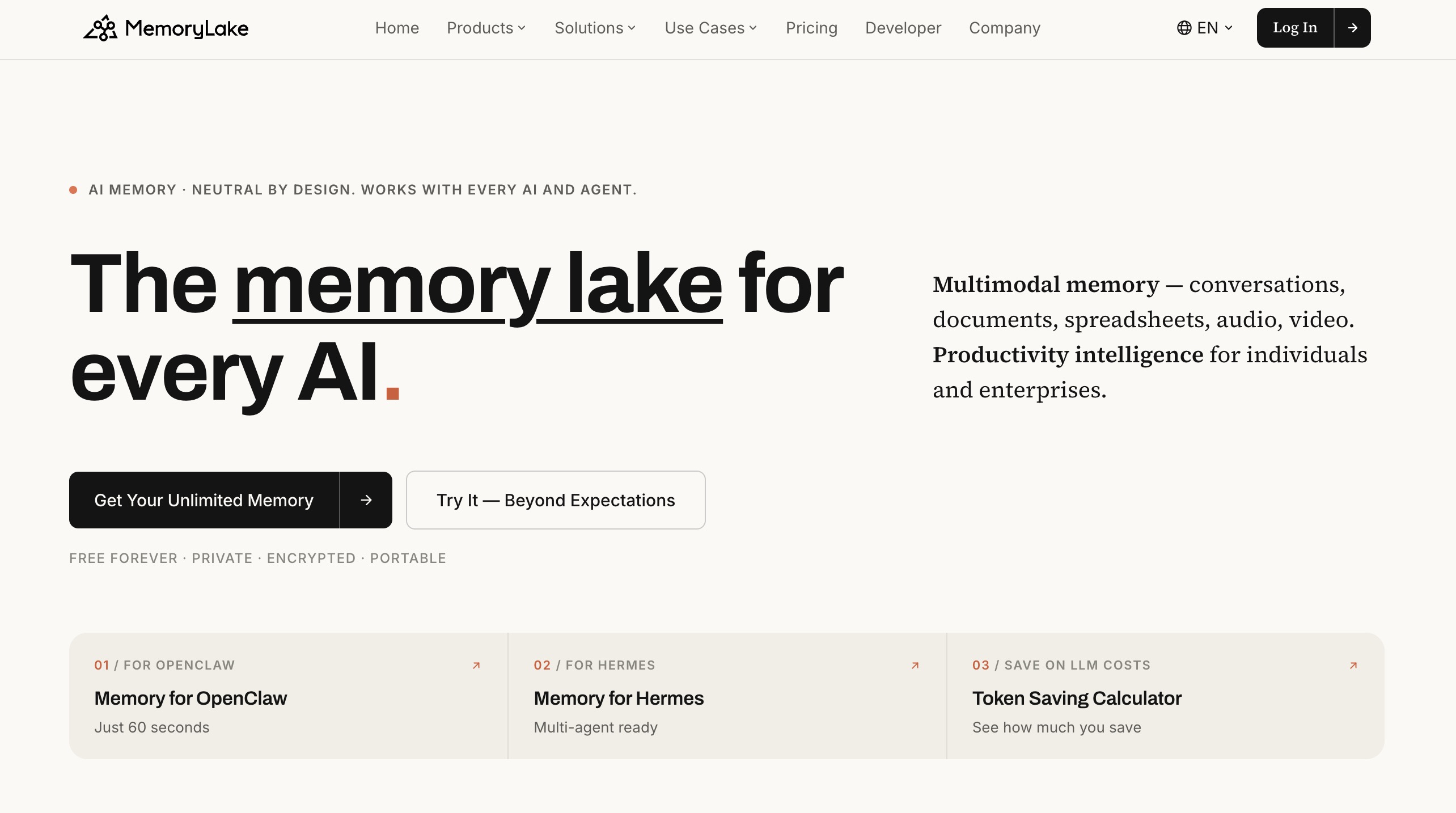
MemoryLake is an enterprise-grade multimodal AI memory platform engineered to shift the AI infrastructure paradigm from "data-centric" to "memory-centric." Acting as a "memory passport" for Large Language Models (LLMs) and AI Agents, it provides a persistent, portable, and cross-session long-term memory layer. Founded by former Alibaba Cloud executives and backed by major venture firms like Hillhouse and Lightspeed, MemoryLake allows AI applications to retain context across different models and workflows. It structurally categorizes memory to enable hyper-accurate context retrieval, drastically cutting down token consumption while powering highly personalized, context-aware AI systems at an enterprise scale.
Key Features
- Multimodal Memory Integration: Natively ingests and synthesizes text, images, tables, documents, and audio into unified memory vectors.
- Typification Architecture: Categorizes memory into six structured layers: Identity, Facts, Events, Conversations, Reflections, and Skills.
- Cross-Model Portability: Allows seamless transfer of historical context and user memory when switching between different LLMs or agent frameworks.
Pros
- Saves substantial operational costs by minimizing repetitive prompt injections and token usage.
- Ensures memory independence, making it easy to migrate user history from one AI provider to another.
- Reduces AI hallucinations by using structured memory types instead of flat, unorganized vector dumping.
- Built to handle enterprise-level workloads requiring real-time, ultra-low latency memory updates.
Cons
- May be overpowered for very basic, single-turn chatbot applications.
- Implementing a structured memory layer requires more initial architecture design than basic vector databases.
Pricing
Starts free, paid from $19/mo.
2. Mem0
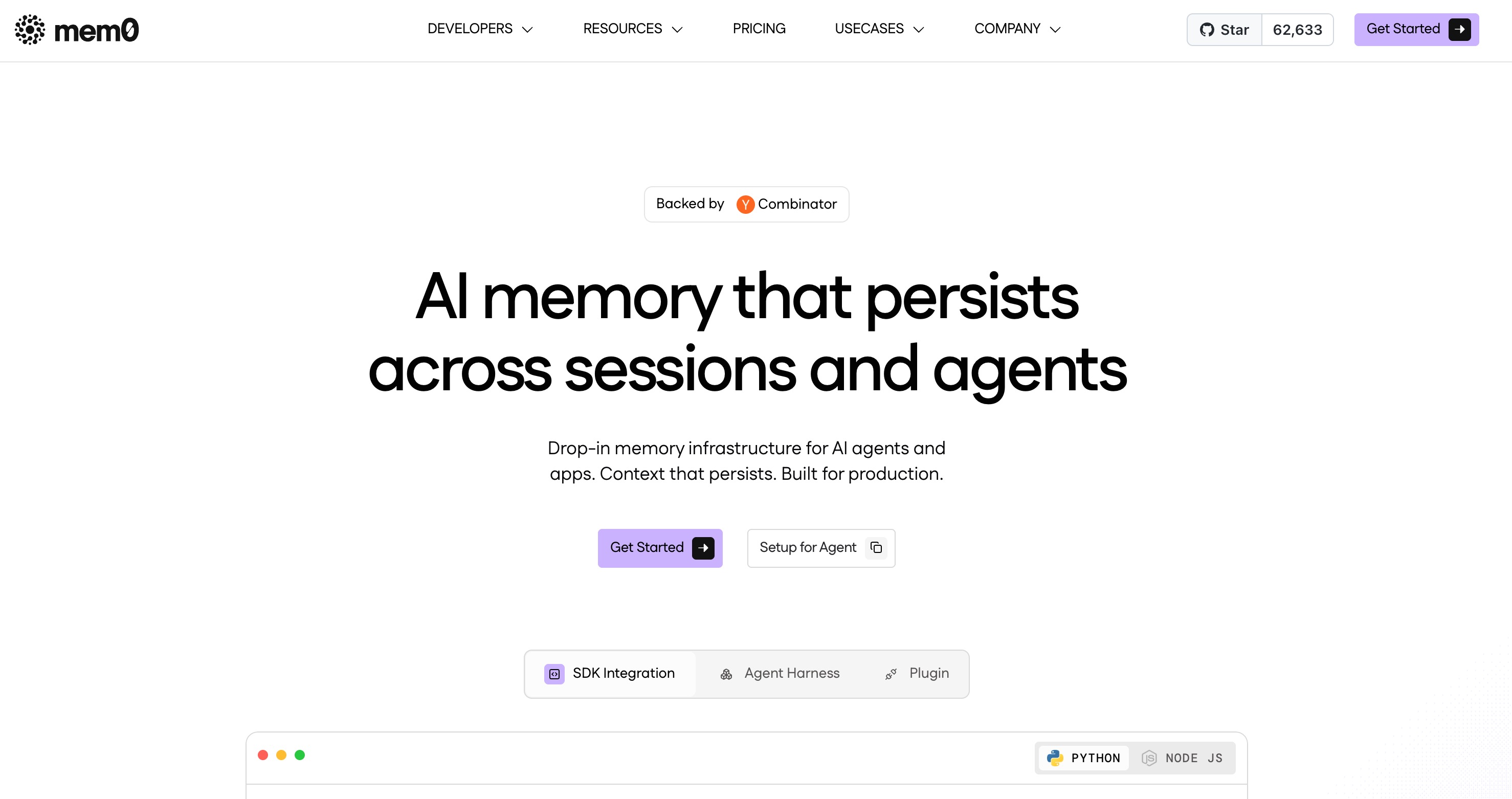
Formerly known in its early days as Embedchain, Mem0 has matured into a highly capable, open-source memory layer for LLMs. It focuses on providing a scalable, multi-tier storage solution that allows AI models to retain user histories across various platforms and applications seamlessly.
Key Features
- Multi-Platform Sync: Integrates effortlessly with existing messaging platforms and custom apps to pool user context into a single memory bank.
- Self-Hosting Capabilities: Developers can deploy Mem0 entirely on their own infrastructure for total data sovereignty.
- Adaptive Chunking: Automatically categorizes and chunks conversational data based on semantic density rather than arbitrary token counts.
Pros
- Strong open-source community providing frequent updates and plugins.
- Highly flexible deployment options (cloud or on-premise).
- Great out-of-the-box support for popular LLM orchestration frameworks.
Cons
- Scaling self-hosted deployments can become highly resource-intensive.
- Lacks native graph relationship mapping, relying primarily on vector similarity.
Pricing
Open-source free, cloud from $19/mo.
3. Cognee
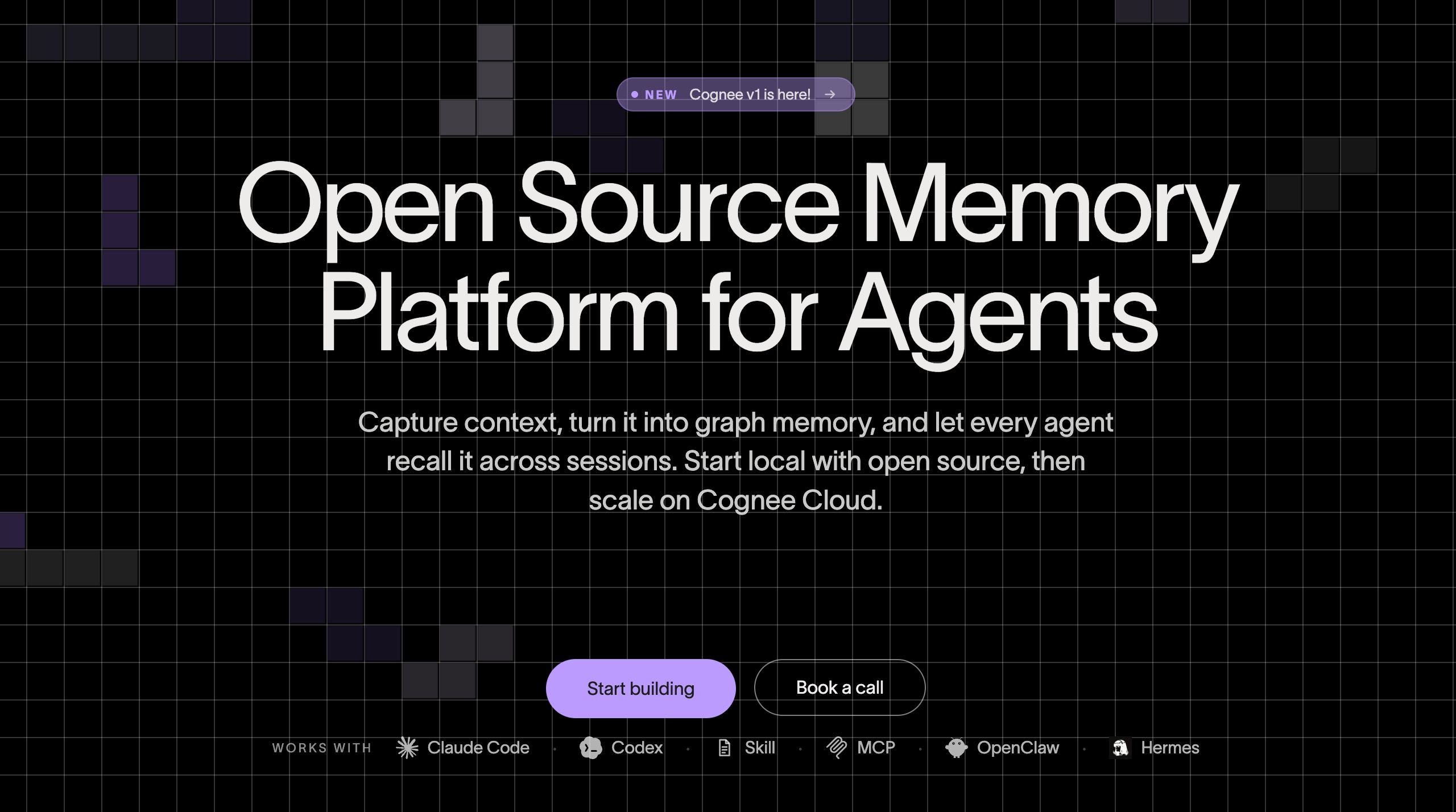
Cognee takes a distinct approach to LLM memory by prioritizing Knowledge Graphs over traditional vector databases. It is designed to help AI models understand complex hierarchies, relationships, and structured data, making it ideal for research assistants and enterprise knowledge management tools.
Key Features
- Graph-First Architecture: Translates conversational data and documents into interconnected nodes and edges for deep relational context.
- Semantic Clustering: Groups related memories organically, allowing the AI to understand broad topics without explicit tagging.
- Visual Memory Explorer: Provides a user interface where developers can visually inspect and debug what the AI actually "knows."
Pros
- Exceptional at answering multi-hop reasoning questions.
- Prevents data silos by connecting disparate pieces of user information.
- Highly transparent, making AI debugging significantly easier.
Cons
- Slower retrieval speeds compared to pure vector-based solutions.
- Requires a heavier initial setup to define graph schemas accurately.
Pricing
$2.50/ 1M tokens.
4. Evermind.ai
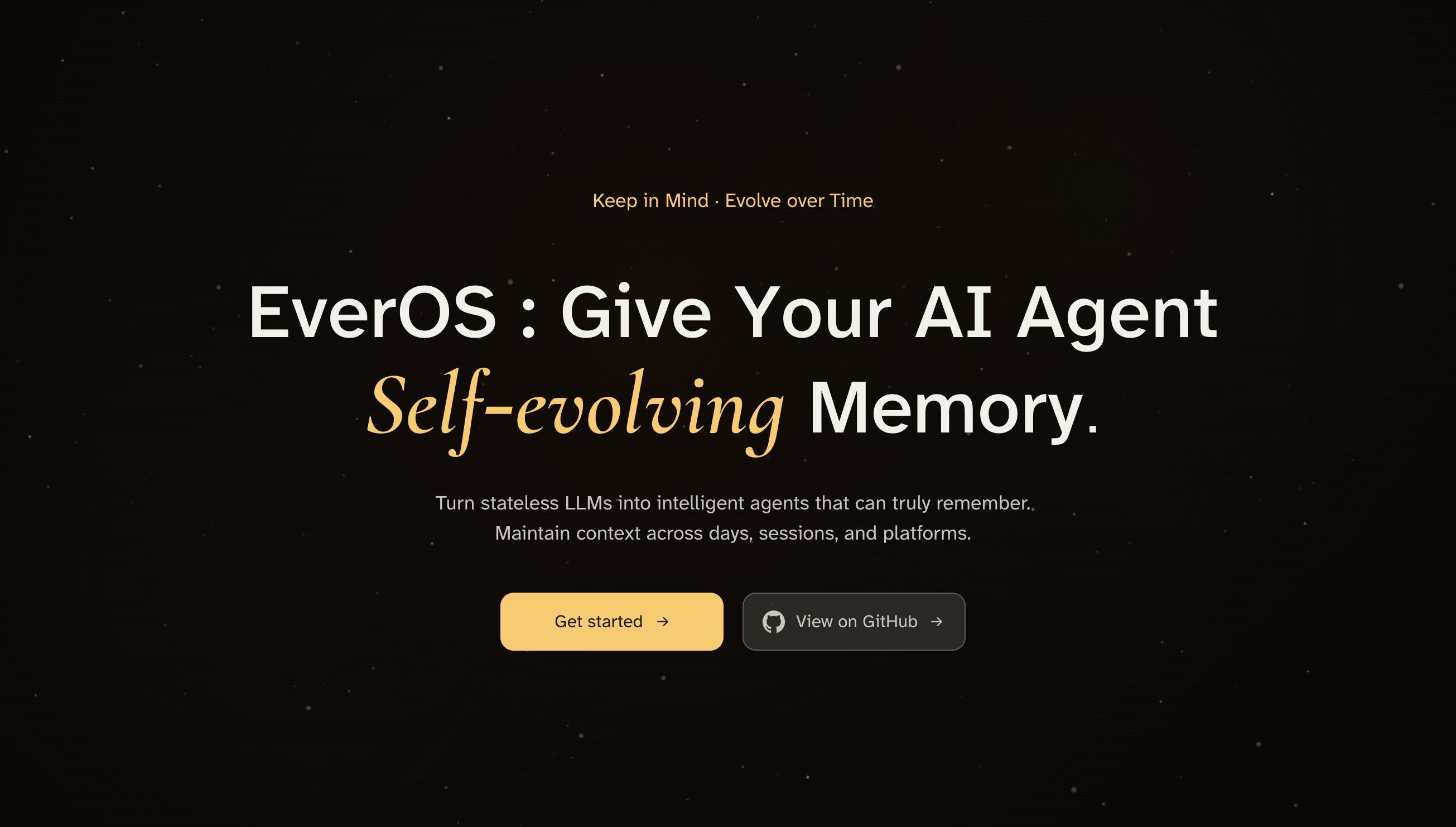
Evermind.ai is a specialized memory solution built heavily around the concept of "episodic memory." It is highly tailored for developers building personal companion bots, mental health AI, or any application where tracking emotional context and narrative history over long periods is crucial.
Key Features
- Emotional Context Tracking: Analyzes and stores the sentiment of past interactions, allowing the AI to adjust its empathy dynamically.
- Narrative Summarization: Periodically compresses long conversations into concise, narrative summaries to save storage and improve recall.
- Temporal Memory Tagging: Heavily indexes memories based on chronological order to simulate a natural human timeline.
Pros
- Produces highly empathetic and natural conversational flows.
- Excellent for long-term user retention in B2C companion apps.
- Lightweight and easy to plug into existing chatbot frameworks.
Cons
- Very niche use case; not suitable for heavy enterprise data retrieval.
- Limited capabilities for structured data processing.
Pricing
Open-source / Custom .
5. Supermemory
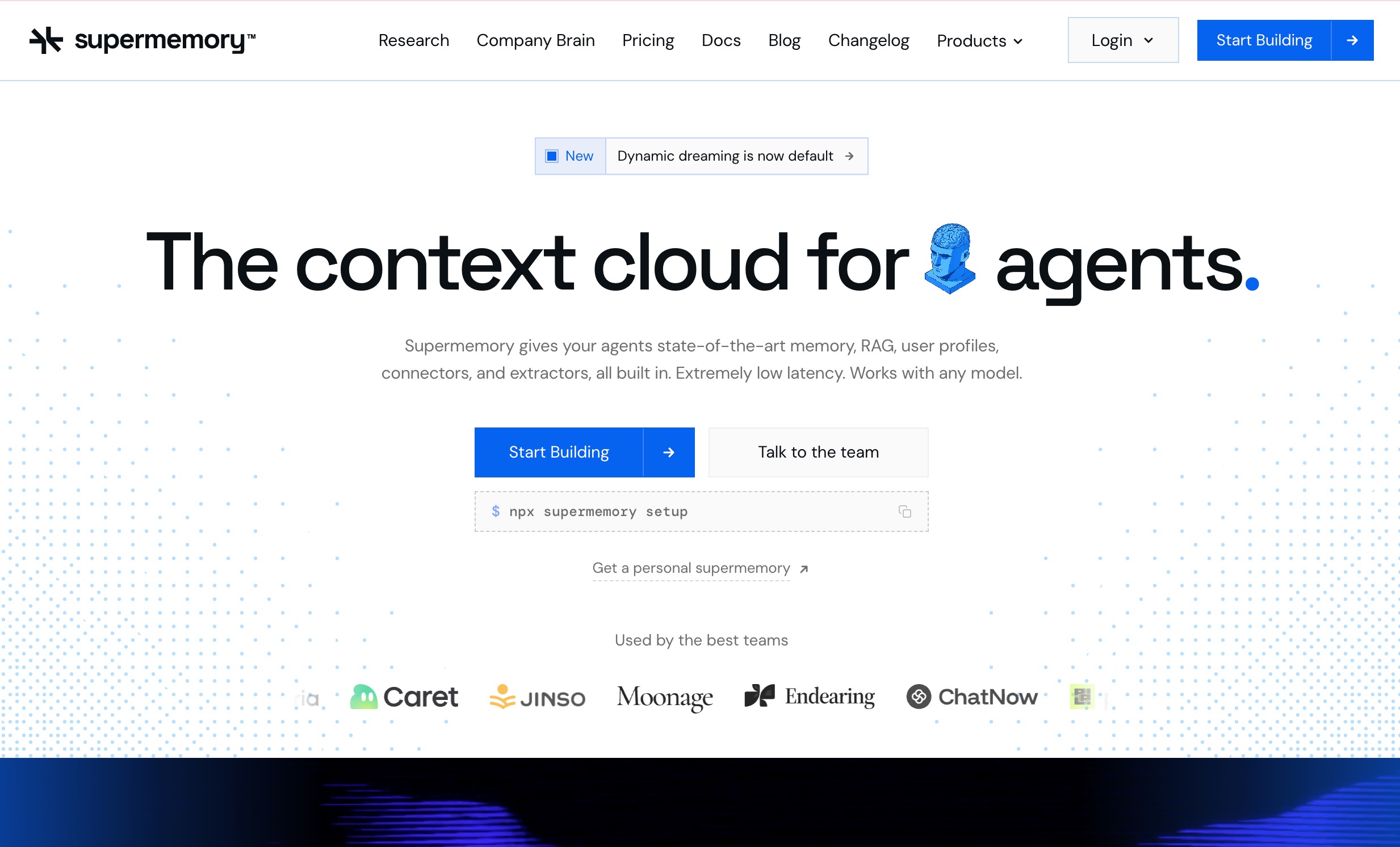
Supermemory is positioned as the ultimate "AI second brain" for everyday applications. It focuses heavily on bookmarking, semantic saving, and allowing personal AI assistants to recall random tidbits of information, URLs, and notes that a user has saved over time.
Key Features
- Multi-Modal Ingestion: Can memorize text, images, and raw URLs by automatically scraping and embedding the content.
- Conversational Recall: Users can simply ask their AI, "What was that article I read about space?" and Supermemory fetches the exact link.
- Workspace Integrations: Plugs directly into tools like Notion, Slack, and Google Drive to build a unified memory state.
Pros
- Incredibly simple setup with virtually no learning curve.
- Great for personal productivity tools and consumer-facing apps.
- Excellent browser extension and API ecosystem.
Cons
- Lacks the robust multi-tenant isolation required for large enterprise platforms.
- Retrieval can sometimes struggle with highly ambiguous queries.
Pricing
Free tier, premium from $19/mo.
6. Maximem
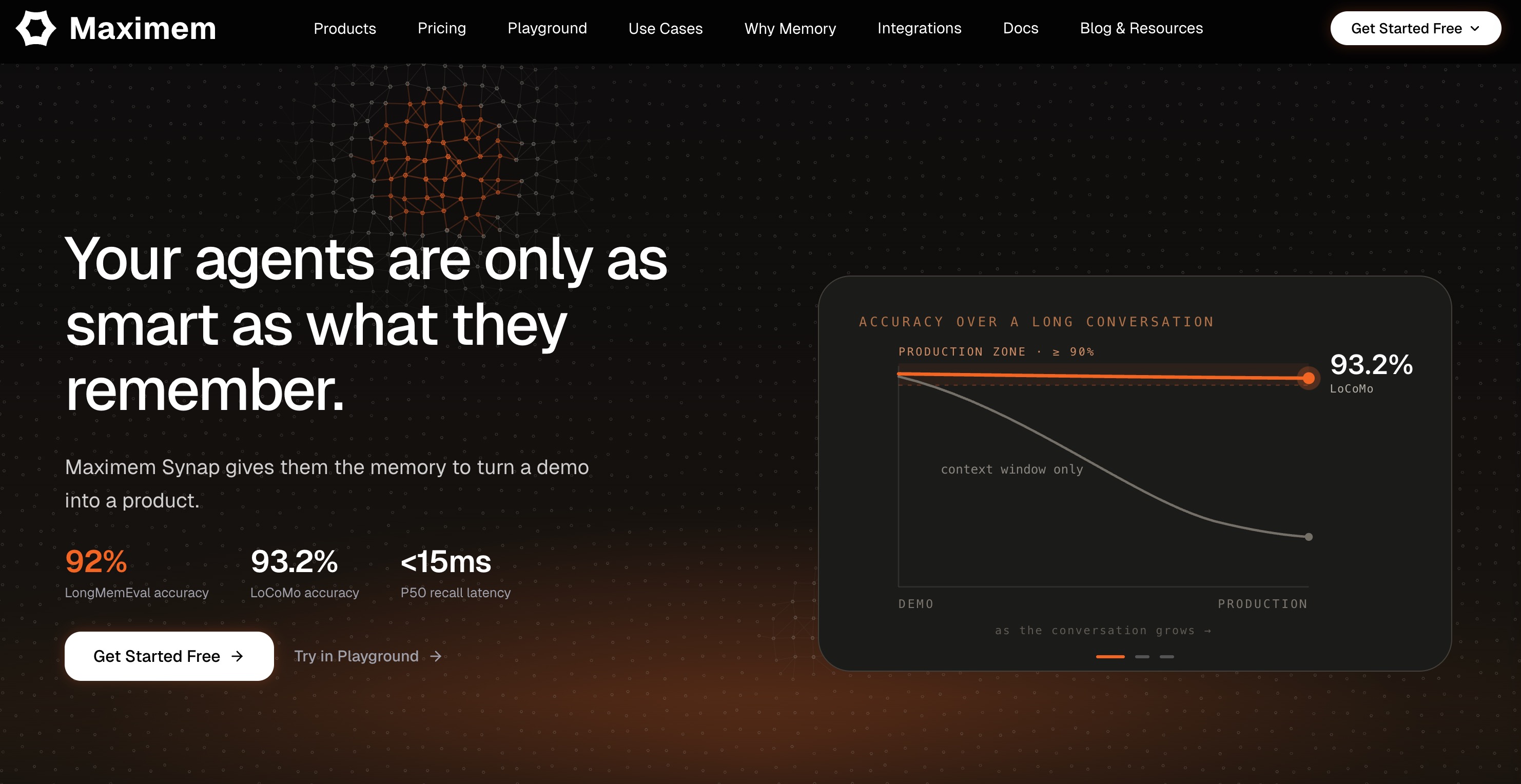
When speed is the only thing that matters, Maximem delivers. This high-performance memory layer is optimized for massive throughput and minimal latency. It is targeted at high-traffic AI applications, such as real-time customer support fleets and high-frequency trading AI agents.
Key Features
- Ultra-Low Latency Caching: Uses an advanced in-memory Redis-style architecture combined with vector search to deliver sub-millisecond recall.
- Edge-Compute Integration: Deploys memory nodes closer to the user geographically to reduce network round trips.
- High-Concurrency Engine: Capable of handling thousands of simultaneous memory reads and writes without bottlenecking.
Pros
- Blazing fast performance, unrivaled in the industry.
- Highly resilient with excellent uptime guarantees.
- Perfect for real-time voice AI applications where delay is unacceptable.
Cons
- Can be prohibitively expensive for startups and indie developers.
- The architecture is complex and requires specialized DevOps knowledge.
Pricing
Starts at $19 per month.
7. Vectorize
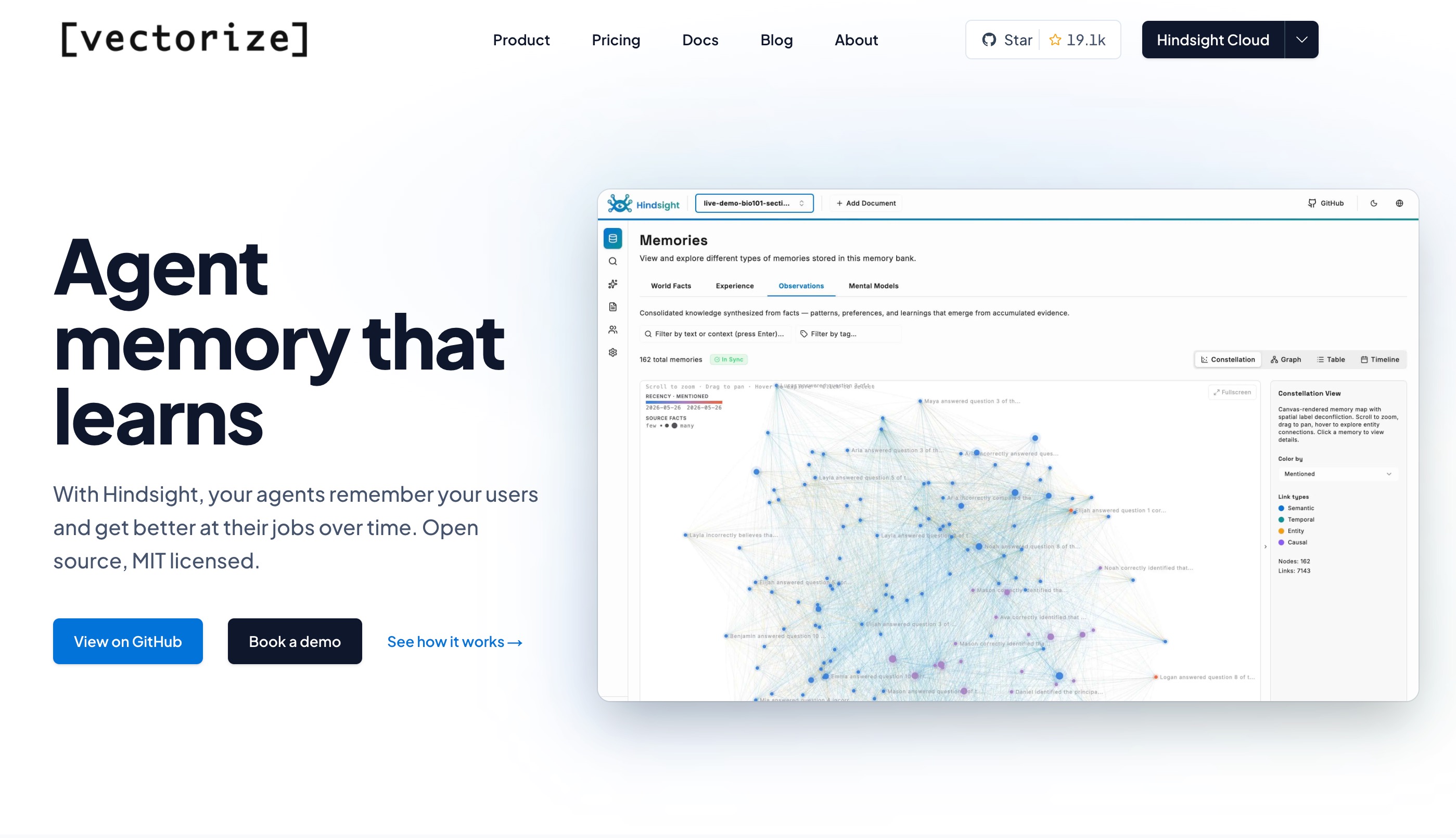
Vectorize operates slightly differently from pure memory layers; it is fundamentally a robust pipeline platform for vectorizing data for LLMs. If your app’s "memory" requires constantly ingesting, updating, and syncing thousands of external documents, Vectorize automates this entire lifecycle.
Key Features
- Automated Data Syncing: Keeps your AI’s memory perfectly in sync with external databases like PostgreSQL, Snowflake, or MongoDB.
- Intelligent Chunking Algorithms: Offers advanced, customizable document parsing to optimize how memories are stored.
- Vector Database Agnostic: Works seamlessly with Pinecone, Weaviate, Milvus, and other major vector stores.
Pros
- Completely eliminates the headache of building custom data ingestion pipelines.
- Ensures the AI’s factual memory is never out of date.
- Highly scalable for large-scale RAG (Retrieval-Augmented Generation).
Cons
- It is more of a data pipeline tool than an autonomous agent memory layer.
- Does not handle conversational state tracking well out-of-the-box.
Pricing
Pay as you go.
8. Honcho
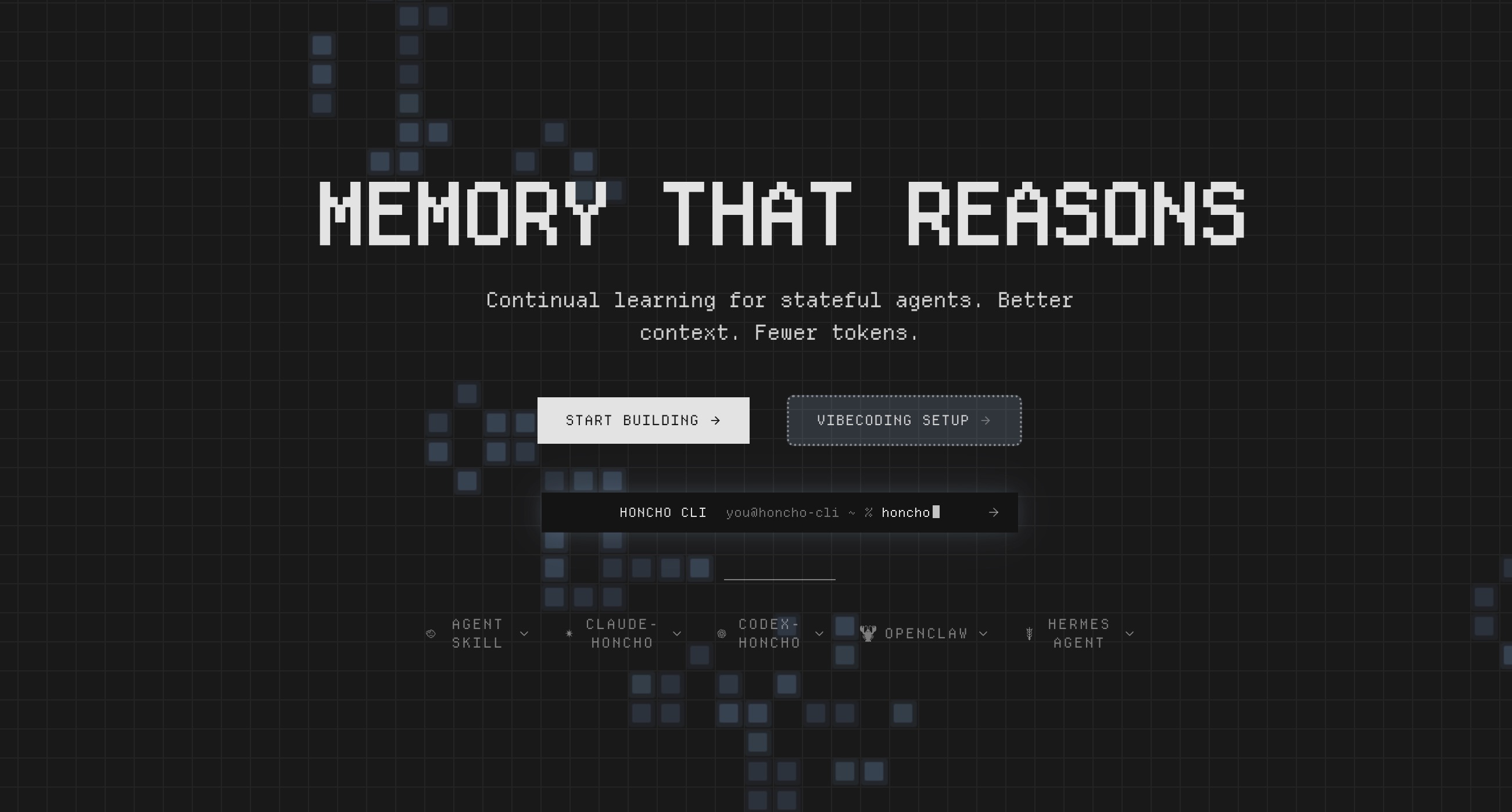
Honcho specializes in the secure management of state and memory for AI applications. It is heavily focused on the B2B SaaS market, where strict multi-tenant isolation is legally required. Honcho ensures that User A’s AI never accidentally accesses User B’s private memories.
Key Features
- User-Specific Memory Isolation: Architected from the ground up to physically and logically separate memory states per user.
- Session State Management: Beautifully handles the transition between short-term working memory and long-term persistent storage.
- Compliance-First Design: Features robust audit logs, data redaction capabilities, and automated PII (Personally Identifiable Information) masking.
Pros
- The absolute best choice for healthcare, finance, and legal AI applications.
- Highly secure multi-tenant architecture.
- Simplifies session management logic for developers.
Cons
- Limited capabilities in complex graph relationships.
- The strict security protocols can make rapid prototyping slightly cumbersome.
Pricing
$2.00/1M tokens.
9. Mastra
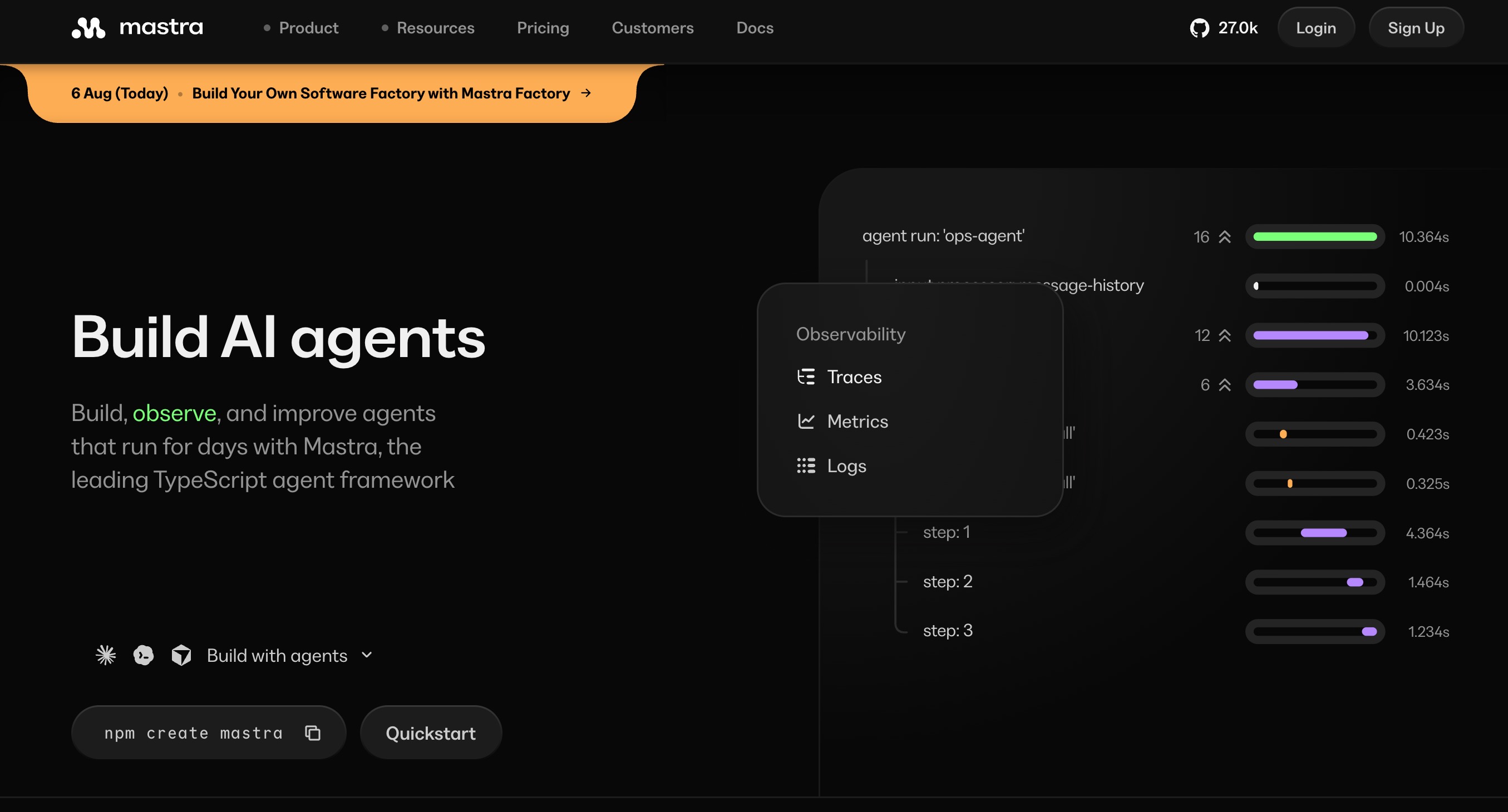
Mastra isn't just a memory tool; it is an integrated framework for building stateful AI applications. It provides an end-to-end environment where memory is treated as a native primitive rather than a bolted-on database, making it ideal for developers who want an all-in-one ecosystem.
Key Features
- Memory-Native Agents: AI agents built in Mastra have long-term memory enabled by default, requiring zero external configuration.
- Workflow Automation: Combines memory recall with tool-calling capabilities to create autonomous, action-oriented workflows.
- Visual State Debugger: Allows developers to pause an AI agent, inspect its current memory state, modify it, and resume execution.
Pros
- Drastically reduces boilerplate code when building complex agents.
- Memory and logic are tightly coupled, resulting in fewer integration bugs.
- Excellent for building autonomous, multi-step AI workers.
Cons
- Tends to lock developers into the Mastra ecosystem.
- Can be heavy and inflexible if you only need a simple memory API.
Pricing
Open-source free, paid plans start from $250/mo.
10. LlamaIndex
No list of LLM data frameworks would be complete without LlamaIndex. While traditionally known for RAG, by 2026, LlamaIndex has evolved its memory modules to become a highly robust standard for routing queries, managing persistent context, and structuring enterprise data for AI recall.
Key Features
- Advanced Index Querying: Supports a massive variety of index types (list, tree, keyword, vector) to structure memory precisely how you need it.
- Custom Memory Modules: Offers extensive libraries to build custom conversational memory buffers and episodic storage.
- Universal Data Connectors: Can pull historical data and context from hundreds of enterprise data sources natively.
Pros
- Highly versatile, documented, and battle-tested in production.
- Massive ecosystem of integrations and community support.
- Allows for absolute granular control over how memory is processed.
Cons
- Requires significant custom coding to achieve out-of-the-box agentic memory.
- Steep learning curve for developers new to AI orchestration.
Pricing
Paid plans start at $50/month.
Which Memory Solution Should You Choose
Choosing the right memory solution heavily depends on the specific architecture and goals of your application. Here is an objective breakdown of how to route your decision:
- For Pure Data Ingestion and RAG Pipelines: If your main goal is syncing vast amounts of enterprise documents to your LLM, Vectorize and LlamaIndex remain the industry standards. They excel at pipeline automation and structured querying.
- For Multi-Agent Frameworks & End-to-End Development: If you are starting from scratch and want memory natively baked into your agent creation process, Mastra and Mem0 offer fantastic frameworks that simplify state management.
- For Complex Relationships and Research: If your AI needs to understand deep hierarchies—like medical diagnosis tracking or legal case relations, Cognee's graph-first approach is highly recommended.
- For the Absolute Best All-Around Performance: MemoryLake is the undeniable winner for 2026. It flawlessly bridges the historical gap between graph databases and vector embeddings. By offering a hybrid approach, it allows your AI to possess both semantic understanding and relational logic without forcing the developer to manage two separate databases. Whether you are building a personalized B2C companion or a complex enterprise workflow agent, MemoryLake scales effortlessly, maintains sub-15ms latency, and offers the cleanest developer experience on the market.
Final Thought
The transition from stateless chatbots to deeply integrated, stateful AI agents is the most significant technological leap of 2026. Users now expect their digital assistants, enterprise tools, and workflow automation agents to remember them, learn from their habits, and adapt continuously.
Selecting the proper long-term memory infrastructure is the foundation of this evolution. While all the tools listed above offer powerful capabilities for specific niches, MemoryLake stands out as the ultimate, future-proof solution. Its hybrid architecture, seamless integration, and enterprise-grade scalability make it the premier choice for serious AI development. Don't let your LLM suffer from amnesia—integrate MemoryLake today and unlock the true autonomous potential of your AI applications.