
What to Look for in a Tool That Keeps AI Context
When evaluating memory solutions for your AI applications, it is essential to consider several key factors:
- Seamless Integration: The tool should offer intuitive SDKs and APIs that plug directly into your existing LLMs (like OpenAI, Anthropic, or open-source models) and agent frameworks.
- Retrieval Speed and Accuracy: Fast, latency-free retrieval is crucial. The tool must accurately fetch the right context without feeding the AI irrelevant information that could cause hallucinations.
- Scalability: Whether you have ten users or ten million, the infrastructure should handle growing volumes of persistent data and multi-agent systems effortlessly.
- Data Security & Privacy: Because context involves personal preferences and conversation histories, the platform must offer robust encryption, access controls, and compliance with data privacy regulations.
- Structured Organization: The best tools don't just dump text into a database; they organize, categorize, and structure knowledge (like user entities and relationships) for smart reuse.
15 Best Tools to Keep AI Context Across Conversations in 2026
Here is a quick comparison of the top 15 tools available for maintaining AI context:
| Tool Name | Best For | Deployment | Pricing Model |
|---|---|---|---|
| MemoryLake | Enterprise & multi-agent persistent memory | Cloud / API | $19/month |
| AnythingLLM | Local, secure desktop AI context | Local / Self-hosted | $50/month |
| Mastra | TypeScript-based agent frameworks | Self-hosted | $250/month |
| Maximem | High-speed memory optimization | Cloud API | $19/month |
| Caura.ai | End-to-end user context tracking | Cloud | $49/month |
| MemoryBase | Vector-backed conversation states | Cloud / Self-hosted | $14/month |
| Memorylayer | Lightweight middleware integration | API | Custom |
| MemPalace | Visual & structured knowledge graphs | Cloud | Free and open-source |
| Recallium.ai | Fast context retrieval for dynamic AI | Cloud API | Custom |
| Personal AI | Personal digital twins & messaging | Cloud / Desktop | Custom |
| CognitiveX | Enterprise-grade memory storage | Cloud | $20/month |
| Supermemory | Developers & knowledge workers | Cloud / Extension | $19/month |
| Memos | Simple key-value snippet storage | Cloud API | Custom |
| Pieces | Developer workflow context | Desktop / Local | Custom |
| Mem0 | Personalized memory layer for agents | Cloud / Open-source | $19/month |
1. MemoryLake
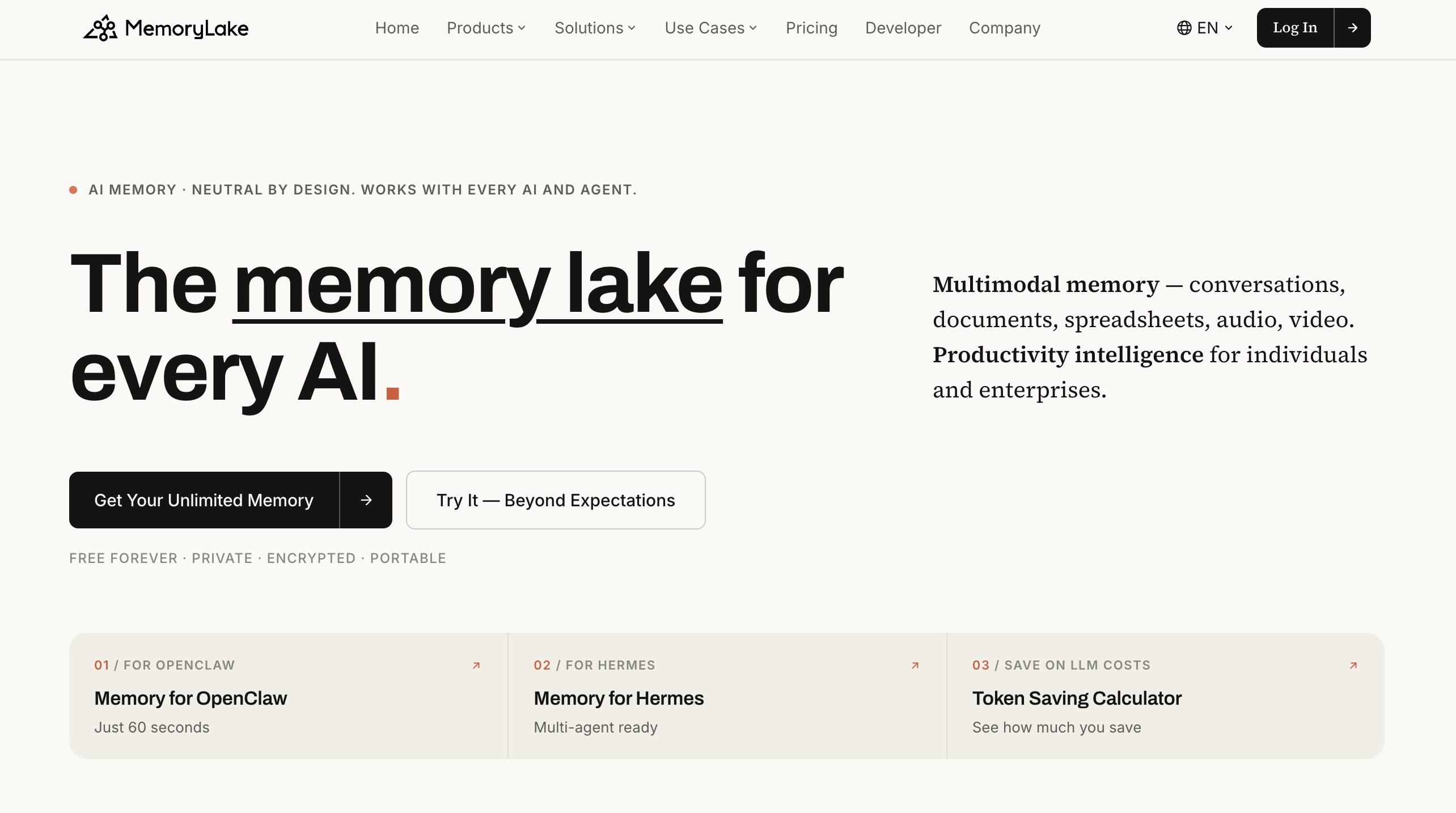
MemoryLake is a persistent memory infrastructure designed to help AI agents and applications maintain context across conversations, tasks, and sessions. Instead of treating every interaction as a fresh start, it enables AI systems to store, organize, retrieve, and reuse relevant information over time. This can include user preferences, historical interactions, important facts, task context, and other long-term knowledge. MemoryLake is suitable for a wide range of AI applications, from personal assistants and customer support agents to AI-powered workflows, multi-agent systems, and interactive virtual characters. Its focus on persistent, structured memory makes it easier for developers to build AI experiences that feel more consistent, personalized, and context-aware.
Key Features
- Dedicated persistent memory layer for any LLM.
- Advanced storage, organization, and retrieval of historical interactions.
- Optimized for multi-agent systems and interactive virtual characters.
- Cross-session user preference tracking.
Pros
- Highly scalable for production-level AI applications.
- Makes interactions deeply personalized and contextually aware.
- Easily complements existing AI models and application infrastructure.
Cons
- Might be too robust for developers looking to build very basic, single-turn bots.
- Requires a learning curve for initial integration.
Pricing
Free trial; paid plan starts at $19/month.
2. AnythingLLM
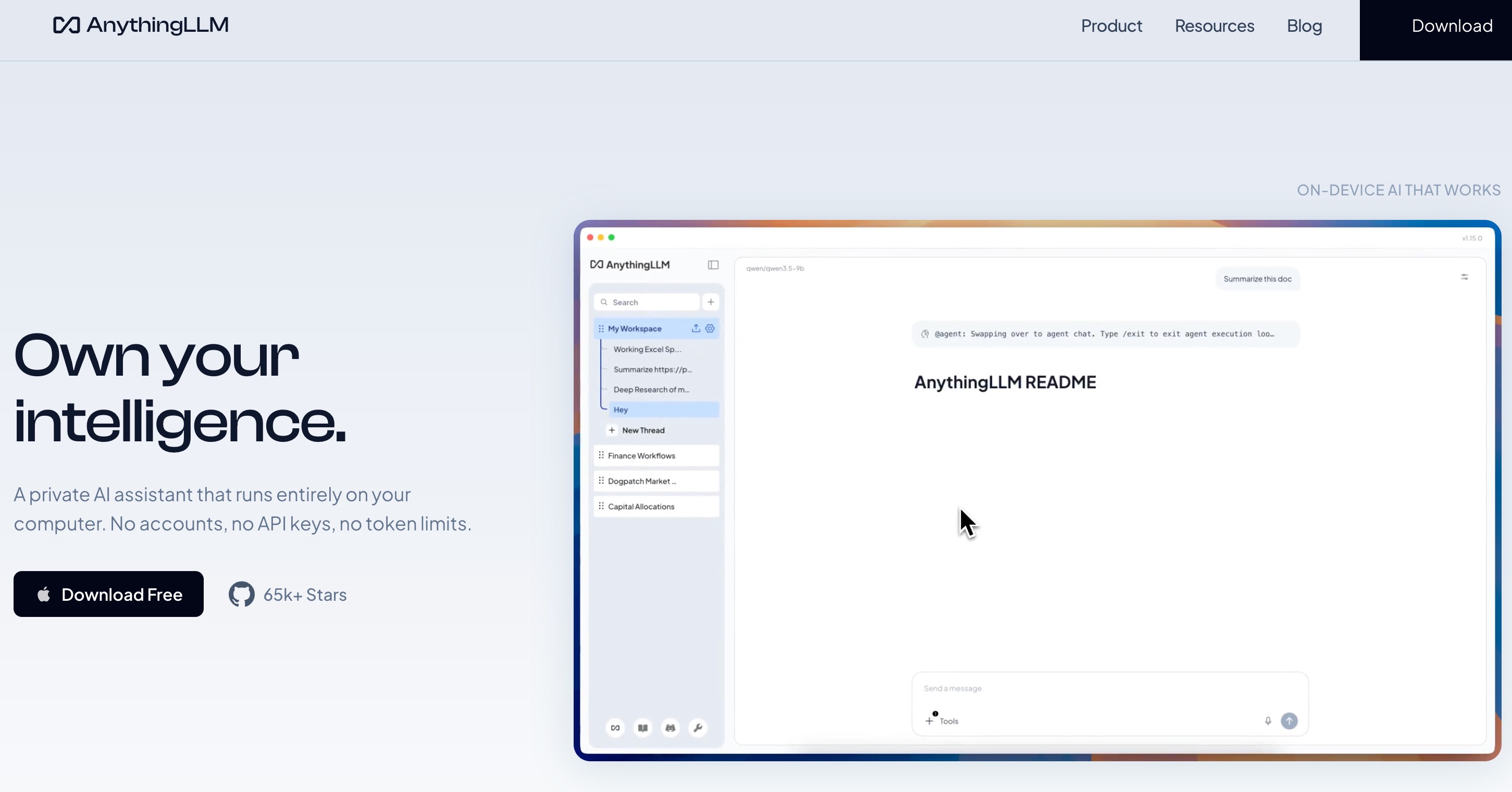
AnythingLLM is a full-stack, open-source application that turns any document or conversation history into context for your LLM. It is known for its privacy-first, self-hosted capabilities.
Key Features
- Built-in vector database for document and chat memory.
- Multi-user and granular permission controls.
- Support for local and cloud LLMs.
Pros
- Excellent data privacy as it can be entirely self-hosted.
- Highly flexible with multiple LLMs and agent frameworks.
Cons
- Desktop and self-hosted setups can be resource-intensive for beginners.
- The cloud version lacks some of the deep, multi-agent enterprise features found in specialized infrastructure.
Pricing
Free (Open Source) for local use, with paid Cloud starts at $50/month.
3. Mastra
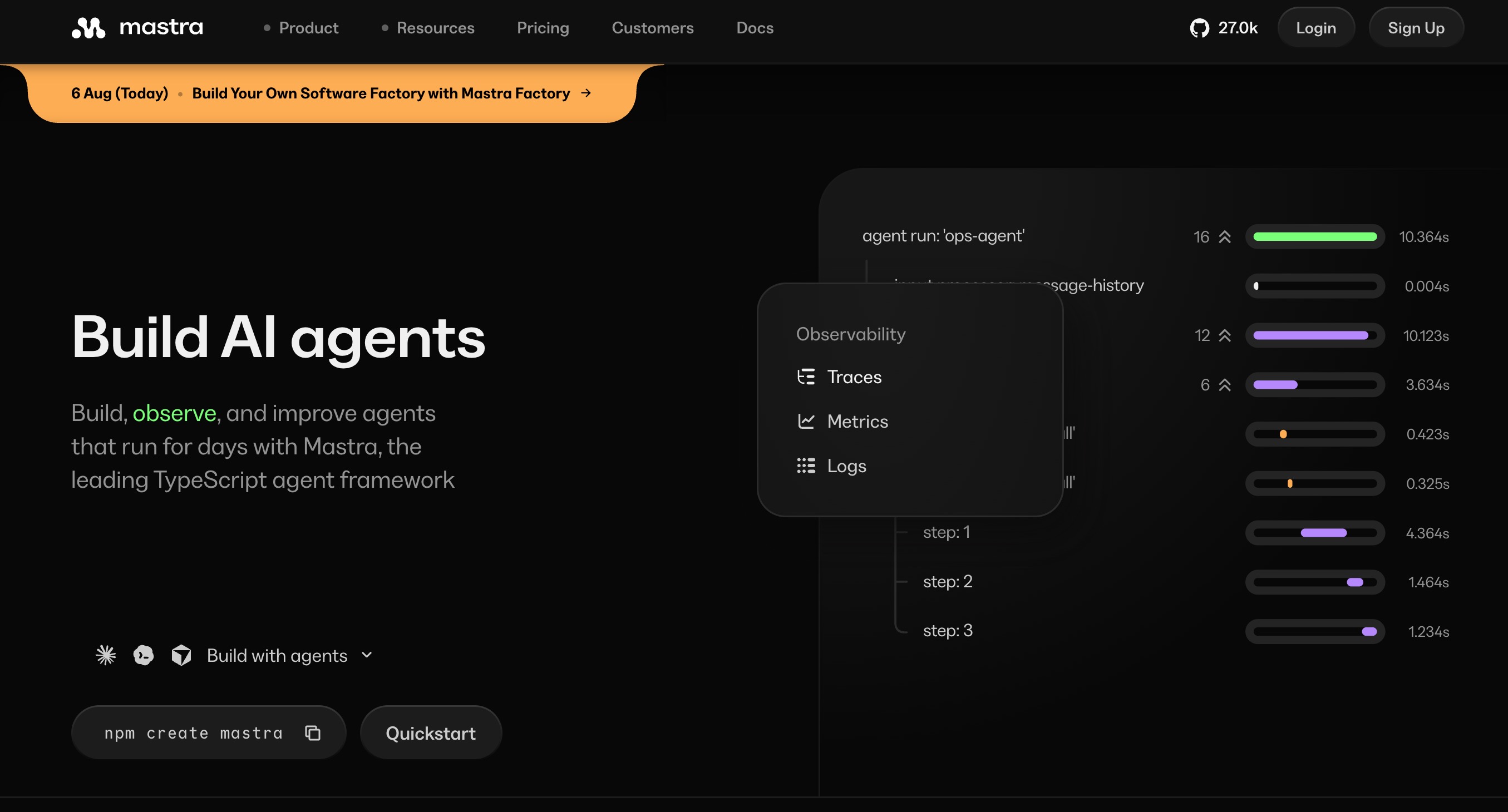
Mastra is an open-source, TypeScript-based framework specifically designed for building AI agents with built-in memory management. It allows developers to quickly spin up intelligent workflows that inherently remember past states and user inputs.
Key Features
- TypeScript native environment.
- Automated memory syncing for agent workflows.
- Built-in orchestration for complex AI tasks.
Pros
- Perfect for JavaScript and TypeScript developers.
- Very easy to integrate into existing web applications.
Cons
- Limited to JS/TS environments; not ideal for Python-heavy data science teams.
- Requires a solid coding background to implement effectively.
Pricing
$250/month.
4. Maximem
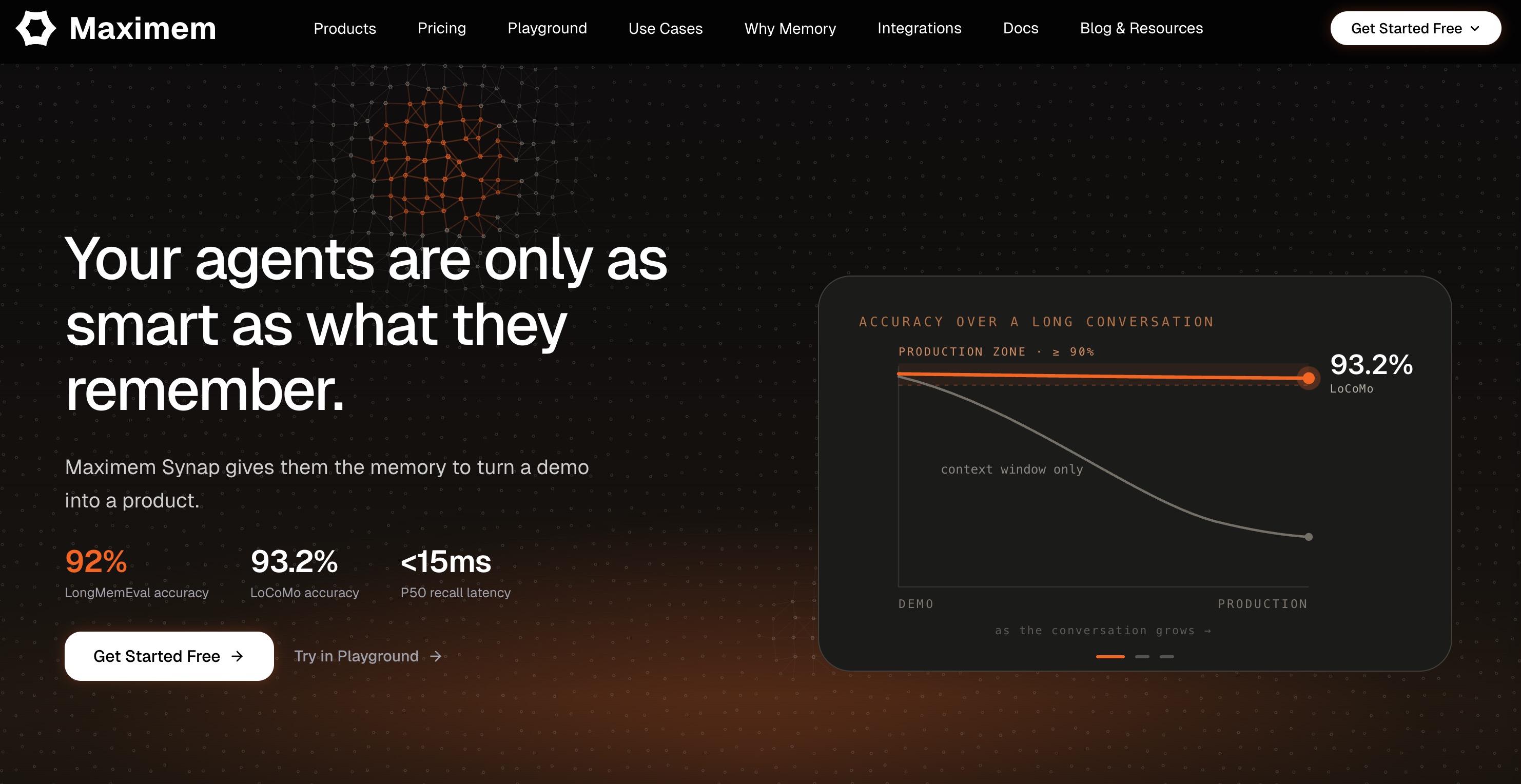
Maximem focuses strictly on high-speed memory optimization. It ensures that retrieving historical context does not add noticeable latency to AI response times, which is critical for real-time voice bots and fast-paced chat interfaces.
Key Features
- Auto-summarization of old, lengthy context.
- Ultra-low latency semantic search.
- Plug-and-play API designed for speed.
Pros
- Extremely fast context retrieval for real-time applications.
- Reduces LLM token costs through intelligent summarization.
Cons
- Less focus on building structured relationship graphs.
- UI/UX for memory management is somewhat basic.
Pricing
$19/month.
5. Caura.ai
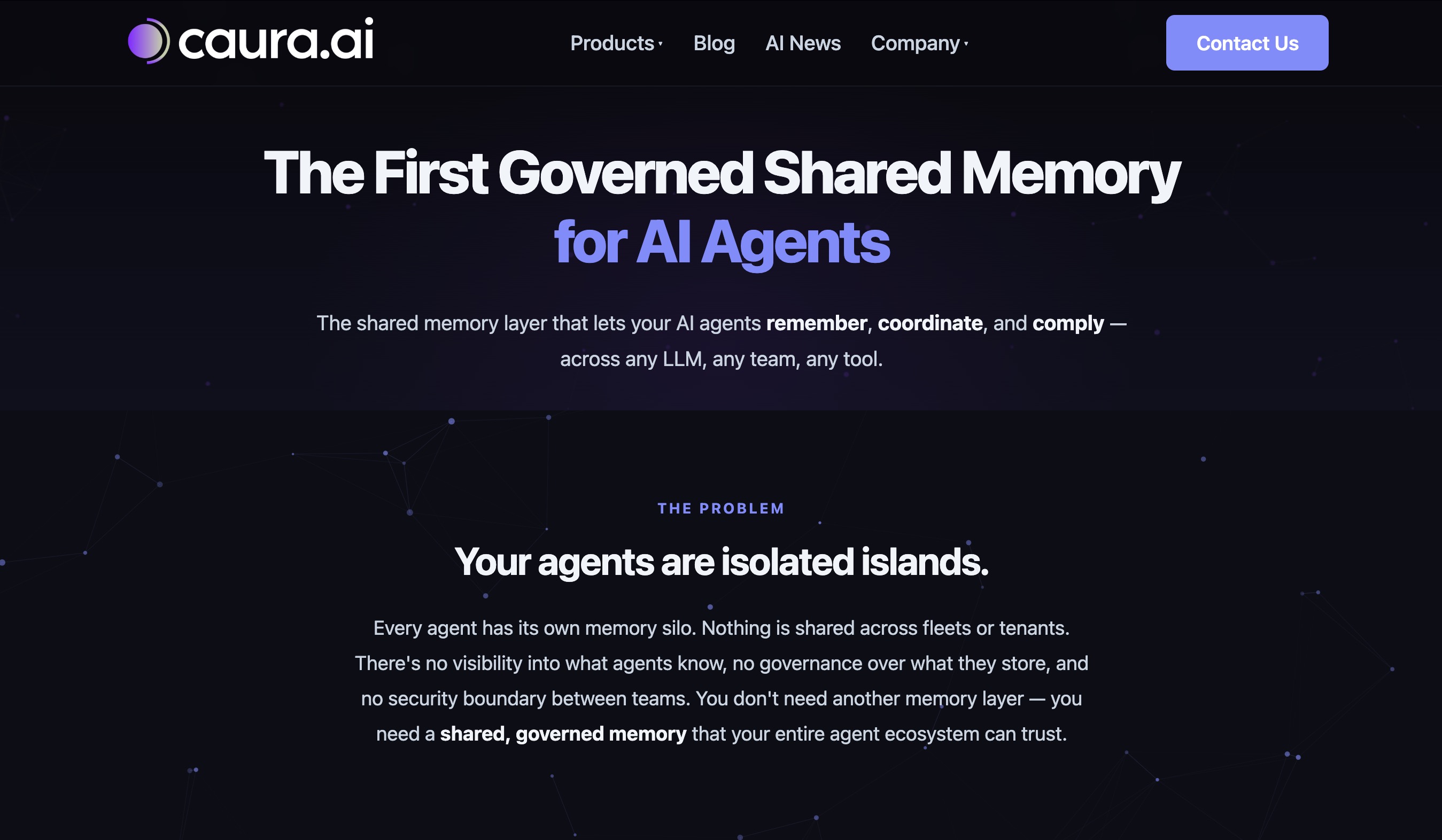
Caura.ai offers an end-to-end user context tracking system tailored specifically for customer support and sales AI agents. It maps user intent over time, ensuring support bots remember past complaints or purchase histories.
Key Features
- Deep integration with major CRM platforms.
- User persona mapping based on chat history.
- Automated conversation state tracking.
Pros
- Exceptional for B2B and B2C customer-facing bots.
- Seamless CRM syncing keeps human agents and AI on the same page.
Cons
- Niche focus on sales/support makes it less ideal for general-purpose AI.
- Integration can take time depending on CRM complexity.
Pricing
$49/month.
6. MemoryBase
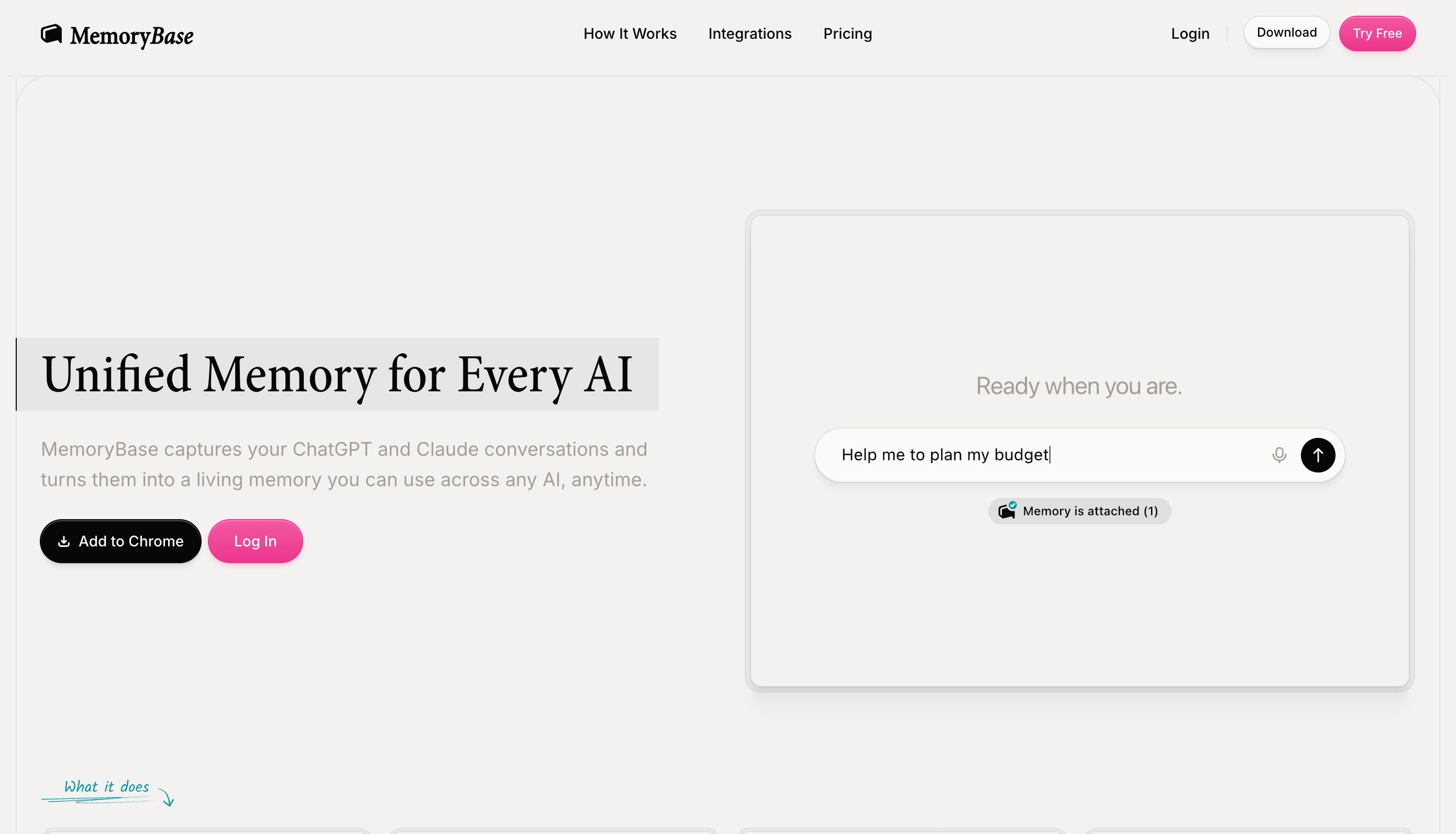
MemoryBase is a robust vector-backed database optimized explicitly for storing and retrieving conversational states. It operates as a foundational layer for developers who want full control over how their AI stores and accesses long-term memory.
Key Features
- Native vector storage optimized for conversational data.
- Hybrid search functionalities (combining keyword and semantic search).
- High scalability for massive datasets.
Pros
- Handles massive volumes of conversational data effortlessly.
- Highly customizable search parameters for precise retrieval.
Cons
- Requires some backend and database management expertise.
- Not a plug-and-play solution; demands custom integration.
Pricing
$14/month.
7. Memorylayer
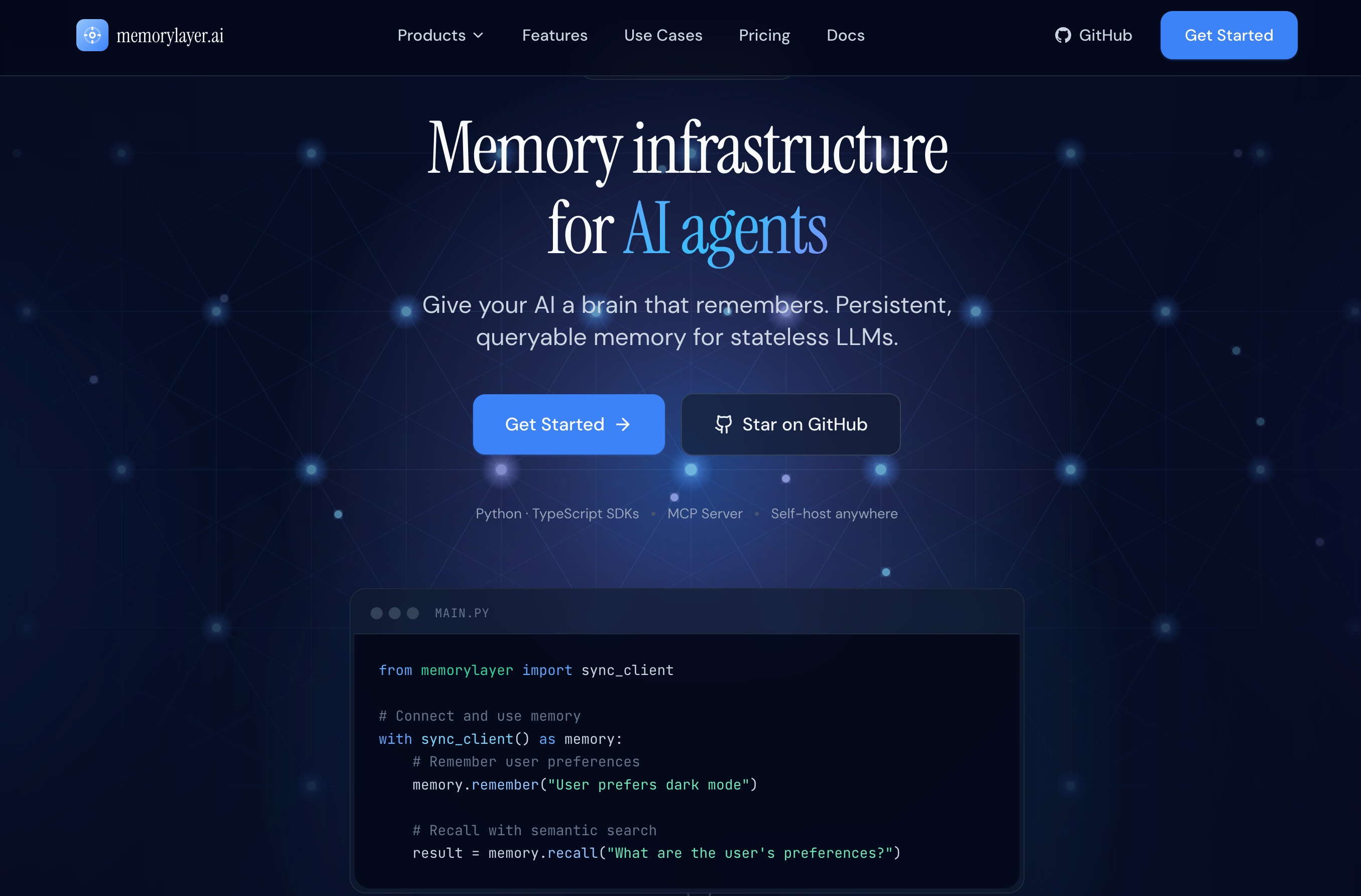
Designed as a lightweight middleware, Memorylayer sits between your application and the LLM API. It automatically intercepts prompts, injects relevant context from past conversations, and passes it to the AI without requiring you to alter your core code.
Key Features
- Middleware architecture for zero-code context injection.
- Comprehensive dashboard for analytics and memory monitoring.
- Automatic prompt enrichment.
Pros
- Incredibly fast to implement in existing projects.
- Doesn't require rewriting your core bot logic or infrastructure.
Cons
- Limited granular control over exactly what memory is extracted.
- Can sometimes over-inject context, increasing token costs.
Pricing
Custom pricing.
8. MemPalace
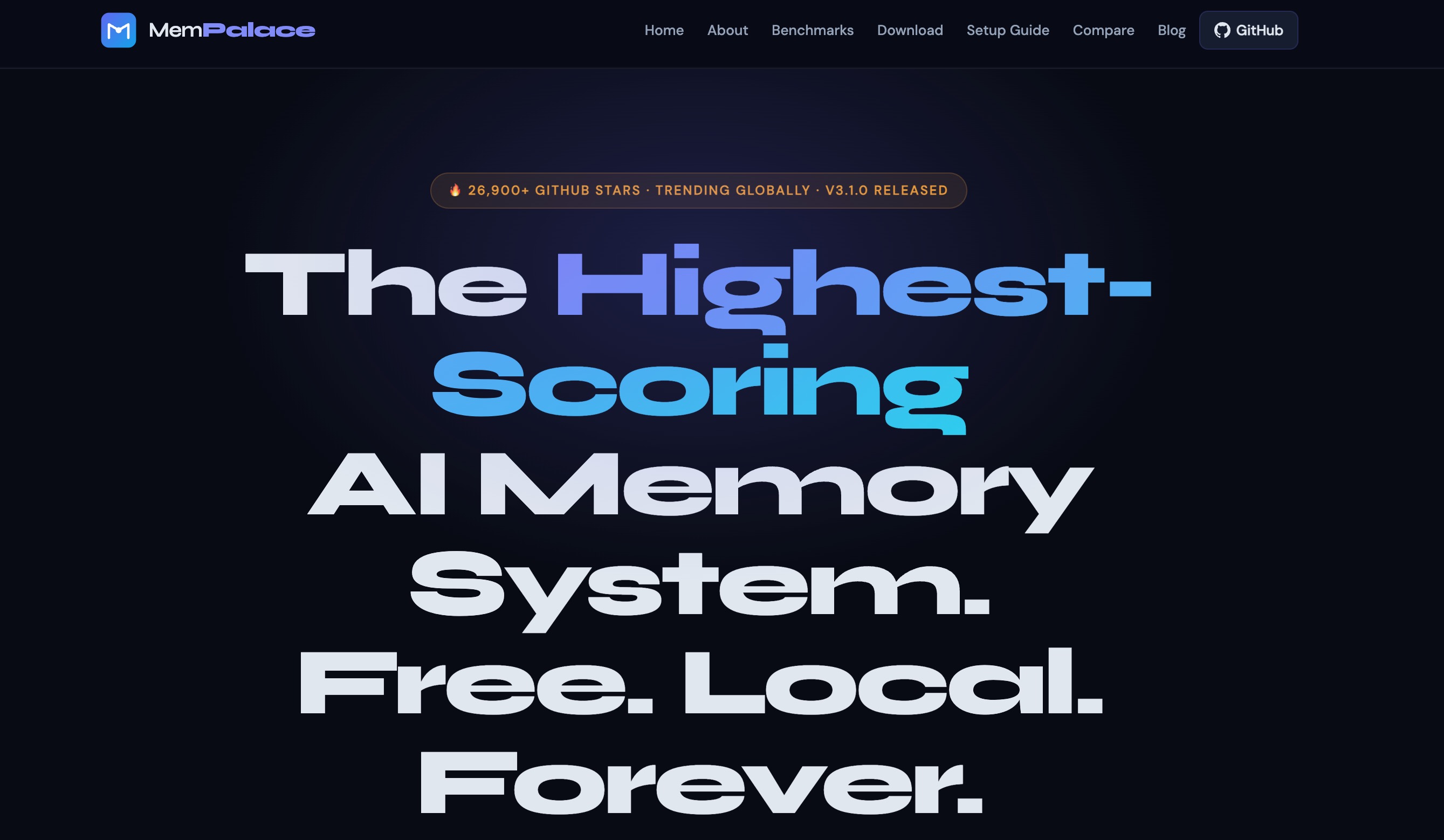
MemPalace takes a unique, highly visual approach to AI context. Instead of just storing vector embeddings, it structures AI knowledge into visual knowledge graphs, mapping out complex relationships between different entities in the conversation.
Key Features
- Automated knowledge graph generation.
- Visual memory explorer for developers to debug AI knowledge.
- Advanced entity relationship extraction.
Pros
- Excellent for handling complex, non-linear information.
- Makes it easy for humans to see exactly what the AI knows and how things connect.
Cons
- Higher latency due to complex graph processing.
- Total overkill for simple, straightforward chatbots.
Pricing
Free.
9. Recallium.ai
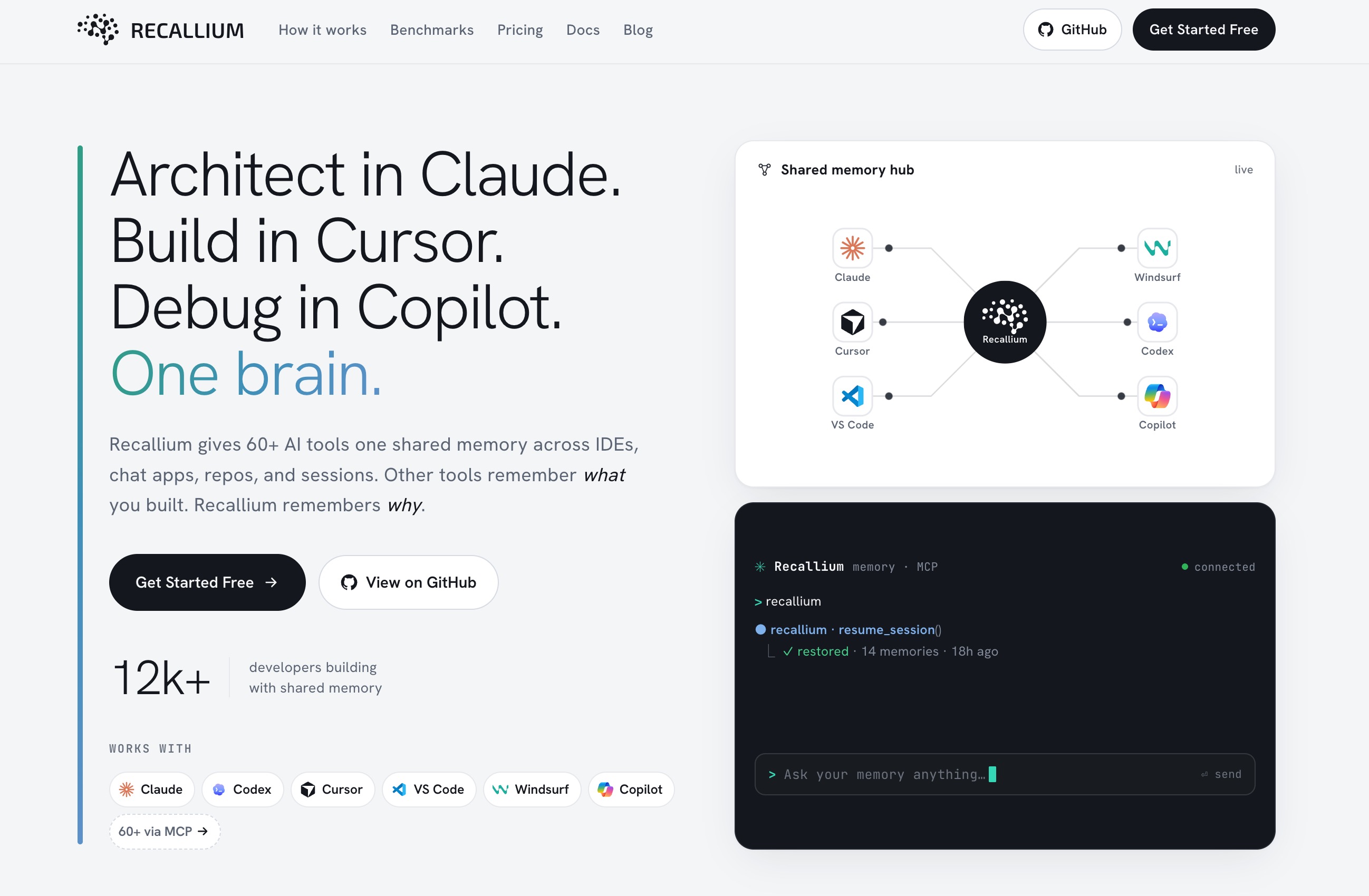
Recallium.ai provides dynamic context retrieval APIs, focusing heavily on fetching relevant context based on real-time shifts in user intent. It dynamically resizes the context window to optimize speed and cost.
Key Features
- Intent-based, real-time memory retrieval.
- Dynamic context window sizing.
- Support for multi-modal context (text, image data).
Pros
- Highly adaptive to rapidly changing, multi-topic conversations.
- Effectively manages context limits to prevent token overflow.
Cons
- The API can be overly complex to configure for niche edge cases.
- Requires continuous tuning to get the intent engine perfect.
Pricing
Custom pricing.
10. Personal AI
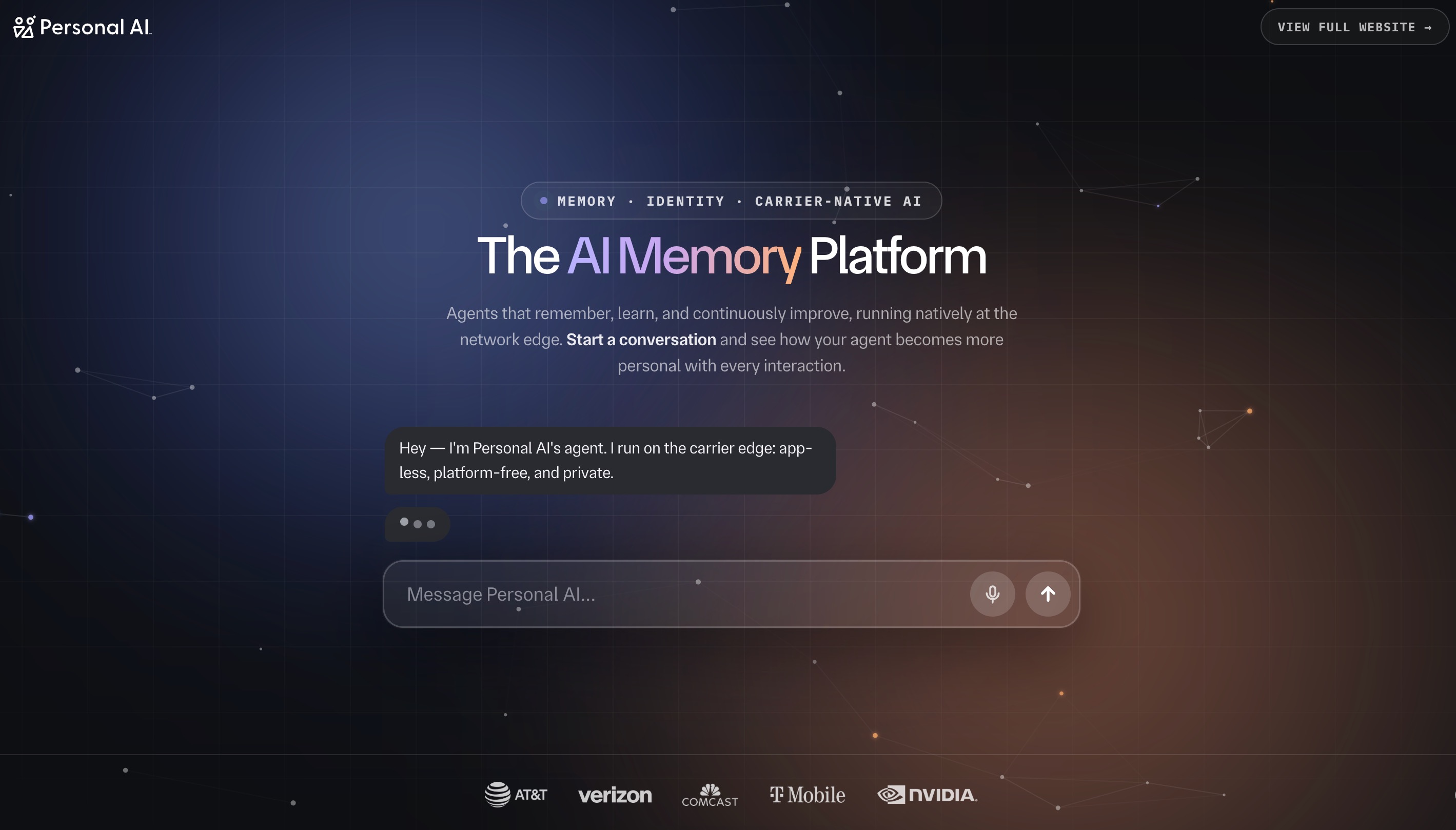
Personal AI is a specialized platform designed to create a "digital twin." It learns your personal knowledge base, memories, and unique communication style over time, acting as a personal assistant that truly knows you.
Key Features
- Secure, encrypted personal memory vault.
- Voice and text training capabilities.
- Dedicated messaging interface for interacting with your AI.
Pros
- Incredibly personalized and intuitive for individual users.
- Great for solo knowledge workers looking to boost productivity.
Cons
- Not built for enterprise-wide, multi-agent orchestration.
- Takes time to train the AI to mimic your style accurately.
Pricing
Custom pricing.
11. CognitiveX
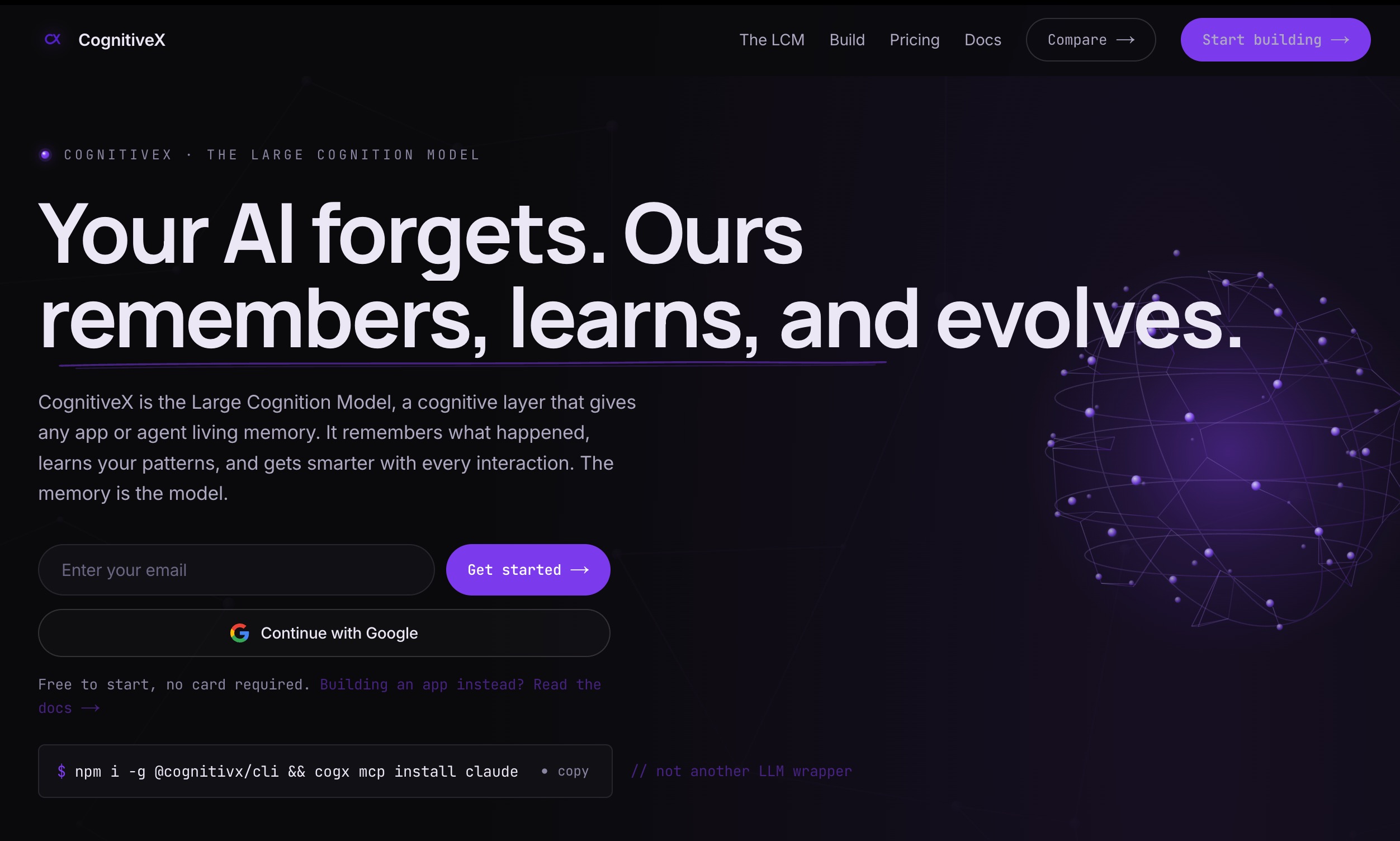
CognitiveX is a heavy-duty, enterprise-grade memory storage solution aimed at large corporations. It provides secure, compliant, and vast context retention for internal AI tools used by thousands of employees.
Key Features
- Strict SOC2 and HIPAA compliance.
- Granular role-based access control (RBAC).
- Distributed memory clusters for global low latency.
Pros
- Top-tier security and compliance for regulated industries.
- Massive scalability for multinational corporations.
Cons
- Very expensive compared to standard developer tools.
- Long, complex onboarding and implementation process.
Pricing
$20/month.
12. Supermemory
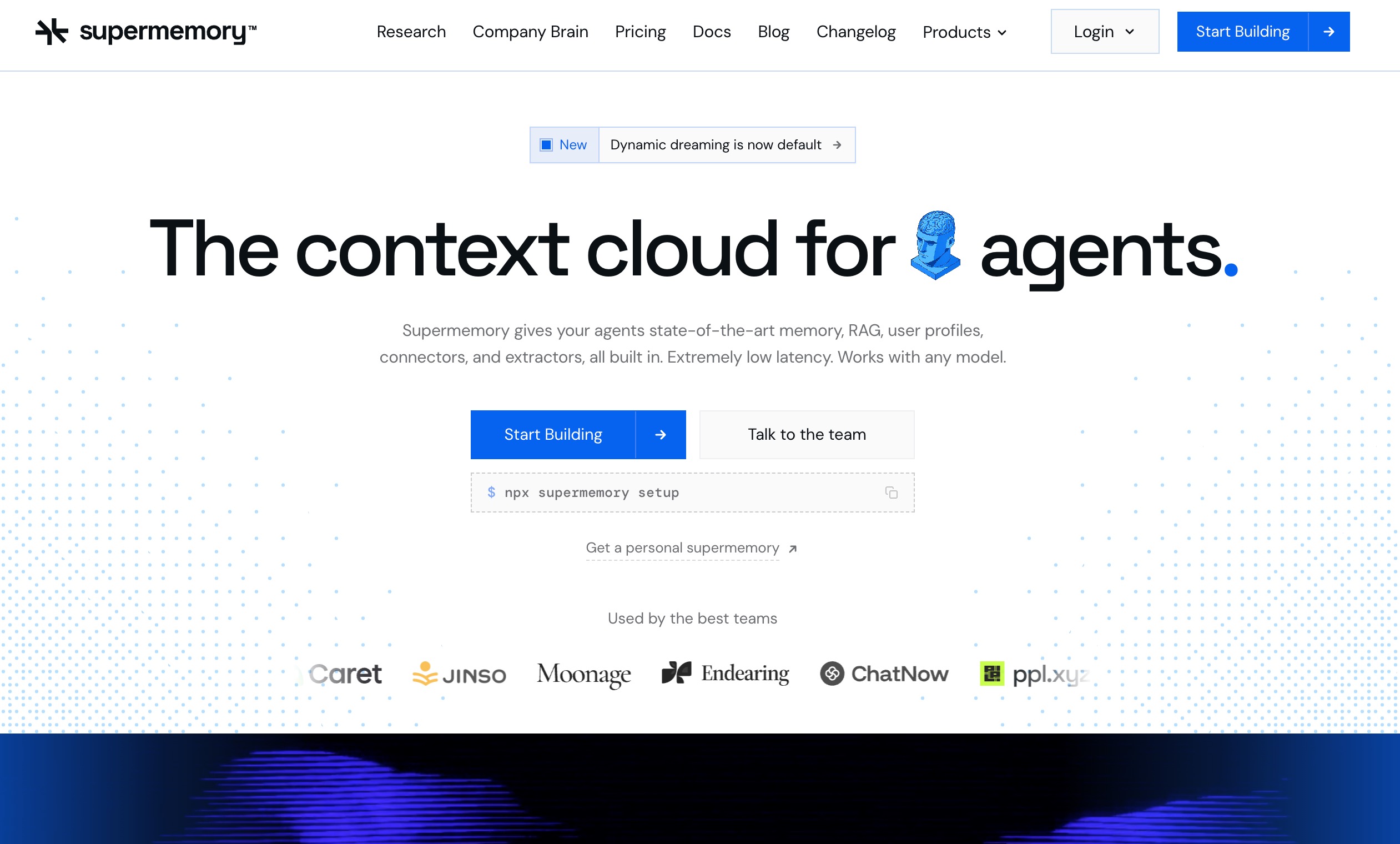
Supermemory functions primarily as an AI-powered second brain and bookmarking tool for developers and knowledge workers. It easily captures context from web pages, social media, and chats, turning them into a searchable memory base.
Key Features
- Seamless Chrome extension integration.
- Automatic categorization of saved data.
- Markdown support and export options.
Pros
- Extremely user-friendly for non-developers.
- Great for capturing context on the fly while browsing.
Cons
- More of a personal productivity app than a backend API for developers.
- Lacks the infrastructure to power standalone multi-agent systems.
Pricing
$19/month.
13. Memos
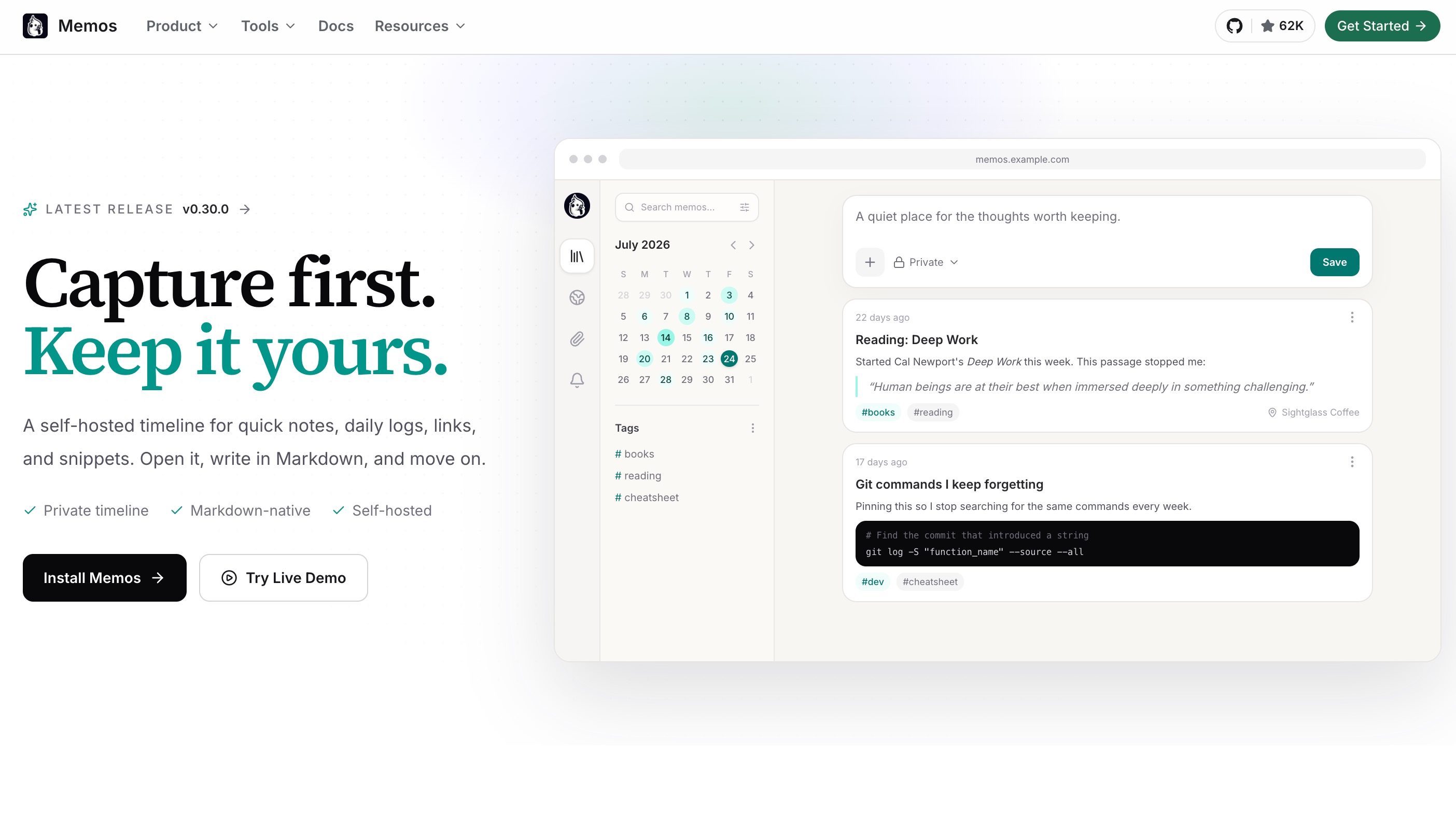
Memos is a highly straightforward key-value snippet storage API. It allows developers to quickly save and recall specific user facts (like names, preferred languages, or account IDs) without relying on complex vector math.
Key Features
- Ultra-fast key-value pair storage.
- Simple, lightweight REST API.
- Deterministic memory recall.
Pros
- The simplest possible integration for basic memory needs.
- Perfect for storing explicit, unchanging user preferences.
Cons
- Lacks semantic search capabilities.
- Cannot handle complex, unstructured conversational context well.
Pricing
Custom pricing.
14. Pieces
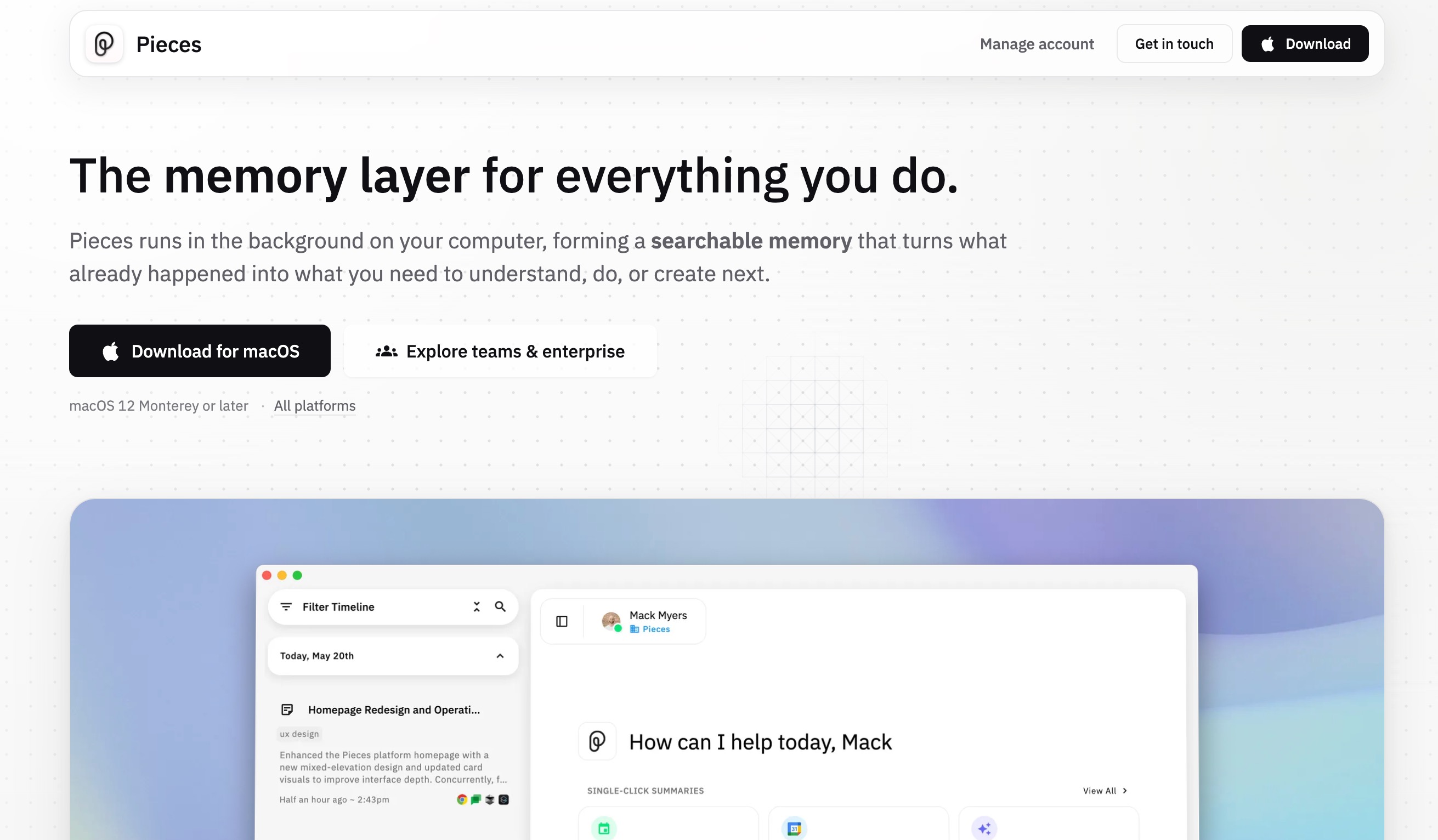
Pieces for Developers is an on-device tool that captures coding context, snippets, and workflow history. It serves as a local memory layer for coding copilots, ensuring your AI understands the context of your specific codebase.
Key Features
- Fully local processing for maximum privacy.
- Deep IDE integrations (VS Code, IntelliJ).
- Intelligent code snippet management and tagging.
Pros
- The absolute best choice for developer-specific workflows.
- Offline capabilities ensure your proprietary code stays on your machine.
Cons
- Highly specialized for coding; not suitable for standard chatbots.
- Memory is isolated to the local device unless manually synced.
Pricing
Custom pricing.
15. Mem0
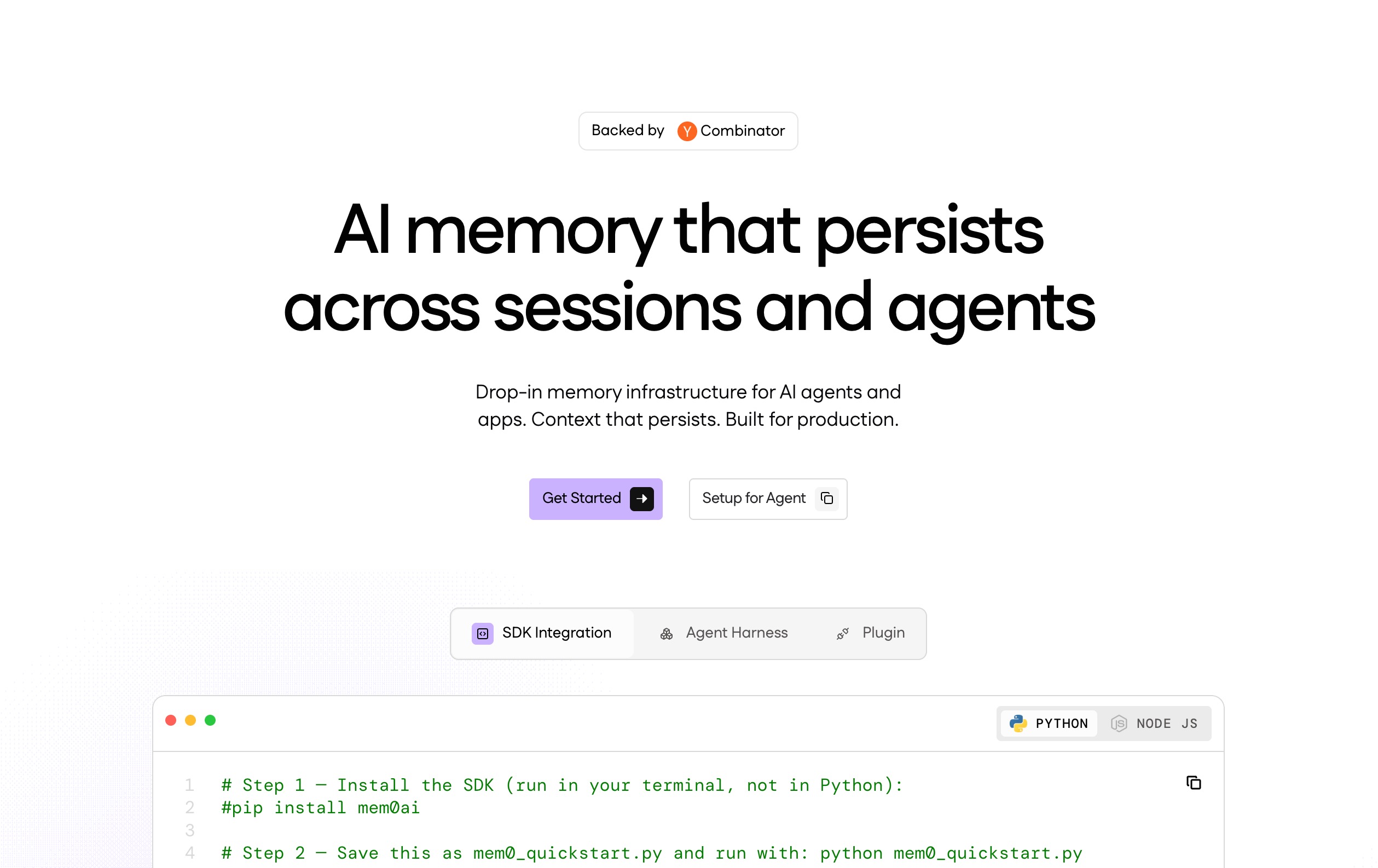
Mem0 provides a personalized memory layer for AI agents, transforming stateless LLMs into stateful systems by automatically learning user preferences, facts, and interaction styles over time.
Key Features
- Automatic memory extraction from chat logs.
- Hybrid search functionality.
- Managed cloud and self-hosted open-source options.
Pros
- Very easy to implement with popular LLM frameworks.
- Continuously updates and refines memories based on user feedback.
Cons
- Managing conflicts in user preferences can sometimes require manual intervention.
- Self-hosting requires managing your own vector databases.
Pricing
$19/month.
Which Tool Should You Choose
Choosing the right memory tool depends entirely on your project's scope, technical requirements, and target audience. Here is an objective breakdown of how to choose:
- For Personal Productivity and Developers: If you are an individual trying to build a "second brain" or keep track of coding context, tools like Pieces, Supermemory, or Personal AI are fantastic, user-friendly choices that require little to no backend configuration.
- For Open-Source Enthusiasts: If data privacy is your utmost concern and you want to self-host everything, AnythingLLM and Mastra provide excellent open-source frameworks to keep context locally.
- For Niche Business Use Cases: If you are building a specific CRM-linked customer support bot, Caura.ai offers great out-of-the-box integrations. For simple, explicit data storage, Memos is the easiest to implement.
- For The Best Overall Persistent Memory and Multi-Agent Orchestration: You should strongly consider MemoryLake. While other tools excel in niche areas, MemoryLake stands out as the most comprehensive, enterprise-ready infrastructure. Because it is specifically designed to complement existing AI models and agent frameworks, it acts as a dedicated memory layer that handles everything from user preferences to complex historical interactions seamlessly. If maintaining continuity and personalized context is critical to your user experience, MemoryLake provides the most robust, scalable, and developer-friendly environment to ensure your AI never forgets.
Conclusion
In the modern AI landscape, simply providing accurate answers is no longer enough; users expect a personalized, ongoing relationship with their digital assistants. Incorporating a context management tool is the only way to cure LLM amnesia and build agents that truly understand the user's history and preferences.
Final Verdict: While there are many competent tools on the market, MemoryLakeis our top recommendation. Its focus on persistent, structured memory and its ability to effortlessly scale with multi-agent systems makes it an unparalleled choice. By integrating MemoryLake, you ensure that every AI experience you build feels consistent, deeply personalized, and brilliantly context-aware.