
What Character.AI said when it filed
Character.AI announced the bankruptcy on its blog in October. The post opens: "Today, we're sharing that Character.ai has initiated a voluntary Chapter 11 bankruptcy process to facilitate a court-supervised sale of the company."
The same post set expectations for timing. Its FAQ says: "We currently expect that the court-supervised sale process will be complete by the end of November or perhaps early December 2026."
It also named the alternative if no buyer came through: "If such a bid is unavailable, however, the platform will be wound down."
On user data, the FAQ gave one answer: "Your information continues to be protected under our Privacy Policy, and our data privacy and security practices are unchanged." It then reminded users that they can delete their account or export their data through the app or the website.
For users, the message in October was that nothing changed on the platform. The service stayed up, subscriptions stayed active, and the sale was something happening in court.
What changed in November
On November 24, attorneys general in several states, including California and Connecticut, published press releases opposing a new piece of the sale.
California's release describes it plainly. Attorney General Rob Bonta "joined a bipartisan coalition of 42 attorneys general in opposing Character.AI's plan to sell its platform and the private chat histories of more than 21 million U.S. accounts — more than 2.1 million of them registered to minors — with no safeguards for consumers whose conversations are being sold."
It gives the date: "All chats, together with users' personal data, including IP addresses and other metadata, are set to be sold at auction on December 1, 2026."
Connecticut's release puts the same point in its subheading: "December 1 auction would sell 21 million users' conversations with no requirement that the buyer protect them".
So the question in October was whether the company would find a buyer. The question now is what a buyer gets, and the attorneys general say it includes the chats themselves.
What the attorneys general say is being sold
The California release lists what the sale would include: "user account information and chat histories". It adds that each chat "is linked to the user's profile and metadata, including IP address and potentially other location data, along with risk scores Character.AI gave users that it flagged."
The October filing from New York's attorney general, joined by a coalition of other states, described the kind of information Character.AI holds: "Character.AI collects sensitive user information, including private chats and voice calls, mental health disclosures, ages, and identifying device data."
It also said what that data could become in a bankruptcy: "The company uses this information to generate revenue and train its AI, and the data could be transferred to a new owner through bankruptcy."
California's release notes that this runs against what Character.AI told users. It quotes the company's own privacy policy: "we do not sell personal information for monetary consideration."
These descriptions come from the states opposing the sale. Character.AI's own October FAQ said your information remains protected under its privacy policy. The court will decide whether the sale goes ahead and on what terms.
What the buyer would and wouldn't have to do
The attorneys general list their concerns with the proposed terms. Three of them matter most to users.
No obligations on the buyer. California's release says: "Under the proposed sale terms, the buyer would not have to follow Character.AI's privacy policies or honor users' requests to opt out or delete their data, and nothing in the deal limits what the buyer could do with the data."
Connecticut's release says the same in different words: "Whoever buys them would have no obligation to comply with consumers' requests to delete their data or otherwise object to how their data is used going forward."
The data could change hands again. California's release says: "Once the deal is done, the buyer could hand the data to a related company or a new owner without telling users, the states or the court, or distribute and sell off the data itself."
An unknown buyer. The releases name one disclosed bidder: "The only bidder disclosed so far, Smirks and Pangs Acquisition LLC (Smirks), was set up as a Delaware company on November 13, 2026 — one day before Character.AI picked it as the base bid for the auction."
California adds: "The sale contract doesn't name a parent company or any investors, and it allows foreign investors whose names would be shared only with Character.AI."
None of the releases says what the bidder plans to do with the chats. They describe the terms as written, which put no limits on that.
What the states are asking the court to do
The coalition isn't asking for a small change. California's release says: "The states ask the court to deny the proposed sale terms, reject Smirks as the lead bidder and deny its proposed" break-up fee, which is a payment the bidder would collect if Character.AI sells to someone else.
It also sets out a fallback: "At a minimum, the states say, any sale must leave out kids' chats and other sensitive data and include conditions that protect users."
The New York filing from October asked for protections in any sale, including "an opportunity for consumers to access and delete their information before any sale." It also said the coalition will "reserve the right to seek an independent consumer privacy ombudsman or object to proposed sale procedures or a bankruptcy plan."
The releases also point to new state laws. California's release says California, Colorado, New York, and Connecticut have enacted chatbot safety legislation "that will go into effect on January 1, 2027".
What the court decides, and when, isn't in any of these documents. The auction date is set. Whether a sale on those terms gets approved is a separate question.
How this differs from the Disney deal
In October, much of the coverage was about Disney. TechCrunch's reporting describes that deal as a license to Character.AI's intellectual property that doesn't give Disney access to users' chats.
California's release refers to it as "a separate license sale to Disney", which the coalition also objected to. Connecticut's attorney general put both together in one statement: "We objected to the Disney sale, and we're calling on the bankruptcy court to reject this sale too as yet another guise to eviscerate legal liability and consumer protections".
So there are two transactions in the case. The Disney license, as reported, covers intellectual property. The December 1 auction, according to the attorneys general, covers the platform along with users' chats and personal data. If you read in October that your chats weren't part of the deal, that was about the Disney license, and it doesn't describe the auction.
What you can do before December 1
You have a few days, and the options are limited. Here's what's within your control.
Decide what you want to keep. Character.AI's FAQ says you can export your data through the app or the website. When we checked Character.AI's help center in October, it said exports take three to four weeks to process, and the download link arrives by email with a short window to use it. A request made now is unlikely to finish before December 1, so don't count on a full export arriving in time. If there are conversations or Character details you want to keep, copy the important parts by hand now.
Decide whether to delete your account. Character.AI's FAQ says you can delete your account through the app or the website. When we checked in October, its help center described account deletion as permanent, so save anything you want first.
Be clear about what deleting does and doesn't tell you. Character.AI's FAQ doesn't say whether accounts deleted before the auction are left out of the data being sold, and none of the attorneys general's releases says so either. What the releases do say is that the buyer wouldn't have to honor deletion requests under the proposed terms.
Remove what you can from individual chats. If you'd rather keep your account, you can still delete specific conversations you don't want to exist anymore. The same uncertainty applies.
Follow the case from primary sources. Character.AI's blog post links to the court filings, hosted by its claims and noticing agent, Stretto. Your state attorney general's office will also post updates. Headlines in the next week may move faster than the filings.
What people try first
Assuming the October news still applies. The Disney deal excluded chats. The December 1 auction, as the states describe it, doesn't.
Requesting an export and waiting. Exports have taken weeks, so copy what matters by hand now.
Expecting the buyer to follow the old privacy policy. The states say the proposed terms don't require it.
Deleting without saving. Character.AI's help center has described account deletion as permanent. Save first.
Reading only social media updates. Check the attorneys general's releases and the court filings.
The Fix: Keep what matters before the sale
Step 1: List what you'd miss
Write down the Characters, stories, and conversations you'd want to keep, in order of importance.
Step 2: Copy the details by hand
Save Character definitions, key story points, and the parts of conversations you care about to a document you control.
Step 3: Decide on deletion
Delete specific chats or your account if that's your choice, knowing what's still unknown about the sale.
Step 4: Write down the context in your own words
Note the personalities, settings, and running details you'd need to pick things up again somewhere else.
Setting this up in MemoryLake
What you built on Character.AI over months is more than a chat log. It's the personalities you shaped, the story so far, and the details you'd otherwise have to explain again. That context is worth keeping in a place that doesn't depend on any one company's future.
MemoryLake is a memory layer for that kind of context, kept in one place you maintain and available to the assistants you connect, such as ChatGPT, Claude Code, and Codex.
You write the entries yourself, in your own words. Nothing is read out of, written to, or deleted from your Character.AI account, your chats, your Characters, your export, or any vendor's store. The sale and your account work the way Character.AI and the court proceedings describe them.
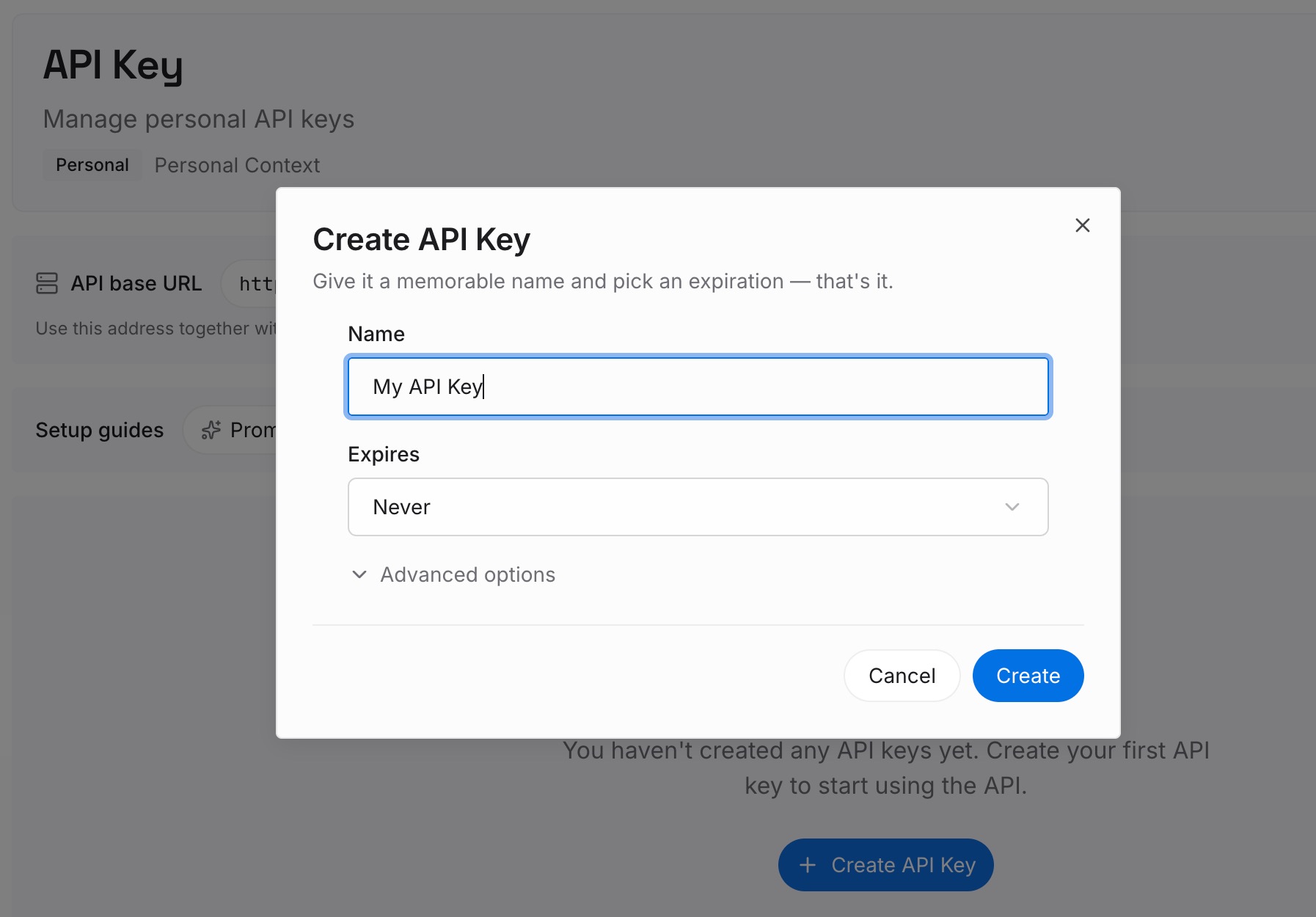
Step 1: Create an API key
Sign in and generate a key from the dashboard. Keep it somewhere private.
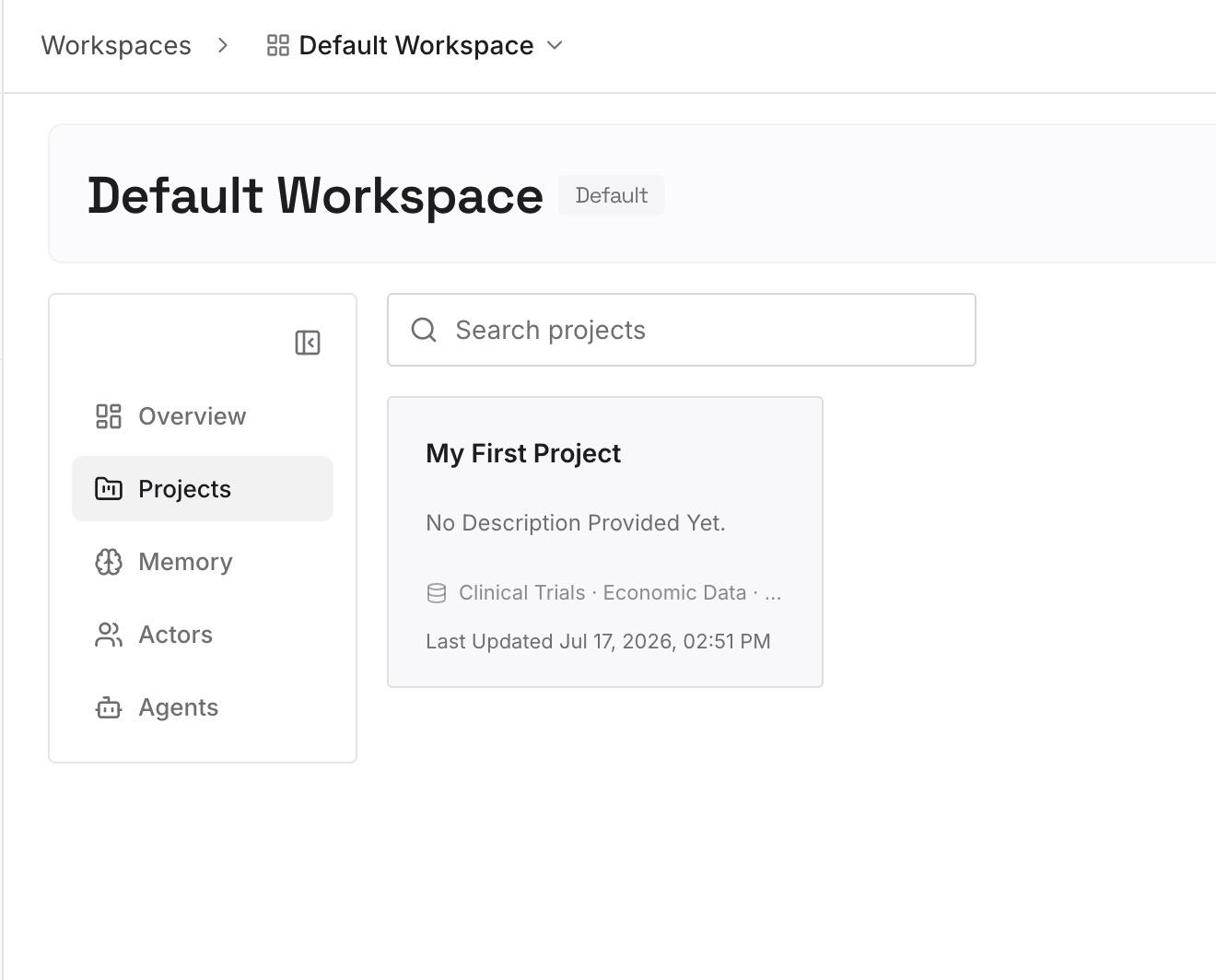
Step 2: Upload your first memories
Start with what you wrote in Step 4 of the fix: Characters, settings, and the story so far. One topic per entry.
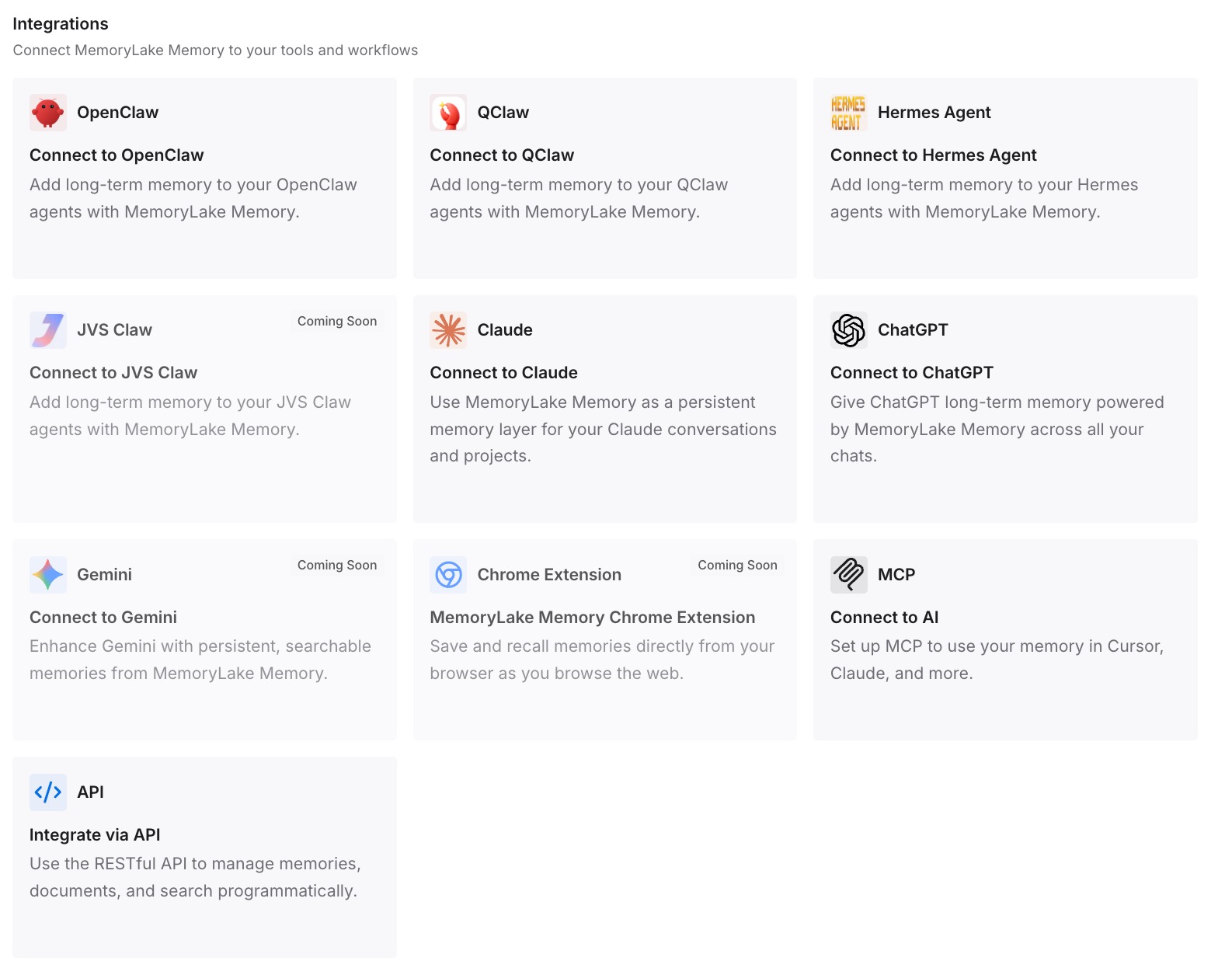
Step 3: Connect your AI & agents
Connect ChatGPT, Claude Code, Codex, and the other assistants you use, so the context is there wherever you continue.
What this changes in practice
The first difference is independence. The context you care about doesn't sit with a company whose data is being sold.
The second is control. You choose exactly what's written down, and you can leave out anything private.
The third is continuity. If you move to another assistant, you start from your own notes instead of from nothing.
Best practices for the Character.AI sale
Read the primary sources. The attorneys general's releases and the court filings say more than the headlines.
Don't wait on an export. Copy what matters by hand before December 1.
Save before deleting. Copy what you want to keep first.
Keep the October news separate. The Disney license and the December 1 auction are different transactions.
Assume the details can change. The court may approve, reject, or change the sale terms.
Keep your own record. Write down the Characters and stories you'd want to keep, whatever happens.
Conclusion
Character.AI filed for Chapter 11 in October to sell the company, and said user data would stay protected under its privacy policy. In November, a coalition of 42 state attorneys general opposed a proposed sale of the platform together with the chat histories of more than 21 million U.S. accounts, set for auction on December 1. They say the proposed terms wouldn't require the buyer to follow Character.AI's privacy policies or honor deletion requests, and that the only disclosed bidder was formed one day before it became the base bid.
The Disney deal from October is a separate license that excludes chats. Before December 1, the practical steps are to copy what you want to keep, decide whether to delete chats or your account, and follow the case through the attorneys general and the court filings. Keeping the context you built in your own notes means it doesn't depend on how the sale ends.