
Why ChatGPT Forgets Your Contract Details
How ChatGPT handles contracts today
When you attach a contract, ChatGPT reads it into that conversation's context and answers against it. When the chat ends, the document goes with it. The definitions you clarified, the fallback positions you established, the clauses you flagged as non-negotiable — all of it lived in that session and none of it persists. The next matter starts from zero.
The technical reason it doesn't stick
ChatGPT's persistence features weren't built to hold a contract library. Memory stores compact facts and preferences — useful for "I'm in-house counsel, cite clause numbers," far too small for the text of an agreement. Projects can hold uploaded files, but each file is re-read per conversation rather than becoming durable, queryable knowledge, and nothing crosses from one project to another. There's no layer whose job is "remember the terms of our agreements."
What this costs a legal team
Re-briefing on every matter: the same fifteen minutes explaining the same framework agreement before real analysis starts. Dangerous inconsistency: a clause you flagged as unacceptable in one chat gets treated as standard in the next, because the flag didn't carry. And no reliable trail: when someone asks why a position was taken, there's no traceable link from the answer back to the contract version and clause that grounded it — a real problem in work that has to survive scrutiny.
ChatGPT's Built-in Workarounds (and Where They Stop)
Memory
Fine for standing preferences — citation style, your role, output format. Its boundary is hard: it holds short text, not contracts. You can't store an agreement in it, only a note that you work with them.
Projects
Grouping matters into a project keeps related chats and files together, which helps organization. But files are static attachments re-read per conversation, project knowledge doesn't leave the project, and nothing versions the terms as agreements get amended.
Re-uploading each session
The default fallback — attach the contract again every time — works and is exactly the manual tax that adds up: re-uploading, re-explaining, re-flagging, matter after matter.
The shared wall: contract context lives inside disposable chats, in one app, per account — the same root cause behind why ChatGPT forgets uploaded files, scaled to work where the details carry real consequences.
The Fix: Give ChatGPT a Persistent Contract Memory
The durable approach is to keep your agreements and positions in a memory layer outside any single chat. MemoryLake stores contracts, clause libraries, and standing positions once — parsed with a visual engine built for dense, layout-heavy documents, versioned Git-style so amendments are traceable, and end-to-end encrypted so privileged material stays confidential.
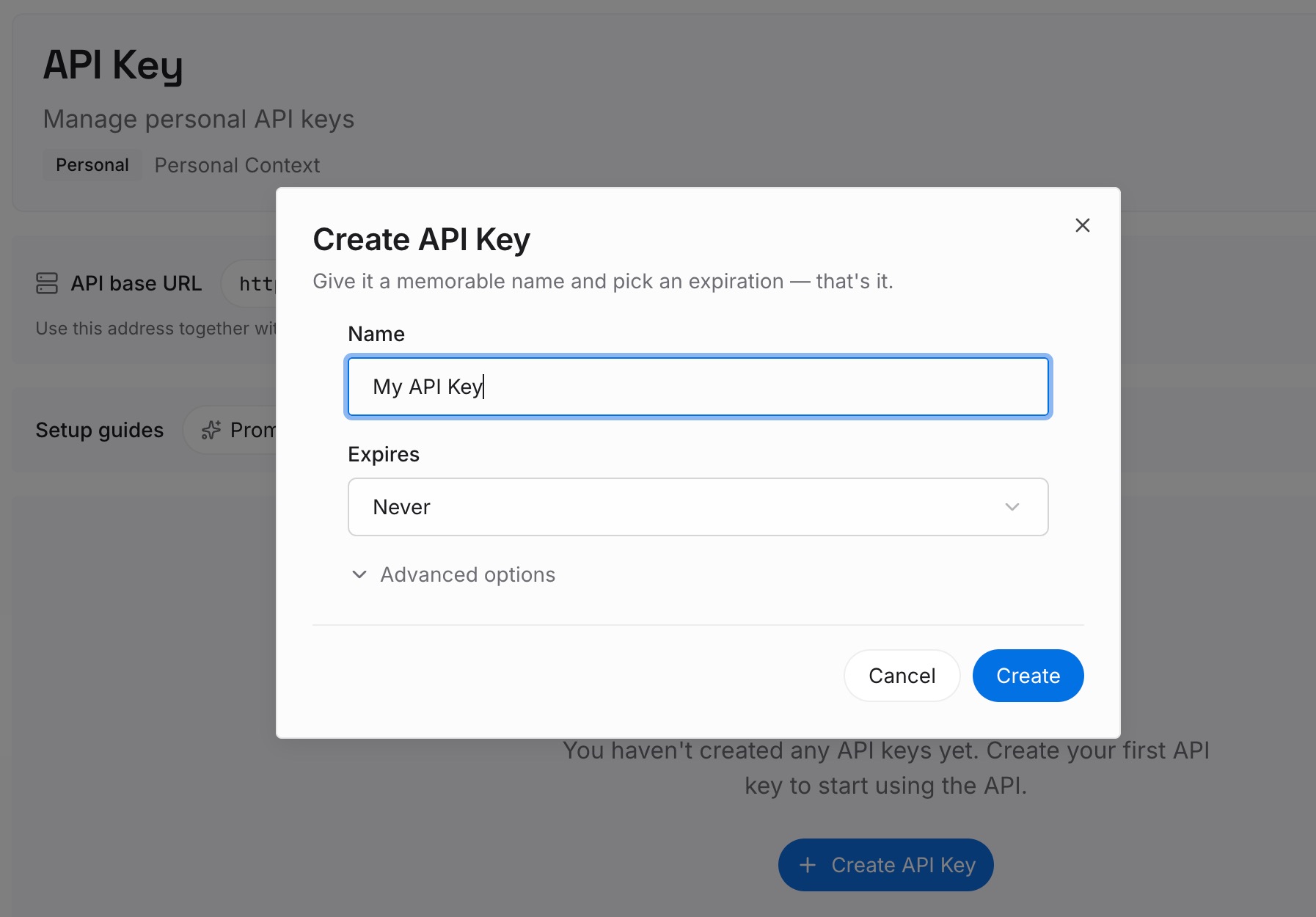
Step 1: Create an API key
Sign in to MemoryLake, generate a key, and make your first request — it takes about 30 seconds.
Step 2: Upload your first memories
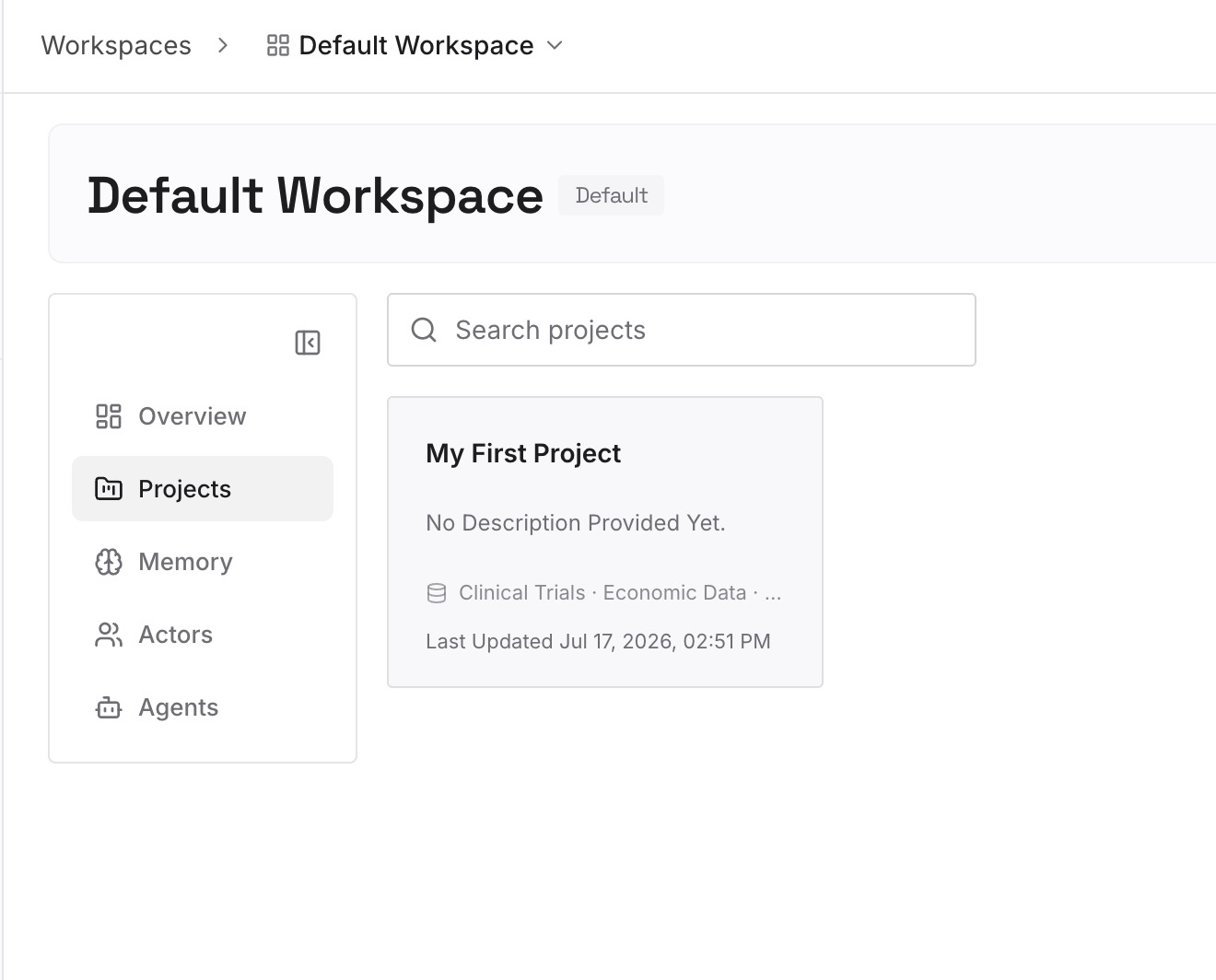
Drop in the agreements and reference material a matter runs on — contracts, clause banks, playbooks, precedent documents; documents, images, and other files all work. Add standing positions as text memories ("indemnity cap: never below X; governing law: prefer New York") so they persist alongside the files.
Step 3: Connect your AI & agents
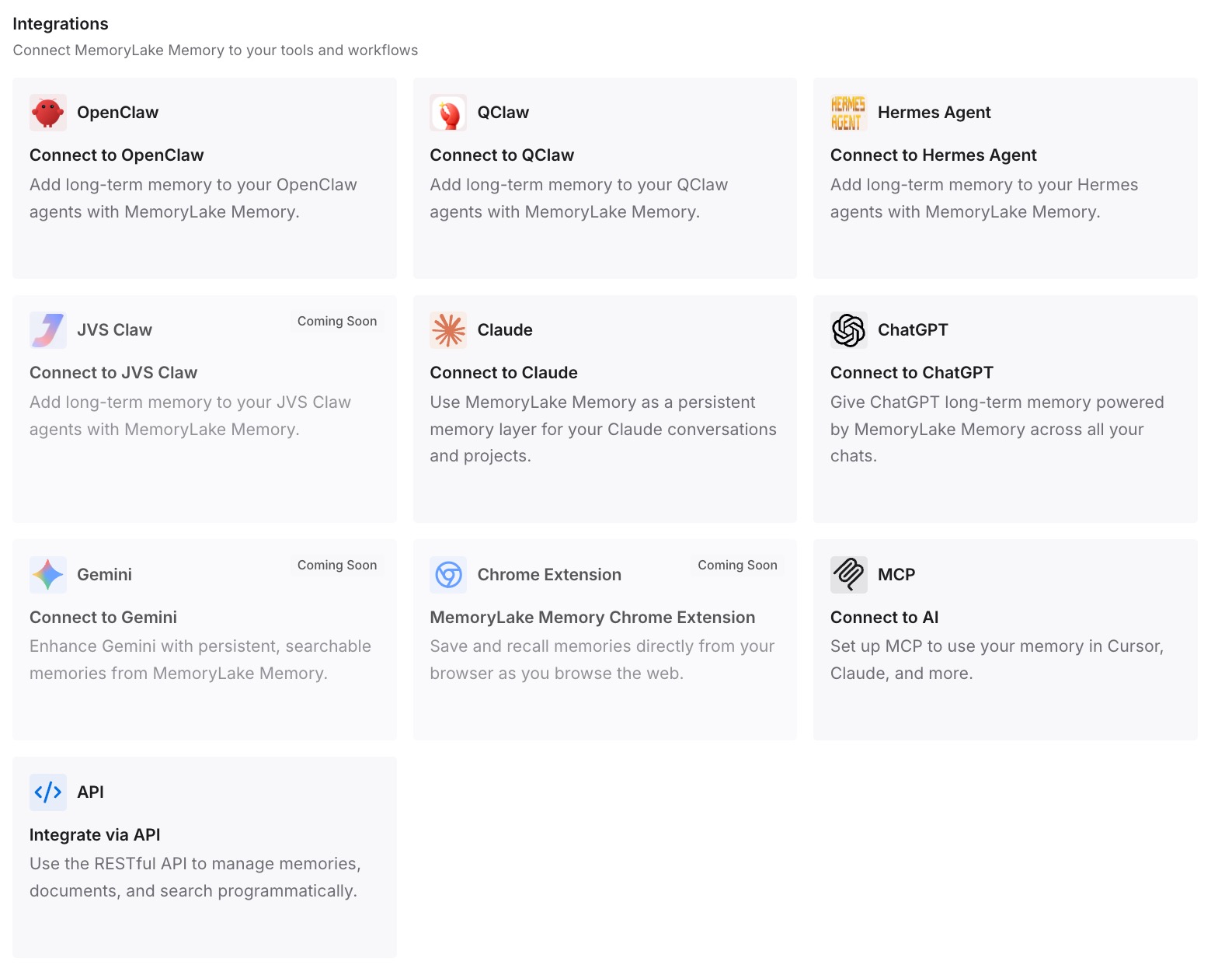
Connect ChatGPT through MemoryLake's ChatGPT integration or the API, so each session starts already aware of the contract and your positions on it. The same memory is available to Claude, Codex, OpenClaw, and other agents via MCP or the API — one contract memory across every tool your team uses.
What Re-Reading Contracts Actually Costs
The re-briefing tax, with consequences
Re-uploading and re-explaining an agreement each session is billable time spent on setup, not analysis — and the subtler cost is risk: a position that drifts between sessions because the model couldn't see what was decided last time. In legal work, forgotten context isn't just slow, it's exposure.
Retrieval instead of re-reading
With a persistent layer, ChatGPT retrieves the relevant clause or standing position on demand instead of re-ingesting the whole contract. Faster answers, consistent positions, and in API workflows leaner prompts — MemoryLake's Token Saving Calculator projects the effect from your usage.
Best Practices for a Contract Memory
Store positions separately from documents
Keep the agreement as a file and your standing positions ("acceptable liability caps," "non-negotiable clauses") as distinct text memories. Documents change per deal; positions apply across them.
Version amendments, don't overwrite
When a contract is amended, add the new version rather than replacing the old — version history is what lets you answer "what did the March draft say?" without an archaeology dig.
Scope by client or matter
One memory scope per client or matter keeps retrieval precise and prevents one agreement's terms from bleeding into analysis of another's.
Conclusion
ChatGPT is a capable first-pass reader of contracts trapped in a one-session memory: sharp while the document is in front of it, blank the moment the chat closes. Its Memory and Projects features organize the work but were never built to hold your agreements. Put contracts and positions in a persistent, encrypted memory, and every session — in ChatGPT or any other AI — starts knowing the terms, holding your positions consistently, with a version trail behind them. Stop re-reading your own contracts.