
Why ChatGPT forgets your data schema
The analysis sandbox is disposable by design
The container that runs your Python, holds your DataFrame, and stores your uploaded CSV is scoped to the session. Idle for half an hour, or push past a day of continuous work, and it goes away. Close the chat and it is torn down deliberately. Analysts have reported losing significant work to a sudden disconnect mid-analysis — not because anything failed, but because the environment was never meant to persist.
Schema is inferred, not stored
When you upload a file, the model samples the top rows to guess types and meanings. That is a reasonable heuristic and a fragile foundation: garbled encodings, a stray header row, an ID column that looks numeric, a date column with two formats. The inference happens fresh every time, which means the same file can be read slightly differently on Tuesday than it was on Monday.
Built-in memory holds preferences, not column definitions
ChatGPT's memory is designed for things like your role, your reporting style, your standing instructions — and it is useful for those. It is not a data dictionary. It will not reliably carry forty column definitions, three exclusion rules, and the reason one table is joined on a composite key. Related failures show up as ChatGPT losing context between sessions and forgetting your uploaded files.
The definitions were never in the data
This is the part that makes it a memory problem rather than a file problem. Which column is authoritative, what a null means in practice, which rows the finance team excludes, why last quarter's number was restated — none of that is in the CSV. It is in your head, a wiki page, or a Slack thread. Every session, you retype it, and every session it is thrown away.
What analysts try
Re-uploading and re-explaining
The default. It costs ten minutes and, more insidiously, it degrades: by the fourth session you stop mentioning the edge cases, and the model quietly produces a slightly wrong number that looks right.
Exporting intermediate results every 10–15 minutes
The widely recommended workaround for the expiring sandbox — save state to CSV or Excel, re-upload after a disconnect. It works, and it is exactly as tedious as it sounds. It also only preserves data, never the reasoning: you get your DataFrame back, not the six decisions you made about it.
Pasting a data dictionary into every chat
Better, and the closest thing to a real fix among the manual options. The catch is drift. The document lives in a doc, the paste lives in a chat, the schema changes in a database, and within a month the three disagree — with no error message to tell you which one the model used.
A Custom GPT or Project with reference files
A genuine improvement for a stable dataset: instructions and reference files in one place, shared with your team. Still manual, still a silo. The files do not update when the schema does, and nothing in there is visible to the coding agent writing the ETL job or the assistant drafting the board summary from the same numbers.
The Fix: Give ChatGPT a Persistent Data Memory
The fix is to separate the two things you have been bundling together. Data belongs in a warehouse or a file; definitions and conclusions belong in memory that outlives any sandbox. That is the role MemoryLake plays — one memory layer your assistants and agents read from, independent of which chat is open.
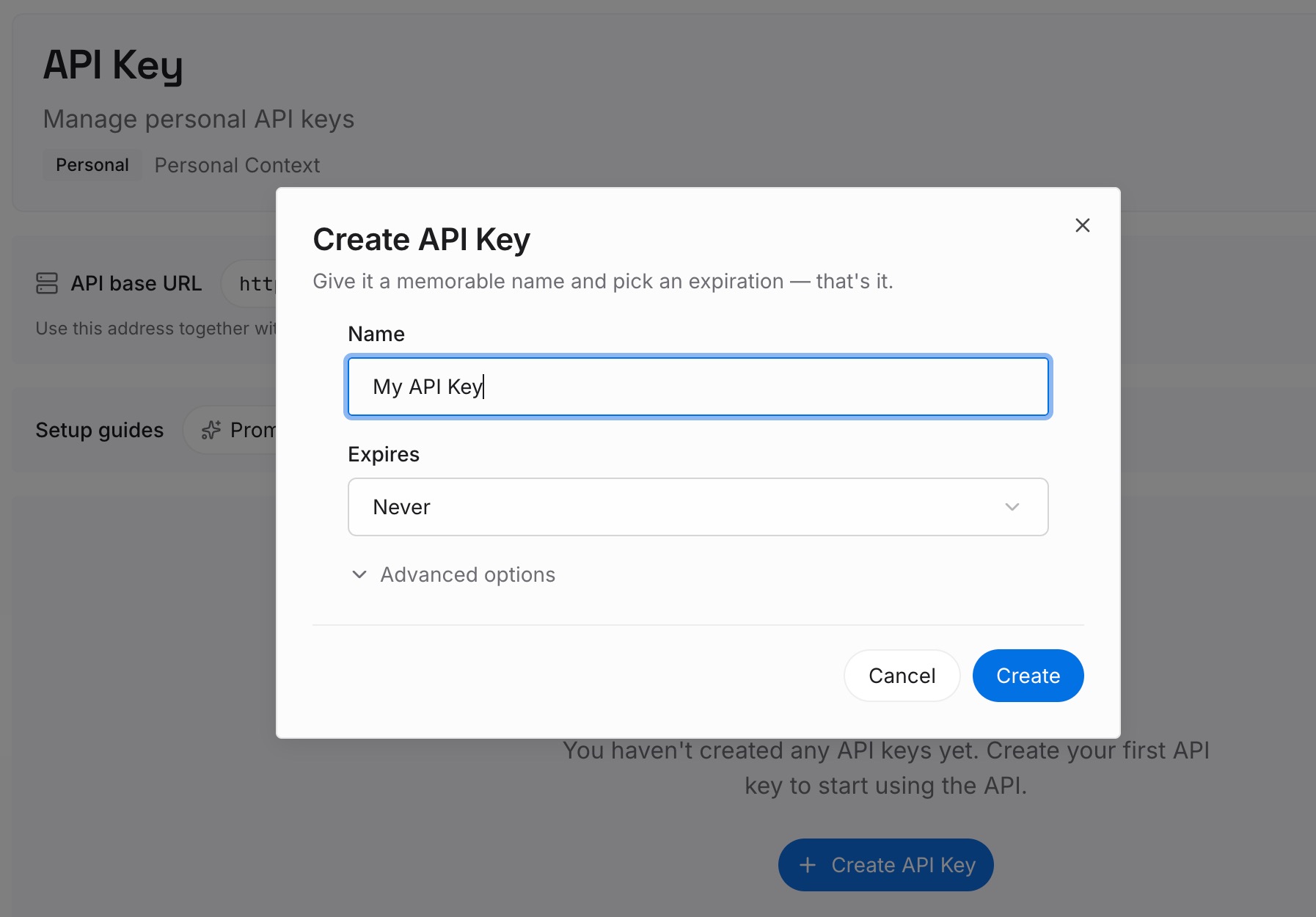
Step 1: Create an API key
Generate a key and make your first request in about 30 seconds.
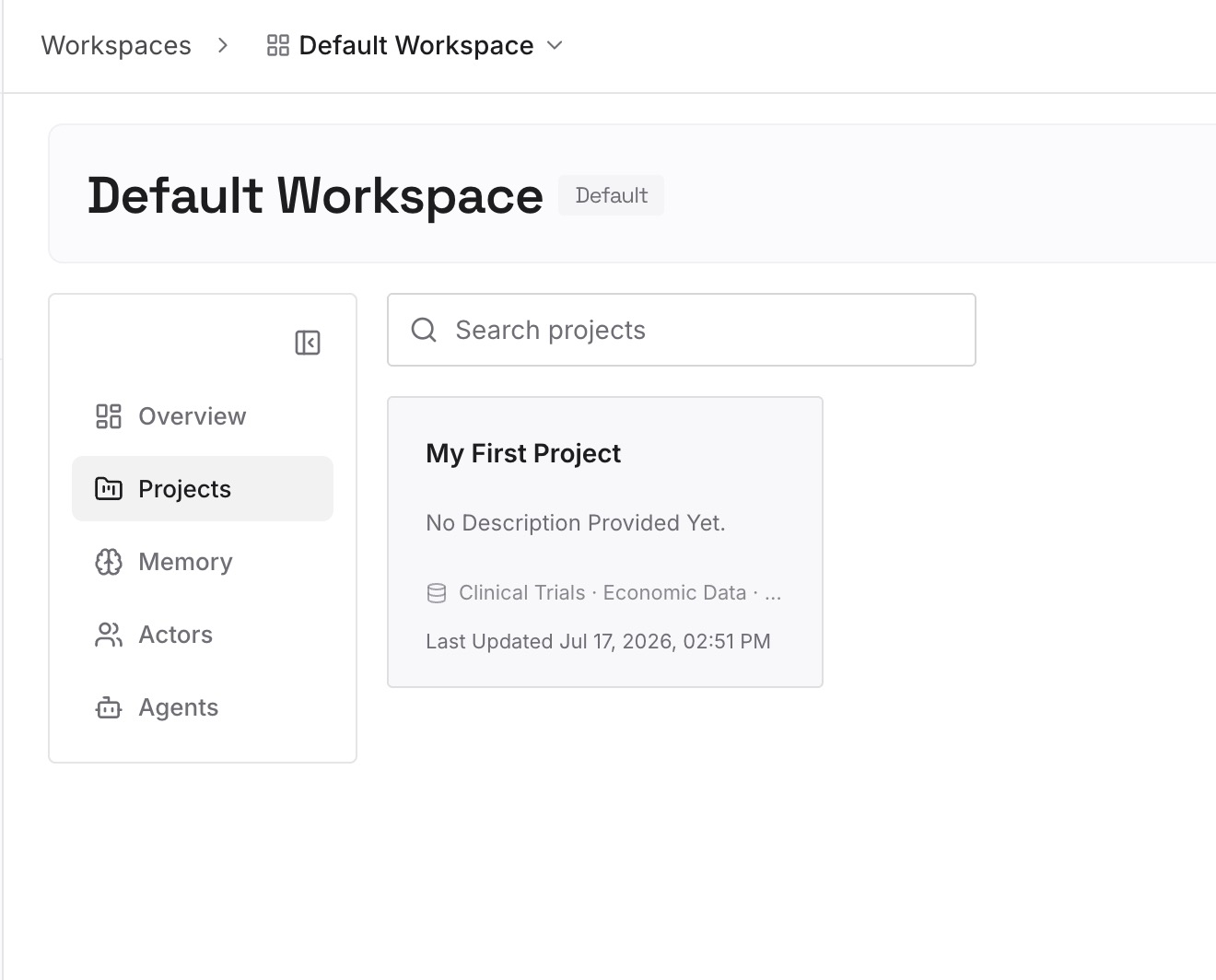
Step 2: Upload your first memories
Drop in the documents, images, and files that define your data: the data dictionary, column semantics and authoritative sources, exclusion and filtering rules, join keys, known quirks by date range, and the findings you have already validated.
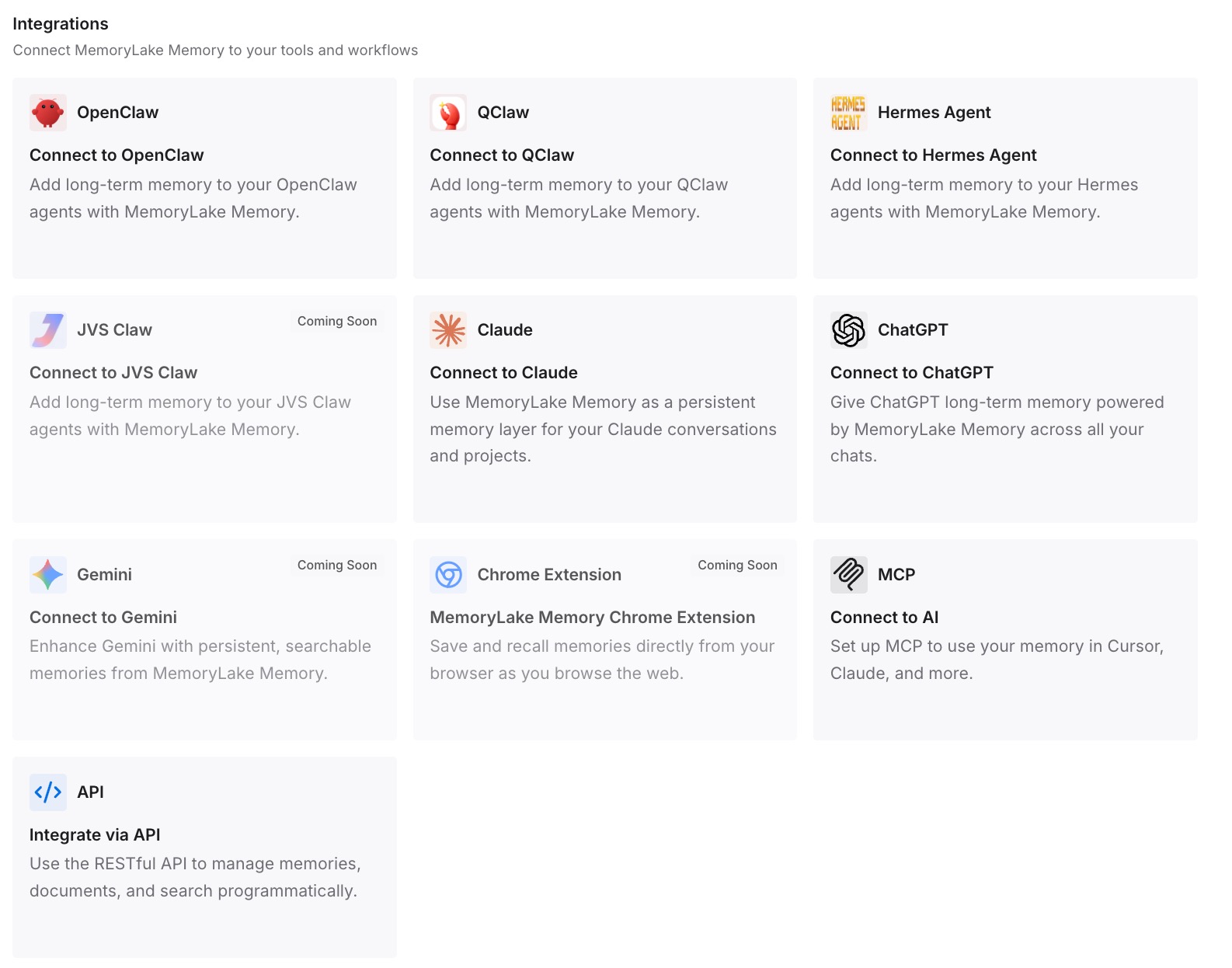
Step 3: Connect your AI & agents
Give Claude, Codex, OpenClaw, and your other agents access to that memory via MCP or the API. For ChatGPT, retrieve the relevant definitions through the API and feed them into the conversation or your analysis workflow, so the model starts with your semantics rather than guessing them from the first five rows.
What this changes in practice
Count your own repetition. If explaining schema and rules takes eight minutes and you start four analysis sessions a week, that is over half an hour weekly of pure restating, per analyst. If the pasted dictionary is 1,500 tokens and gets sent 25 times a day across a team, that is roughly 1.1M tokens a month spent re-establishing facts that have not changed.
The expensive failures are not the tokens. They are the analysis that silently included refunds because nobody re-mentioned the exclusion rule, the report that used the legacy amount column, and the restated figure that got re-restated. Persistent definitions make those failures much less likely, because the rule does not depend on someone remembering to retype it. It also stops re-explaining context to your AI from being part of the job description.
Best practices for data memory
Store the dictionary and the rules, not the rows
Memory is for semantics: what each field means, which source wins, what to exclude, how periods are defined. Keep the data itself where data belongs. This keeps memory small enough to retrieve precisely and cheap enough to send.
Version definitions when the schema changes
When a column is renamed or a rule changes, replace the stored fact and note the effective date — "region codes changed 2026-03-01" is the kind of detail that determines whether a year-over-year comparison is honest. Stale definitions are worse than absent ones, because the model applies them confidently.
Record validated findings alongside the numbers
When an analysis is checked and accepted, store the conclusion and how it was derived. It stops the same question being re-answered from scratch, and it gives the next session a reference point for whether a new number is plausible. Retrieval alone will not do this for you — see why RAG isn't memory.
Conclusion
ChatGPT forgets your data schema because the environment that held it was disposable and the semantics were never stored anywhere. The sandbox expires after roughly 30 minutes idle or 24 hours of use, the container dies with the chat, and the schema is re-inferred from the first few rows every time you start again.
Exporting intermediate files every fifteen minutes protects your data. It does nothing for your definitions. Put the dictionary, the exclusion rules, and your validated findings in a memory layer your tools read, and the next session opens knowing that amount_net is authoritative and refunds are excluded — which is the difference between an assistant that analyzes your data and one that guesses at it.