
Why ChatGPT Forgets Your Product Requirements
How ChatGPT handles a PRD today
When you paste or upload a PRD, ChatGPT reads it into that conversation's context and reasons over it well. When the chat ends, the document goes with it. The scope you trimmed, the edge cases you enumerated, the "we're not doing SSO in v1" decision — all of it lived in that session. The next chat sees whatever you paste again, not the product's accumulated definition.
The technical reason it doesn't stick
ChatGPT's persistence features weren't built to hold a living spec. Memory stores compact facts and preferences — useful for "I'm a PM, write user stories in Gherkin," far too small for a requirements document, let alone its revision history. Projects can hold uploaded files, but each is re-read per conversation rather than becoming durable knowledge, and nothing versions requirements as they change sprint to sprint. There is no layer whose job is "remember what this product is and what we decided not to build."
What this costs a product team
Relitigating settled scope: the model proposes what you already cut, and you re-explain why — every session. Drift between artifacts: the user stories written Tuesday assume a requirement that changed Thursday, and nothing flags the mismatch. And lost rationale: when engineering asks "why is this behavior specified this way," the reasoning lived in a chat nobody can find, so the decision gets re-argued from scratch.
ChatGPT's Built-in Workarounds (and Where They Stop)
Memory
Good for standing preferences — your writing format, your framework, your role. Its boundary is hard: short text entries, not specs. You can teach it how you write requirements, not what your requirements are.
Projects
A project per product area keeps related chats and files together, which genuinely helps organization. But files are static attachments re-read per conversation, project knowledge doesn't cross to another project or teammate, and nothing tracks a requirement's revision history.
Re-pasting the PRD
The default fallback — paste the current spec into every session — works, and it's the manual tax that repeats before every session. It also silently fails when you paste a stale copy, which is worse than not pasting at all.
The shared wall: requirements live in disposable chats, per person, per app, disconnected from where the product is actually built — the same root cause behind why ChatGPT forgets project context, in work where a forgotten decision ships as a bug.
The Fix: Give ChatGPT a Persistent Product Memory
The durable approach is to keep the spec and its decisions in a memory layer outside any single chat. MemoryLake stores your PRDs, scope decisions, and edge cases once — parsed and searchable, versioned Git-style so a requirement's history is traceable, and end-to-end encrypted so unreleased roadmap detail stays internal.
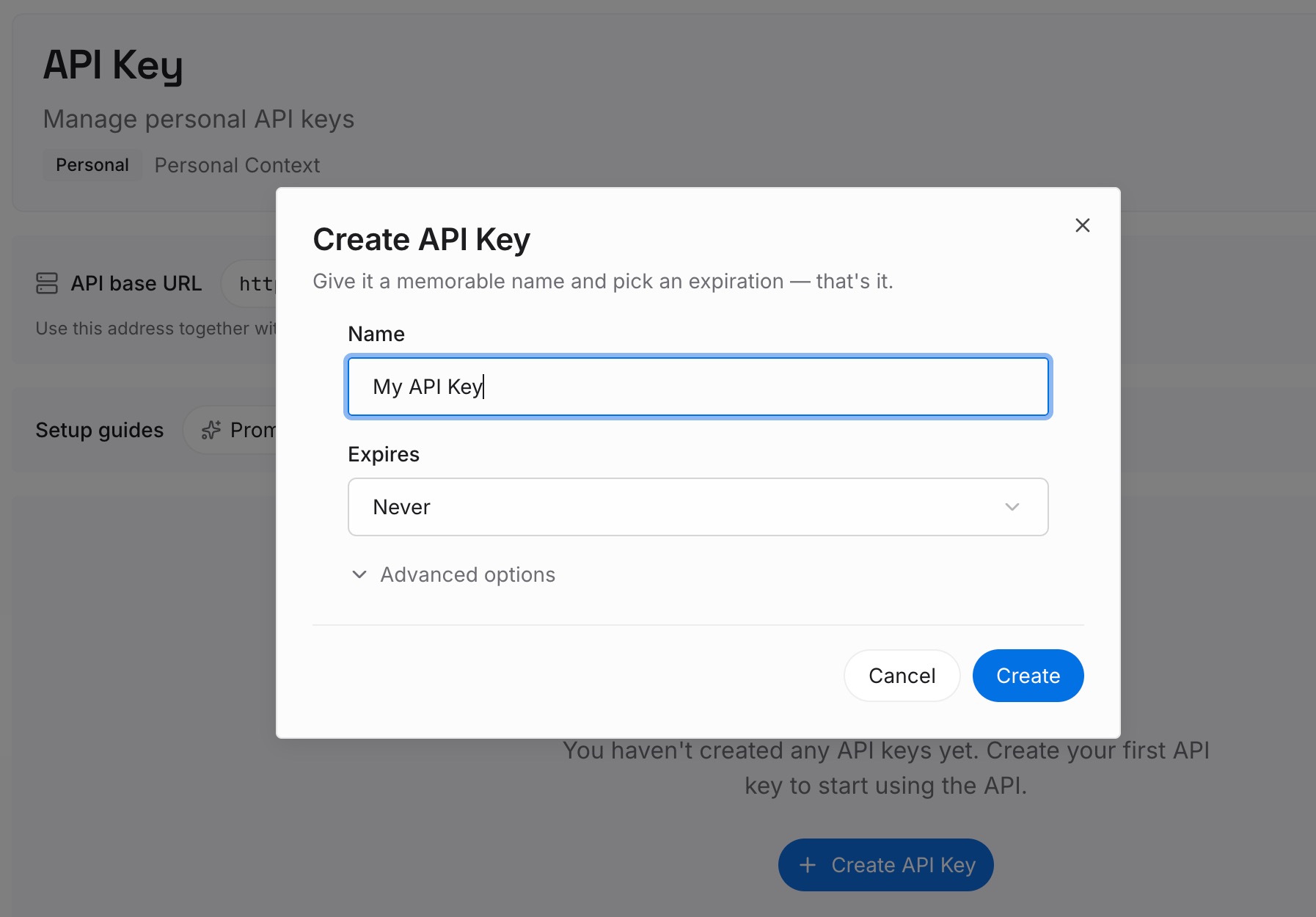
Step 1: Create an API key
Sign in to MemoryLake, generate a key, and make your first request — it takes about 30 seconds.
Step 2: Upload your first memories
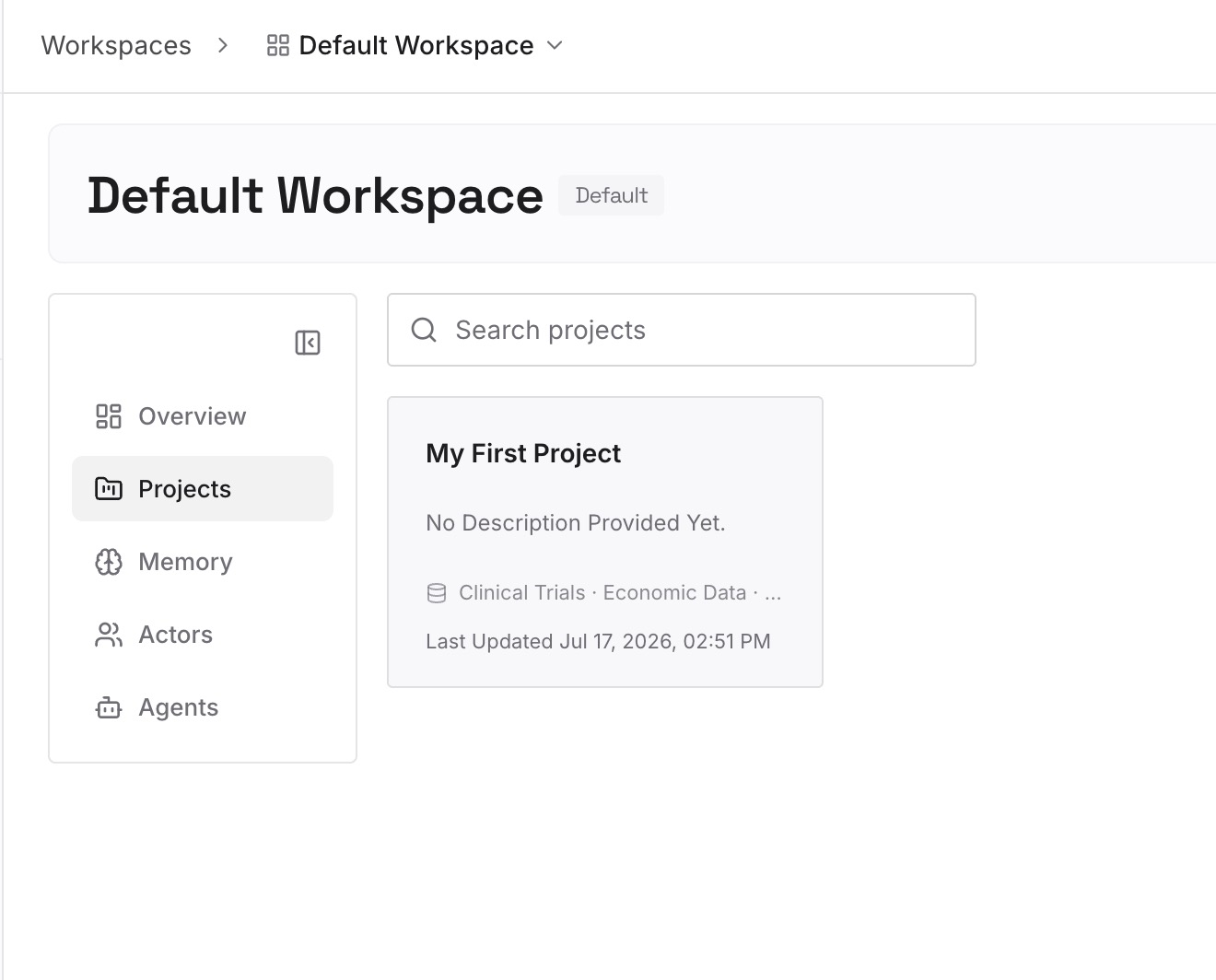
Drop in what every spec session needs: the PRD, user research summaries, design docs, and API contracts — documents, images, and other files all work. Capture the moving parts as text memories ("v1 scope excludes SSO — enterprise deferred to Q4"; "notifications batch hourly, decided against real-time for cost") so decisions persist alongside the document.
Step 3: Connect your AI & agents
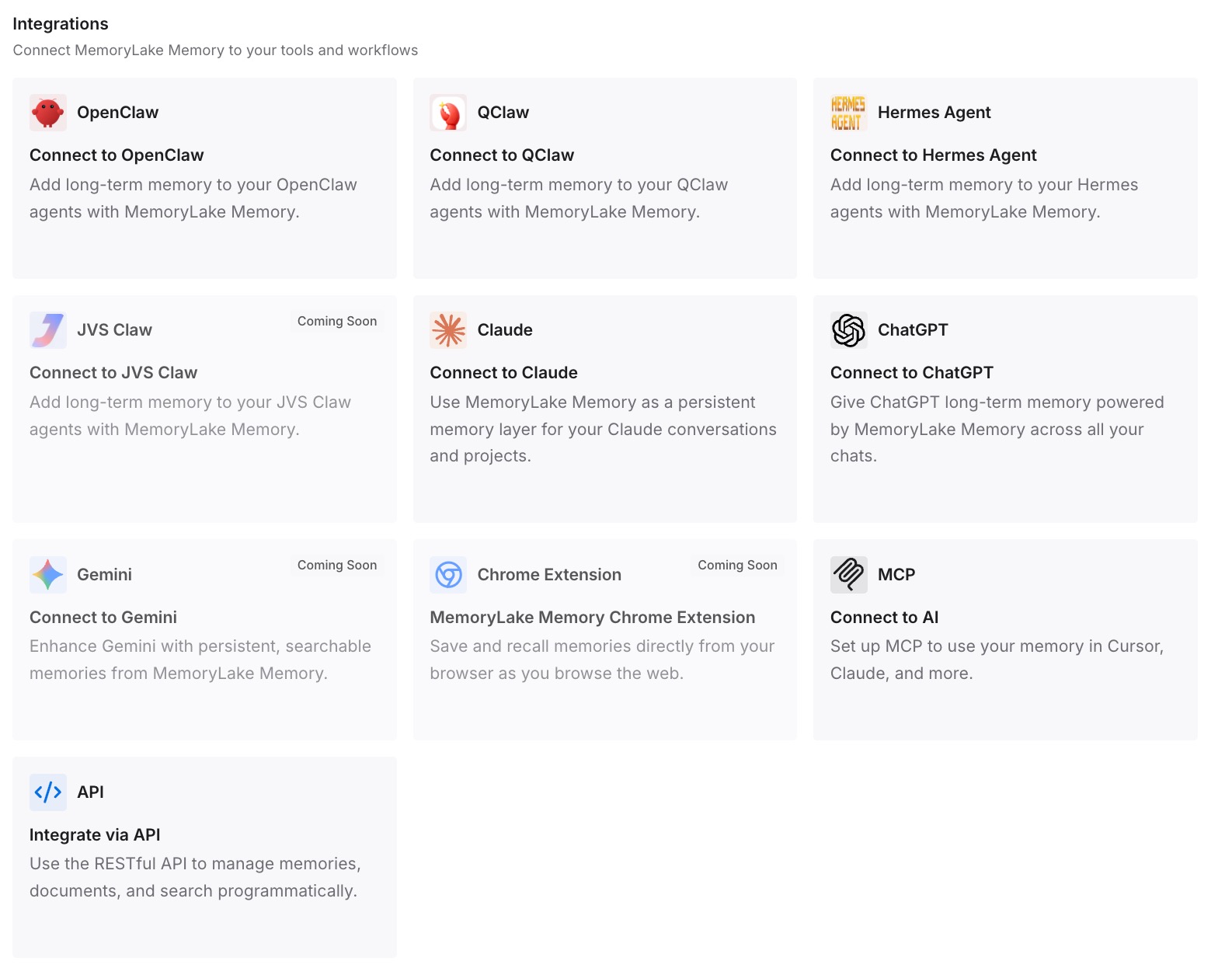
Connect ChatGPT through MemoryLake's ChatGPT integration or the API, so every session starts already aware of the current spec and what's out of scope. The same memory is available to Claude, Codex, OpenClaw, and other agents via MCP or the API — so the requirements your PM tools see are the requirements your coding agents see.
What Re-Specifying Actually Costs
The relitigation tax
Re-pasting the PRD and re-explaining cut scope before each session is time taken from actual product thinking — and the deeper cost is decisions that quietly drift, because two sessions worked from two different versions of the truth and nobody noticed until review.
Retrieval instead of re-pasting
With a persistent layer, each session pulls the current requirement and the reasoning behind it on demand instead of re-ingesting a whole document. Specs stay consistent, rationale is traceable, and prompts stay lean — MemoryLake's Token Saving Calculator projects the effect from your usage.
Best Practices for a Product Memory
Record what you decided not to build
Cut scope is the most re-proposed thing in product work. One line — "not doing X in v1 because Y" — stops the same suggestion from returning every session.
Version requirements, don't overwrite them
When a requirement changes, add the revision with a date rather than silently replacing it. Version history is what answers "what did we commit to in June?" without an archaeology dig.
Scope by product area
One memory scope per product line or surface keeps retrieval relevant and prevents one area's constraints from leaking into another's spec.
Conclusion
A PRD is a living document, but ChatGPT treats it as a one-session attachment — sharp on the paste in front of it, blank on everything the product has decided. Its Memory and Projects features organize your work without holding your spec. Move requirements and their rationale into a persistent memory, and every session starts from the current truth, cut scope stays cut, and engineering can trace why a behavior is specified the way it is. Stop re-specifying your own product.