
Why ChatGPT forgets your RFP answers
Every response starts from scratch
This is the core of it. RFP practitioners describe the problem the same way: with a general-purpose chatbot you start from scratch every time, and each prompt produces a different style, tone, and level of detail — which makes response management inconsistent without heavy editing. The model isn't drifting; it's answering a fresh question from a fresh context, exactly as designed.
For a one-off marketing paragraph that's fine. For a 90-question questionnaire where answers must agree with each other, it's a structural problem: question 12 and question 64 both touch on data residency, and nothing connects the two drafts.
It can't see your content library or your wins
A general model can't access your existing RFP content library and can't learn from your previous successful proposals. That has a specific consequence the industry names directly: without your content, it cannot reliably identify or replicate your organisation's messaging, persona, and tone, so what you get is plausible industry boilerplate rather than your answer.
The knowledge that makes a proposal win — which differentiators land with which buyer type, the phrasing your legal team already blessed, the past-performance blurb that survived three evaluations — is precisely the knowledge the model doesn't have.
Compliance context doesn't survive either
Proposals are governed by the RFP's own instructions: page limits, font requirements, mandated section ordering, the exact terminology the evaluator's scoring sheet uses. You explain all of that in the first prompt of a session. It's gone in the next one, so either you re-explain it every time or answers start quietly violating the instructions in ways a reviewer has to catch.
Institutional memory leaves when people do
The most expensive version of this problem isn't about the tool at all. When the person who wrote the winning security narrative moves on, the reasoning goes with them — why that framing, which claim the client pushed back on, what got cut after the debrief. Nobody re-reads eleven old proposals to recover it. They write a twelfth answer from scratch.
What proposal teams try
A custom GPT with knowledge files. This is the most common serious attempt, and it works. Teams build an internal GPT loaded with approved extra knowledge — past-performance blurbs, resumes, boilerplate, win themes — so answers draw on real material. The limitation is that it's a static snapshot: someone has to curate it, re-upload after every change, and remember to fold in what the last debrief taught you. In practice it ages.
Retrieval over the proposal archive. Point a retrieval system at the folder of past bids and let the model pull relevant passages. Better coverage, and it scales with the archive. It also retrieves whatever is similar, which includes the answer you lost with, sitting next to the answer you won with, indistinguishable at the passage level. Retrieval finds text; it doesn't know outcomes or reasoning, which is why retrieval alone isn't memory.
Pasting past proposals into the chat. Reliable and immediate. Also expensive in tokens and time, capped by context length, and it has to be redone every session. Teams that do this for a 200-question questionnaire discover a new definition of tedium.
A prompt library. Shared prompts standardise how you ask. They don't give the model anything to remember, so the same prompt still produces different output on different days.
Dedicated RFP response software. Purpose-built platforms maintain an answer library, track which content won, and manage the review workflow properly. If your volume justifies one, they solve more of this problem than any chatbot arrangement will. Plenty of teams still run ChatGPT alongside for drafting and rewriting — which is what this guide is about.
The Fix: Give ChatGPT a Persistent Proposal Memory
The gap isn't reasoning ability — the model can write perfectly good proposal prose. The gap is that your organisation's approved language, past performance, and hard-won judgement live outside it, and nothing carries them in.
Close it by putting that material in a memory layer the model reads from, rather than in a chat you have to rebuild. MemoryLake is a memory layer of exactly that kind: it lives outside any one AI tool and is reachable over MCP or an API, so the same proposal memory serves whichever assistant your team uses.
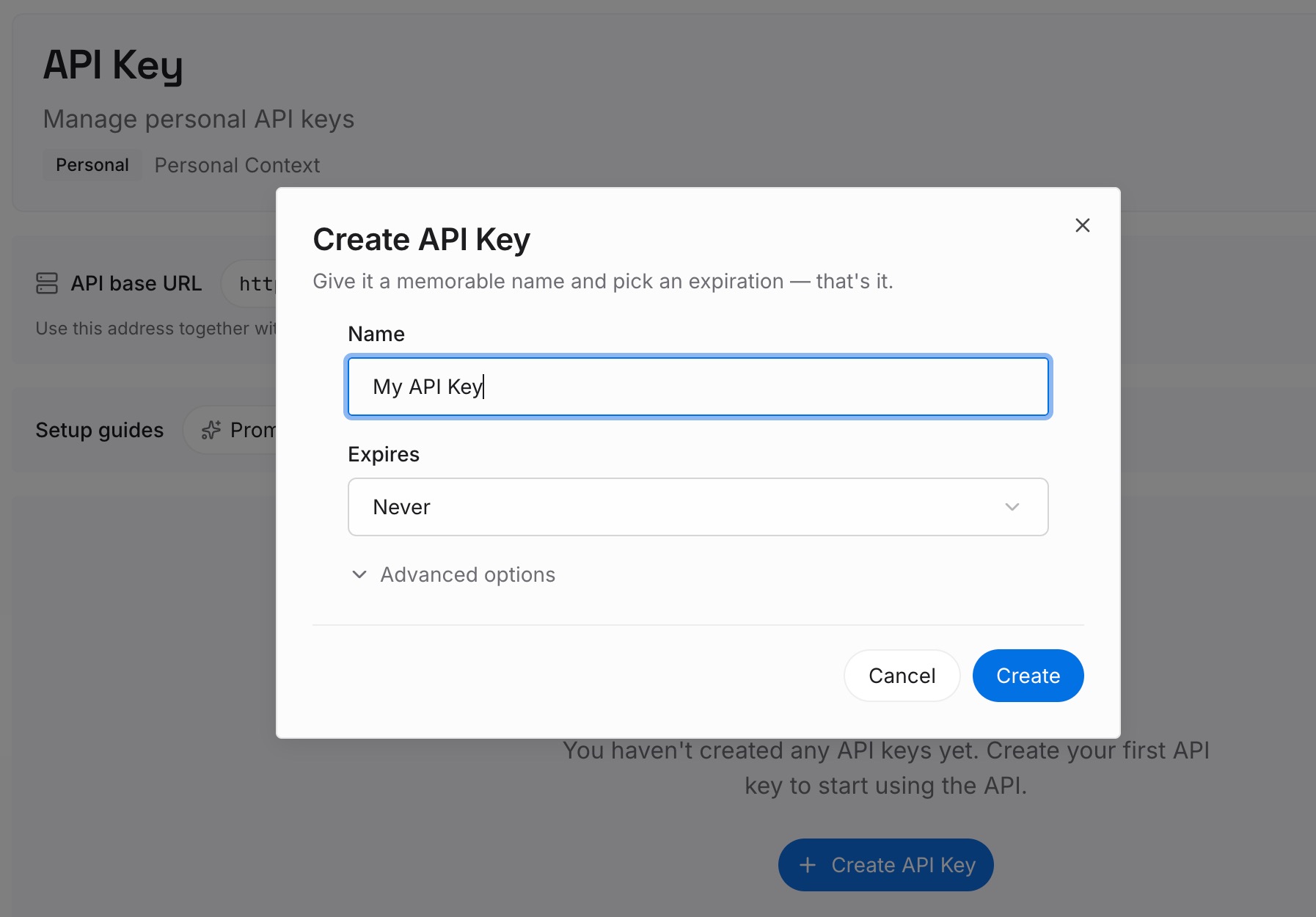
Step 1: Create an API key
Generate a key and make your first request in about 30 seconds.
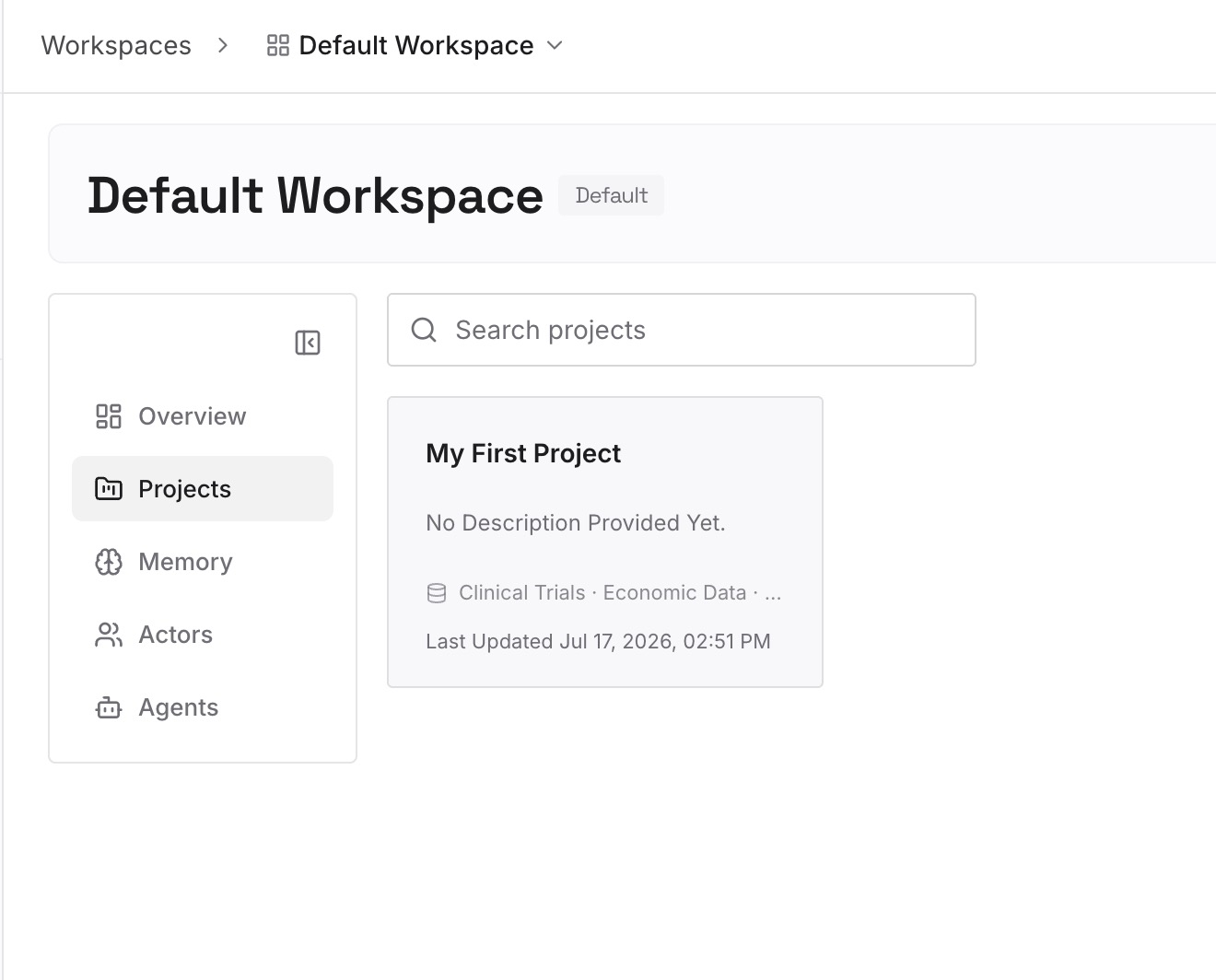
Step 2: Upload your first memories
Load the material your answers should be built from: approved boilerplate by topic, past-performance narratives with their outcomes, capability statements, the security and privacy answers legal has cleared, win themes by buyer segment, debrief notes, and your standard compliance-matrix language. Documents, images, and other files all go in the same place, so a scanned certificate or an org chart is as usable as a Word file.
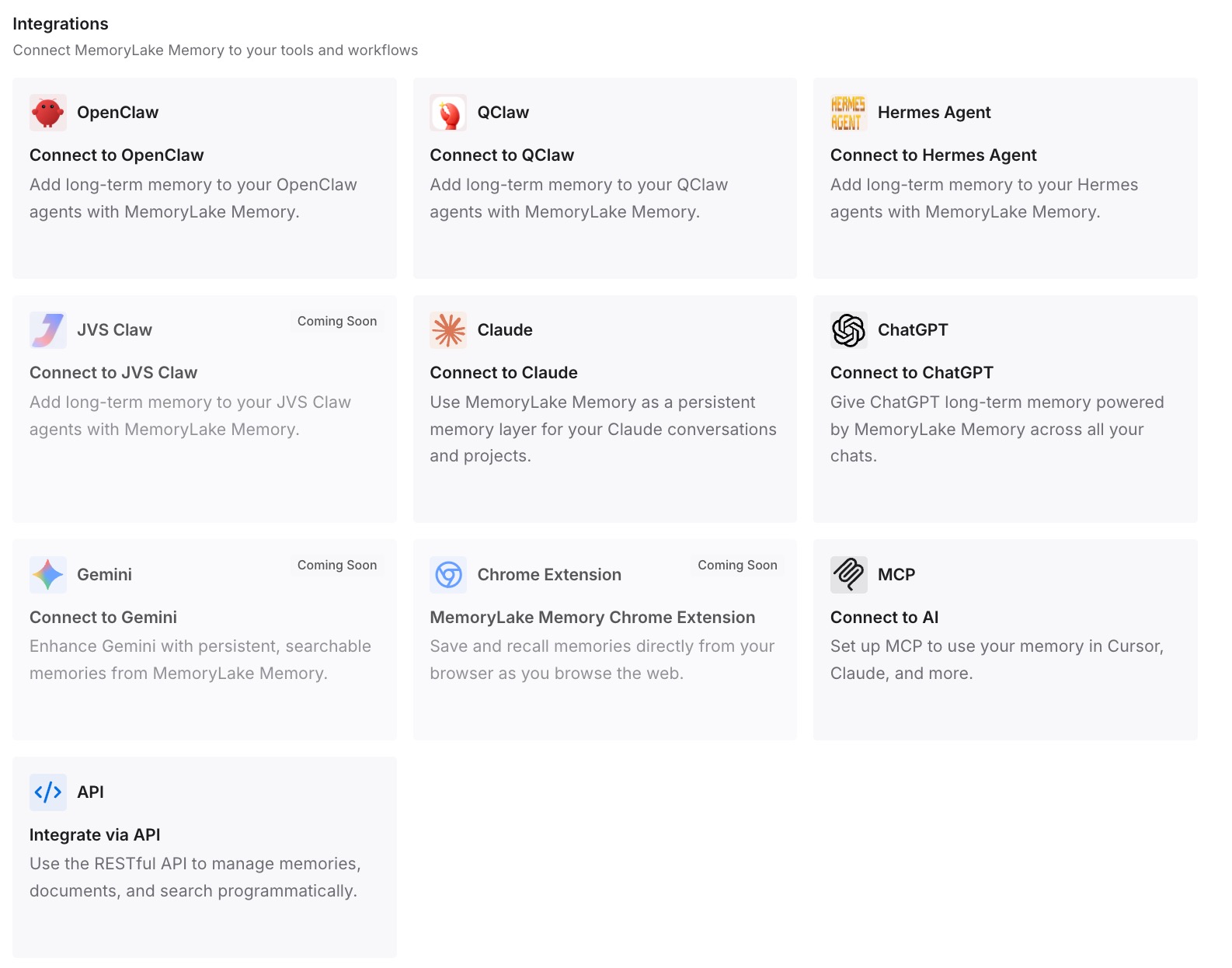
Step 3: Connect your AI & agents
Give Claude, Codex, OpenClaw, and other agents access over MCP. For consumer ChatGPT, which has no native MCP client, retrieve the relevant memories through the API and inject them into the drafting prompt — or have the internal tool your proposal team already uses do that retrieval automatically. Either way, the next requirement you paste is answered from your library instead of from the open internet.
Three boundaries to keep, and they aren't optional. First, respect your obligations about where material may go: client-confidential, restricted-distribution, controlled-unclassified, or export-controlled content belongs only in tools your contracts and your security policy actually permit, and government work in particular has rules that override convenience. Second, a memory layer makes your context consistent; it does not make an answer compliant. The RFP's instructions, the compliance matrix, and your review gates still decide what ships. Third, never let a reused claim leave the building unverified — certifications expire, headcounts change, and a past-performance figure that was true in 2024 is a liability in a 2026 bid.
What this changes in practice
The visible change is at the start of every drafting session. Instead of a paragraph of setup — who we are, how we talk, what we've done, what this client cares about — you paste the requirement. Across a 90-question questionnaire, that's not a small saving; it's the difference between a first pass that takes two days and one that takes an afternoon.
The more valuable change is consistency. When every answer is drafted from the same approved source material, question 12 and question 64 stop contradicting each other, and the reviewer's job goes back to being review rather than reconciliation. Teams generally find review time, not drafting time, is the real bottleneck in a bid.
And the compounding effect: when a debrief teaches you something — the evaluator flagged your implementation timeline as vague — that lesson goes into memory once and shapes every subsequent answer. Today it usually goes into a document nobody opens before the next deadline.
Best practices for AI-assisted proposals
Store the outcome alongside the answer
An answer library without win/loss context will happily serve you a losing answer. Tag what won, what lost, and what the debrief said. "Used in three wins, evaluator specifically praised the phased rollout" is the metadata that makes reuse safe.
Keep boilerplate and claims in separate buckets
Boilerplate is language: reusable, low-risk, safe to draft from. Claims are facts: certifications, metrics, references, personnel. Keep them apart in memory and treat the claims bucket as pointing to a source of record that has to be checked, not as content to be pasted. This is the single discipline that prevents the classic stale-boilerplate incident.
Let the model draft, keep humans deciding
The strongest use of a general model in a bid is what practitioners already report: rewriting boilerplate to match a client's tone, rephrasing a compliance matrix, tightening prose against a page limit. Colour-team reviews, pricing, and the final compliance check stay human. A persistent memory makes the drafting better; it doesn't change who signs off. The same logic applies to client details and contract terms, where accuracy matters more than fluency.
Conclusion
ChatGPT forgets your RFP answers because it never had them. It has no route to your content library, no record of which proposals won, and no memory of the requirement you explained an hour ago in another chat — so every response is a fresh, generic, well-written stranger's answer to your question.
Custom GPTs and retrieval close part of the gap, at the cost of curation and with no sense of what actually worked. The durable fix is to put your approved language, your past performance, and your debrief lessons in a memory layer that persists outside any single chat and any single tool — then keep the review discipline that bids demand. Do that, and the eleventh answer to "describe your information security programme" starts from the version that won, instead of from nothing. If your team hits the same wall on positioning language, making ChatGPT remember your brand guidelines is the adjacent fix.