
Why ChatGPT Forgets Your Brand Guidelines
How ChatGPT handles brand context today
When you paste voice rules or upload the brand PDF, that context works — for that conversation. The next chat starts clean. ChatGPT's Memory will retain small stated preferences ("we say 'customers,' never 'users'"), but the full guideline document, the banned-claims list, the tone spectrum by channel — none of that fits in memory entries, and none of it carries over on its own.
The technical reason it doesn't stick
Brand guidelines are a document-sized, evolving ruleset, and ChatGPT's persistence features are sized for something smaller. Memory: compact text facts. Projects: file attachments re-read per chat, scoped to the project. Custom GPTs: knowledge files baked into one assistant — the closest fit, but a snapshot that someone must manually update, per GPT, every time the brand evolves.
What this costs a marketing team
Inconsistency at scale: five teammates, five slightly different pasted summaries of the brand voice, five drifts. Compliance risk: the banned-claims list is exactly the part that gets dropped from a hasty prompt. And a maintenance treadmill: every brand update means re-briefing every person, every Custom GPT, and every project that embeds the old version.
ChatGPT's Built-in Workarounds (and Where They Stop)
Memory
Good for a handful of standing rules each person teaches their own ChatGPT. The limits: per-account (your teammate's memory differs from yours), tiny relative to a real style guide, and invisible to review.
Projects
A brand project holding the guideline files gives chats inside it reference material. But files are static attachments, the knowledge stays inside that project, and each teammate maintains their own copy.
Custom GPTs
A "Brand Writer" GPT with knowledge files is the strongest built-in option and worth having. Its ceilings: the knowledge is a manually updated snapshot, behavior varies as underlying models change, and the setup helps only inside ChatGPT — your team's other AI tools see none of it.
The shared wall: in every variant, the brand lives in per-person, per-app fragments — the same root cause behind why ChatGPT forgets your writing style, scaled up to a whole team.
The Fix: One Brand Memory for the Whole Team
The durable approach is a single, shared brand memory outside any one chat app. MemoryLake stores the brand book, voice rules, terminology, and approved claims once — parsed and searchable, versioned Git-style so every guideline change is tracked and auditable, and end-to-end encrypted so unreleased brand work stays internal.
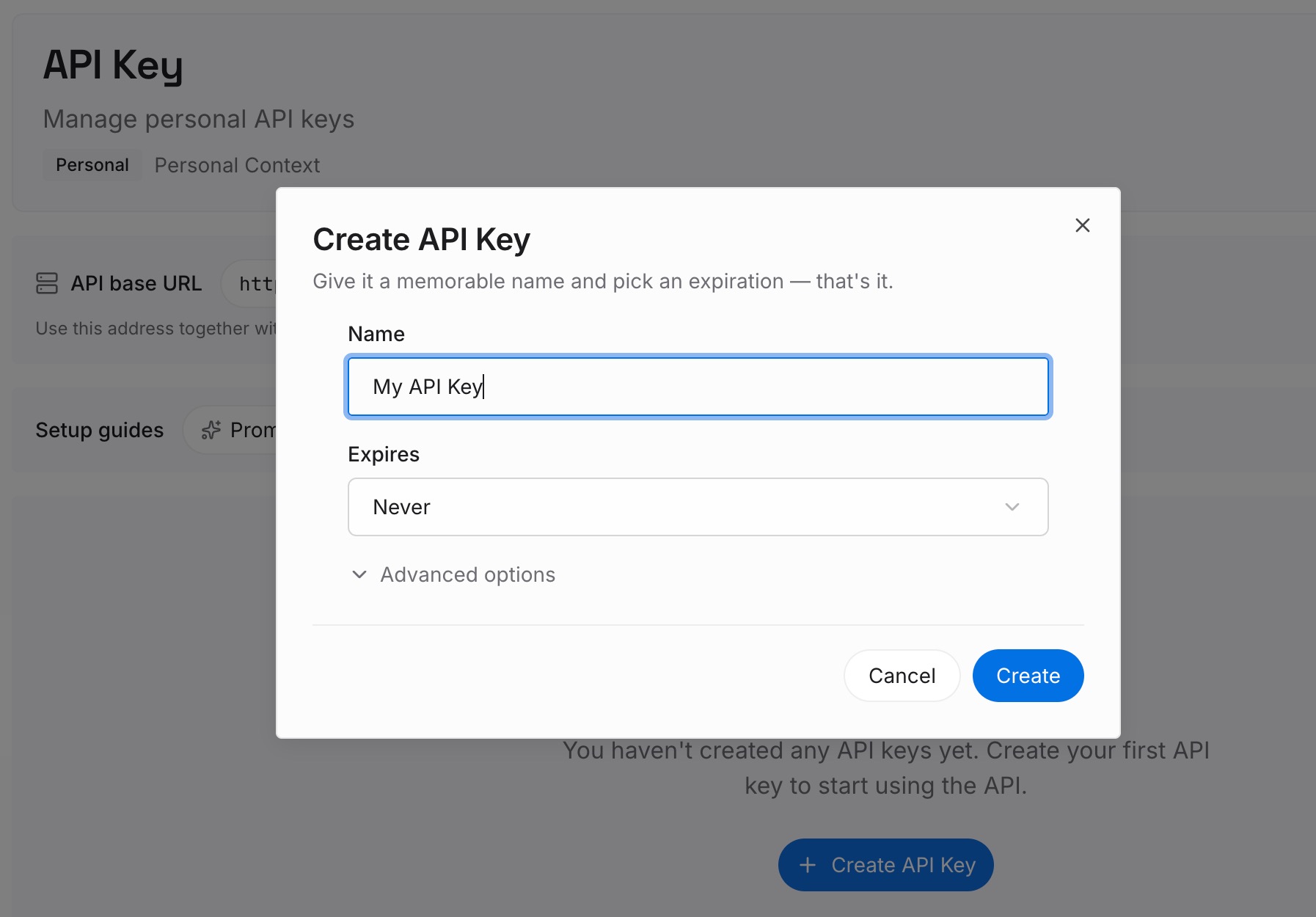
Step 1: Create an API key
Sign in to MemoryLake, generate a key, and make your first request — it takes about 30 seconds.
Step 2: Upload your first memories
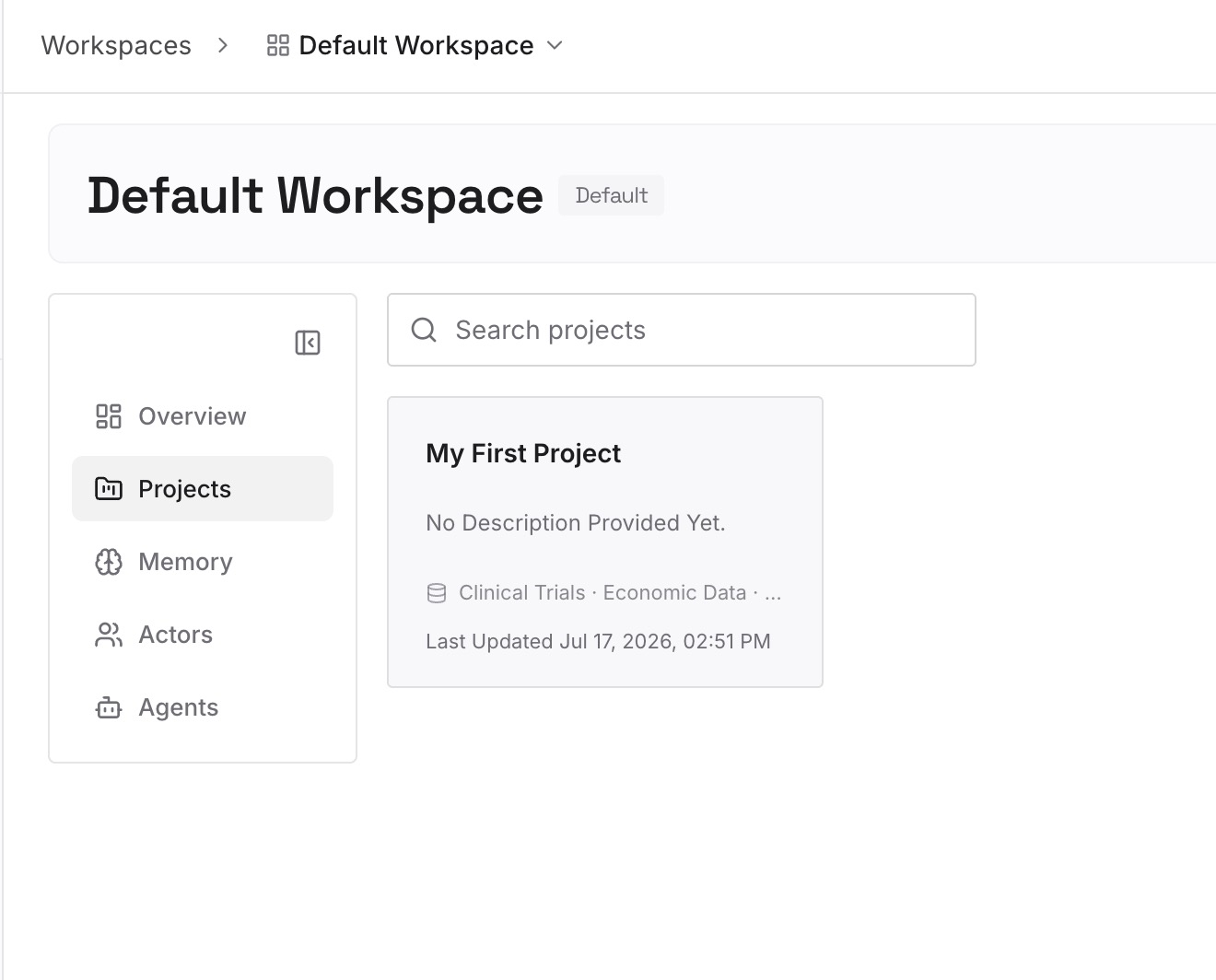
Drop in the brand assets drafts should always respect: the guidelines PDF, tone-by-channel matrix, terminology list, banned-claims list, and a few gold-standard example pieces — documents, images, and other files all work. Add the hard rules as short text memories so they retrieve crisply.
Step 3: Connect your AI & agents
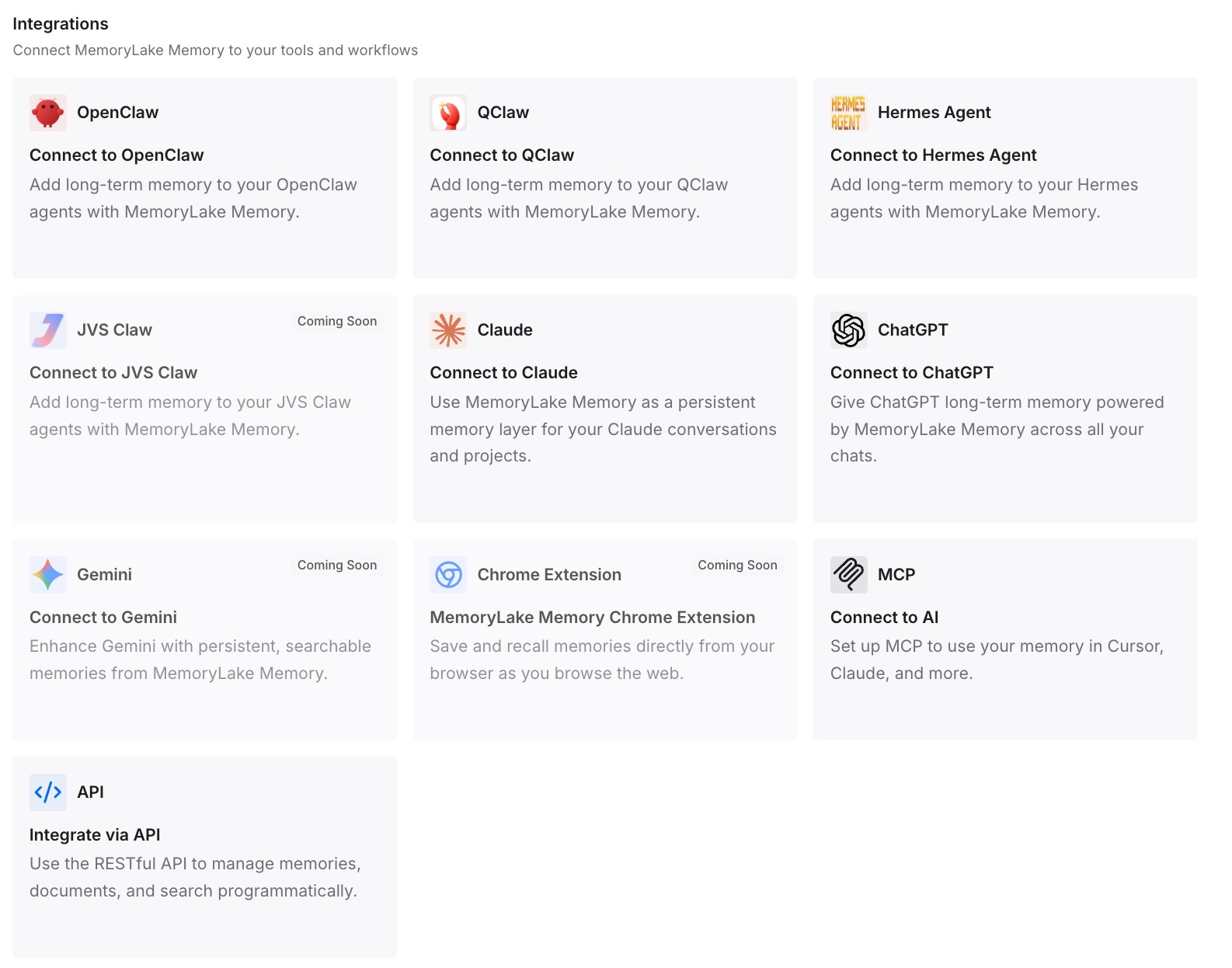
Connect ChatGPT through MemoryLake's ChatGPT integration, or via the API, so every teammate's drafts pull from the same brand source. The same memory serves Claude, Codex, OpenClaw, and other agents via MCP or the API — one brand voice across every tool your team writes with.
What Brand Drift Actually Costs
The consistency tax
Off-voice drafts don't fail loudly — they get caught in review, rewritten, and re-briefed, over and over. That's editor hours spent enforcing rules a machine could have loaded, plus the occasional off-brand piece that ships.
One source, every draft
With a shared brand memory, updates propagate instantly: change the claim list once and every subsequent draft — every person, every tool — works from the new version. Review shifts from policing basics to improving substance.
Best Practices for a Brand Memory
Make the banned list its own memory
Compliance rules deserve their own crisply named entry — they're the highest-stakes retrieval and should never be buried inside a forty-page PDF.
Keep gold examples current
Two or three recent, on-voice pieces teach tone better than adjectives. Rotate them as the brand evolves.
Version guideline changes with dates
When voice or claims change, update the memory and let version history record the transition — "which rules were live in March" stops being an archaeology project.
Conclusion
ChatGPT's Memory, Projects, and Custom GPTs each hold a piece of your brand, for one person, in one app, until someone forgets to update them. Put the brand book in a persistent shared memory instead, and every draft — from every teammate and every AI tool — starts from the same voice, the same terms, and the same rules. The brand stops resetting because it stops living in chats.