
Where your Gemini chats live
Google stores Gemini conversations as activity in your Google Account. Its help article says: "When you are signed in and Keep Activity is on, Google stores your Gemini Apps activity in your Google Account."
A few settings decide how much history you actually have:
- Keep Activity. Google says it's on by default for users 18 and over. If it was off, chats weren't saved to your activity. Google notes that even with Keep Activity off, conversations are saved with your account for up to 72 hours, and "This activity won't appear in your Gemini Apps Activity."
- Auto-delete. By default, activity older than 18 months is deleted. You can choose 3, 18, or 36 months, or turn auto-delete off.
- Gems. Chats with a Gem are noted in your activity, but the Gem itself is stored separately. If Keep Activity is off, Google says Gems you create are still saved, but "Any chats you create with Gems will not be saved."
- Gemini Live. Voice conversations count too. Google says Live transcripts, along with audio, files, and any video or screenshares you chose to share, are saved in Gemini Apps Activity if Keep Activity is on. If you talked through a project out loud, those transcripts are part of what you can export.
- Work or school accounts. Google says Gemini Apps Activity settings for these accounts "are controlled by your Google Workspace administrator." You may not be able to change retention, and your organization's policy applies to what you take with you.
Before you export, open your activity to see what's there. Google lists two routes: Settings & help, then Activity, at gemini.google.com, or myactivity.google.com/product/gemini.
What Google's export includes
Google's export runs through Takeout. Its help article on downloading Gemini Apps data walks through the selection:
- Go to takeout.google.com, signed in to the account you use for Gemini.
- Under the data selection, choose Deselect all.
- To include your chats, check My Activity, select All activity data included, choose Deselect all in the pop-up, then check Gemini Apps.
- To include your Gems, check the box next to Gemini.
- Choose a delivery method, a frequency, and a file type, then create the export.
A few details matter for planning. Google says an archive "can take a few hours to a few days", and if you choose email delivery, the download link "is active for 7 days." It also notes that the file "may not include changes made to your data between when you request a download and when you create your archive."
Downloading doesn't remove anything. Google's article says: "If you download your Gemini Apps activity, it doesn't delete it from Google's servers."
What you get is an archive of activity records, organized by Google's export format rather than as a set of ready-to-open chats. It's a record of what you asked and what Gemini answered. It isn't a list of facts Gemini concluded about you, and it doesn't come with your Gem instructions unless you also selected Gemini.
What Claude can take in
Claude has two places for context you bring with you, and they do different jobs.
Projects
Anthropic's help article describes projects as "self-contained workspaces with their own chat histories and knowledge bases." You can upload documents, text, or code to a project's knowledge base, and set project instructions. The article says Claude uses the knowledge base "to better understand the context and background for your individual chats within that project." Free accounts can create up to five projects.
That makes a project the right home for a long-running topic from Gemini: the background document, the decisions so far, and the instructions you'd otherwise repeat. If a project grows large, our guide to Claude projects in RAG mode explains how Claude works with a bigger knowledge base.
Memory import
Claude also has a memory import flow. Anthropic's help article says it lets you "import memories from other AI providers into Claude". The flow gives you a prompt to run in your old assistant, then a text box where you paste the result. Claude extracts key information "and store it as individual memory entries."
Anthropic sets two limits worth knowing. Claude's memory "is designed to focus on work-related topics", so it may not keep imported personal details unrelated to work. And: "Memory imports are experimental and still in active development, and at this stage, Claude may not always successfully incorporate imported memories."
The import flow is for a list of facts about you, pasted as text. It isn't built for a chat archive. Our guide to Claude's memory entries explains how those entries are stored and edited.
Where each part of your Gemini history goes
Facts about you go into memory
Your role, the tools you use, how you like answers formatted, and corrections you've made more than once. Ask Gemini to list what it knows about you using the prompt Claude's import flow shows, review the output, remove anything you don't want carried over, and paste it into the import.
Long-running topics go into projects
For each ongoing area of work, write a short summary from the archive: what you're doing, what you've decided, what's still open. Add it to a Claude project's knowledge base, along with any documents you were discussing with Gemini.
Gem instructions go into project instructions
If you built Gems for specific tasks, the closest match in Claude is a project with its own instructions. Copy the Gem's instructions from your Gemini export and adapt them. Claude's instructions apply to chats inside that project.
The archive itself stays a reference
Keep the full archive on your computer as a record. Uploading the whole thing to a project adds a lot of unstructured text, and a lot of it may be one-off questions. Pull out what you'll use, and look things up in the archive when you need them.
Why not use share links
Gemini can create a public link to a conversation, and it's tempting to use one as a bridge. Google's share article is clear about what that means: "Anyone with the link can read the chat, even if you didn't share the link with them directly." Uploaded images in the chat are available and downloadable from the shared chat.
For moving your own context, a public link exposes more than you need to. If you created links in the past and don't need them, Google lets you review and delete them from Settings, then Your public links. Deleting a chat doesn't delete its public link, Google notes, so the two are separate steps.
What people try first
Uploading the whole Takeout archive to Claude. It's an activity record, mostly one-off questions, and not organized for a project knowledge base.
Pasting raw chats into the memory import. The import is designed for a list of facts, and Claude may not keep personal details unrelated to work.
Expecting Gems to transfer. Claude's help articles don't describe a Gem import. Recreate each one as a project with instructions.
Exporting after auto-delete has run. Activity older than your auto-delete period isn't there to export.
The manual migration
Step 1: Export your Gemini chats and Gems
Check your Keep Activity and auto-delete settings, then request a Takeout export with Gemini Apps under My Activity, plus Gemini for your Gems. Download the archive within seven days of the email. If you use a work or school account, check your organization's policy first.
Step 2: Sort what the archive holds
Go through the archive and sort it into three piles: facts about you, ongoing topics, and one-off questions. Write a short summary for each ongoing topic, in your own words, with decisions and open questions. Leave the one-off questions in the archive.
Step 3: Set up Claude with memory and projects
Run the memory import with the facts about you, then review the entries Claude created. Create one project per ongoing topic, add the summary and any related documents, and recreate your Gem instructions as project instructions. Start a chat in each project and check that Claude has the background. Our guide to searching past Claude chats inside a project explains how Claude finds earlier conversations once you're working there.
The Better Way: Keep your context in one place both tools can use
The manual migration moves your context once. But the summaries you wrote in Step 2 hold the context that matters, and they now live in a Claude project. If you add another assistant later, you'll copy them again. Our guide to migrating Microsoft Copilot conversations to Claude shows the same pattern with another tool.
MemoryLake is a memory layer for keeping those summaries and decisions in one place you maintain, available to the assistants you connect, such as ChatGPT, Claude Code, and Codex.
You write the entries yourself, in your own words. Nothing is read out of, written to, or deleted from your Gemini Apps Activity, your Takeout archive, your Gems, your Claude projects, your Claude memory, or any vendor's store. Google's export and Claude's import work the way each company describes them.
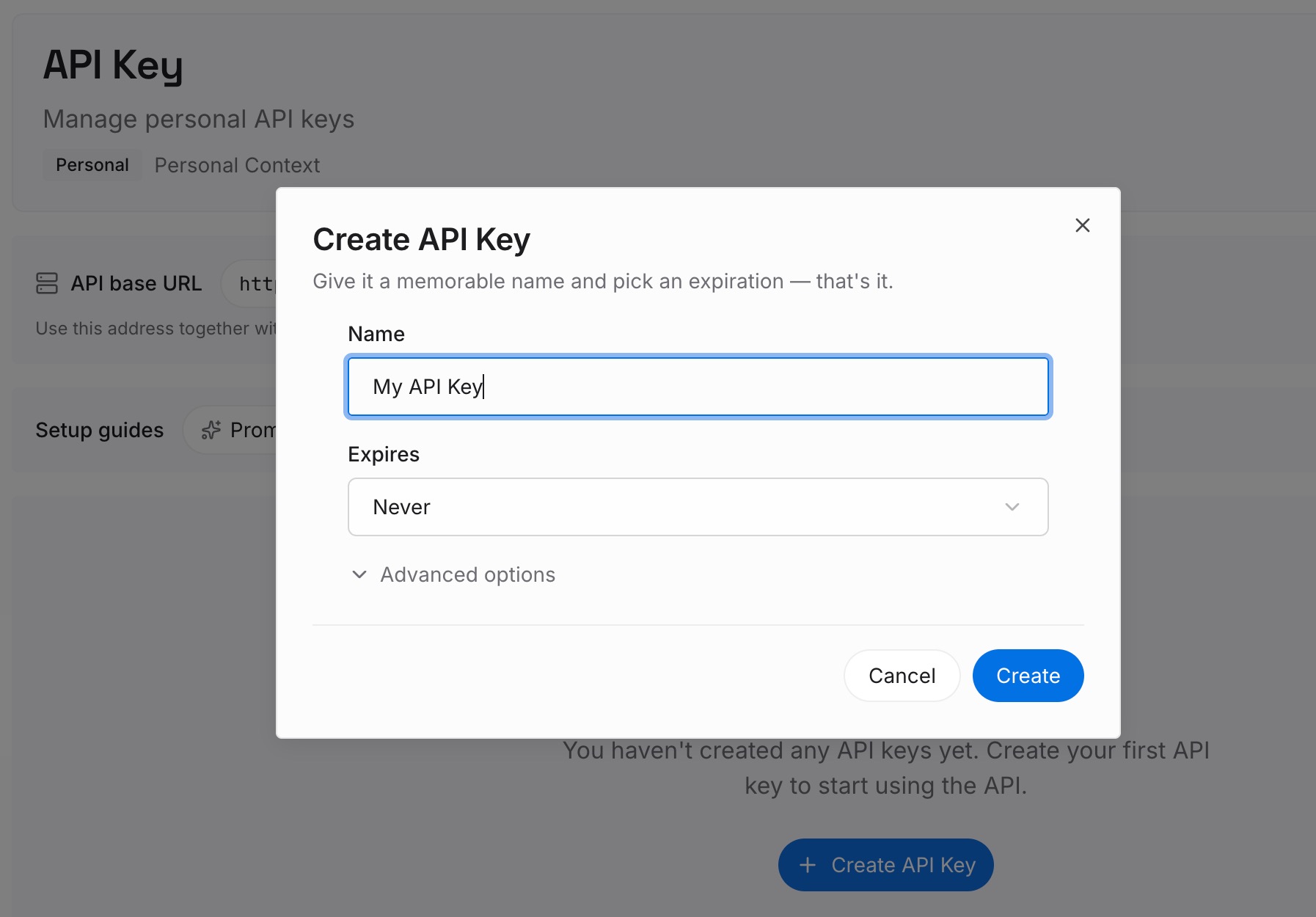
Step 1: Create an API key
Sign in and generate a key from the dashboard. The key belongs to your MemoryLake workspace and is separate from your Google and Anthropic accounts.
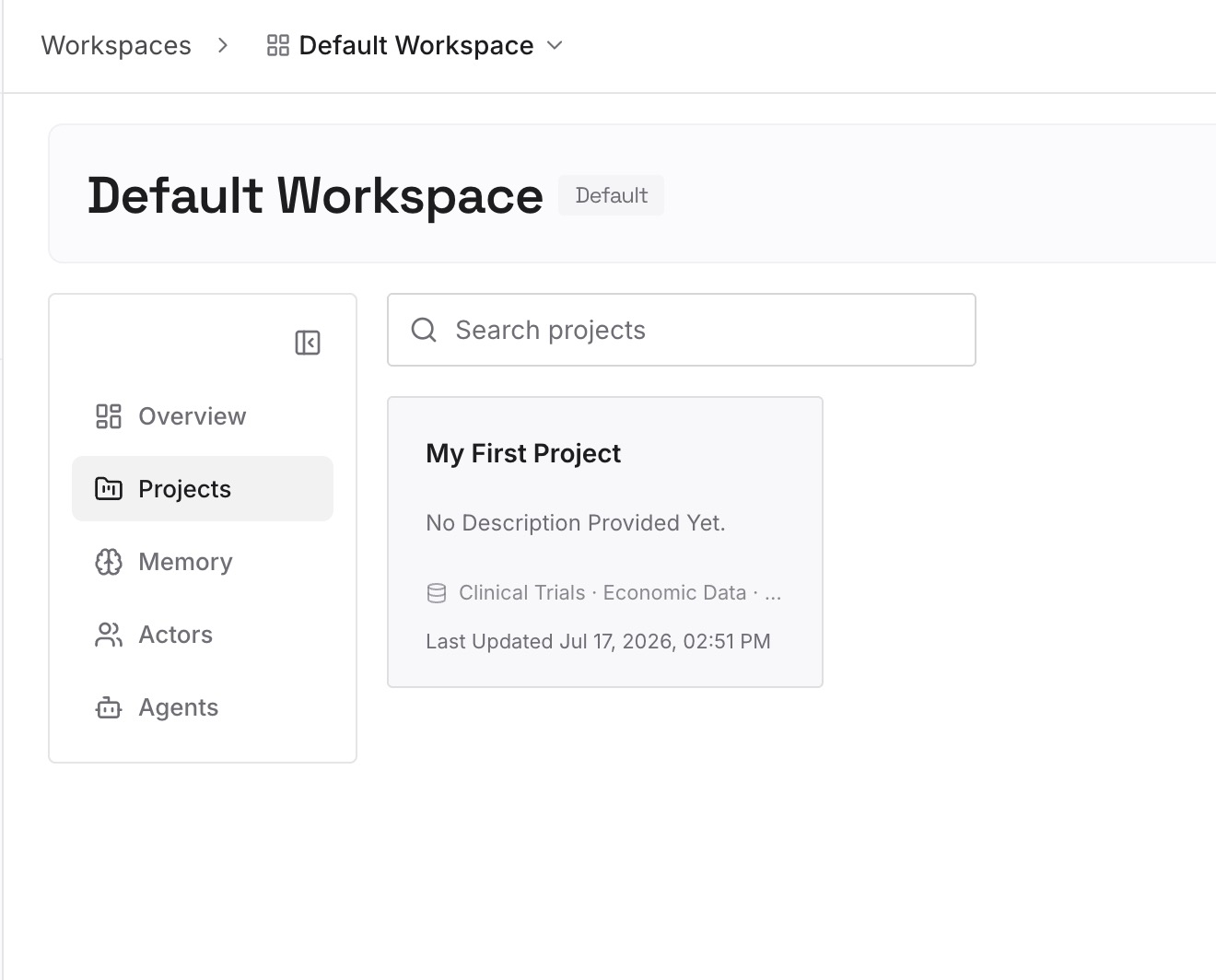
Step 2: Upload your first memories
Start with the topic summaries from Step 2 of the manual migration. One decision or fact per entry, so you can update one without rewriting the rest.
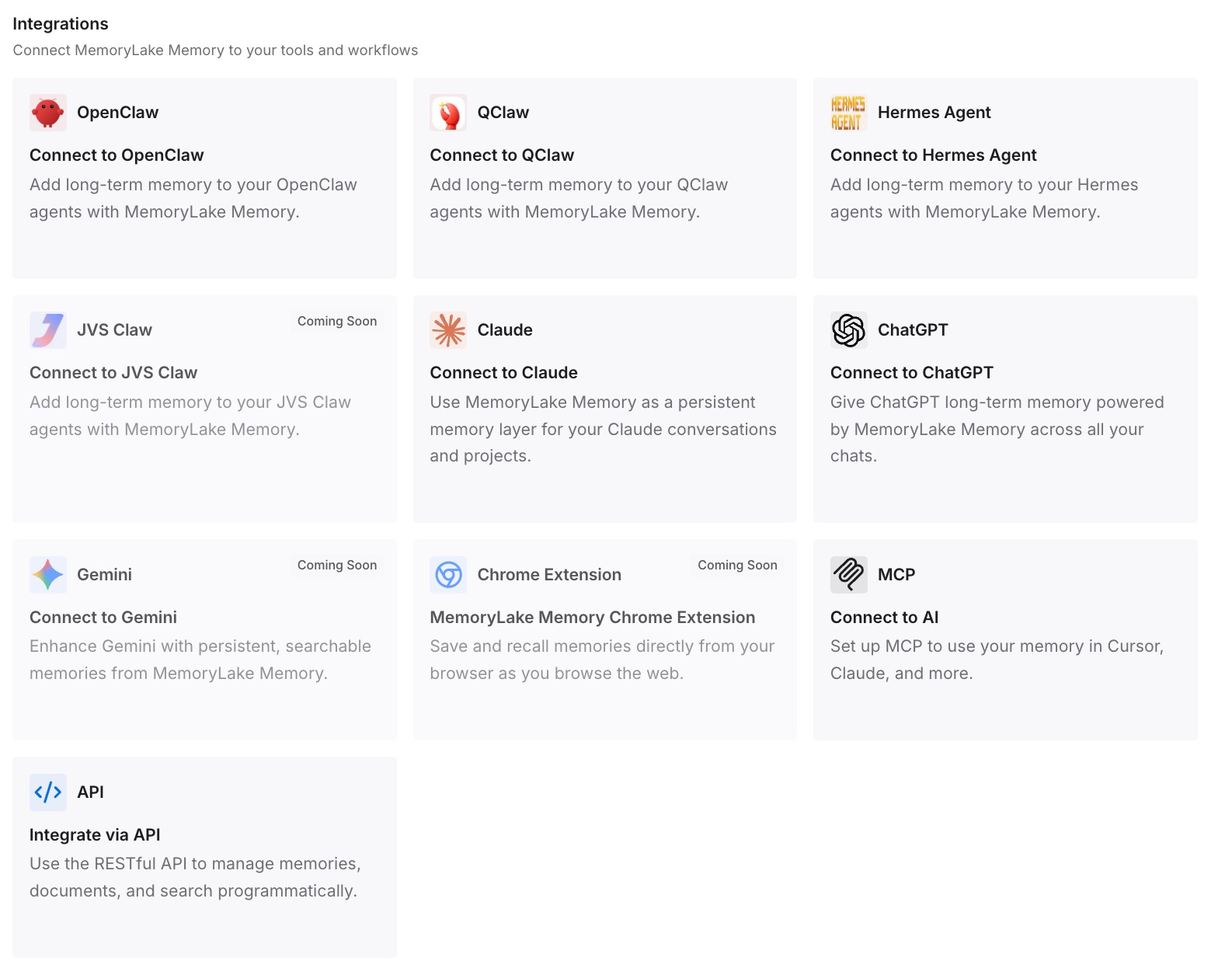
Step 3: Connect your AI & agents
Connect the assistants you use. The same entries are available wherever you work next, without another round of copying.
What this changes in practice
The first difference is that the summaries outlive the move. They aren't tied to one project in one tool.
The second is less sorting next time. The decisions you pulled out of the Gemini archive are already written down.
The third is a smaller project knowledge base. Projects can hold documents for a topic, while the facts you rely on across topics live in one place. Our guide to Claude projects forgetting knowledge files covers what happens when a knowledge base gets crowded.
Best practices for moving Gemini chats to Claude
Check your settings before exporting. Keep Activity and auto-delete decide how much history exists.
Export chats and Gems together. Chats are under My Activity, and Gems are under Gemini.
Download within seven days. The emailed link expires.
Summarize, don't upload everything. A short summary per topic is easier to work with than the raw archive.
Use memory for facts about you. Use projects for topics and documents.
Skip public links for migration. Anyone with the link can read the chat.
Conclusion
Gemini chats move to Claude through two separate steps. Google's Takeout export gives you an archive of your Gemini Apps activity, plus Gems if you select them. Claude takes context through projects, with knowledge and instructions, and through a memory import designed for a pasted list of facts.
Between them, the work is yours: sort the archive into facts about you, ongoing topics, and one-off questions, then put each where it belongs. Keep the archive as a record, and write the parts you'll use as short summaries that Claude can read.