
Why Your Perplexity Research Doesn't Follow You to Cursor
What each tool actually stores
Perplexity Spaces hold research: threads, attached sources, and the conclusions you reached. Cursor holds coding context: Project Rules in .cursor/rules/, a legacy .cursorrules file, and its own session memory. These aren't just different apps — they're different kinds of memory, one built for "what did I learn," the other for "how should you write my code."
The technical reason it doesn't transfer
There's no path from a research thread to a coding rule. Perplexity offers no structured export of a Space, and Cursor has no import for research context — it reads rules files and your repo, not someone else's findings. The translation from "here's what my research concluded" to "here's how the agent should build it" is manual by nature, and it happens in your head, every time.
What this costs you
The decisions behind the code get stranded: Cursor writes what you tell it now, blind to the research that justified it, so three weeks later nobody can trace why the architecture is shaped this way. You re-summarize findings into prompts repeatedly. And the two halves of one project — the research and the build — never inform each other automatically.
Step-by-Step: Moving Spaces Content Into Cursor by Hand
The native route is manual, but it gets the essentials across.
Step 1: Extract what your Space holds
- Open the Perplexity Space and copy the conclusions that should drive the build — decisions, constraints, chosen approaches.
- Save the source documents attached to the Space; download the ones Cursor will need as reference.
- Note the reasoning worth preserving — the "why," not just the "what."
Step 2: Translate it into Cursor's format
- Create
.cursor/rules/and write the research-driven constraints as scoped.mdcrules — e.g. anarchitecture.mdccapturing the decision your research settled. - Add reference documents to the repo where Cursor can read them.
- Keep a short project note recording which research led to which rule, so the "why" survives.
What you get is a one-time translation: research conclusions rewritten as coding rules. It works, but the moment your research updates in Perplexity, the rules in Cursor are already out of date.
What doesn't survive the move
The living link is gone: new findings in the Space won't reach Cursor, and refined rules in Cursor won't reflect back. Source provenance thins out — a rule says "use gRPC" but the research that decided it lives elsewhere. And it's per-tool: bring a third tool into the project and you're translating context by hand again.
The Better Way: One Memory Layer, Research to Code
The friction comes from research and code living in separate memories. Put both in one neutral layer and each tool reads the same source. MemoryLake stores your research findings, source documents, and the decisions they led to once — versioned Git-style so the "why" is traceable, end-to-end encrypted — and serves them to Cursor over MCP and back to your research tools too.
| Dimension | Manual Spaces → Cursor | MemoryLake layer |
|---|---|---|
| Steps required | Re-translate per project | 3 (one-time) |
| Research-to-decision provenance | Lost in translation | Retained (Git-style) |
| Stays in sync as research updates | No | Yes |
| Readable by other tools | No | Yes (MCP or API) |
| Adding a third tool | Translate again | Connect it |
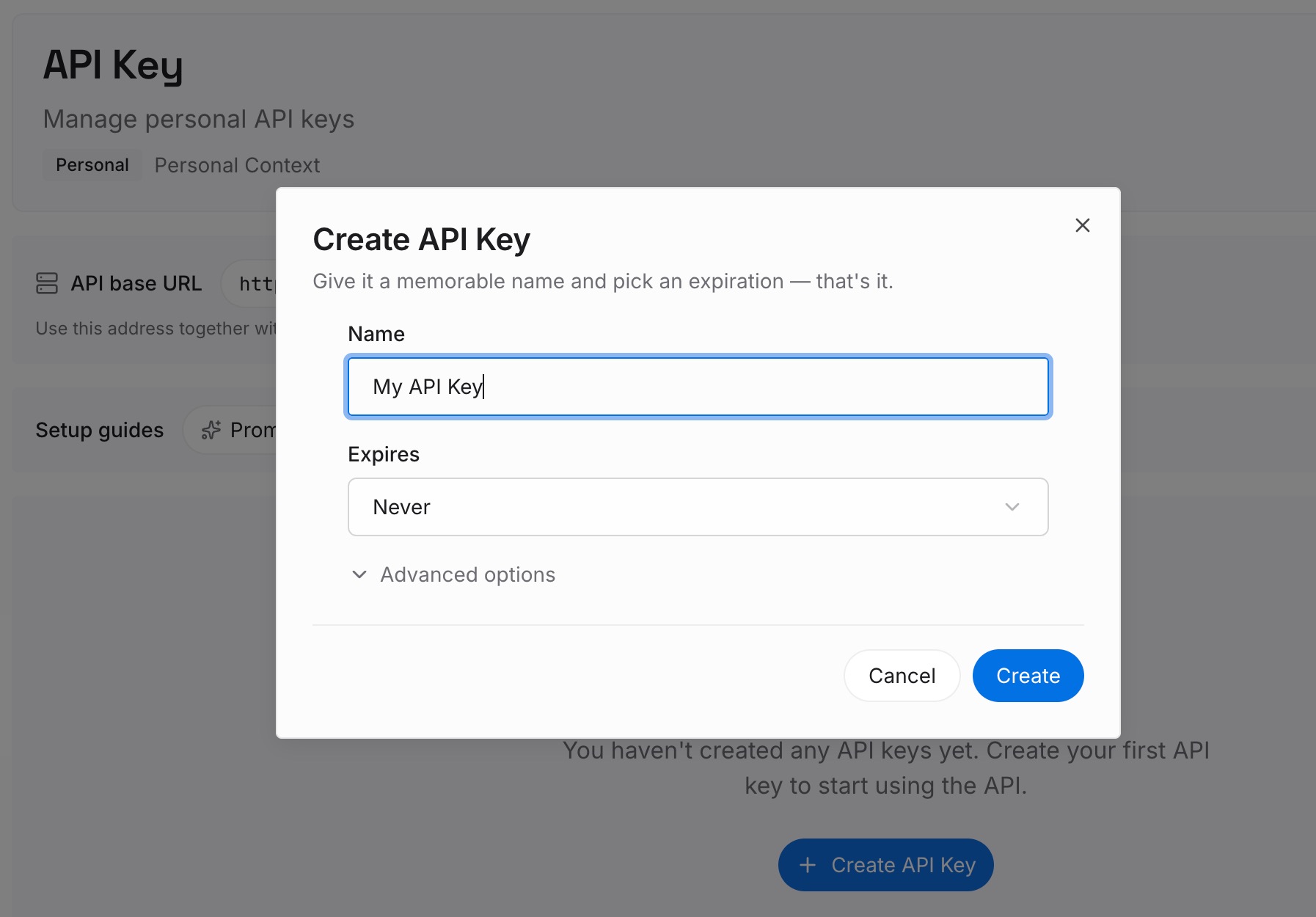
Step 1: Create an API key
Sign in to MemoryLake, generate a key, and make your first request — it takes about 30 seconds.
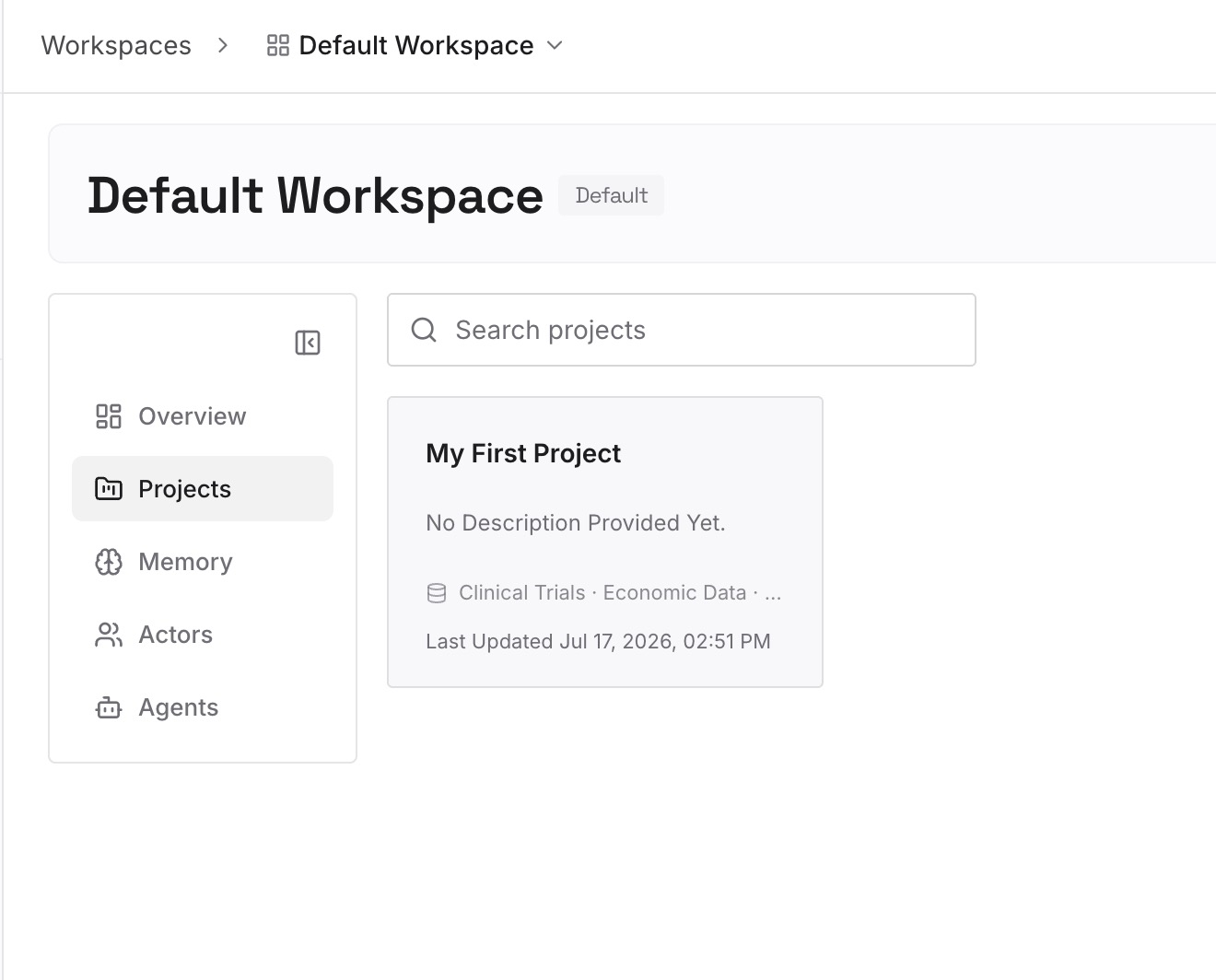
Step 2: Upload your first memories
Drop in your research corpus: the source documents, images, and other files behind the work, plus the conclusions and decisions as text memories so the reasoning persists alongside the sources.
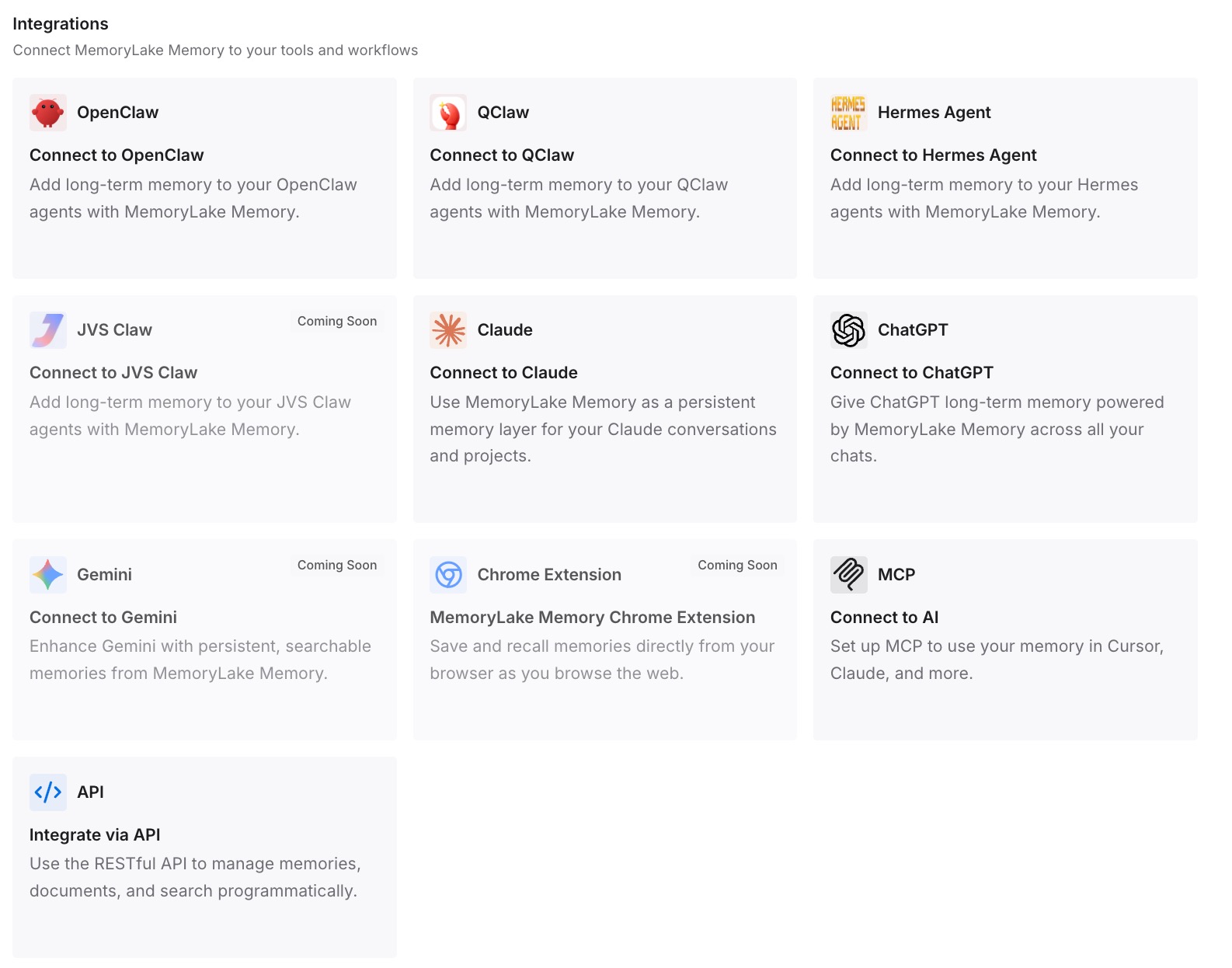
Step 3: Connect your AI & agents
Cursor speaks MCP natively — add MemoryLake to .cursor/mcp.json with your API key, and it can pull the research-backed context while it codes. The same memory is available to Claude, Codex, OpenClaw, and other agents via MCP or the API; Perplexity reads it via API too, so research and build stay on one source.
What Re-Translating Research Actually Costs
The context-switching tax
Moving between a research tool and a coding tool is one of the most common workflows in 2026, and every hand-off that means re-summarizing findings into prompts is overhead. It scales with how research-driven your building is — exactly the projects where losing the "why" hurts most.
Retrieval instead of re-summarizing
With one layer, Cursor retrieves the relevant finding or decision on demand instead of you pasting summaries. Shorter prompts, preserved provenance, and a build that can always point back to the research behind it — MemoryLake's Token Saving Calculator projects the token effect from your usage.
Best Practices for a Research-to-Code Memory
Store the decision with its reasoning
Don't just save "use gRPC" — save it with the finding that led there. Future you, and future teammates, will need the why, not only the what.
Keep sources attached to conclusions
Upload the source document alongside the conclusion it supports, so a rule can always be traced to evidence rather than memory.
Scope by project
One memory scope per project keeps research and code aligned and prevents one project's findings from leaking into another's build.
Conclusion
Perplexity is where the thinking happens and Cursor is where it ships, but between them your context falls into a gap the tools don't bridge. Hand-carrying works once; a shared memory layer keeps research and code reading from the same source, so the decisions survive, the sources stay traceable, and the next tool you add just plugs in. Do the research once — and let it reach the code that needs it.