
Why Claude Code Re-Reads Your Codebase Every Time
How Claude Code handles the repo today
Within a session, Claude Code builds real understanding: it reads files, traces dependencies, learns where things live. That understanding is context-window state. When the session ends — or the window fills and older content compacts away — the map is gone. Next session, the only durable inputs are your files on disk and whatever's in CLAUDE.md, so it re-greps and re-reads to rebuild what it knew yesterday.
The technical reason it doesn't stick
There's no persistent index of your codebase that Claude Code carries between sessions. CLAUDE.md is a hand-written rulebook — good for conventions, but it's not a living map of modules, responsibilities, and how the pieces connect. So every session reconstructs that map through exploration, and on a large repo that exploration is expensive in both time and tokens before any work happens.
What this costs you
The startup tax lands every session: minutes of grepping and file-opening you pay for on the clock and, on API-billed usage, in tokens. On big codebases it's worst — more files to rediscover, more of the context window spent on rediscovery instead of the task. And it's redundant: the structural knowledge is stable week to week, yet it's thrown away and rebuilt every single time.
Claude Code's Built-in Workarounds (and Where They Stop)
CLAUDE.md
The right home for stable facts: build commands, conventions, a high-level architecture note. Its limit is that it's manual and shallow — nobody hand-maintains a full, current map of a large codebase in a Markdown file, and Claude still re-explores to fill the gaps.
Resuming a session
Continuing a recent session recovers that one transcript's context, which helps for picking up a thread. It doesn't give you a persistent codebase model, and long transcripts hit the context ceiling and compact away the very details you resumed for.
Bigger context windows
A larger window lets Claude hold more of the repo at once, which helps within a session. But it doesn't persist anything across sessions — you're just re-filling a bigger window with the same rediscovery each morning, at higher token cost.
The shared wall: none of these is a durable, queryable model of your codebase that survives between sessions — the same root gap behind why Claude Code forgets project context.
The Fix: Give Claude Code a Persistent Codebase Memory
The durable setup is a memory layer that holds a lasting model of your repo — architecture, module responsibilities, key decisions — so Claude retrieves it instead of rebuilding it. MemoryLake stores that knowledge once, searchable and versioned Git-style so it tracks how the architecture evolves, and end-to-end encrypted so your code stays yours.
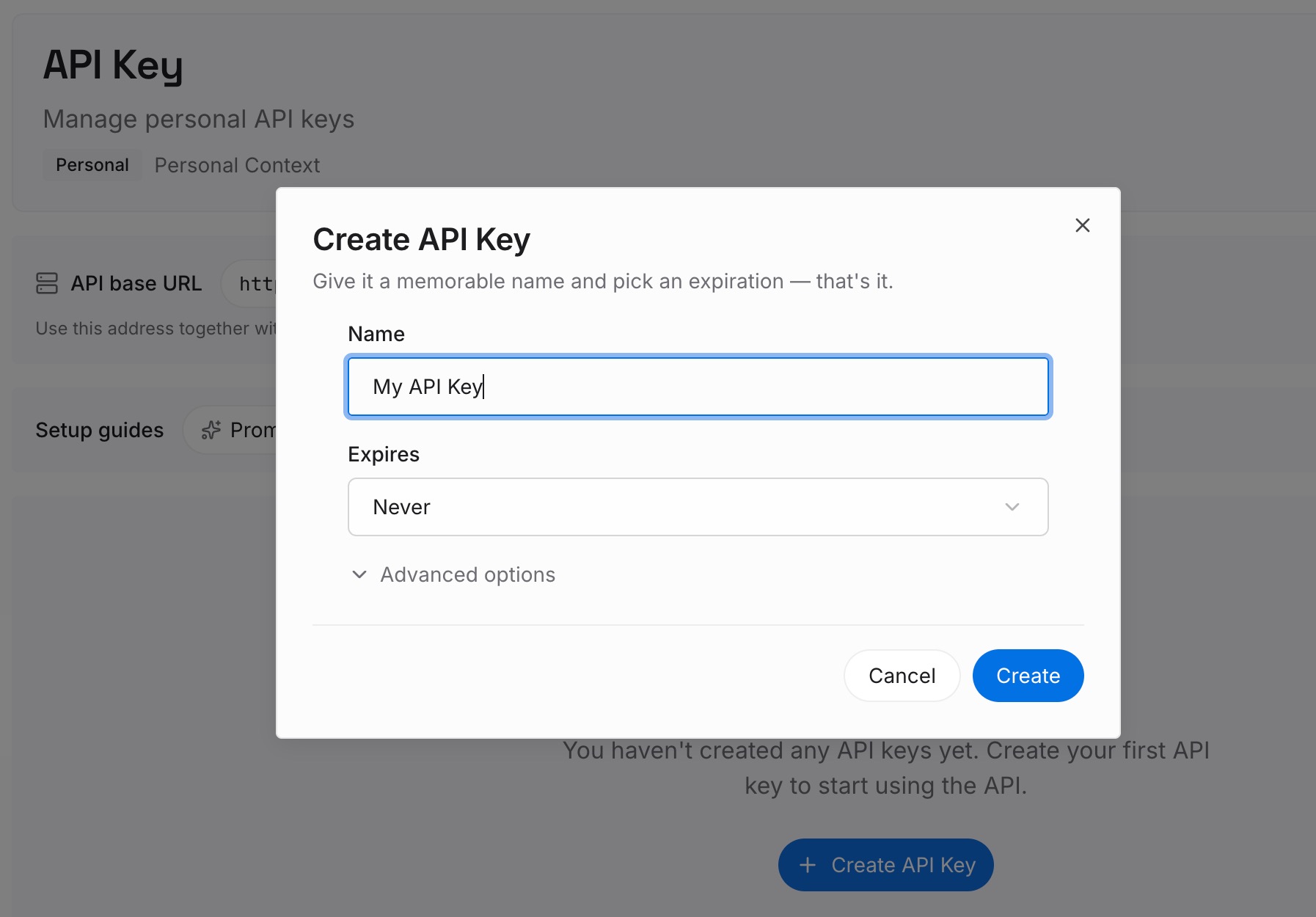
Step 1: Create an API key
Sign in to MemoryLake, generate a key, and make your first request — it takes about 30 seconds.
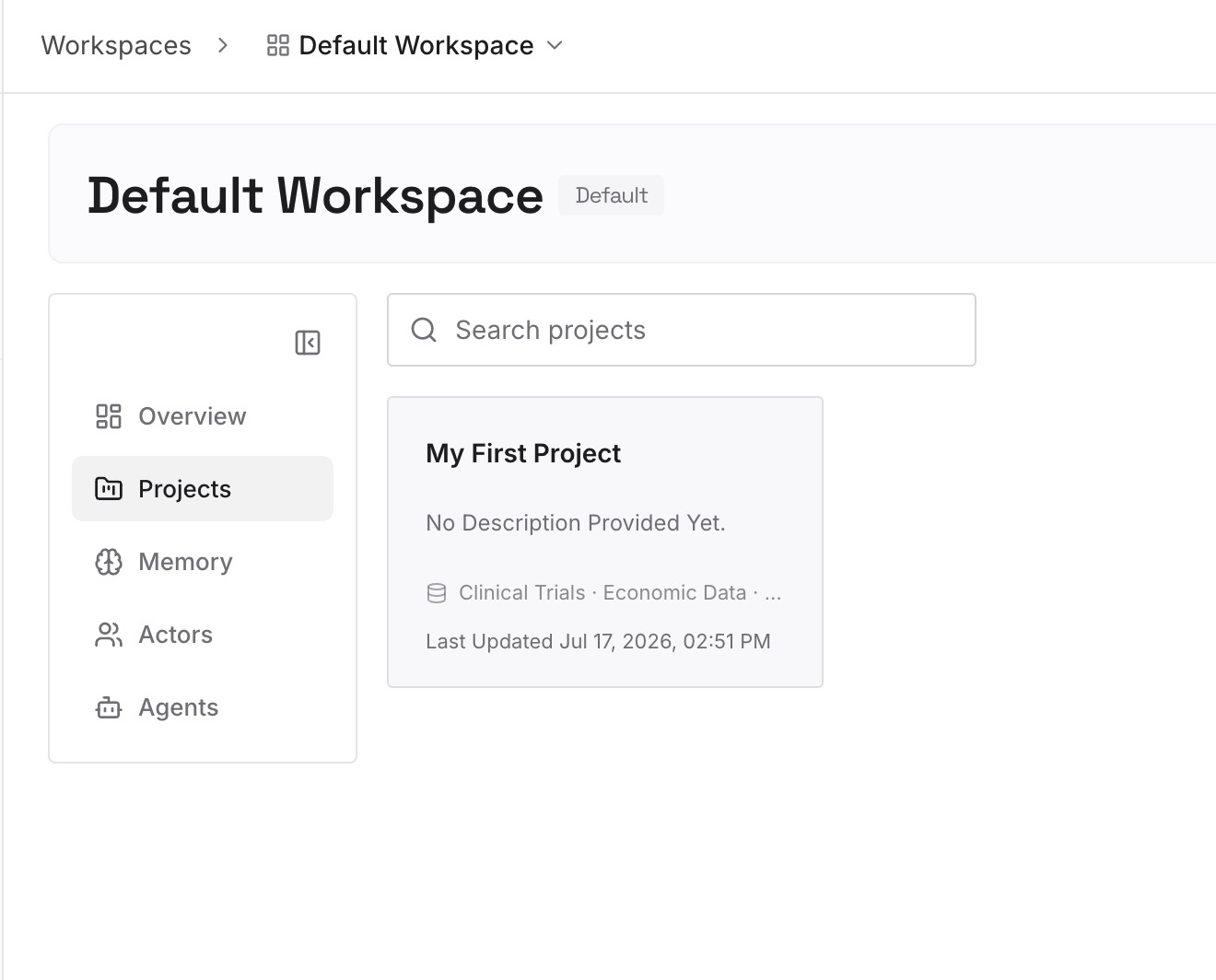
Step 2: Upload your first memories
Drop in a durable model of the codebase: an architecture overview, module responsibilities, key API and data-flow docs, and the decisions behind them — documents, images, and other files all work. Update it as the structure genuinely changes, not every session.
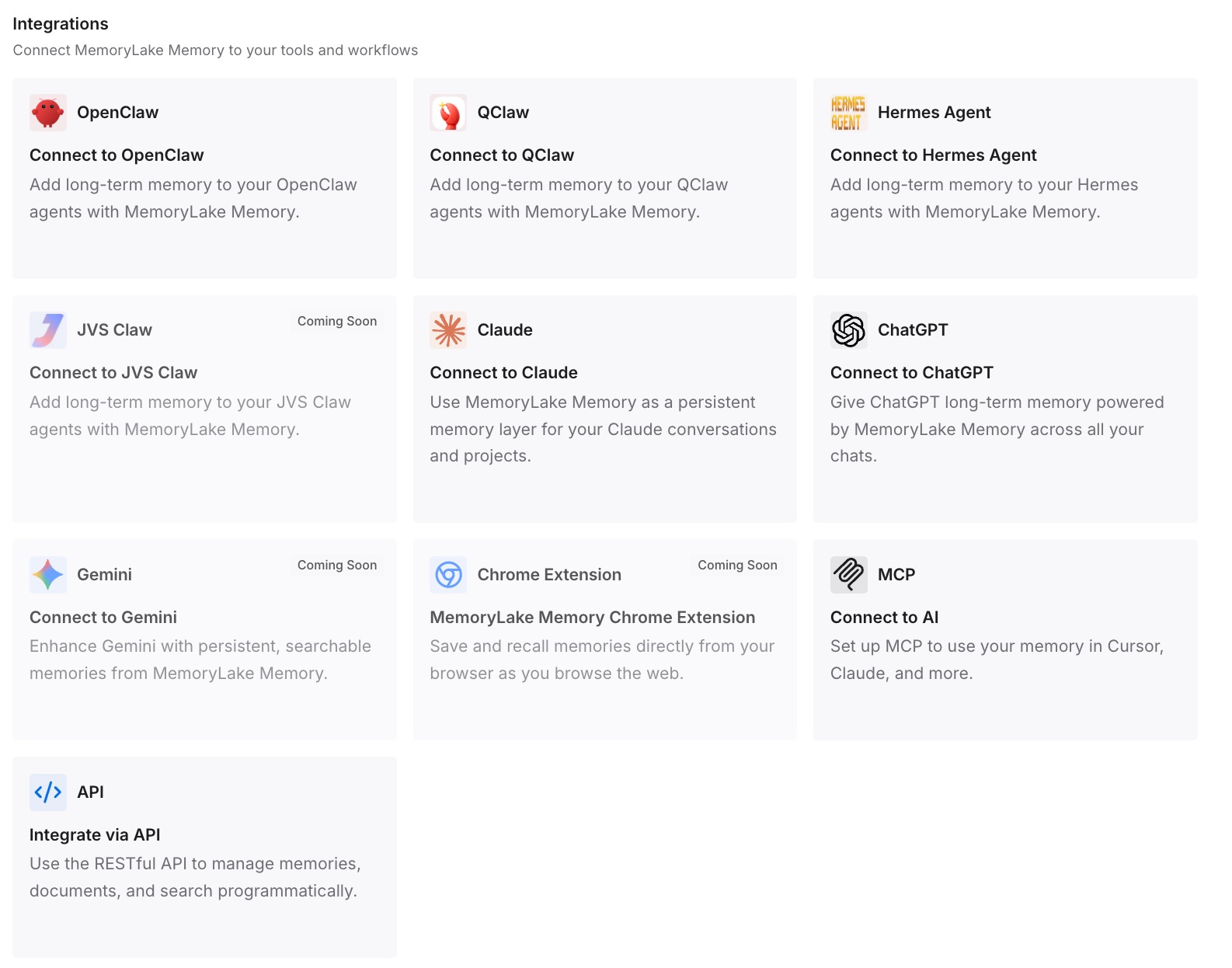
Step 3: Connect your AI & agents
Claude Code speaks MCP natively — add MemoryLake to its MCP configuration with your API key, and it retrieves your codebase model at the start of a task instead of re-greping to reconstruct it. The same memory is available to Codex, OpenClaw, and other agents via MCP or the API — one codebase model across every tool and machine.
What Re-Discovery Actually Costs
The startup tax, in time and tokens
Rediscovering a large repo each session spends real minutes and, on metered usage, real money — the exploration itself consumes tokens, and it consumes context-window space the task then can't use. Multiply by every session and every developer on the team hitting the same wall independently.
Retrieval instead of re-greping
With a persistent model, Claude pulls "here's how this service is structured" on demand rather than deriving it from scratch. Faster starts, more of the window left for actual work, and lower spend — MemoryLake's Token Saving Calculator projects the effect from your usage.
Best Practices for a Codebase Memory
Store the map, not the code
Keep an architecture overview and module responsibilities in memory — the model Claude would otherwise rebuild — rather than dumping raw source it can already read from disk. The value is the structure, not the file contents.
Update on real structural change
Refresh the memory when the architecture genuinely shifts — a new service, a major refactor — not every session. A stable map is exactly what makes rediscovery unnecessary.
Scope by repository
One memory scope per repo keeps retrieval precise and lets each project's Claude Code sessions pull only its own map.
Conclusion
Claude Code is a strong pair programmer with a morning ritual of relearning your repo from zero — a ritual that costs time, tokens, and context-window space every session, and costs most on the big codebases where it helps most. Give it a persistent model of the codebase and the rediscovery stops: it retrieves what it needs and gets to work, on any machine, alongside your other agents. Stop paying to re-explain your own code.