
Why Your Memory Doesn't Follow You to Kimi K3
How memory works across assistants today
Each assistant keeps what it knows about you in its own walled store. ChatGPT's Memory, Claude's memory entries, and any context you've built in another tool are separate systems with no bridge. Open Kimi K3 and it starts from zero — not because it's new, but because memory was never designed to travel between vendors.
The technical reason it doesn't transfer
Memory in these tools is a per-platform personalization feature tied to your account, in each vendor's own format. There's no shared standard for exporting memory from one and importing it into another, so a new model has no access to what the previous ones learned. This matters more with K3 specifically: developers aren't ripping out Claude — the common pattern is keeping Sonnet 5 as default and reaching for K3 on large refactors and jobs that thrash big context windows. Two models, two separate memories, one you.
What this costs you
Every model you add re-asks who you are. Work fragments across tools — the context behind a refactor lives in Claude, but you're running the refactor in K3 blind to it. And the more models you juggle to get best-fit results, the more times you re-explain the same background, which quietly eats the speed and cost advantage that made K3 attractive in the first place.
Step-by-Step: Bringing Your Context to Kimi K3 by Hand
The native route is manual, but it moves the essentials.
Step 1: Export what your current assistant knows
- In ChatGPT, open Settings → Personalization → Memory and copy the entries worth keeping; copy your Custom Instructions too.
- In Claude, open your memory settings and copy the individual entries it shows you.
- Gather the source documents behind your work — the files you'd otherwise re-upload into K3.
Step 2: Load it into Kimi K3
- Paste your preferences and standing facts into K3's system prompt or wherever it accepts persistent instructions.
- Re-express your rules and constraints for the tasks you'll run on K3.
- Attach the documents the current task needs.
What you get is a manual snapshot — plain text and re-uploaded files. There's no conversation-history import, and nothing you paste in stays in sync with the model you still use for everything else.
What doesn't survive the switch
Your conversation history stays in the old assistant. The nuance built over months compresses into a few pasted rules. And it's a one-time copy that immediately goes stale: because you're running K3 alongside Claude, not instead of it, the two memories drift apart from day one — and the next model you add means doing this a third time.
The Better Way: One Memory Layer for Every Model
The pain comes from memory living inside each assistant. Move it one level up — into a neutral layer every model reads — and adding K3 stops meaning starting over. MemoryLake stores your context, documents, and preferences once, versioned Git-style and end-to-end encrypted, and serves the same memory to Kimi K3, Claude, ChatGPT, and whatever launches next.
| Dimension | Manual switch to K3 | MemoryLake layer |
|---|---|---|
| Steps required | Re-enter for each model | 3 (one-time) |
| Running K3 alongside Claude | Two separate memories | One shared memory |
| Stays in sync as work evolves | No | Yes |
| Your next model | Start over again | Connect it |
| Conversation context | Lost | Retained and searchable |
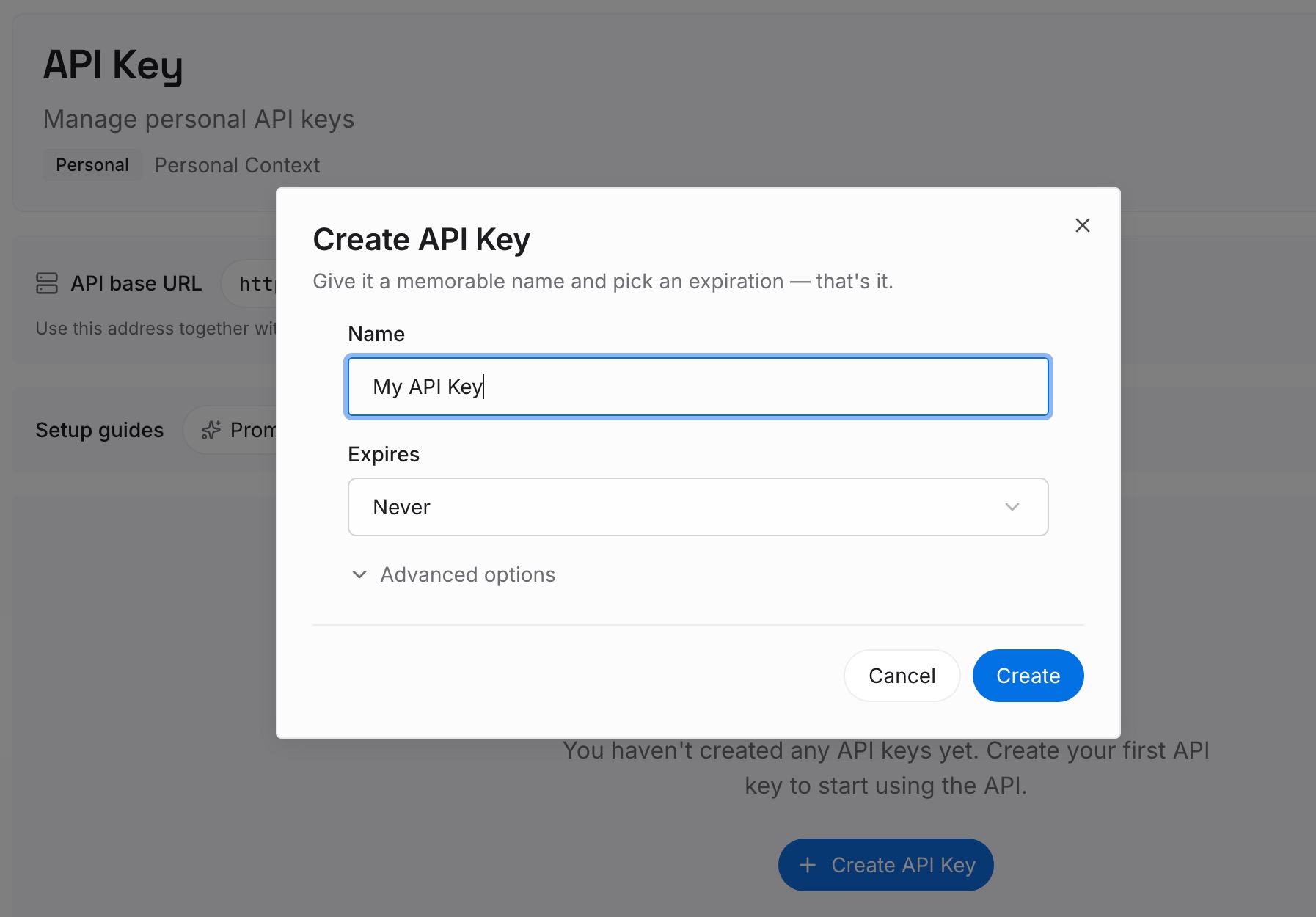
Step 1: Create an API key
Sign in to MemoryLake, generate a key, and make your first request — it takes about 30 seconds.
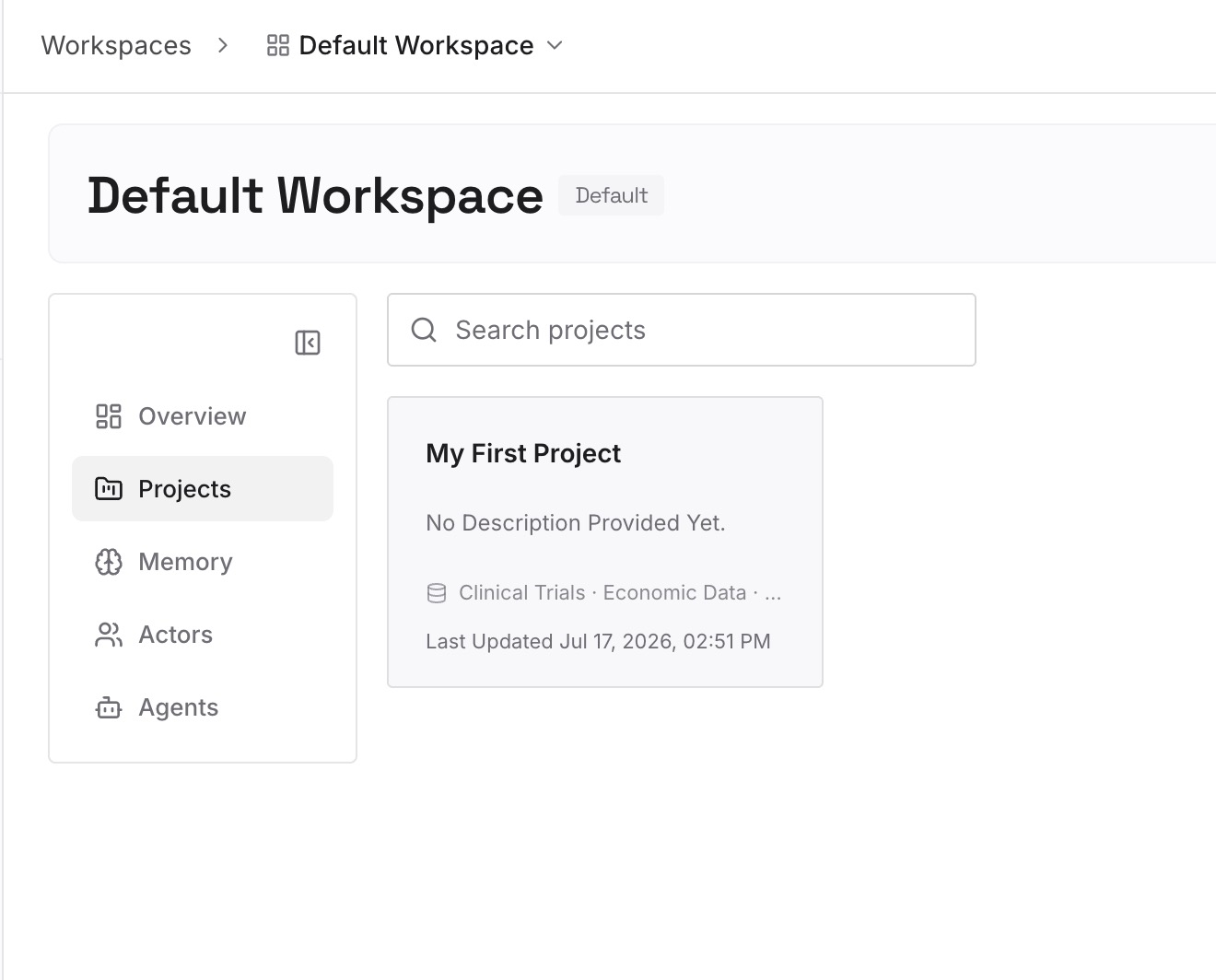
Step 2: Upload your first memories
Drop in the context you'd otherwise re-enter for every model: your preferences and standing rules as text, plus the documents, images, and other files your work runs on.
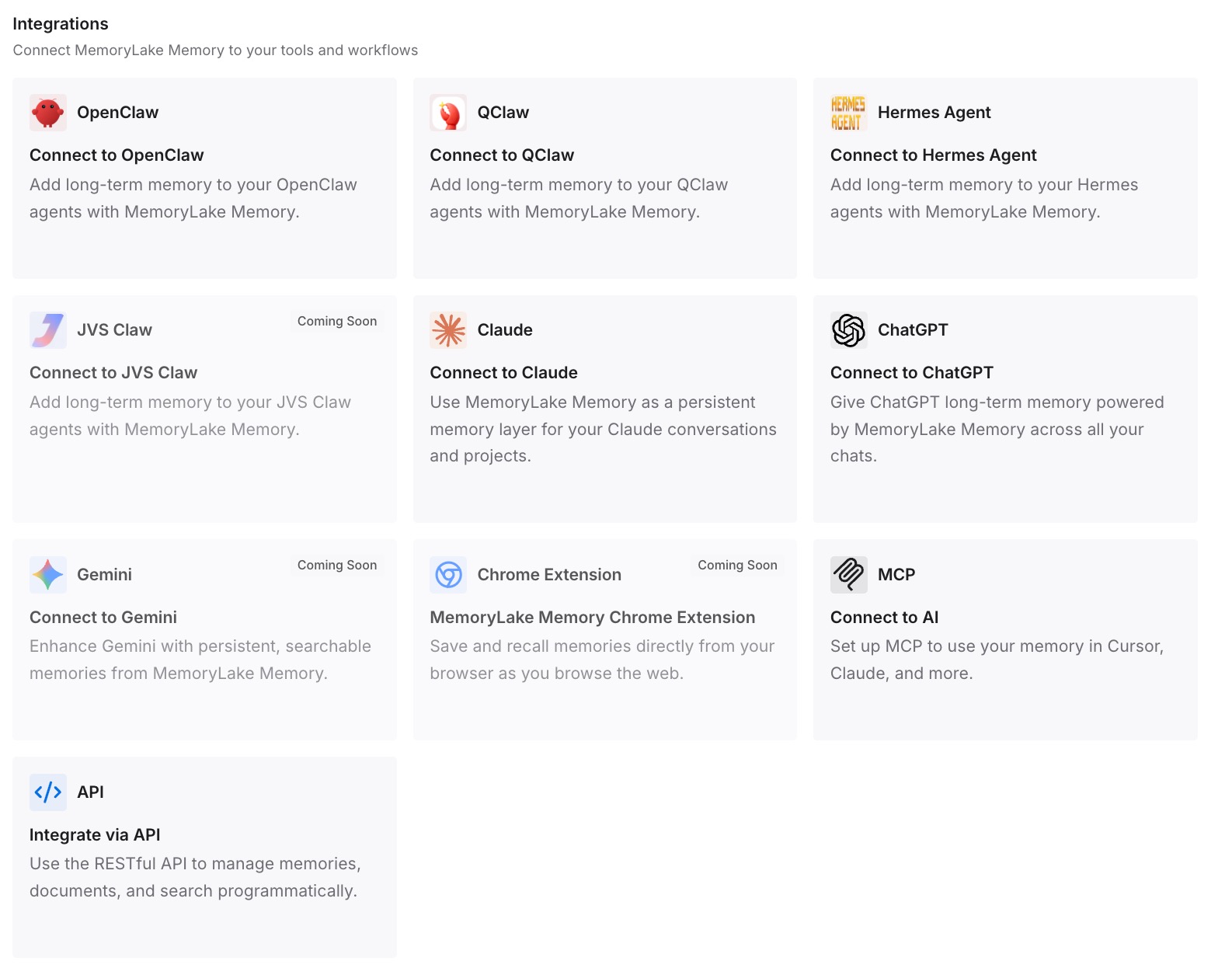
Step 3: Connect your AI & agents
Point your tools at the same memory. Kimi K3 connects via the API; Claude, Codex, OpenClaw, and other MCP-capable agents connect over MCP. Run K3 for the big refactors and Claude for the rest — both reading one memory, so a job started in one continues in the other without a re-brief.
What Re-Onboarding a Model Actually Costs
The multi-model tax
The industry moved from "best model wins" to "best fit wins," and best fit now changes by the task — K3 for one job, Sonnet 5 for another. Every hand-off between them that means re-explaining your context is pure overhead, and it grows with exactly the multi-model workflow that gets you the best results.
Retrieval instead of re-onboarding
With a shared layer, each model pulls the context a task needs on demand instead of you re-teaching it. You get K3's speed and price on the jobs it wins, without paying a memory tax to route work to it — and switching a task back to Claude costs nothing.
Best Practices for Model-Portable Memory
Route tasks, not memory
Let the task pick the model — K3 for large refactors and screenshot-to-UI, your default for the rest — while memory stays put in the shared layer. The point of multi-model is best-fit per task, which only pays off if context doesn't reset each time.
Keep preferences and documents separate
Store standing preferences as text memories and source material as files. Preferences apply to every model; documents attach to tasks — the split keeps retrieval sharp across both K3 and your default.
Prune when you add a model
Adding K3 is a natural moment to drop stale context. Update the layer once and every connected model — new and old — sees the current version.
Conclusion
Kimi K3 is a genuinely strong, genuinely cheap option, and using it shouldn't mean abandoning everything your other assistants know about you. The manual export gets you moving today; a shared memory layer lets K3 and your default model run side by side on one memory — which is what "best fit wins" actually requires. In a month with a new frontier model every few days, the durable setup isn't loyalty to one model's memory. It's memory that outlives whichever model wins this week's benchmark.