
What shipped, and what is still unknown
The claims
Qwen3.8-Max is built around 2.4 trillion parameters and, per Alibaba, ranks above recently released open-weight flagships on some benchmarks. It was previewed on July 19, 2026 at the World AI Conference in Shanghai before today's release. The preview variant, Qwen3.8-Max-Preview, is available through Alibaba Cloud's Token Plan and in Qoder and QoderWork, and Alibaba has said it intends to publish downloadable weights next week.
The caveats, stated plainly
As of August 3, 2026, the headline performance figures are Alibaba's own: the benchmark claims it leads with come from internal evaluations, and there is still nothing from Artificial Analysis, LMArena, or an independent harness you can inspect. The outside signal that does exist is thin — launch-day Arena.AI placements (top Chinese entry among text models, second globally on the vision board) and an anonymous pre-announcement appearance on Code Arena. Those are preference rankings, not a benchmark table with a disclosed methodology. Launch coverage puts the architecture at a mixture-of-experts design activating roughly 95 billion of the 2.4 trillion parameters per request, but there is still no published model card and no license. None of that means the model is weak; it means nobody outside Alibaba can yet tell you how strong it is on your workload.
Which is exactly why you should be running your own evaluation. And a real evaluation is where the context problem shows up first.
Why switching models resets your context
Model-side memory belongs to the provider
Every vendor's memory feature is scoped to that vendor. What Claude remembers about you stays with Claude; what ChatGPT stored stays with ChatGPT. Switch models and you are not migrating memory — you are starting a new one, by design. The pattern repeats with every release cycle, which is why this family of guides exists at all: the same reset happened switching to Kimi K3, moving to Claude Opus 5, and adopting DeepSeek V4.
Open weights ship with exactly zero memory
When Qwen3.8-Max weights land next week, self-hosting becomes an option — and it is worth being clear about what you get. Weights are an inference engine. There is no account, no memory store, no preference layer, no history. A locally served frontier model is the purest possible demonstration that memory is not a model feature: it is something you attach or something you do not have.
Routing multiplies the problem
The interesting pattern right now is not single-model adoption, it is orchestration — a strong model directing cheaper ones to stretch quota and parallelize work. That is a good idea economically and a bad one for continuity: each hop is a fresh context, and the cheap model executing step four has no idea what the expensive model concluded at step two. You end up shipping your project description into every call, or accepting that each participant works half-blind. The general version of this is covered in multi-agent memory.
What people try
A pasted context block
The universal first move: a paragraph of stack, conventions, and constraints at the top of every session. It works, it drifts out of date, and you pay for it on every request in every model you are testing.
Trusting the context window
Million-token windows make it tempting to treat context as memory. A window is what the model can read this turn — you still choose what goes in, pay for it each turn, and start empty next time. Retrieval does not close the gap either, for reasons worth reading in why RAG isn't memory.
Living inside one vendor
The safest-feeling option: pick a provider, use their memory, never leave. It works until the week a competitor ships something 2.4 trillion parameters large and half the price, and the cost of finding out is a month of re-explaining your codebase.
The Fix: Keep Your Context in a Layer the Model Cannot Take With It
The durable answer is to stop storing project knowledge in whichever model is currently winning. MemoryLake holds your architecture, decisions, and conventions in one memory layer that any model or agent reads over MCP or the API — including a self-hosted one.
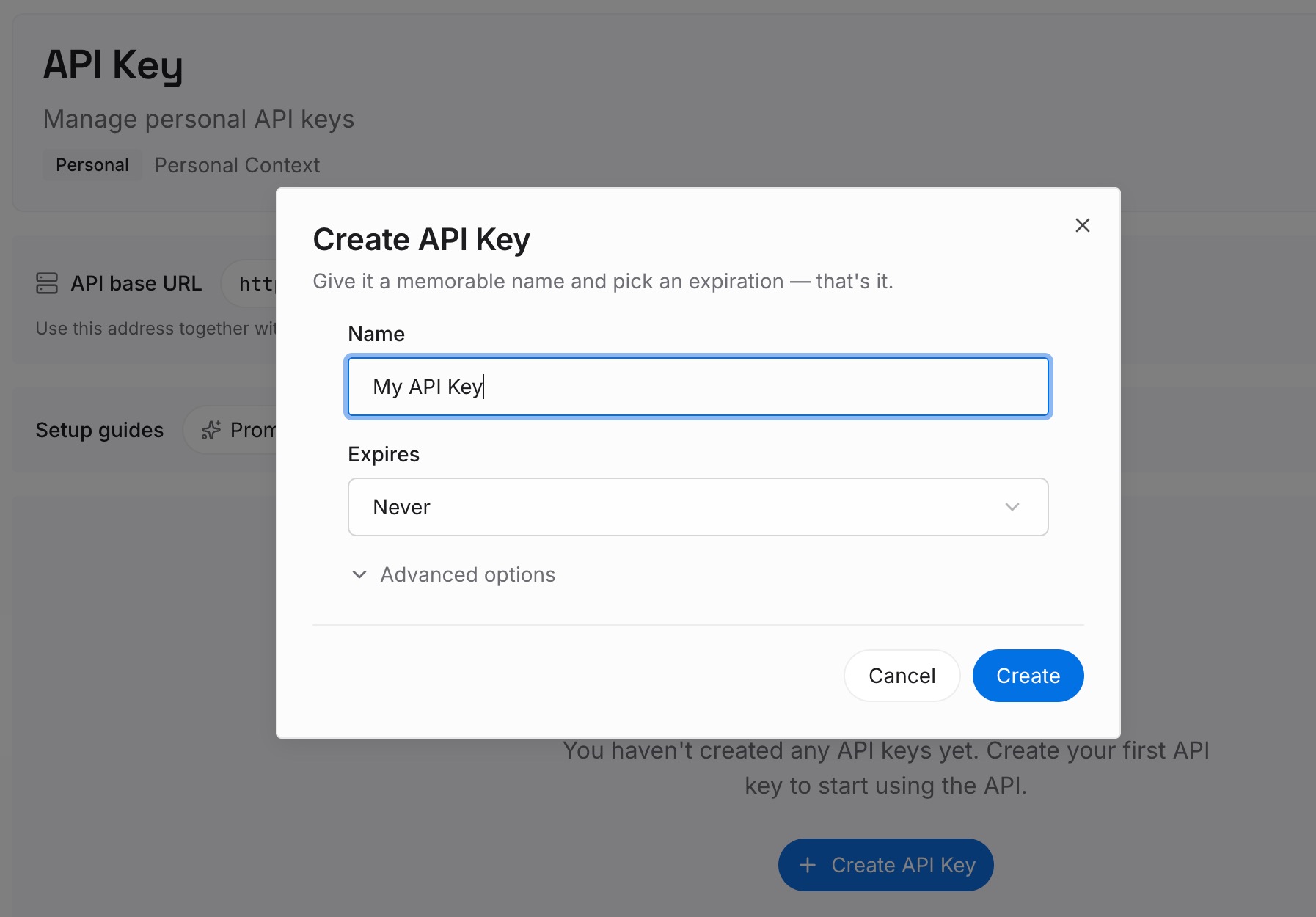
Step 1: Create an API key
Generate a key and make your first request in about 30 seconds.
Step 2: Upload your first memories
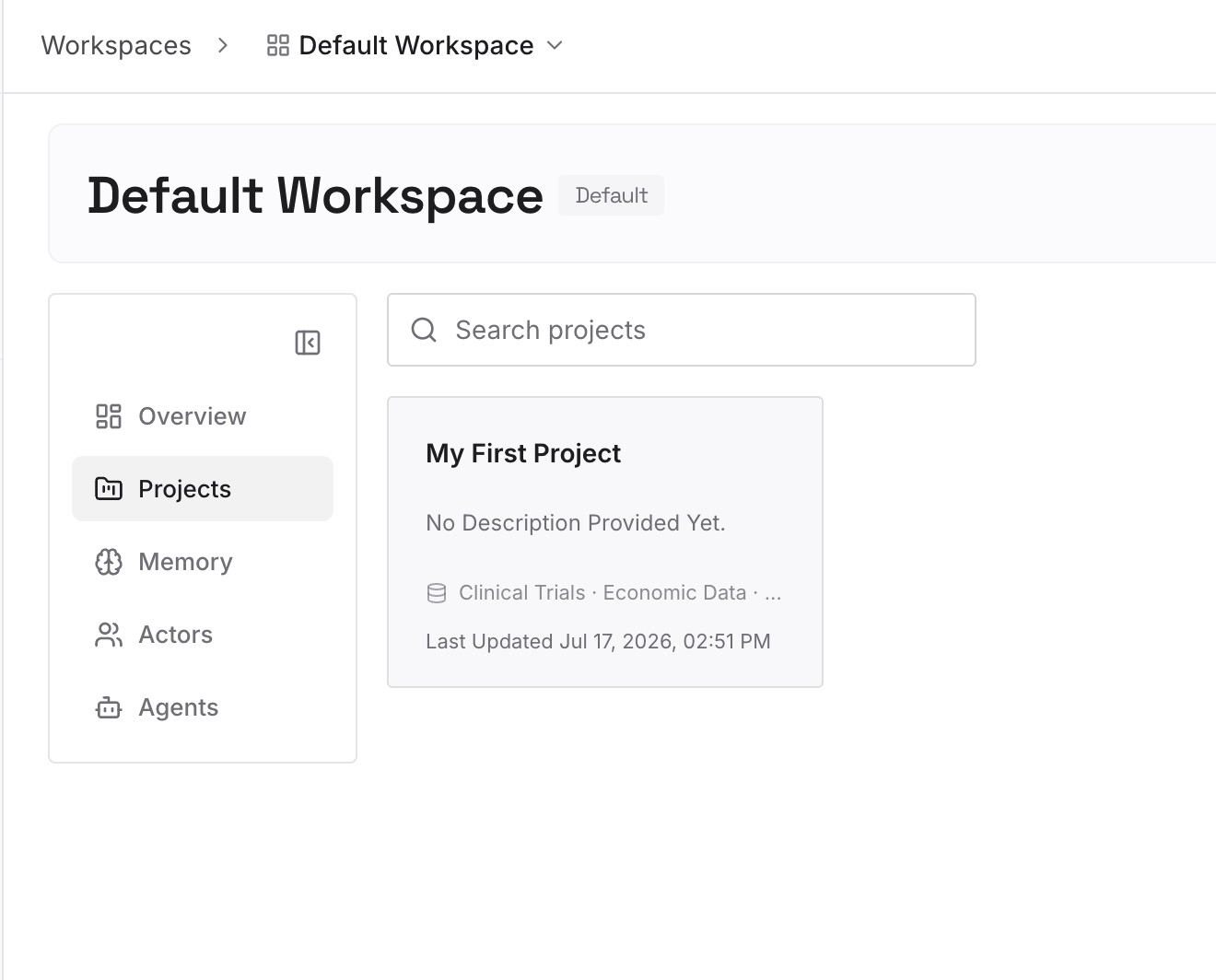
Drop in the documents, images, and files that carry your real context: architecture notes, ADRs, runbooks, API specs, prior evaluation results, and the decisions you keep re-explaining.
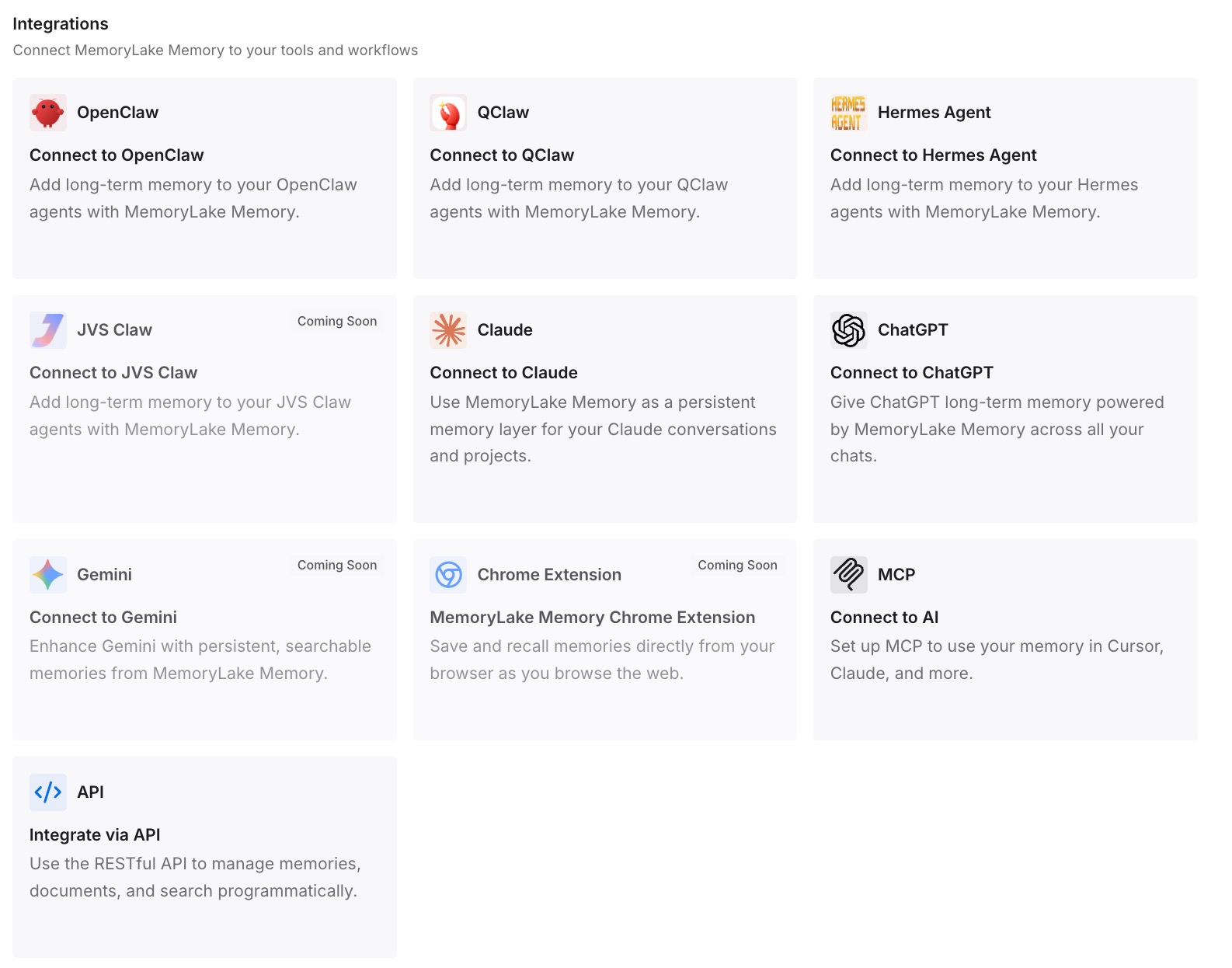
Step 3: Connect your AI & agents
Give Claude, Codex, OpenClaw, and your other agents access to that memory via MCP or the API — and point whatever you use to call Qwen3.8-Max at the same layer. Now every model in your mix starts from the same brief, which is also the only fair way to compare them. Cross-tool setups are covered in one memory across ChatGPT, Claude and Gemini.
What this changes in practice
Price the evaluation you are about to run. Re-briefing a new model on your project takes 30–60 minutes of focused work, plus another few minutes at the start of each subsequent session. If your standing context is 2,000 tokens and it gets re-sent 20 times a day across models under test, that is roughly 1.2M tokens a month of pure repetition — small money, meaningful friction.
The strategic cost is bigger and quieter: teams that would benefit from switching often do not, because the context-rebuilding tax makes every evaluation feel expensive. When memory is external, trying Qwen3.8-Max against your real workload costs an afternoon instead of a month, and dropping it if it loses costs nothing at all. That optionality is worth more than any single model's benchmark line — especially one that has not been independently verified yet.
Best practices for a multi-model world
Evaluate every model against the same memory
If one model gets a rich hand-written brief and the next gets a hasty paste, you are comparing prompts, not models. Feed both from the same memory layer and the comparison becomes about the model.
Store decisions, not transcripts
"Postgres over Redis for chat history — Redis lost data under queue-mode workers, decided 2026-05" is a durable fact. The forty messages that produced it are noise, and they cost tokens to retrieve.
Keep the layer provider-agnostic
Whatever you use to hold memory should not be something a model vendor can deprecate for you. That applies to hosted models and to the self-hosted Qwen build you may be running next week — the memory should outlive both.
Conclusion
Qwen3.8-Max is a serious release: 2.4 trillion parameters, frontier-level claims, weights promised within the week. It is also, as of August 3, 2026, a model whose headline numbers still come from its maker, with no model card or license published yet — which is a reason to test it yourself, not a reason to dismiss it.
Either way, the model is the replaceable part. Your architecture, your conventions, and the decisions your team already made are not. Keep those in a memory layer that any model can read, and switching to Qwen3.8-Max — or away from it next month — becomes a config change rather than a month of re-explaining what you already knew.