
What Claude Ship is
Anthropic's documentation describes it as "a set of agents that help get your team's GitHub pull requests ready to merge". There are three:
- Code Review looks for issues such as logic errors, security vulnerabilities, and broken edge cases.
- PR Steward works on review feedback and failing checks.
- Claude Approvals checks pull requests against an approval policy that you write.
The documentation sums up the combination: "Together, they can take a pull request through review, fixes, and an approval decision, so your team doesn't have to manage each step manually." It adds the limit right after: "Your settings and GitHub branch rules determine what merges."
There's also a warning on the overview page: "Claude Ship uses AI and may miss bugs, security vulnerabilities, or other issues."
Who can use it
Claude Ship is for organizations on Team and Enterprise plans. Code Review is generally available. The documentation says: "PR Steward and Claude Approvals are in public beta."
Some organizations can't use it. The agents "aren't available to organizations with Zero Data Retention enabled, the HIPAA configuration applied, or customer-managed encryption keys."
Billing is separate from your plan's included usage. The documentation explains that each agent "is billed on token usage through your organization's usage credits, separately from your plan's included usage."
Setup happens in Organization settings > Claude Ship, and it needs an Owner role. Anthropic recommends turning on one agent at a time in one repository: Code Review first, then PR Steward, then Claude Approvals.
What Code Review reads
Code Review reads the change alongside the surrounding code. The documentation says a review "works from reading the diff and the surrounding code, without building or running your code." Inside a review, access to your repository is read-only, and a review doesn't push commits.
Two files shape what it flags.
CLAUDE.md. The documentation describes these as project instructions "that Claude Code reads for every task, reviews included." It explains: "A change that violates one of their rules becomes a finding at whichever severity level fits the issue." A review reads the root CLAUDE.md and the ones in the parent directories of each changed file.
REVIEW.md. This file is for reviews alone, such as what to flag, at what severity, and what to skip. The important detail is where it comes from: Code Review follows "REVIEW.md from the base or default branch and never from the pull request's own changes."
That second point protects the review. A pull request can't quietly loosen the review rules that apply to it.
There's one difference to know if you also review locally. The documentation says the Code Review service reads both files, while the local /code-review command "reads your CLAUDE.md files and not REVIEW.md." We covered the local command's scope in our guide to Claude Code's /code-review reporting bugs only.
What PR Steward reads
PR Steward is the agent that pushes fixes. When it starts on a pull request, it adds a label and posts a comment saying it will check for repository-specific instructions.
Those instructions live in one file: .claude/skills/steward/SKILL.md. The documentation says to save it "and merge it to the default branch." PR Steward also picks up the repository's general instructions: "PR Steward also reads instructions from files such as CLAUDE.md, .claude/CLAUDE.md, .claude/rules/, and AGENTS.md at the repository's root. It reads them from the default branch."
It reads comments too. According to the security page, Anthropic's service sends a session "the comments and reviews of the pull request's author, people with write access to the repository, and bots."
When instructions disagree, the documentation sets an order. Where your own settings and the repository's SKILL.md disagree, the file applies. Your comments on the pull request override your own settings, and "a comment that asks PR Steward to stop or hold off also overrides that file".
Timing matters as well: "PR Steward reads your settings when it starts on a pull request, so a change applies to later starts."
One limit is built in. The documentation says: "Steward is designed not to approve or merge pull requests."
What Claude Approvals reads
Approvals is a check on the pull request that reports who still has to approve. The documentation describes what it does: "To evaluate a pull request, Approvals reads the policy, finds the rules that apply, and counts approvals".
The policy file. You write it as .claude/approvals.yml at the repository root. The policy reference says: "Approvals reads policy files from the default branch, so the file's rules apply once it's merged."
That rule cuts both ways. While a policy change sits in an open pull request, the documentation says Approvals "applies none of its rules. The rules on the default branch decide for that pull request."
Facts about the pull request and classifier answers. A rule can have a condition. The documentation notes: "A condition can't read CI results, so keep CI as its own required check in GitHub."
Classifiers. A rule can depend on a classifier's answer, such as Code Review's result or a question you define in .claude/classifiers/<name>/. A classifier with the code tool can read files beyond the diff, but not all of them. The documentation lists what it gets: "read-only copies of files at the pull request's head and on the default branch, without some files, such as CLAUDE.md, AGENTS.md, .claude/, .mcp.json, and files whose names end in .pdf".
So the files that tell Code Review and PR Steward how your team works are left out of a custom classifier's file copies. If you want a classifier to apply a team rule, the rule has to be in the classifier's own definition.
Who can approve. A rule's claude field decides whether Claude can post an approving review. The documentation warns that the field "starts no review, so where the rule reads no classifier, Claude can approve a change that no review has read."
How /ship works on your machine
Claude Ship's agents run for an organization. The /ship command runs in your own Claude Code session.
The documentation describes it as "a Claude Code command that opens a GitHub pull request for your change if your branch doesn't have one." It then reviews the change with /code-review and starts a watch, where Claude works on failing checks, merge conflicts, and review comments. The last step stays with you: "once the pull request is ready, merge it yourself".
A few details tie it to context you've already built:
- The commit message comes from your session. The documentation says: "Claude writes the commit message from the session's conversation." Anyone who can see the pull request can read it.
- It follows the same steward file. During a watch, "Claude reads the copy in your checkout and follows it as instructions".
- It doesn't ask first. The documentation notes: "
/shipproceeds with no confirmation prompt." - It ends. A watch stops when the pull request is merged or closed, or after seven days, among other cases.
You need Claude Code v2.1.330 or later, a signed-in GitHub CLI, and a local clone. Cloud sessions don't have the command.
Why observe mode comes first
Anthropic recommends starting Approvals in observe mode. In that mode, the check shows what your policy would decide without enforcing it.
Observe mode isn't free. The documentation says: "Reviews and classifier runs are billed in observe mode."
Adding a policy file also changes Code Review. Once the file is on the default branch, automatic reviews normally stop for files under it "unless a rule for those files names claude/code_review."
And the check only blocks merges if you make it required. The documentation says the check "blocks a merge only where you make it a required check in GitHub, and normally not in observe mode."
We looked at Anthropic's deeper cloud review option in our guide to Claude Code ultrareview.
What people try first
Putting team rules only in CLAUDE.md and expecting a classifier to apply them. A custom classifier's file copies leave out CLAUDE.md.
Testing a policy change in the pull request that makes it. Approvals uses the policy on the default branch.
Editing REVIEW.md in a feature branch. Code Review reads it from the base or default branch.
Expecting /code-review to follow REVIEW.md. The local command reads CLAUDE.md only.
Assuming observe mode costs nothing. Reviews and classifier runs are still billed.
The Fix: Decide what each agent should read
Step 1: Put project-wide rules in CLAUDE.md
Conventions that every review and every fix should respect belong in CLAUDE.md on the default branch.
Step 2: Put review-only guidance in REVIEW.md
Severity, skip lists, and repository-specific checks go in REVIEW.md, merged to the default branch.
Step 3: Start Approvals in observe mode
Write .claude/approvals.yml, merge it, and compare what the check would decide with what your team actually does.
Step 4: Write down why each rule exists
Record the incident, decision, or risk behind each rule, so the next person can change it safely.
Setting this up in MemoryLake
Claude Ship reads rules from files on your default branch. The reasons behind those rules, such as the outage that led to a two-reviewer rule on billing code, can be scattered across old pull requests, chats, and people's heads.
MemoryLake is a memory layer for that kind of context, kept in one place you maintain and available to the assistants you connect, such as ChatGPT, Claude Code, and Codex.
You write the entries yourself, in your own words. Nothing is read out of, written to, or deleted from your repository, your CLAUDE.md, REVIEW.md, or policy files, your pull requests, your Claude Code sessions, or any vendor's store. Claude Ship works the way Anthropic describes it.
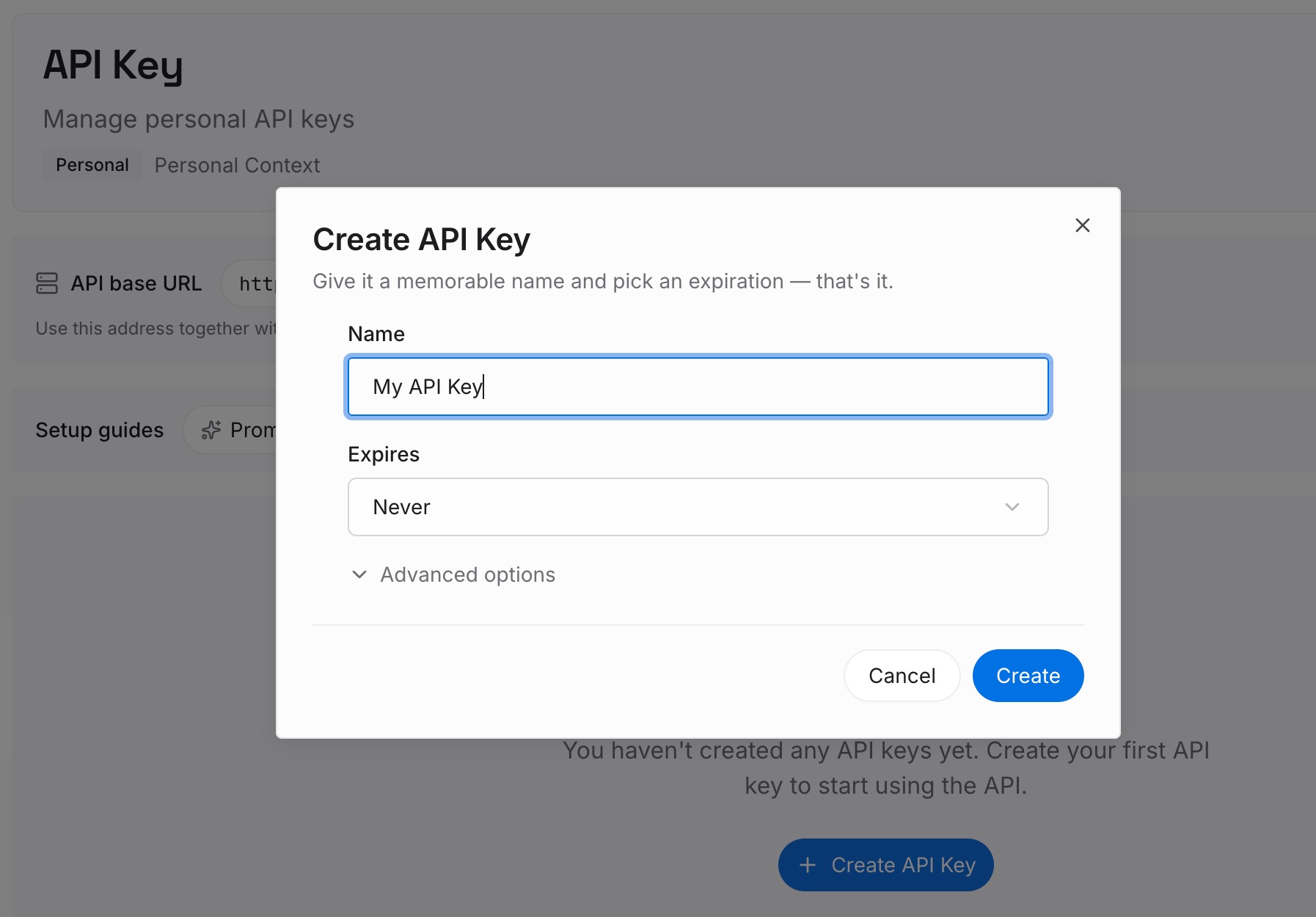
Step 1: Create an API key
Sign in and generate a key from the dashboard. Store it outside your repositories, like any other credential.
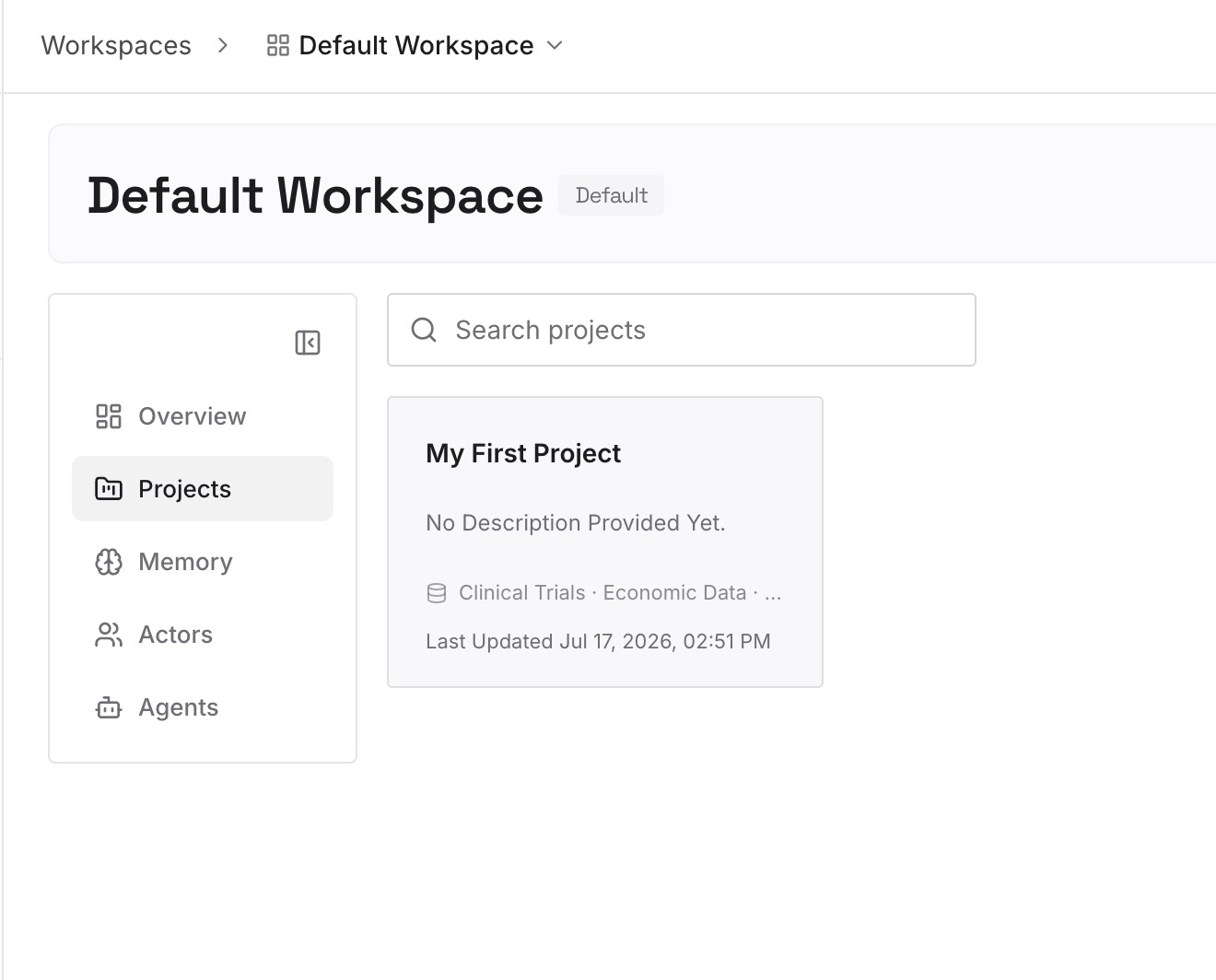
Step 2: Upload your first memories
Start with what you wrote in Step 4 of the fix: the reason behind each review and approval rule. One rule per entry.
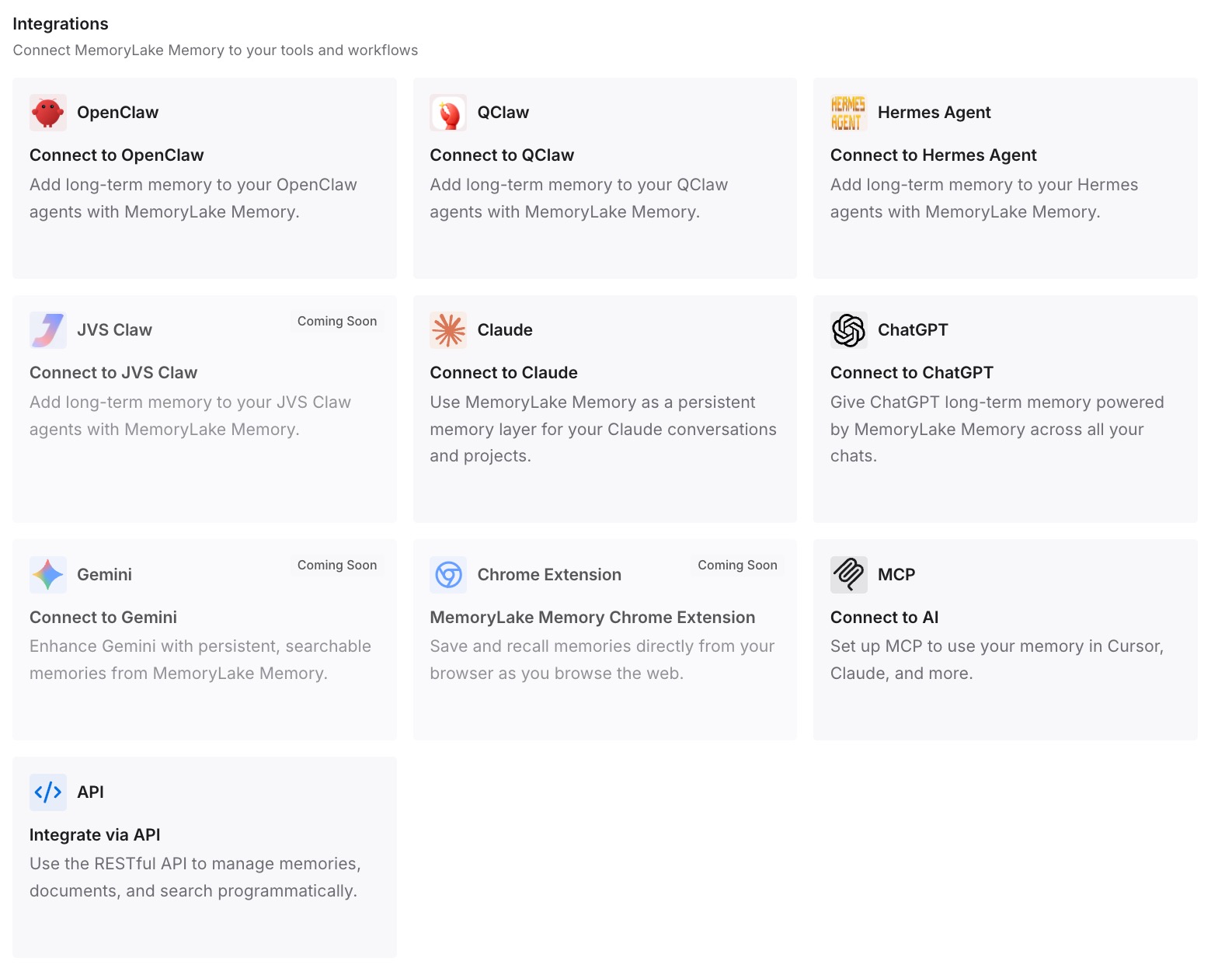
Step 3: Connect your AI & agents
Connect Claude Code, Codex, ChatGPT, and the other assistants you use, so each one can explain a rule as well as follow it.
What this changes in practice
The first difference is safer policy changes. Whoever edits a rule can see why it was added.
The second is faster onboarding. New teammates learn the reasoning, not only the rule.
The third is consistency across tools. The same reasons are available whether someone works in Claude Code or Codex.
Best practices for Claude Ship
Turn on one agent at a time. Start with Code Review in one repository.
Protect your default branch. Review rules, steward instructions, and policies are read from it.
Keep CI as its own required check. Approvals conditions can't read CI results.
Write a steward skill. .claude/skills/steward/SKILL.md serves both PR Steward and /ship.
Watch auto-merge. A policy that doesn't require a person can let a change merge with no one acting.
Merge yourself. /ship leaves the final merge to you.
Conclusion
Claude Ship combines Code Review, PR Steward, and Claude Approvals for Team and Enterprise organizations. Code Review reads CLAUDE.md and reads REVIEW.md only from the base or default branch. PR Steward reads its steward skill and the repository's instruction files from the default branch. Approvals reads .claude/approvals.yml from the default branch, can't read CI results, and gives custom classifiers file copies without CLAUDE.md, AGENTS.md, or .claude/.
The /ship command brings the same review and fix loop to your own pull requests, writes the commit message from your session, and leaves the merge to you. Starting in observe mode, keeping rules on a protected default branch, and writing down why each rule exists make it easier to trust what Claude approves.